
Why We Use So Much Garlic
Garlic is a very important ingredient for many Middle Eastern and Asian kitchens. It adds a beautiful depth of flavor, and even the smell of garlic cooking can make you hungry before the meal is ready.
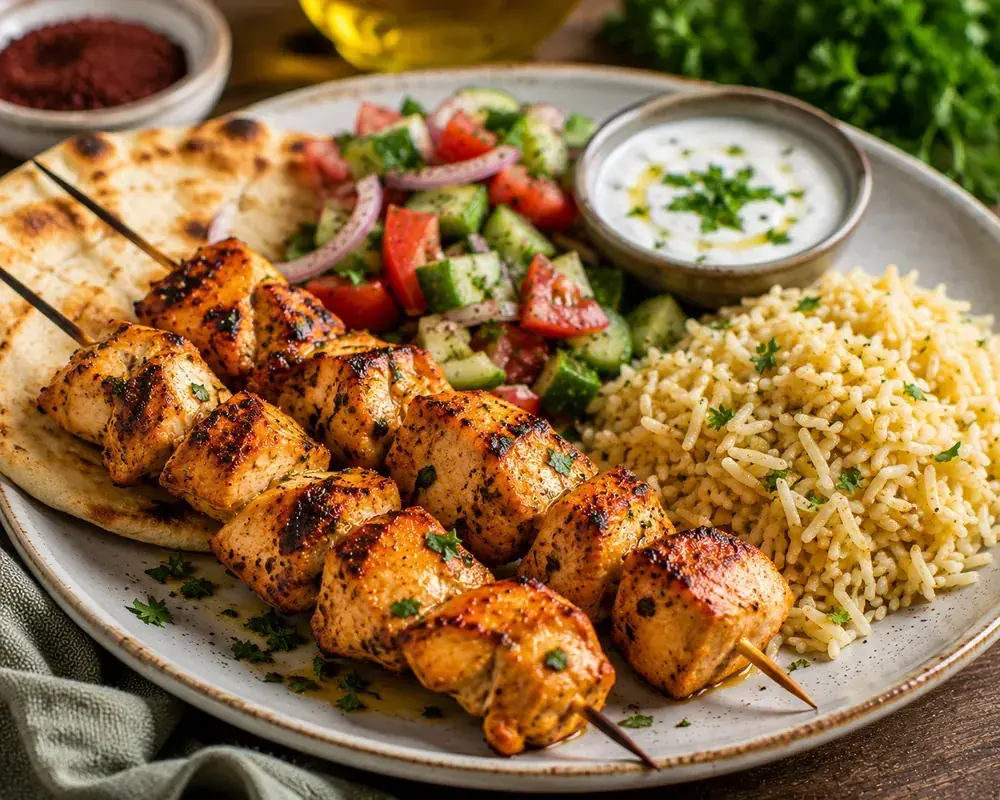
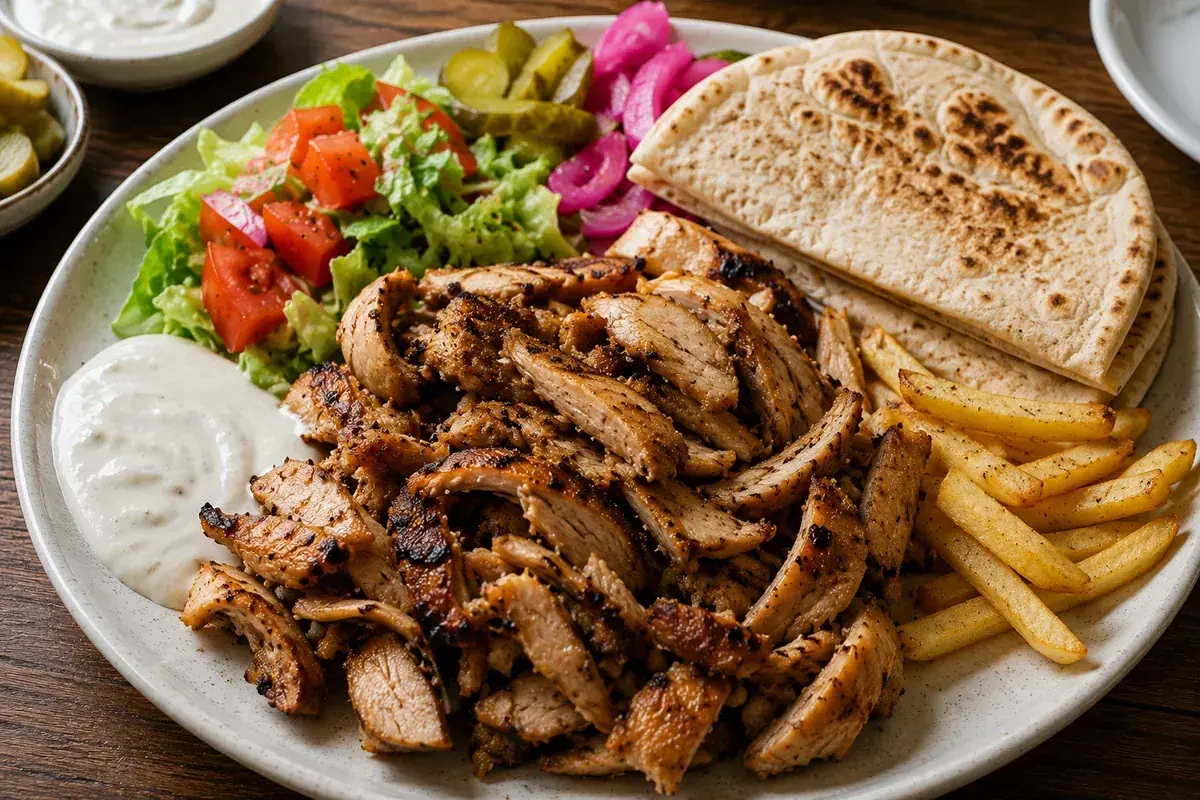
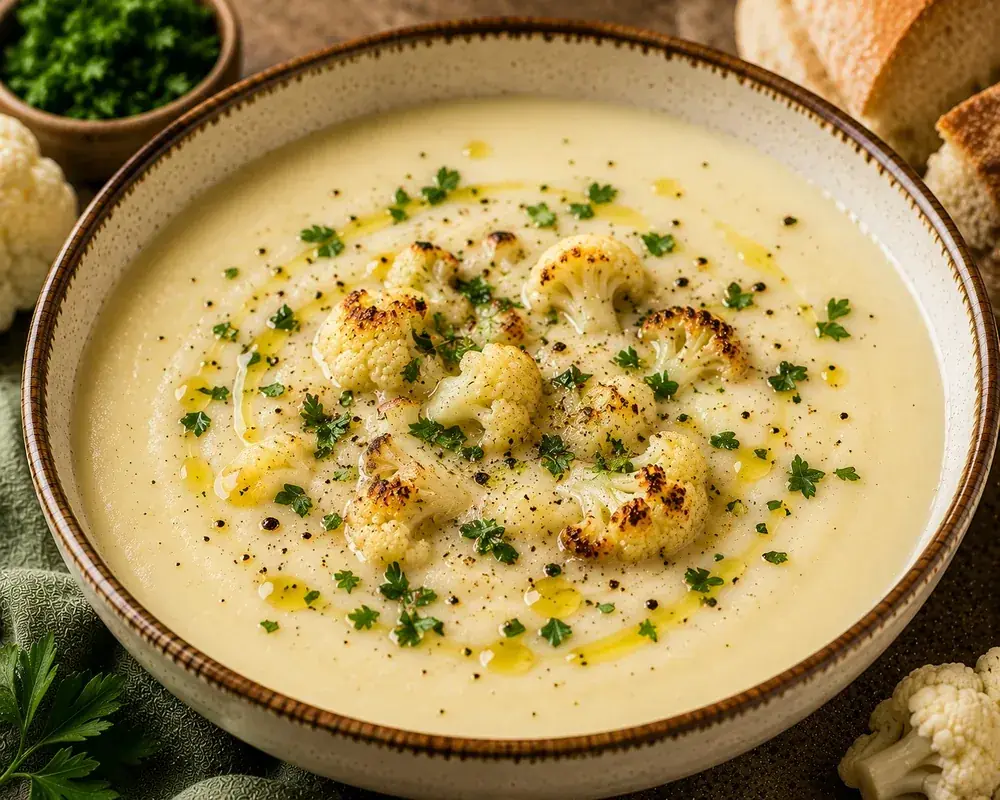
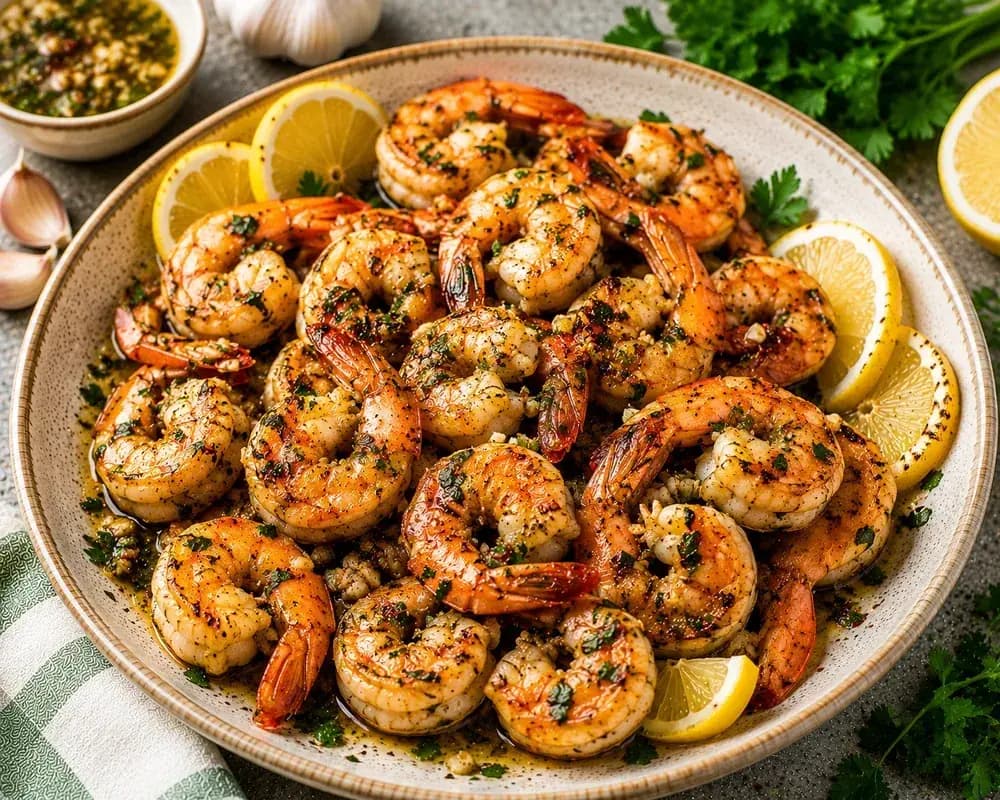
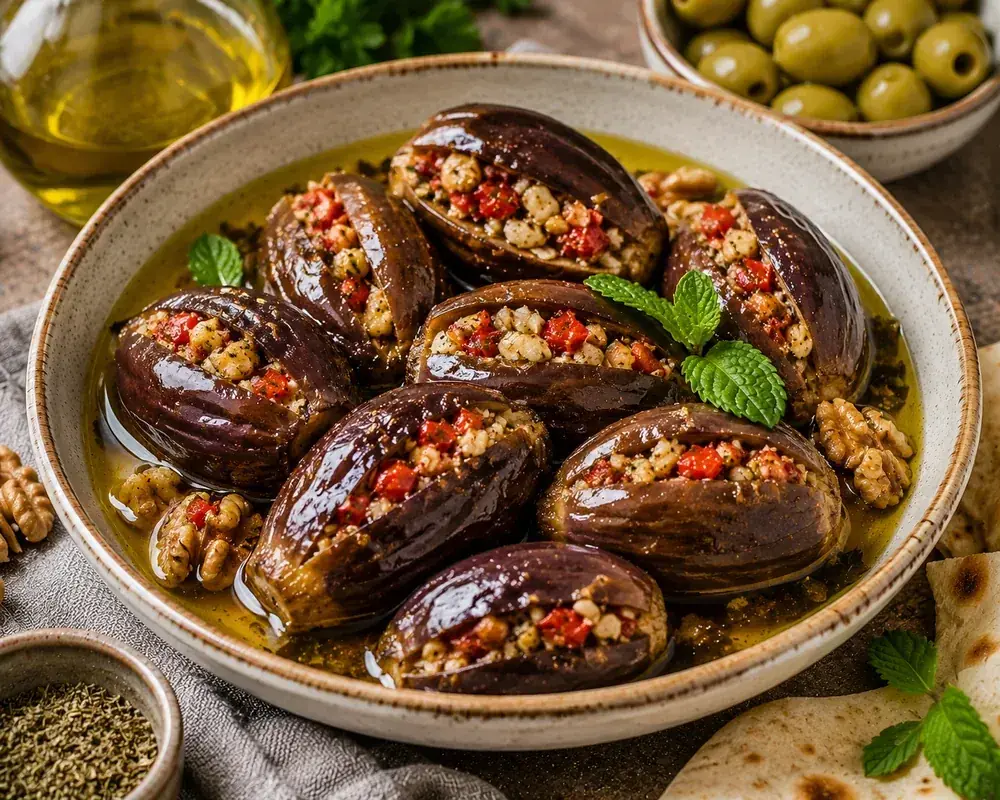
In our home, garlic is one of those ingredients that appears again and again. We use it in molokhia, lentil soup, tomato soup, chicken shawarma, chicken kabsa, shish tawook and many other recipes on Healthy Mezze.
There is also something nostalgic about it. I remember coming home and smelling garlic cooking and immediately trying to guess what Mom was making. My first guess was always Molokhiya because it was one of my favorites.
Try These from Our Kitchen
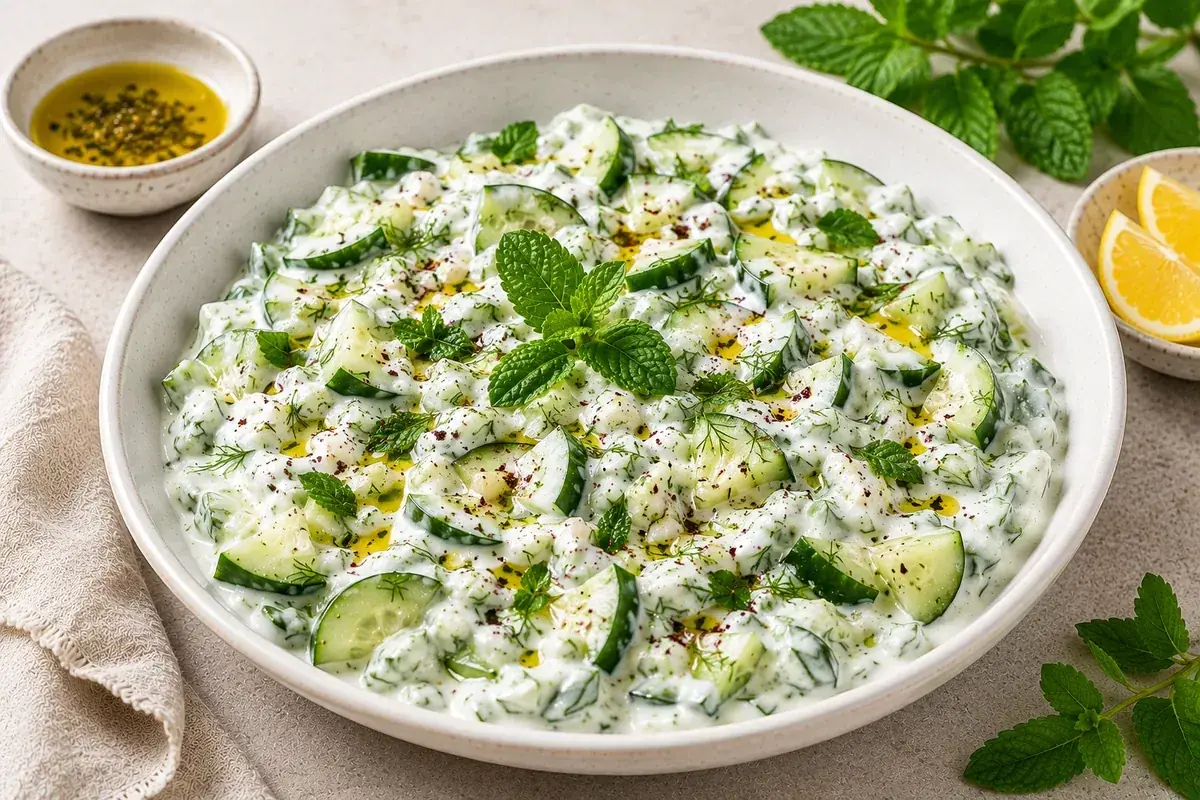
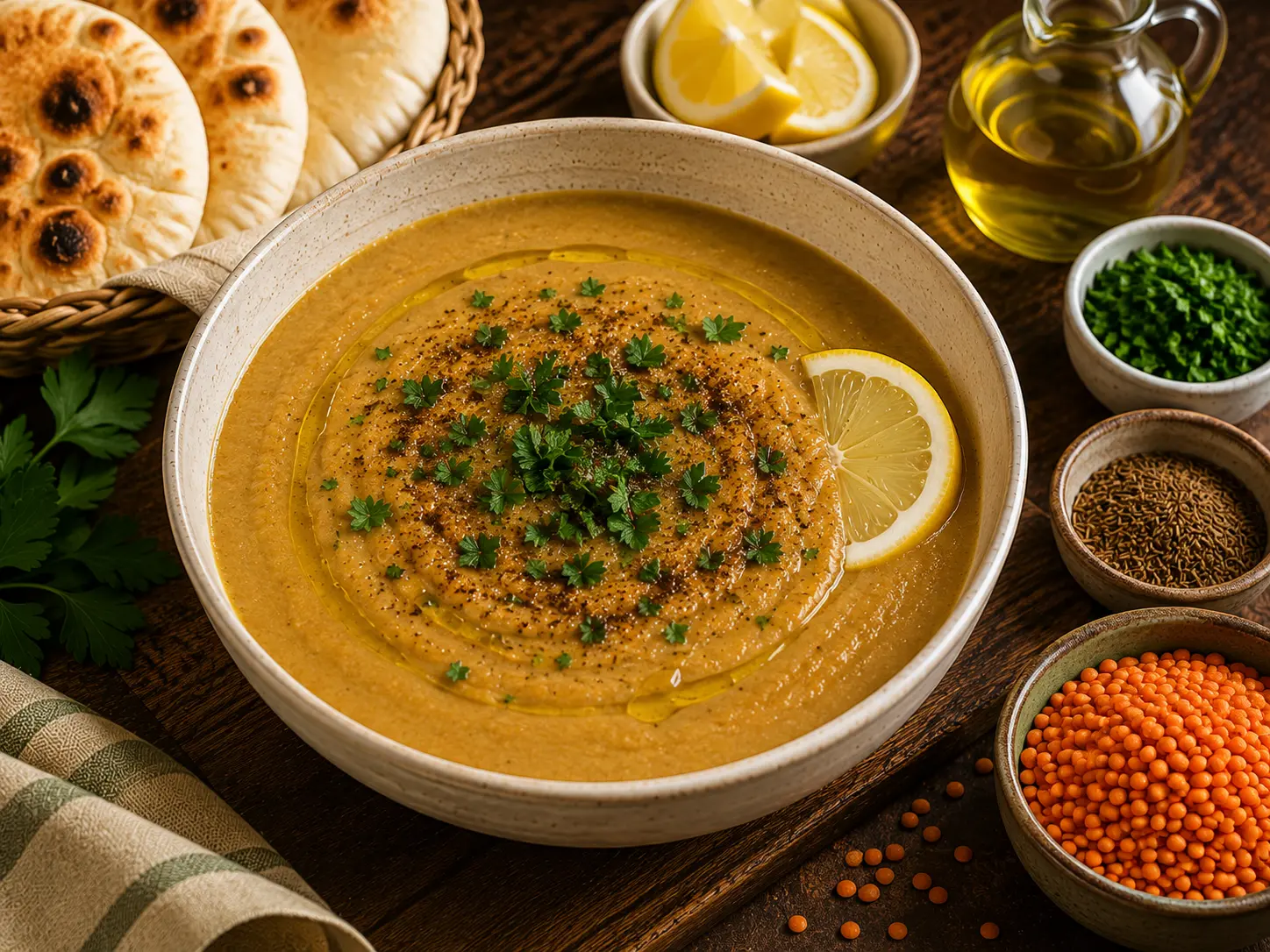
Some smells don't just mean food. They mean home.
What Happens When You Crush Garlic?
One thing I learned over the years is that garlic changes depending on how you prepare it and when you add it.
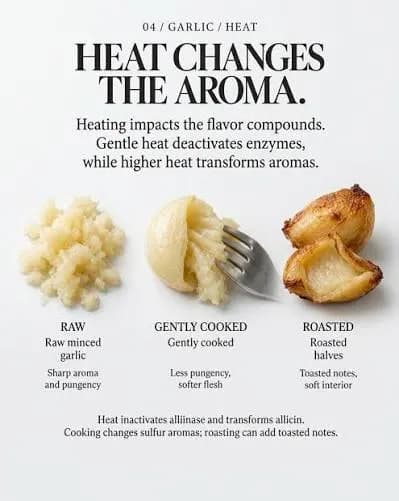
Crushing or chopping garlic breaks the cells and allows enzymes inside the garlic to interact with compounds that help form allicin and other sulfur-containing compounds. This is one reason freshly crushed garlic has such a strong aroma and sharp flavor.
That does not mean every preparation has the same health effect. Raw garlic, gently cooked garlic, roasted garlic and concentrated garlic preparations are different things, and research does not allow us to treat them as interchangeable.
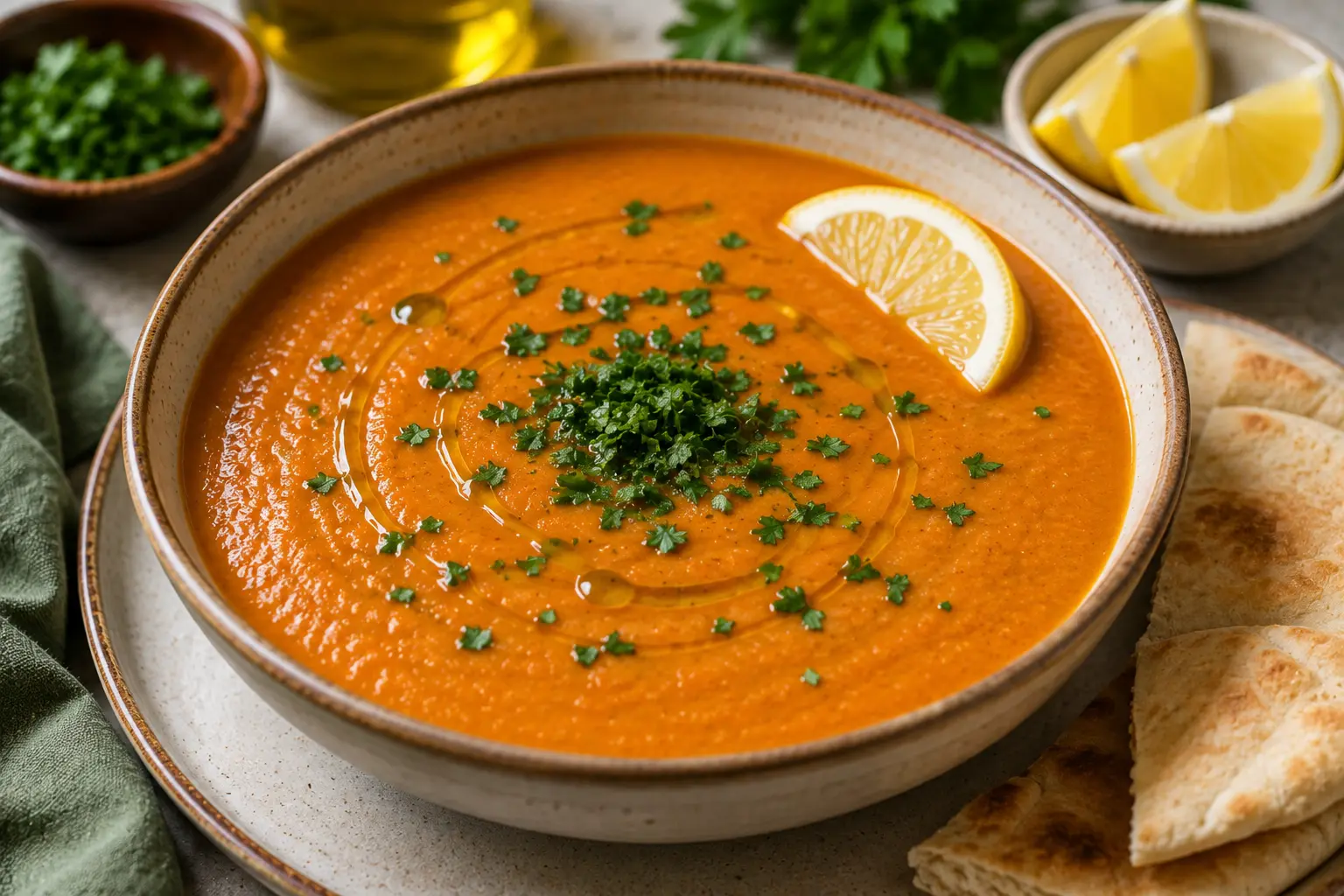
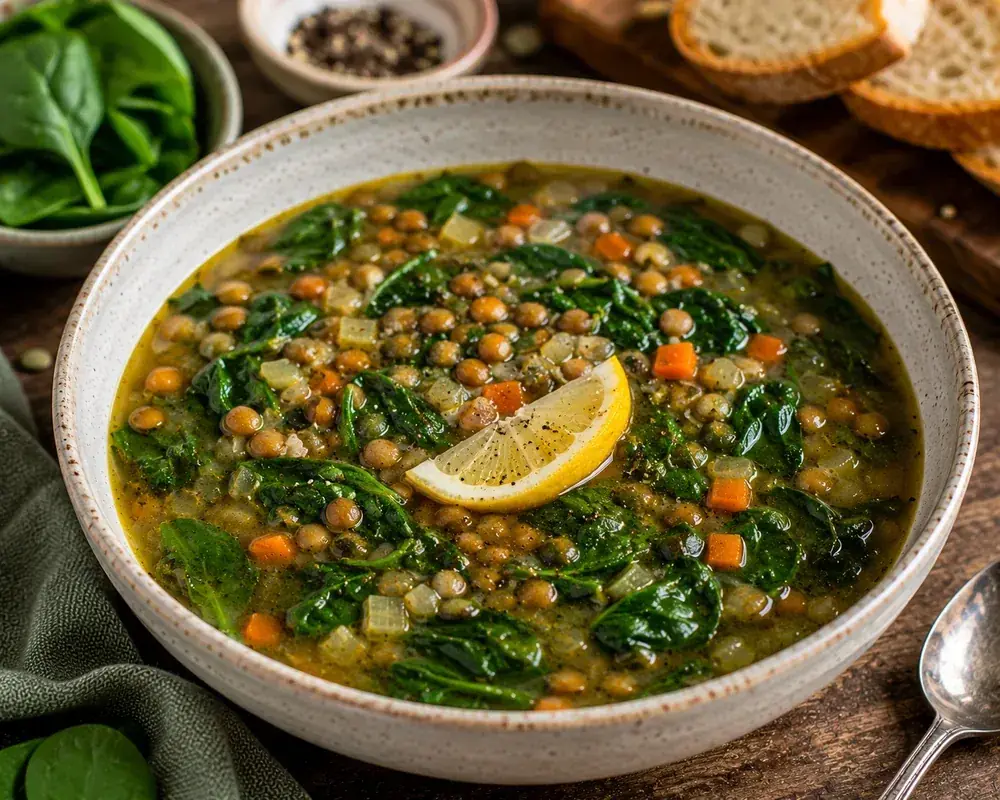
Raw Garlic: The Dragon Breath
Raw garlic is powerful. I call it dragon breath because it can be very strong and fiery.
Raw garlic can be great in salads, dressings and other dishes when used carefully, but I personally do not like using too much of it. The flavor can become sharp very quickly, and the smell can stay with you.
If you enjoy raw garlic, a little can go a long way. The goal is to let the garlic support the dish rather than completely take it over.
Lightly Cooked Garlic: My Favorite
Lightly cooked garlic is my favorite way to use it. You get a softer, warmer flavor without the sharpness of raw garlic.
When frying chopped or minced garlic, I keep the heat low and watch it closely. Garlic can go from light golden brown to burnt and bitter surprisingly quickly.
Starting garlic in relatively cool oil can also help it heat more gradually. Once it reaches a light golden color, I move quickly and add the next ingredients or remove it from the heat.
Roasted Garlic: A Completely Different Garlic
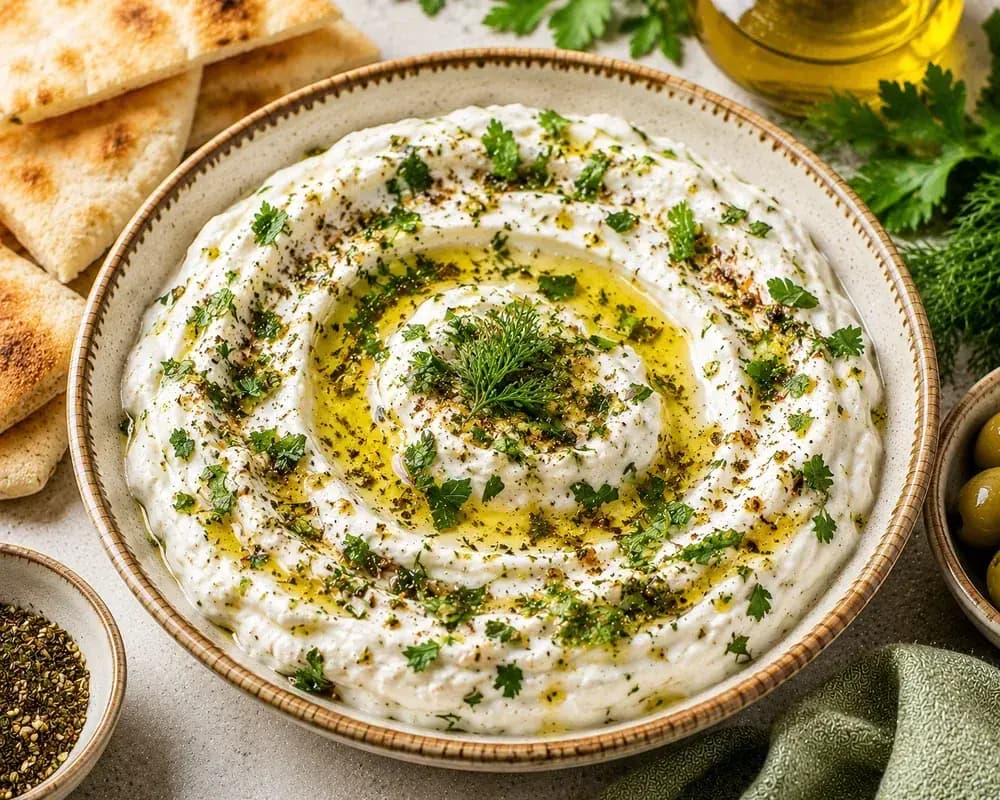
Roasting changes garlic again. The cloves become soft, mellow and sweeter, with a completely different character from raw garlic.
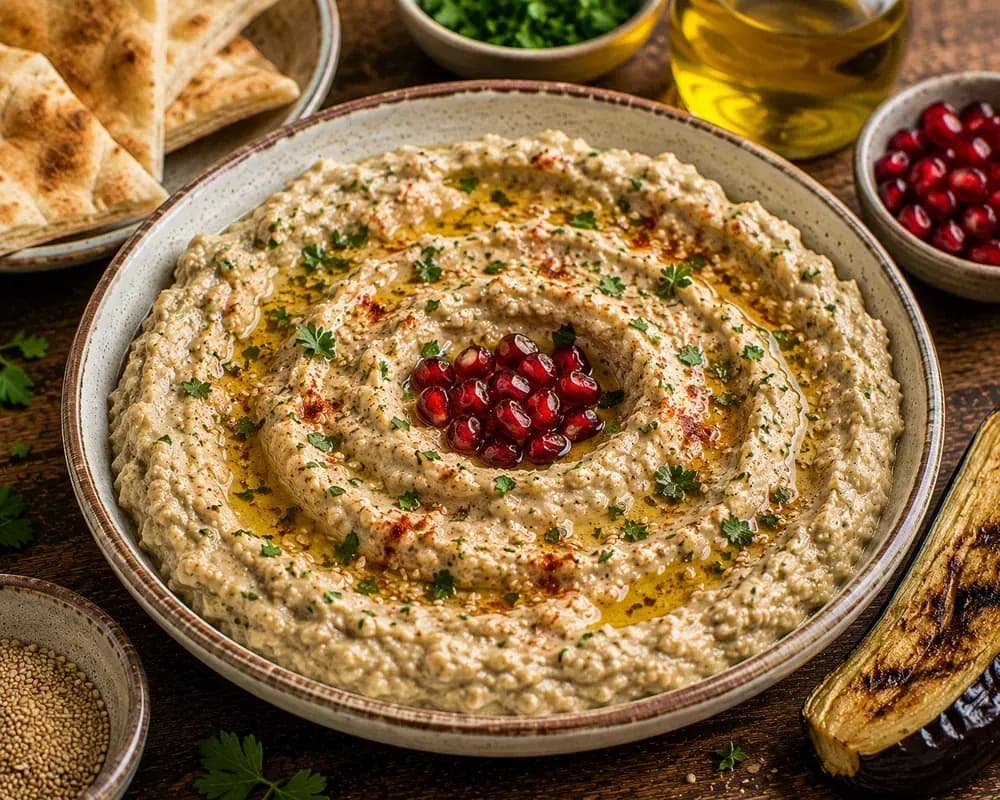
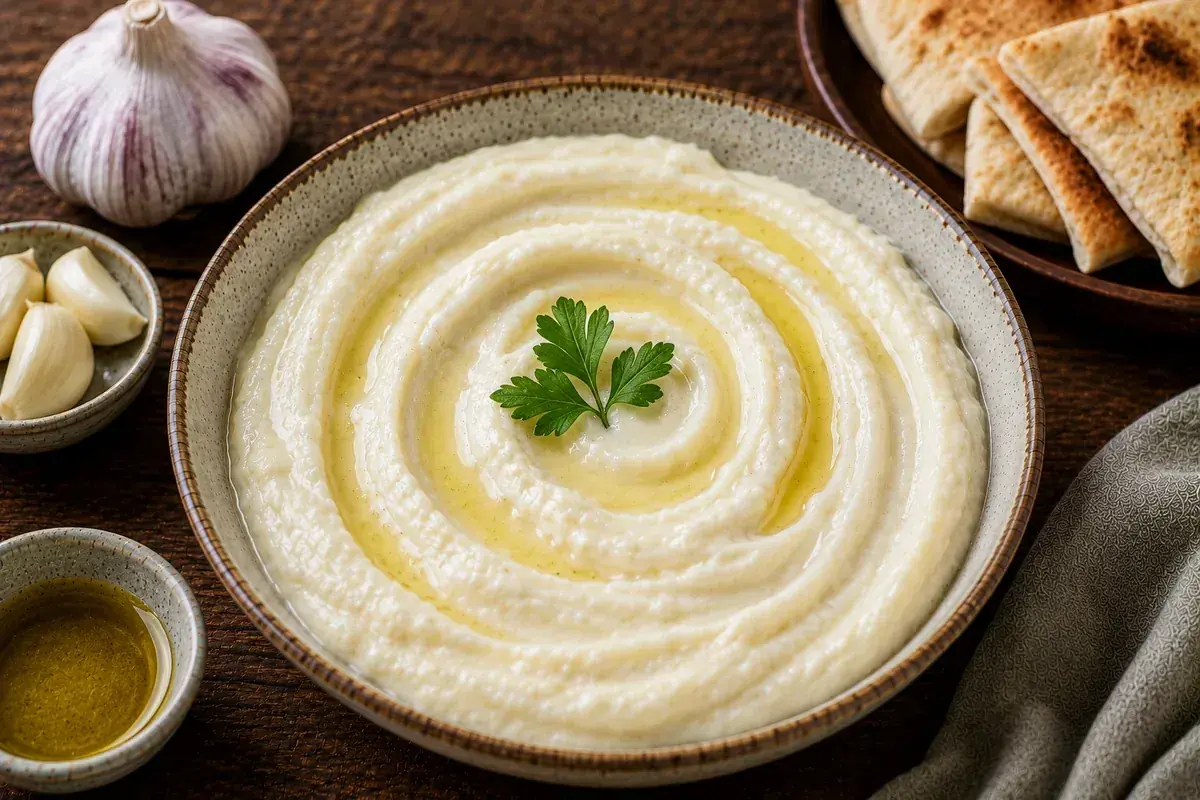
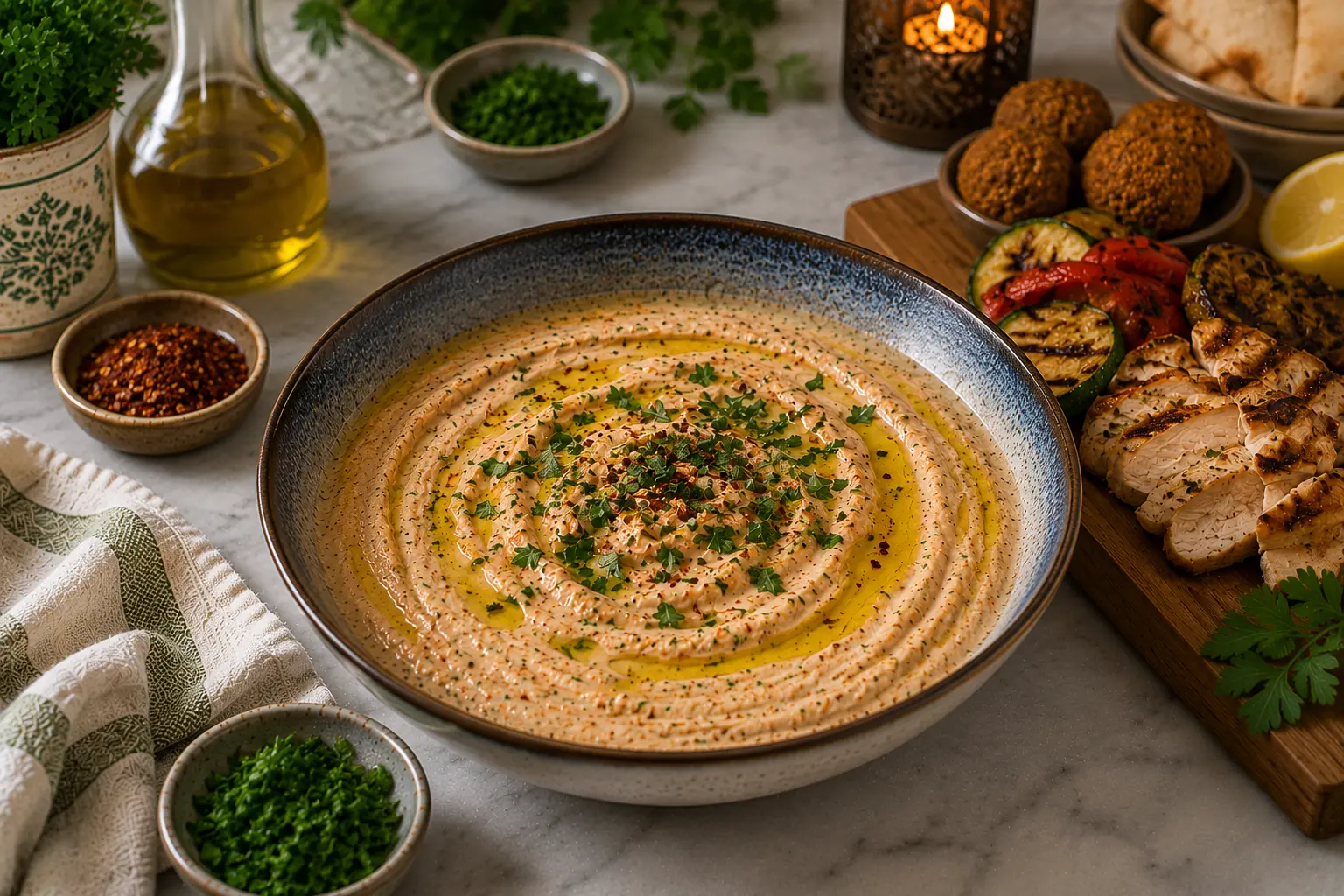
Roasted garlic works beautifully in hummus and baba ganoush, and it can also be spread into sauces or used as a base for other dishes.
Try These from Our Kitchen
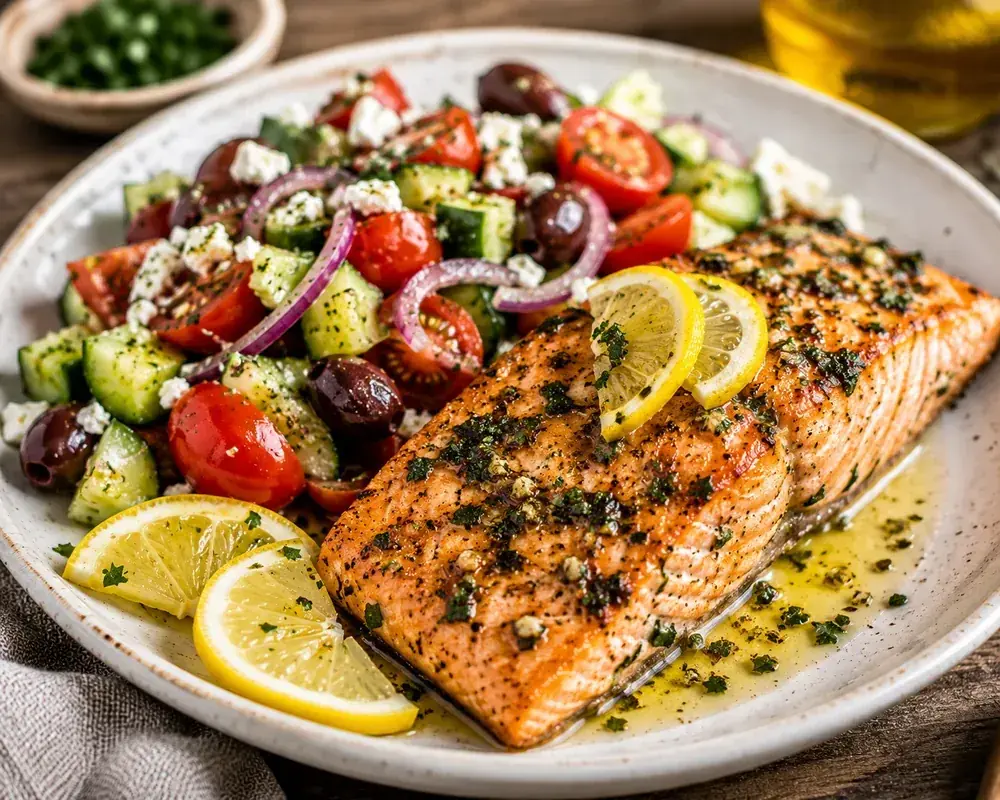
Garlic rewards attention.
The Health Side of Garlic
Garlic has been studied extensively, but this is where I think it is important to separate kitchen wisdom from medical claims.
In my family, I grew up hearing that garlic was healing and could help with things like the stomach or throat. That is a family belief and part of the food culture I grew up with, not a claim that garlic cures illness.
Modern research has investigated garlic and garlic preparations for several areas of health, including cardiovascular measures. The evidence varies depending on the preparation, dose and outcome being studied.
Blood Pressure
Some clinical research has found that certain garlic preparations may produce modest reductions in blood pressure in people with hypertension. That evidence mainly concerns studied garlic preparations or supplements rather than proving that eating a normal amount of garlic in a meal treats high blood pressure.
So I would keep garlic where it belongs in the kitchen: as a flavorful ingredient that can be part of a balanced diet, not as a replacement for medical treatment.
Cholesterol
Garlic has also been studied for cholesterol. Some research suggests garlic preparations can have modest effects on cholesterol levels, but the results vary and the evidence should not be interpreted as saying that garlic alone will solve a cholesterol problem.
For everyday cooking, I think the more useful takeaway is simple: garlic can make healthy food much more enjoyable, which makes it easier to keep cooking at home.
Try These from Our Kitchen
The best cooking is the kind that makes you want to share the table.
What About Immunity and Colds?
Garlic is often described as an immune booster or natural cold remedy. Research has looked at this question, but the evidence is limited and does not justify presenting garlic as a treatment or cure for colds.
I enjoy garlic because it makes food better. That is already a pretty good reason to use it.
Garlic and the Digestive System
Too much garlic can be uncomfortable for some people. Heartburn, abdominal discomfort and strong breath or body odor are among the effects reported with garlic.
This is another reason I prefer starting with a moderate amount. My Mom always said one or two cloves can be enough, and I think that is good kitchen advice when you are learning how to balance garlic.
How Much Garlic Should You Use?
There is no magic number of cloves that works for every recipe. Garlic should support the other ingredients rather than overpower them.
If you are unsure, start with a little less. You can always cook more garlic separately and add it later, but removing an overpowering garlic flavor from a finished dish is much harder.
If you accidentally use too much, dilution can sometimes help. Depending on the recipe, additional broth, water, yogurt or other ingredients can bring the balance back.
My Favorite Garlic Base
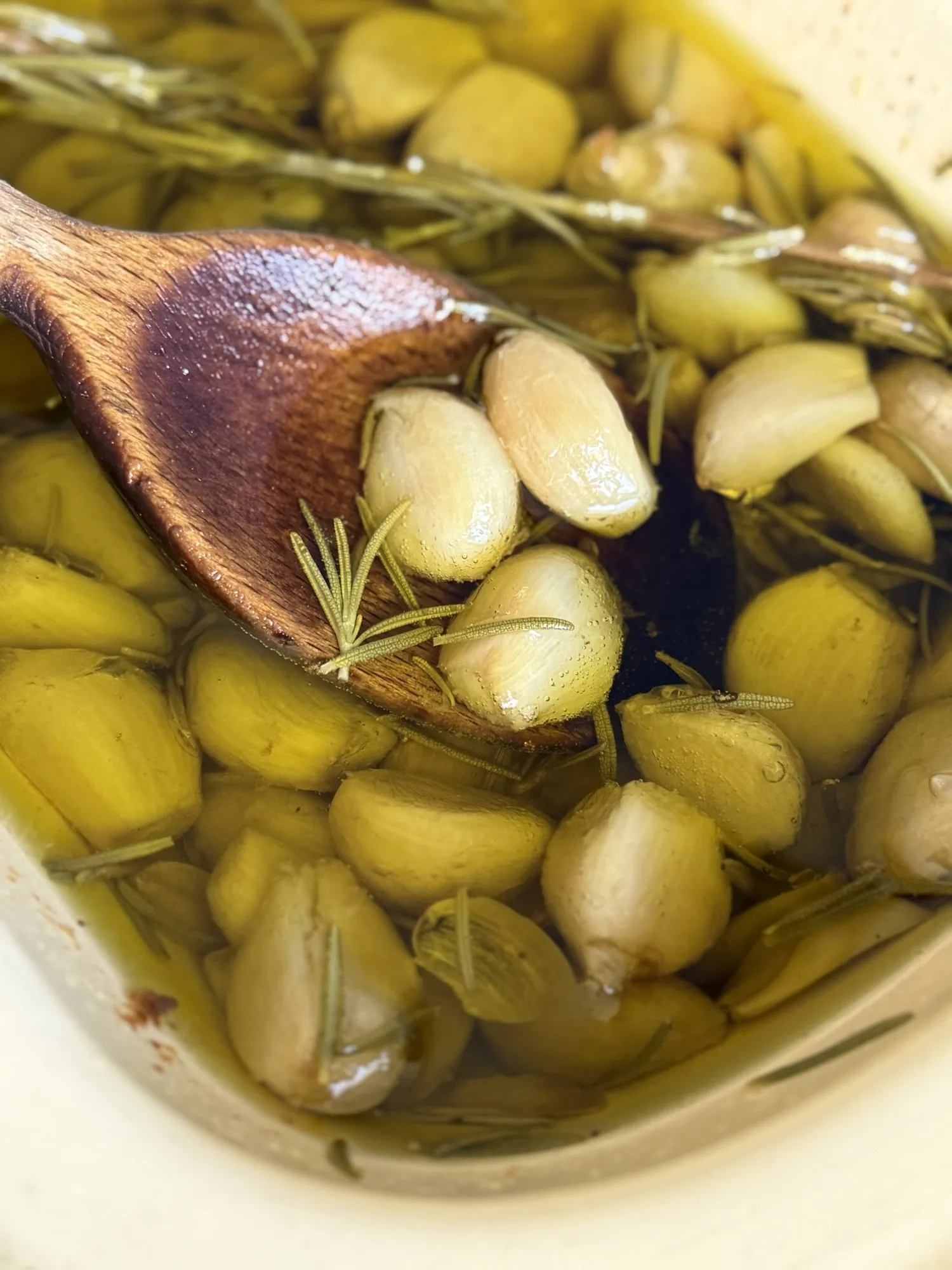
One of my favorite ways to start a meal is garlic in olive oil. I let the garlic warm gently, then add onions and continue building the dish with vegetable broth or other ingredients.
The same idea can become a simple garlic-infused oil for salads and marinades. It is a small preparation that can give you a lot of flavor.
The Garlic Mistake I See Most Often
The biggest mistake is waiting for garlic to become dark brown because it looks like it is cooking nicely.
By that point it can already be bitter and unpleasant. Garlic rewards attention. Keep the heat controlled, stay close to the pan and take it off the heat when it reaches that light golden stage.
The Garlic Peeling Trick I Use
For a quick way to peel garlic, cut off the flat end of the clove and place the flat side of a knife over it. Give it a small, controlled press to slightly crush the clove.
The skin loosens and becomes much easier to remove. You do not need to completely smash the garlic unless the recipe calls for it.
The Five-Minute Garlic Pause
I like to let freshly chopped or crushed garlic sit for a few minutes before cooking it. You will sometimes hear this described as a five-minute rule.
There is research showing that mechanical disruption of garlic allows enzyme activity and rapid formation of sulfur-containing compounds, and domestic-processing research has examined how preparation and heating affect those compounds.
I would not describe the evidence as proving that allicin reaches an exact five-minute peak. For me, the practical lesson is simply to crush or chop the garlic and give it a short pause before continuing with the recipe.
Garlic Is Not Just About Benefits
For me, garlic is not primarily a health supplement. It is food.
It creates aroma, depth and comfort. It can make a simple soup smell incredible and turn a basic sauce into something you want to keep eating.
That smell of garlic cooking still reminds me of coming home and wondering what Mom was preparing. That connection is part of why I love cooking with it.
Garlic in Healthy Mezze
You will find garlic throughout Healthy Mezze because it is part of the way we actually cook. It appears in soups, marinades, sauces, chicken dishes, dips and other everyday meals.
We also use the same approach we use across our recipes: taste as you go. If the garlic is taking over, adjust the balance. If the flavor is too quiet, you can add more.
Cooking is not always about following a number perfectly. It is also about learning what the ingredients are doing in the pan.
Our Final Take on Garlic
Garlic is a little ingredient with a huge personality.
Use it raw when you want sharpness, gently cook it when you want warmth and depth, and roast it when you want something mellow and sweet.
Watch it carefully, start moderately and taste your food as you go. Most importantly, use garlic because you enjoy what it brings to the meal.
That is how we use it in our kitchen, and that is why you will keep finding it throughout Healthy Mezze.
What the Research Says
The research linked below is included to support the health and garlic-processing discussion in this article. These sources discuss garlic and specific garlic preparations; they should not be read as proof that ordinary culinary garlic cures disease.
Research & Sources