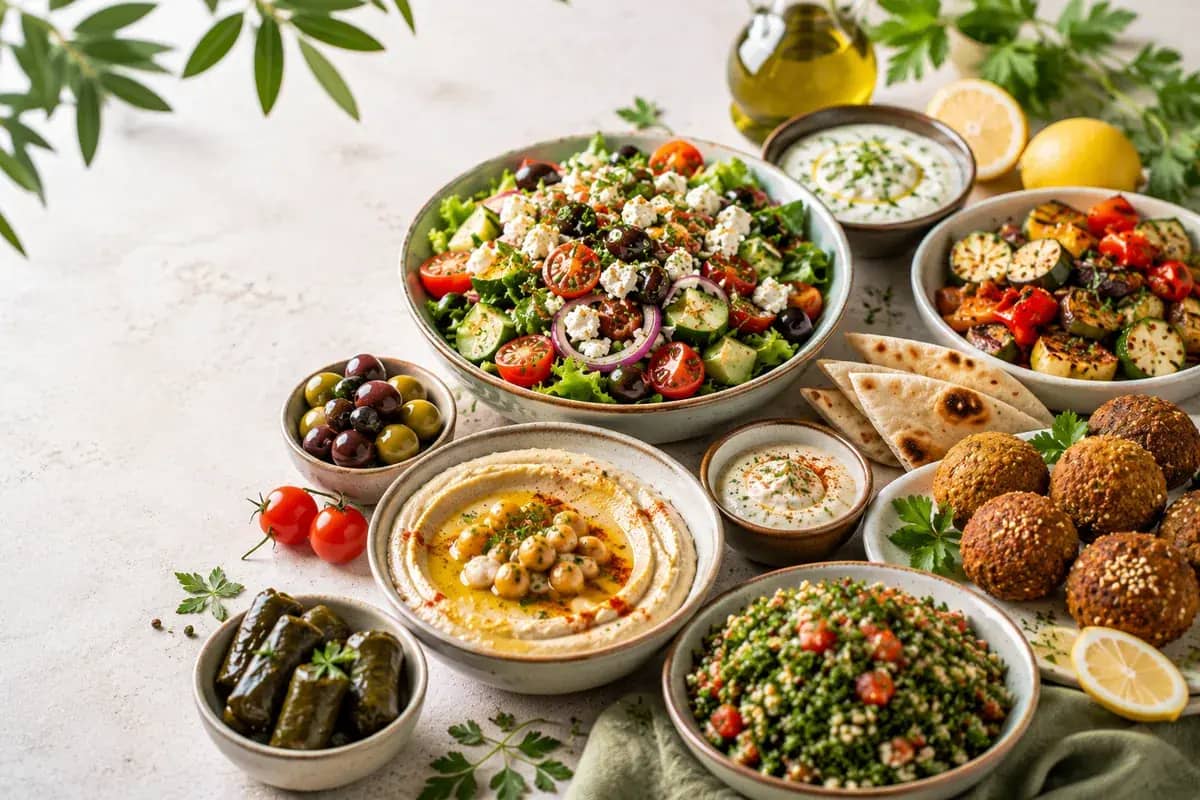
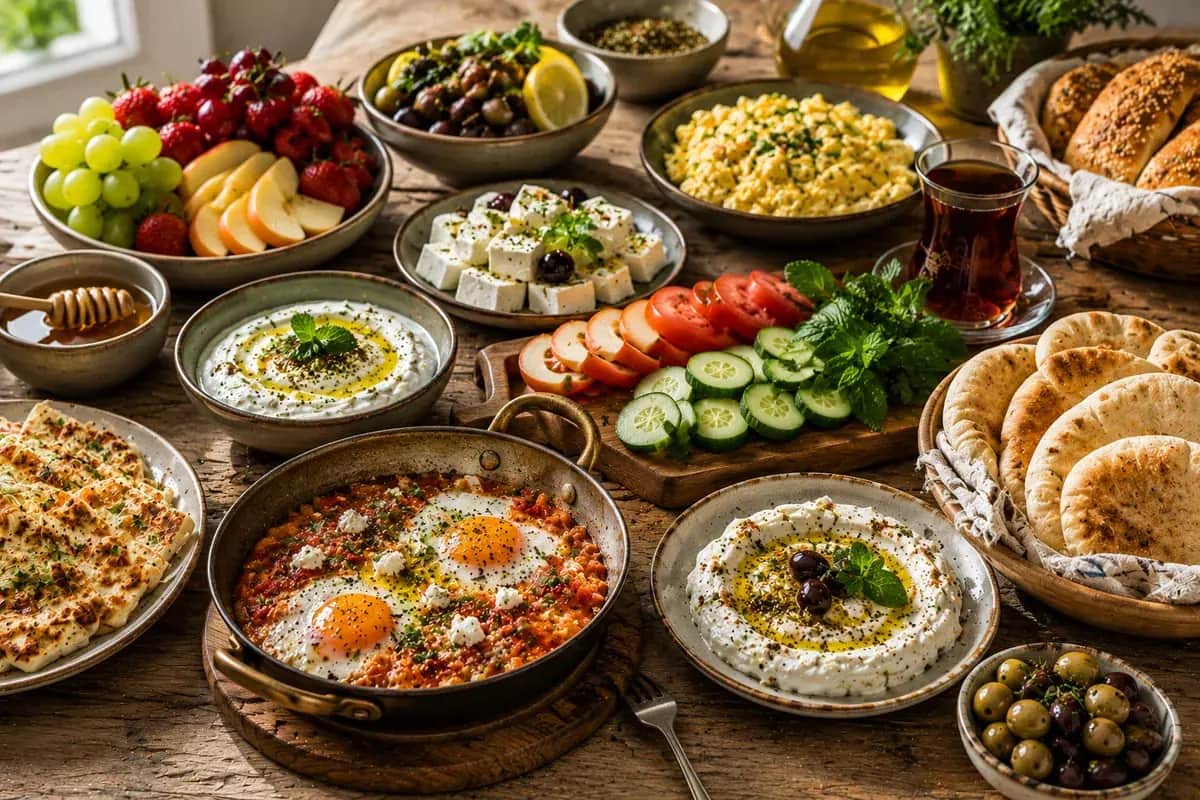
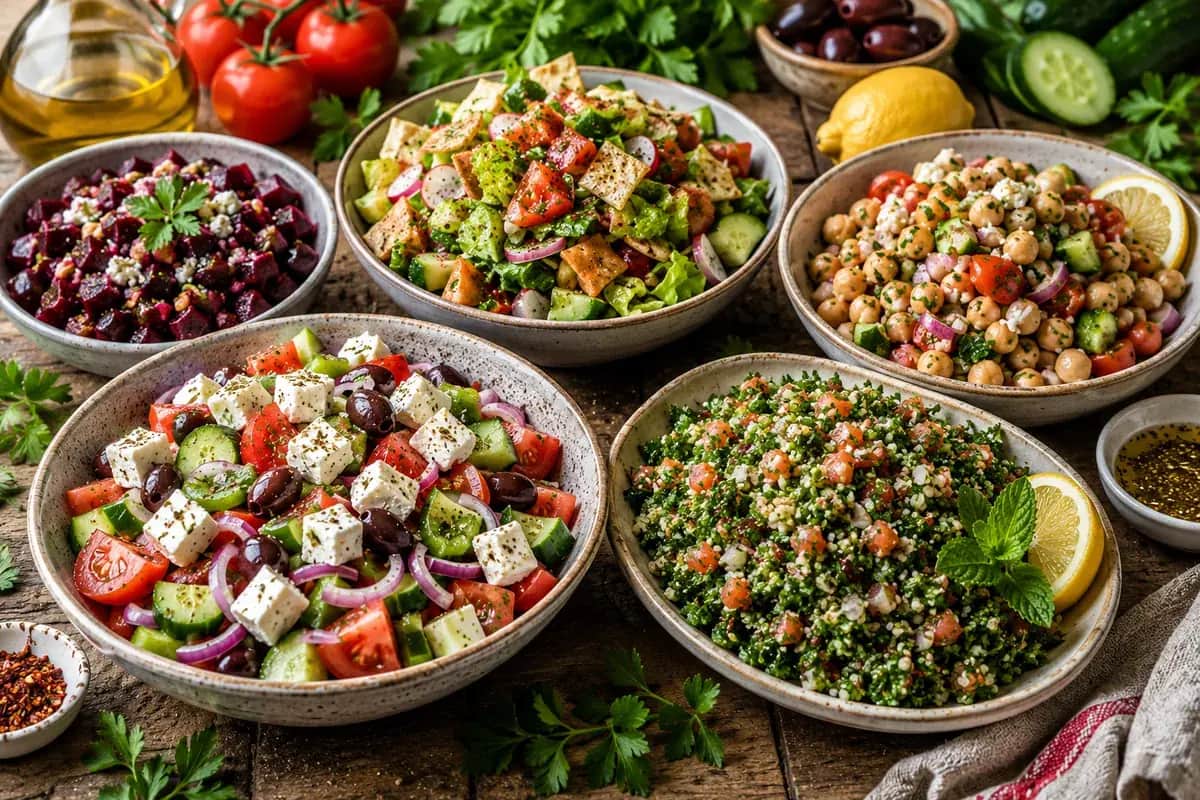
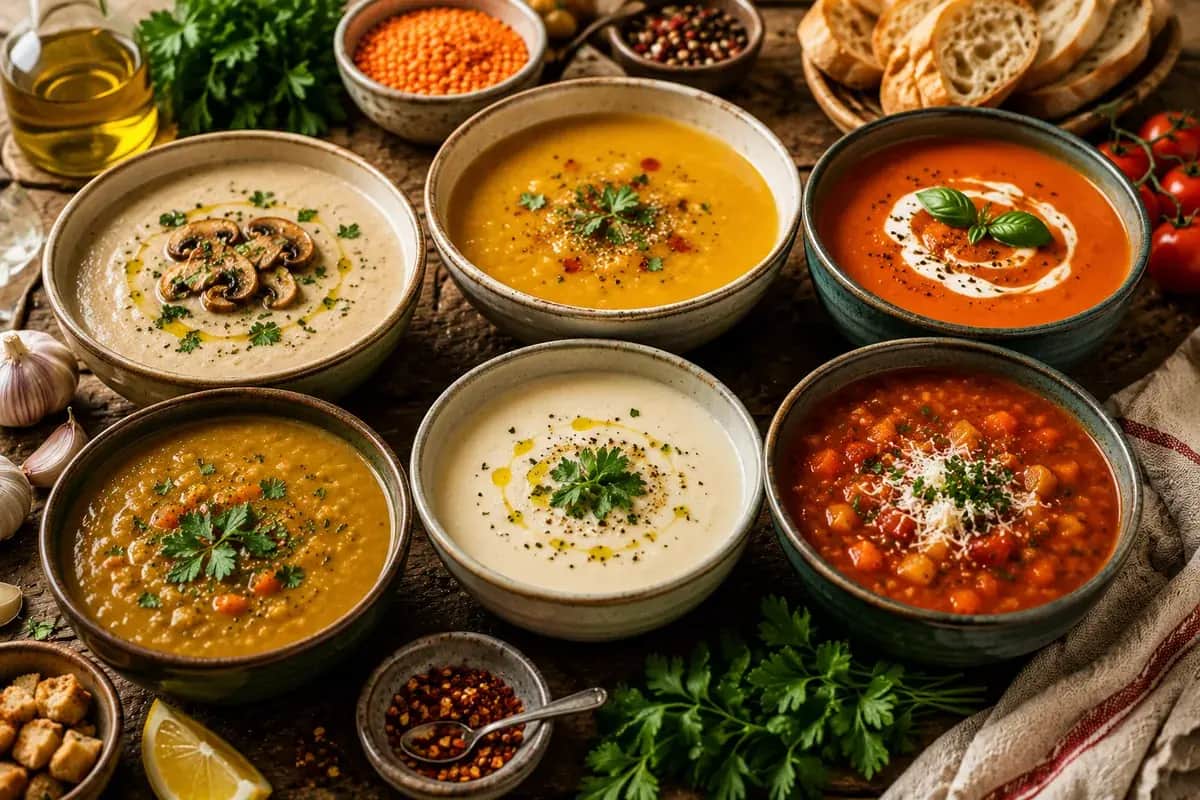
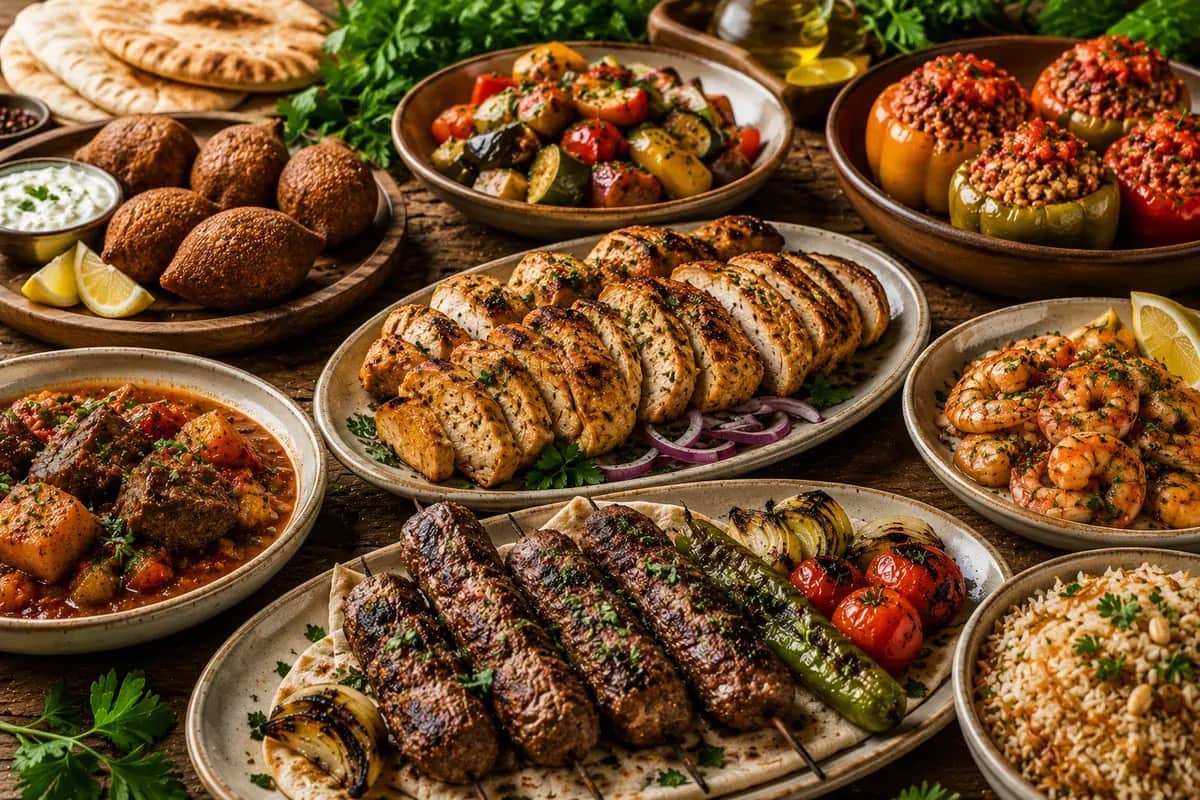
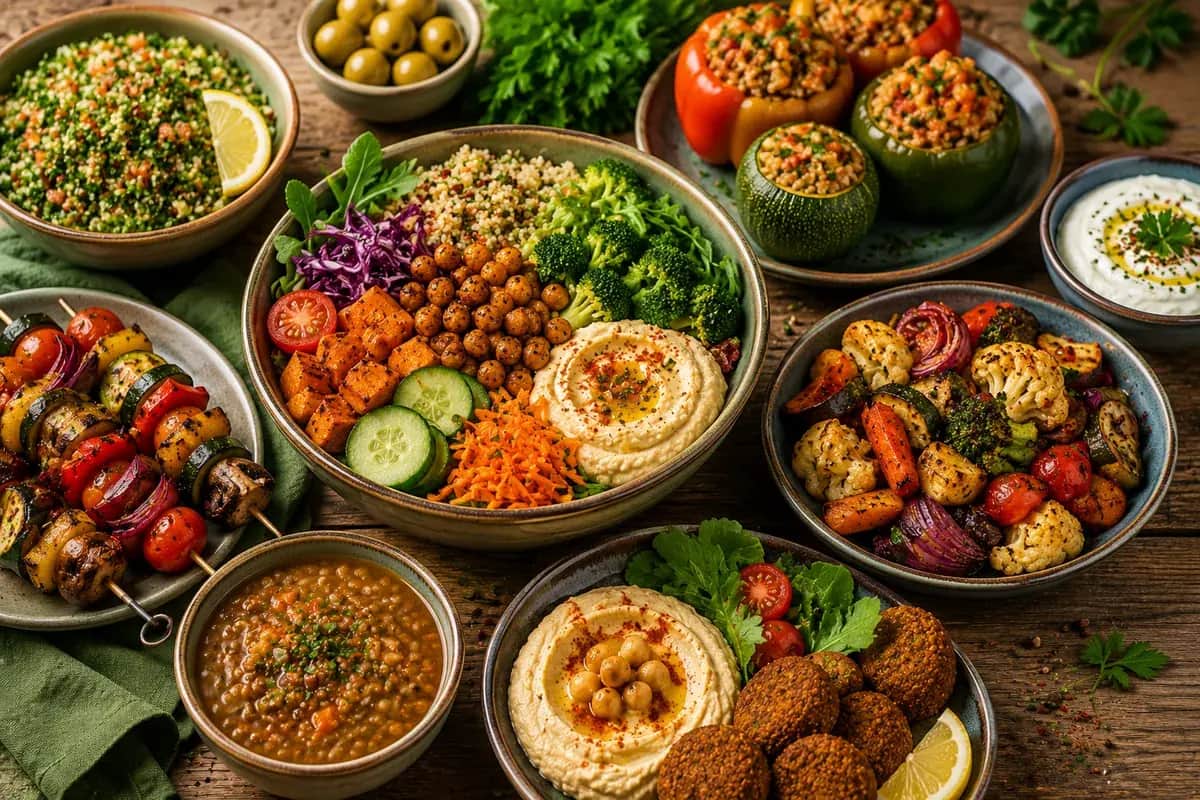
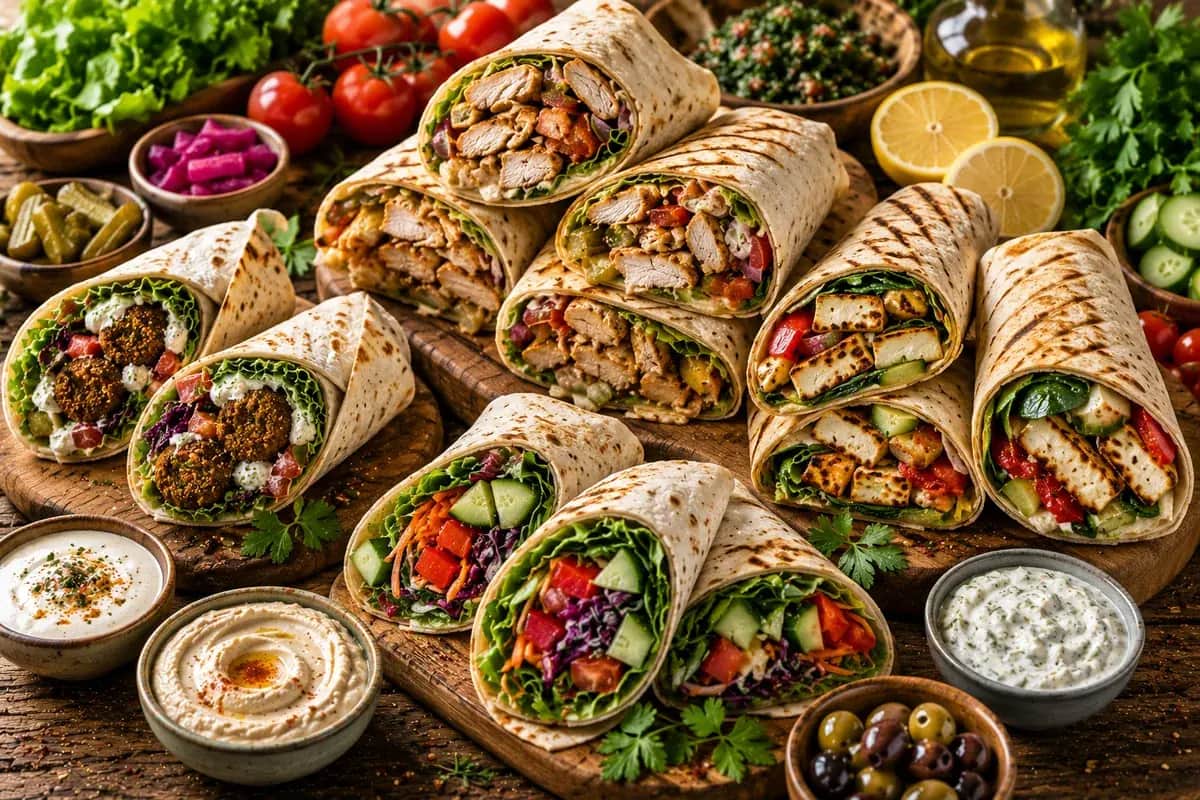
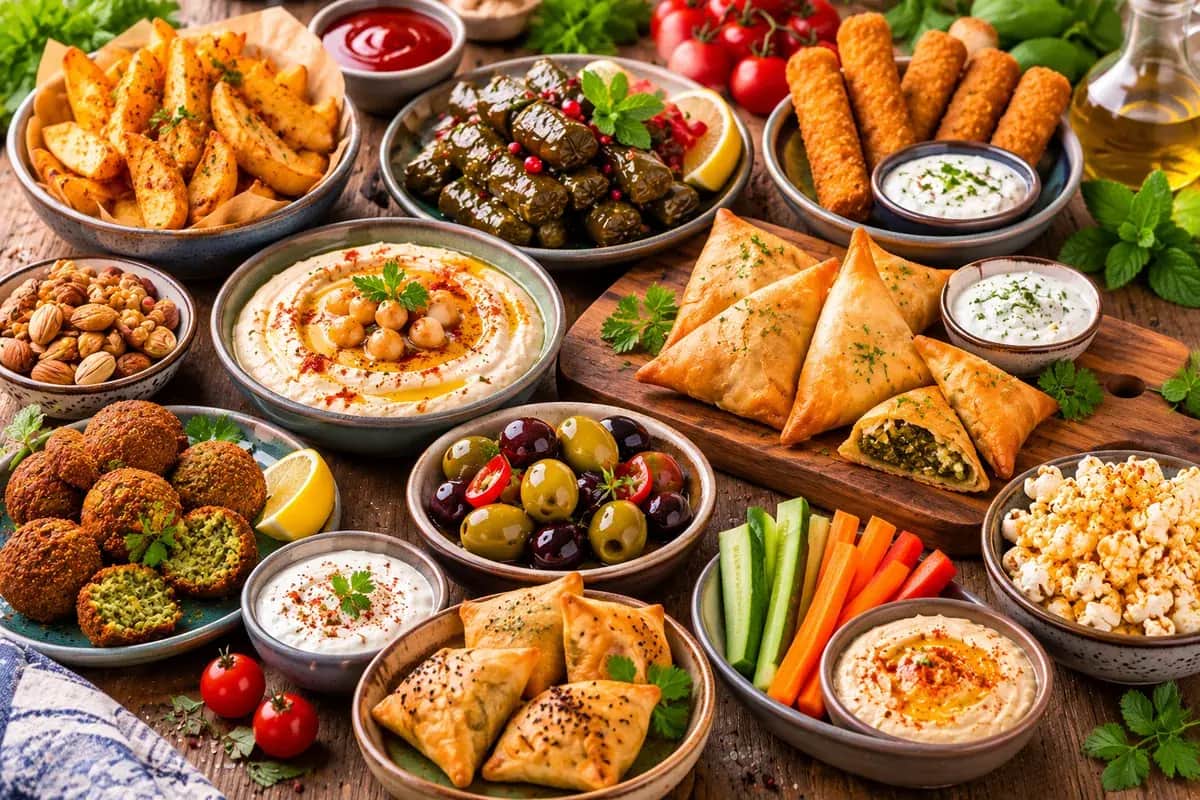
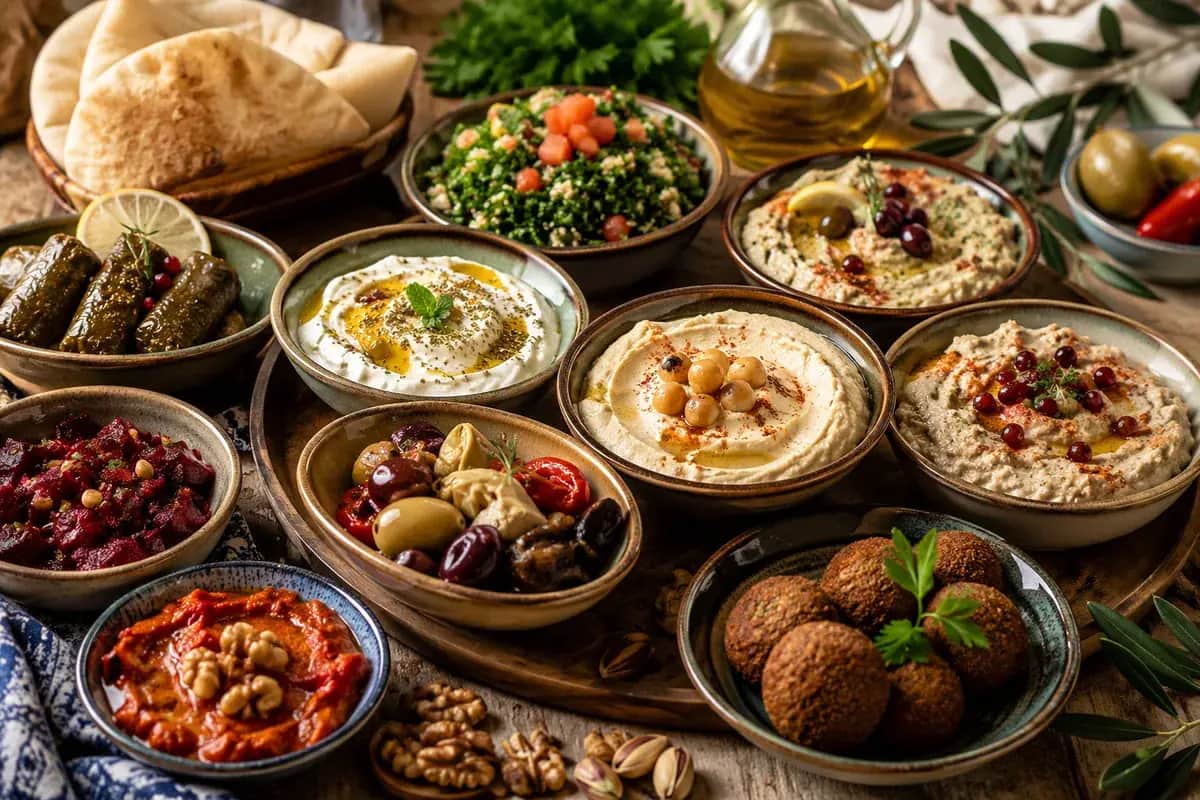
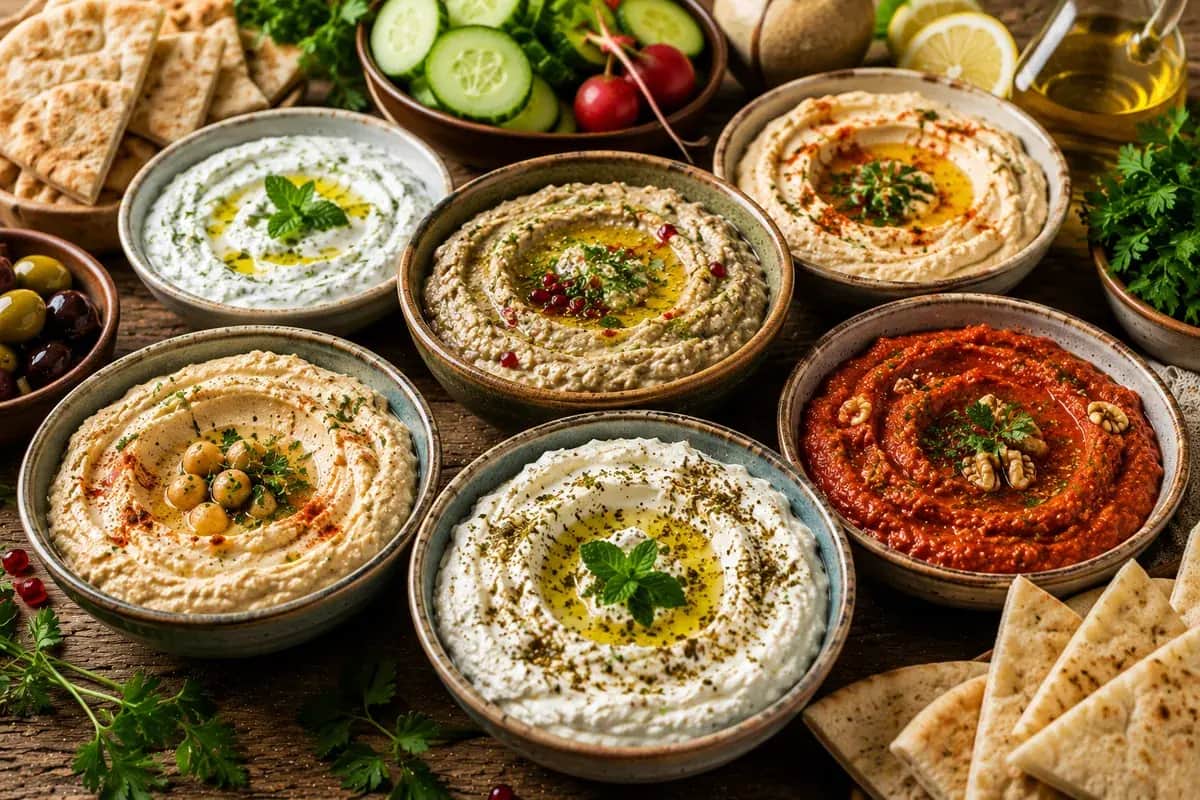
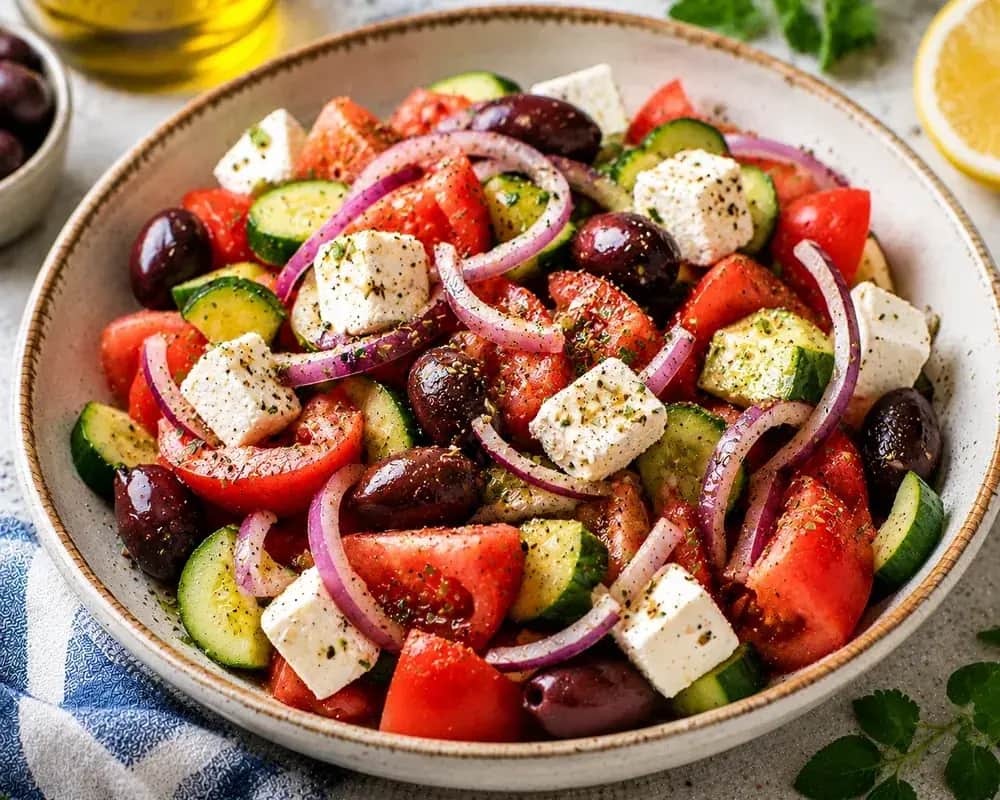
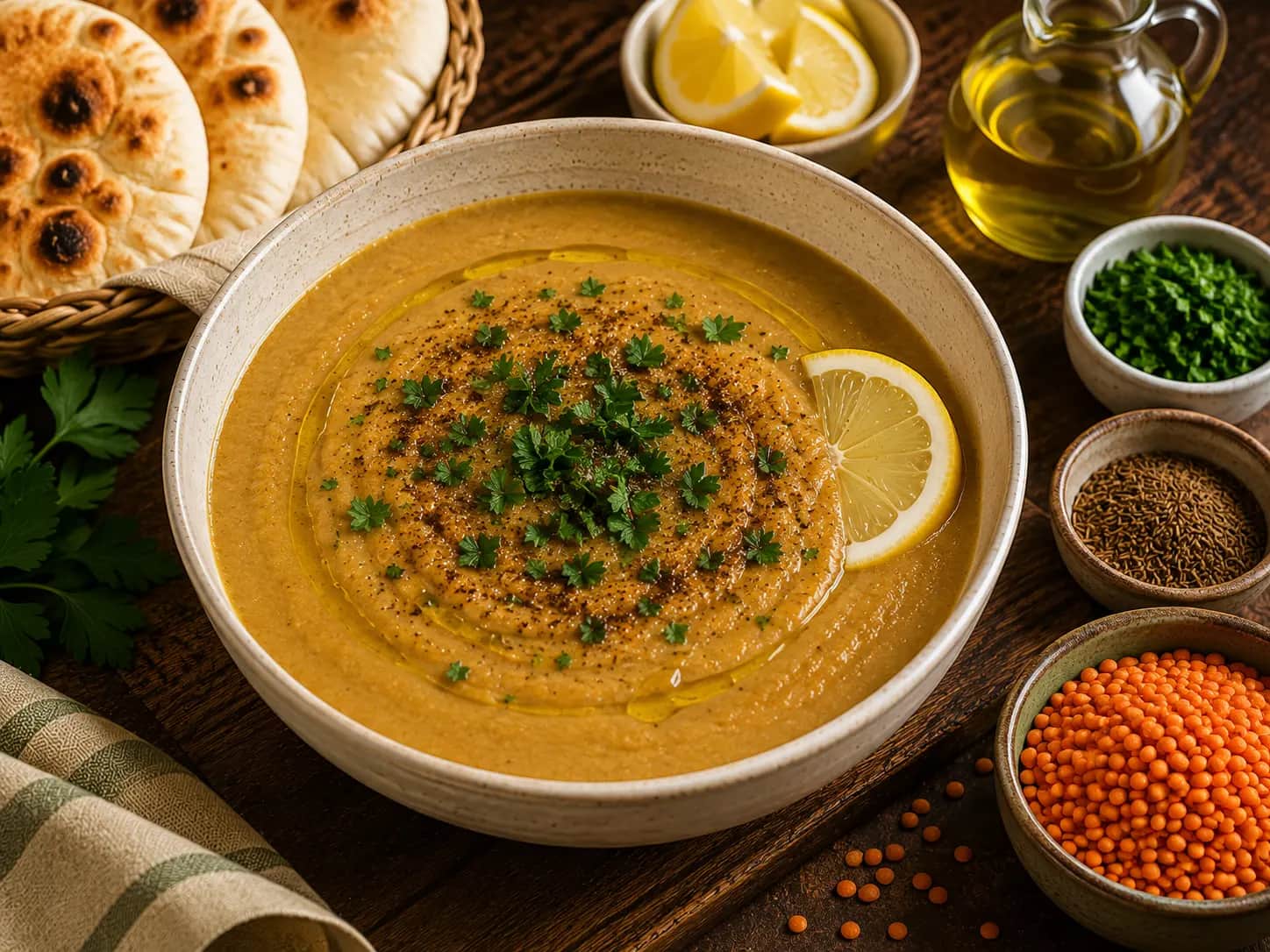
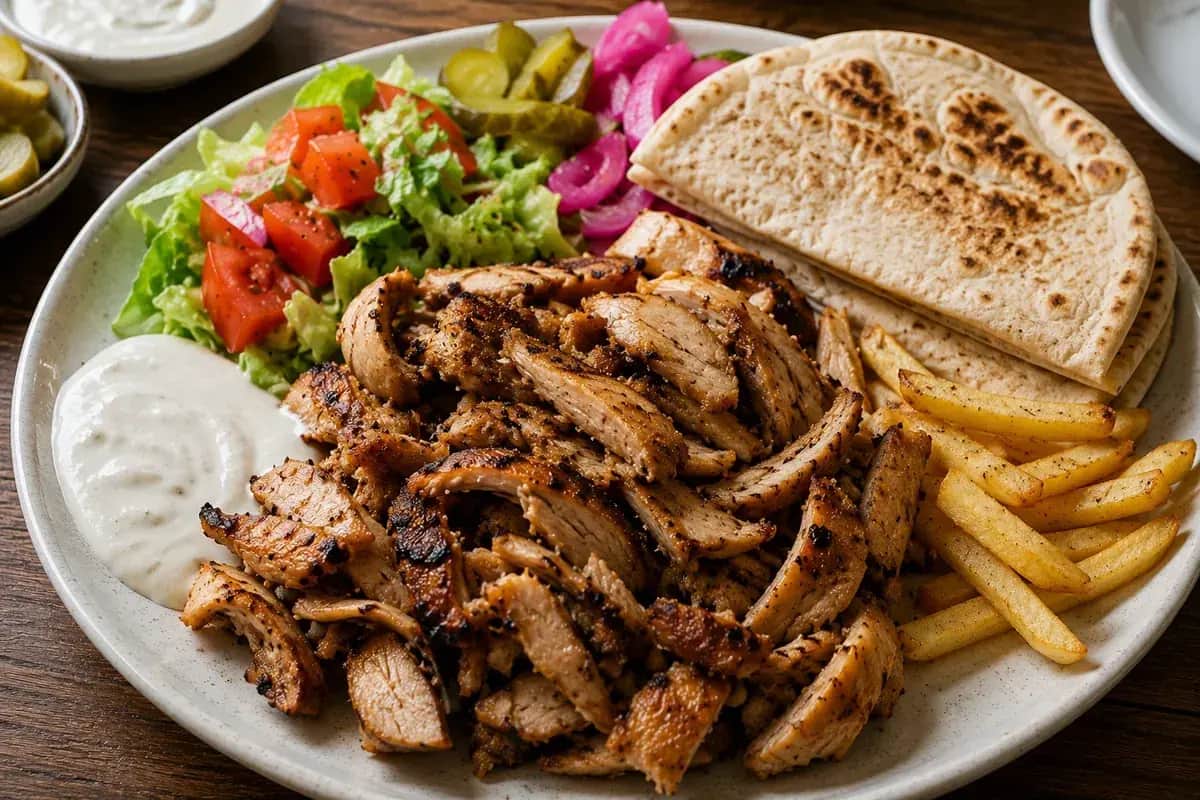
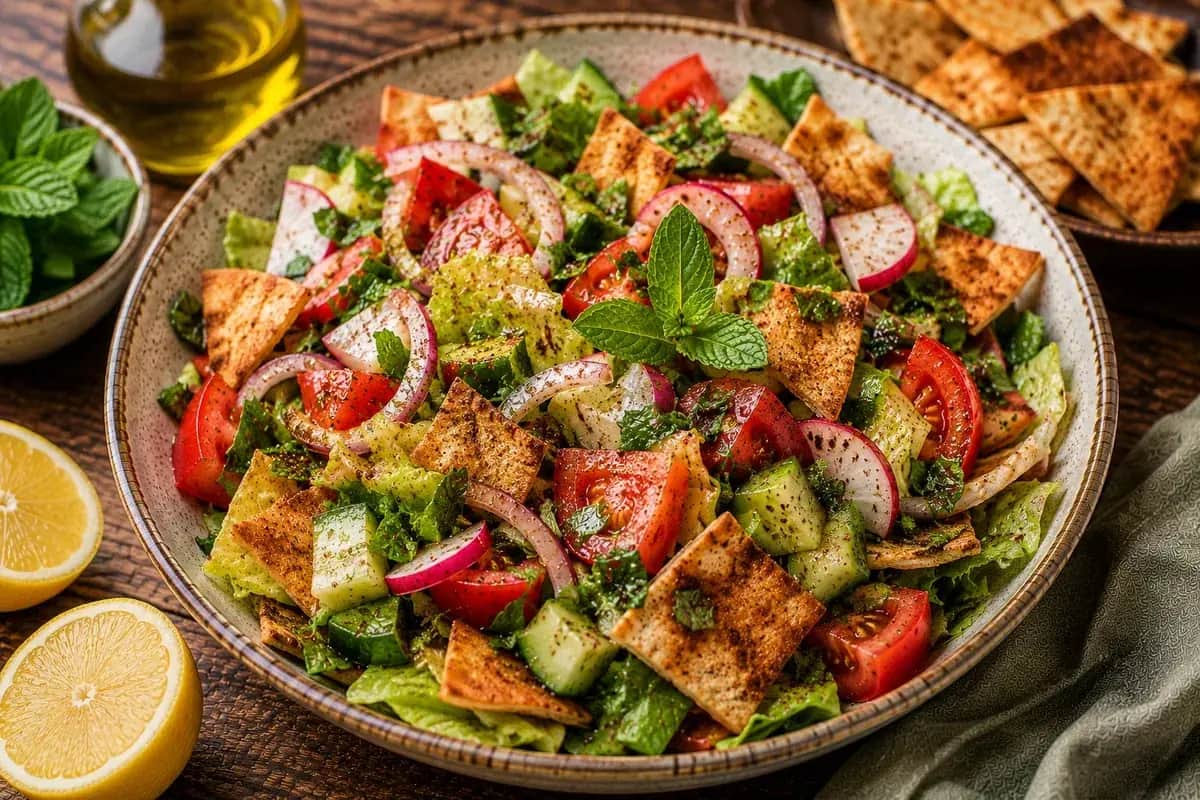
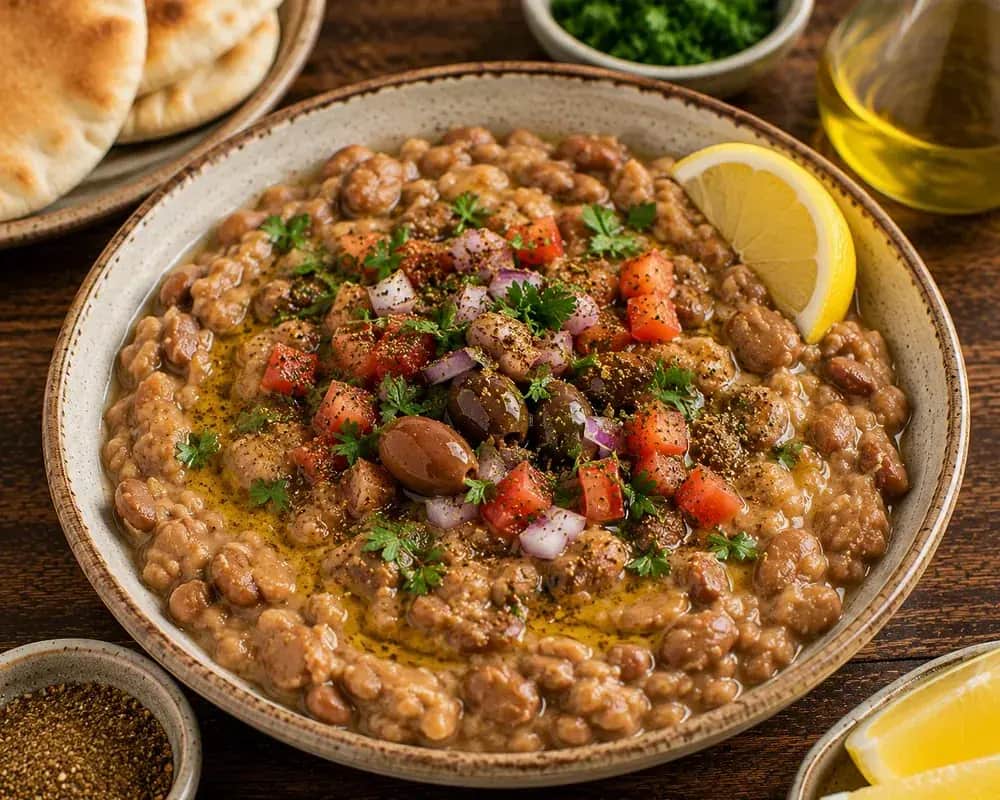
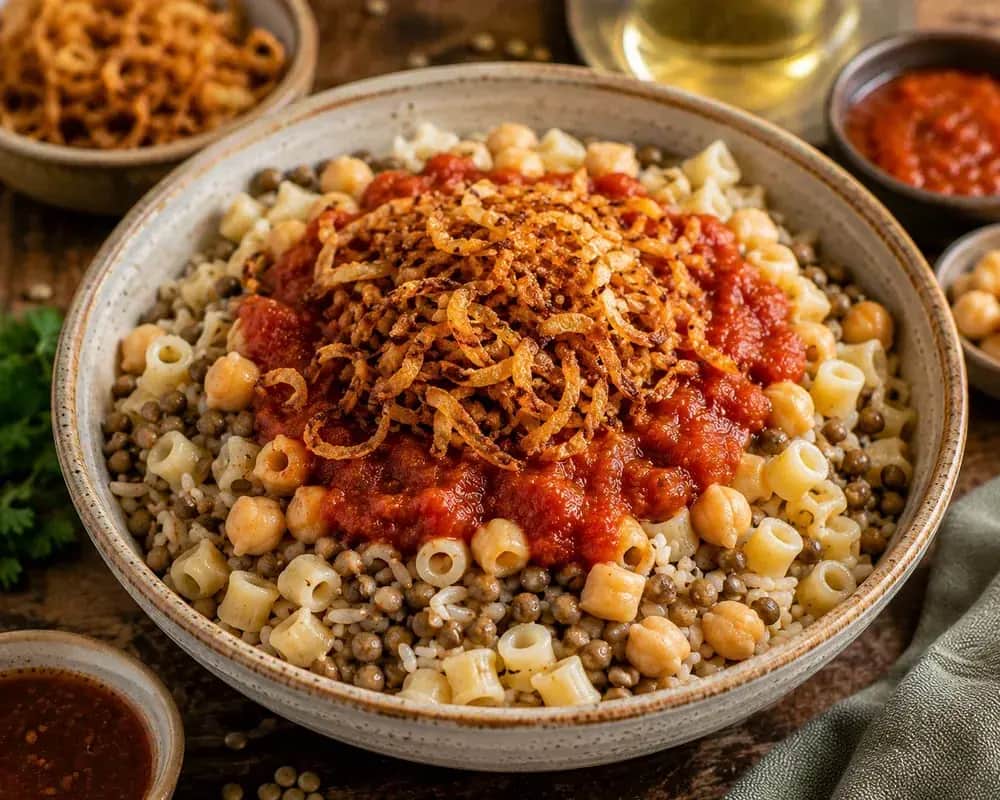
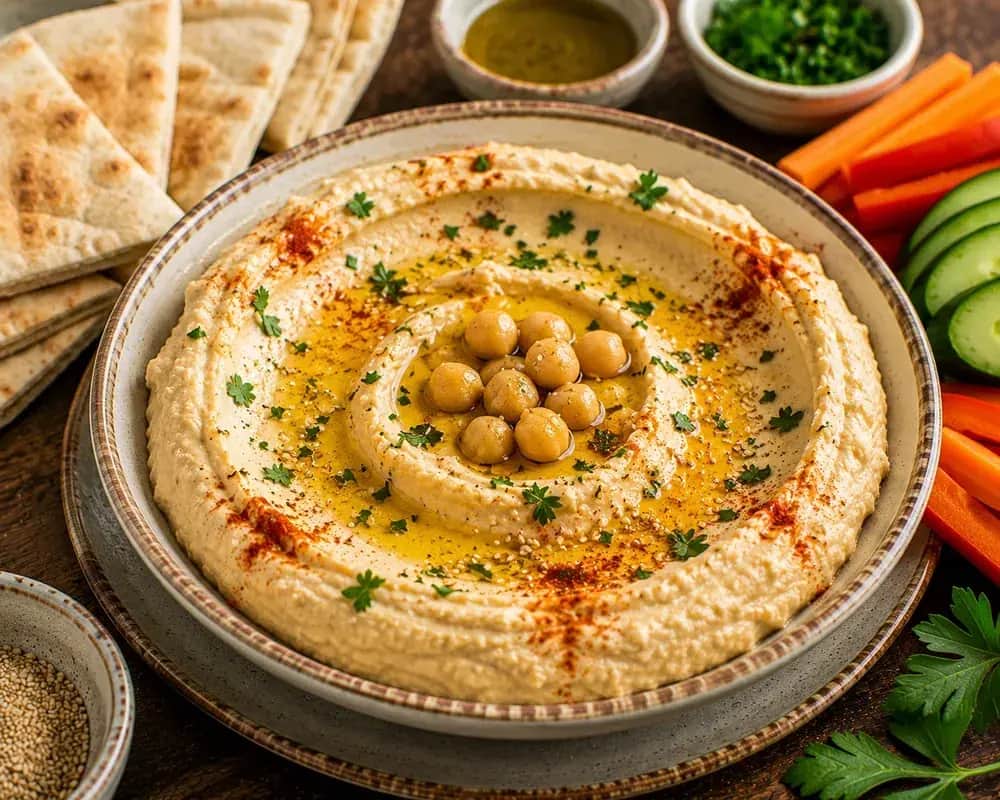
Imagine a table somewhere along the Mediterranean. There are tomatoes, cucumbers and herbs on the table, warm bread nearby, olive oil ready for dipping, perhaps hummus, lentils, grilled vegetables or fish. Nobody is treating food as an afterthought. Someone is reaching for the olives. Someone is telling a story. The meal is being shared.
This is an important part of what makes Mediterranean food special. It is not simply a list of ingredients. It is a broader pattern of eating, preparing and enjoying food.
UNESCO describes the Mediterranean diet as a collection of knowledge, skills, traditions and practices that reaches from cultivation and harvesting to cooking and, particularly, the sharing and consumption of food. Communal meals are an important part of the cultural tradition.
The word diet can therefore be a little misleading. The Mediterranean tradition is more than a list of foods to count. It is a way of living that connects food with seasonality, hospitality, community and enjoyment.
What actually makes it Mediterranean?
There is no single Mediterranean menu. Food traditions differ across Lebanon, Egypt, Greece, Italy, Morocco, Spain and many other communities. But many versions share a foundation built around vegetables, fruit, legumes, grains, nuts, seeds, olive oil, herbs and spices, alongside foods such as fish, dairy and poultry in varying amounts.
What kind of food pattern can I enjoy often enough to become part of my life?
What kind of food pattern can I enjoy often enough to become part of my life?
Why has science become so interested?
The Mediterranean dietary pattern has been studied for decades. Researchers have examined its relationship with cardiovascular disease, type 2 diabetes, mortality, metabolic health and other outcomes.
One of the most important pieces of evidence is the PREDIMED trial. In the corrected and republished analysis, 7,447 adults between 55 and 80 years old who were at high cardiovascular risk were assigned to a Mediterranean diet supplemented with extra-virgin olive oil, a Mediterranean diet supplemented with mixed nuts, or a control diet. The Mediterranean-diet groups experienced fewer major cardiovascular events than the control group.
That does not mean olive oil or Mediterranean food is a magic medicine. The more useful lesson is that a whole dietary pattern can matter. Foods interact with one another, and eating habits are built from what people consume repeatedly over time.
Four reasons the pattern is so compelling
It may also support metabolic health
Research into type 2 diabetes is another important area. A 2025 updated systematic review and dose-response meta-analysis included 24 prospective cohort studies and one randomized trial, representing 991,878 participants and 68,325 cases of type 2 diabetes. Greater adherence to the Mediterranean diet was associated with a lower risk of developing type 2 diabetes, with moderate certainty of evidence.
This should not be interpreted as a promise that Mediterranean food prevents diabetes. Genetics, physical activity, body composition, access to food, medications and many other factors influence health. The evidence instead supports the broader idea that a Mediterranean-style dietary pattern can be a useful part of a healthy lifestyle.
The colorful plate is doing more than looking beautiful
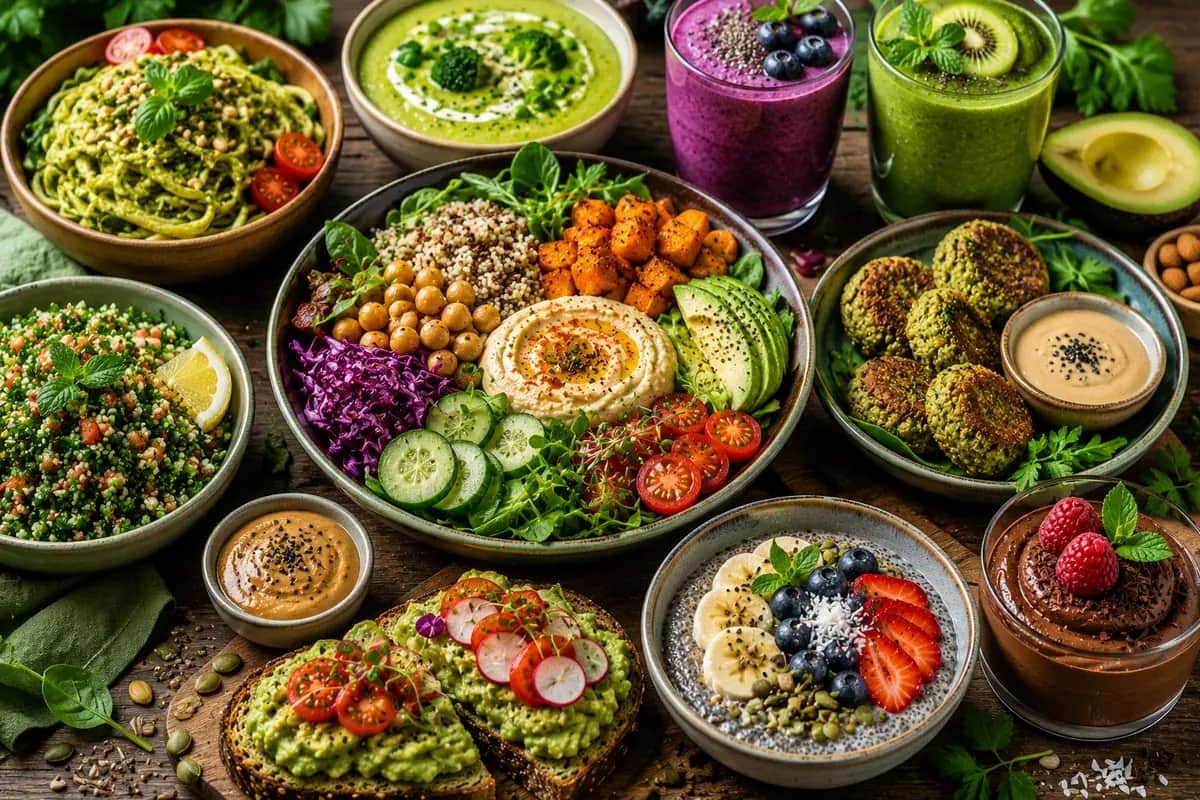
Look at a Mediterranean-inspired table and you will often see an extraordinary range of colors: red tomatoes, green parsley, purple onions, golden olive oil, orange vegetables, dark leafy greens, creamy chickpeas and brown lentils.
That variety is meaningful. Vegetables, fruit, legumes, whole grains, nuts and seeds provide different nutrients and bioactive compounds. Rather than chasing a single superfood, Mediterranean cooking encourages variety and regular consumption of minimally processed foods.
Perhaps the most underrated ingredient is togetherness
This may be the part of the Mediterranean tradition that gets lost most easily when the conversation becomes purely nutritional.
UNESCO's recognition of the Mediterranean diet is not based only on what people eat. It includes hospitality, communal meals, social interaction, seasonal rhythms and the transmission of culinary knowledge from one generation to the next.
Think about that for a moment. A healthy meal can be a table. A conversation. A family recipe. A bowl placed in the middle for everyone to share. Someone showing the next generation how much garlic is enough.
That cultural side is difficult to measure in a laboratory, but it is part of what the Mediterranean tradition actually is.
The Mediterranean lesson isn't eat perfectly
You do not need to transform your entire kitchen overnight.
Add another vegetable to dinner. Try beans or lentils more often. Replace some highly processed foods with whole-food alternatives. Use herbs, garlic, lemon and spices to make simple ingredients exciting. Choose nuts or fruit more often when they fit your needs. Enjoy fish when it suits your diet.
And whenever possible, sit down and enjoy the food instead of treating eating as another task to complete.
What the research really tells us
The evidence does not say that Mediterranean food is a miracle cure. It tells us something much more useful: Mediterranean dietary patterns are associated with favorable health outcomes across several important areas, while randomized trial evidence provides particularly strong support for cardiovascular benefits in certain high-risk populations.
The strongest evidence is not about one miraculous ingredient. It is about a pattern: more plant foods, healthy unsaturated fats, legumes, whole grains, nuts and seeds, alongside traditional foods and enjoyable meals.
And this is where Healthy Mezze comes in
At Healthy Mezze, we believe healthy food should not feel like punishment. It should be colorful, comforting, a little exciting, and—most importantly—something you actually want to eat again tomorrow.
That is why our recipes draw inspiration from the rich food traditions of the Mediterranean and Middle East while focusing on practical, nutritious cooking.
Healthy eating does not have to mean giving up the pleasure of food. Sometimes it simply means rediscovering it.
Explore the research
We encourage you to read the original sources and explore the evidence for yourself.
Health information note: This article is for general educational purposes and is not medical advice. The research discussed describes dietary patterns and population evidence; individual health outcomes vary. People with medical conditions or specific dietary requirements should discuss major dietary changes with an appropriately qualified healthcare professional.