
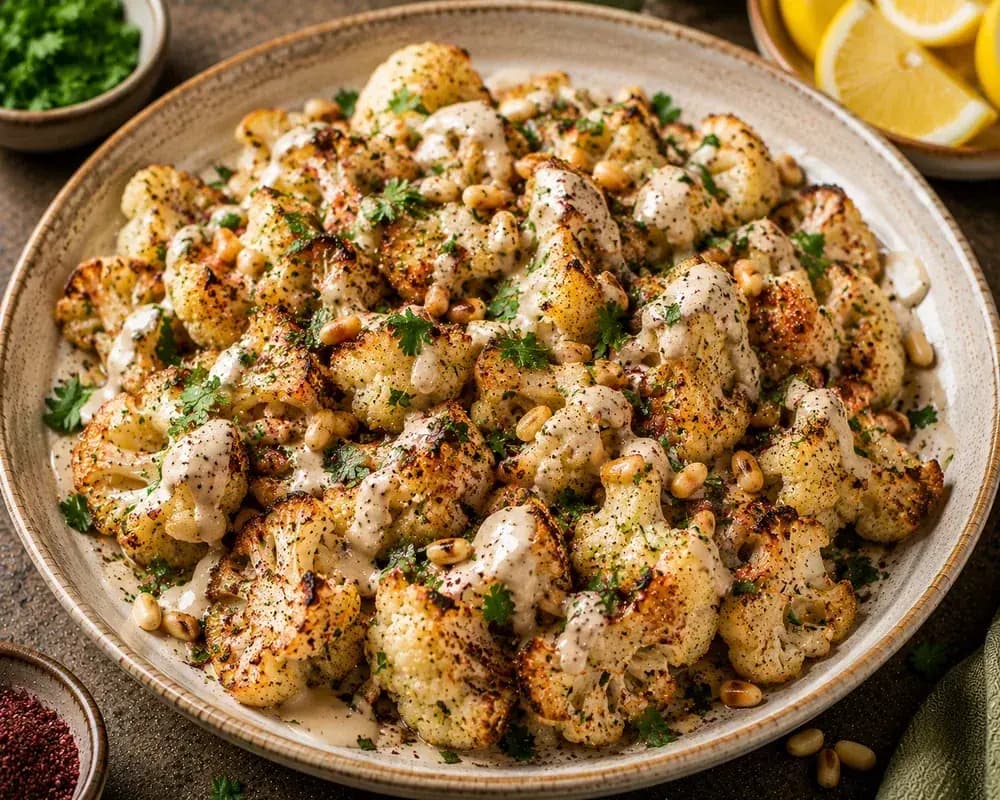
قرنبيط مشوي مع صلصة الطحينة
قرنبيط طري ومحمّر في الفرن، يغطى بصلصة طحينة كريمية مع الصنوبر المحمص والبقدونس وعصير الليمون، ليقدم طبقًا لبنانيًا بسيطًا وغنيًا بنكهة البحر المتوسط.
وقت التحضير
15 mins
وقت الطهي
30 mins
الوقت الإجمالي
45 mins
عدد الحصص
4
نكهة من التراث
القصة وراء هذه الوصفة
يجمع هذا الطبق بين القرنبيط المشوي والطحينة، وهما من المكونات المحبوبة في مطابخ بلاد الشام. وعلى الرغم من بساطة مكوناته، فإن التحميص والطحينة والليمون والصنوبر يحولون القرنبيط إلى طبق غني بالنكهة يمكن تقديمه كمقبلات أو طبق جانبي ضمن مائدة المزة.
السياق الثقافي والطهي
ينتمي هذا الأسلوب في تقديم القرنبيط إلى تقاليد المطبخ اللبناني وبلاد الشام، حيث تُستخدم الخضروات الموسمية بطرق متعددة ضمن أطباق المزة. وتُعد الطحينة عنصرًا أساسيًا في عدد كبير من الوصفات الشامية، بينما يُستخدم القرنبيط في أطباق مقلية ومشوية ومطهوة مع الصلصات. ويعكس هذا الطبق النهج اللبناني في تحويل مكونات يومية إلى طعام غني ومتوازن.
ما الذي يجعلها متوسطية او عربيه ؟
تعتمد الوصفة على مكونات مرتبطة بقوة بمطبخ البحر المتوسط وشرق المتوسط: الخضروات، زيت الزيتون البكر الممتاز، الطحينة المصنوعة من السمسم، الليمون، الأعشاب الطازجة والمكسرات. ويعطي الجمع بينها طبقًا نباتيًا غنيًا بالنكهة دون الحاجة إلى مكونات ثقيلة.
شو اللي صار ؟
- 🌿استخدام القرنبيط والخضروات كمكوّن رئيسي.
- 🌿استخدام زيت الزيتون البكر الممتاز كمصدر أساسي للدهون.
- 🌿الطحينة المصنوعة من السمسم، وهي من المكونات التقليدية في بلاد الشام.
- 🌿الليمون الطازج الذي يضيف الحموضة والتوازن.
- 🌿الأعشاب الطازجة مثل البقدونس.
- 🌿المكسرات مثل الصنوبر لإضافة القرمشة والنكهة.
- 🌿تقديم الطبق ضمن أسلوب المزة المتنوع الشائع في المطبخ اللبناني.
المكونات
- 1 رأس متوسط قرنبيط (يُغسل جيدًا ويُقطع إلى زهرات متقاربة الحجم حتى تنضج بالتساوي.)
- 2 ملعقة كبيرة زيت زيتون بكر ممتاز (يكفي لتغليف زهرات القرنبيط بطبقة خفيفة دون إغراقها بالزيت.)
- 0.5 ملعقة صغيرة ملح بحري (يمكن تعديل الكمية بعد التذوق.)
- 0.5 ملعقة صغيرة فلفل أسود (يفضل استخدام الفلفل الأسود المطحون حديثًا.)
- 1 ملعقة صغيرة كمون مطحون (يضيف نكهة دافئة تتناسب جيدًا مع القرنبيط والطحينة.)
- 0.33 كوب طحينة (تُحرّك جيدًا قبل القياس لأن الزيت قد ينفصل أثناء التخزين.)
- 2 ملعقة كبيرة عصير ليمون طازج (أضفه تدريجيًا واضبط الحموضة حسب مذاق الطحينة.)
- 1 فص ثوم (مفروم ناعمًا أو مهروسًا.)
- 3 ملعقة كبيرة ماء (أضف المزيد تدريجيًا حتى تصل صلصة الطحينة إلى القوام القابل للسكب.)
- 2 ملعقة كبيرة بقدونس طازج (مفروم ناعمًا للتزيين وإضافة نكهة عشبية منعشة.)
- 2 ملعقة كبيرة صنوبر محمص (يُحمص حتى يصبح ذهبيًا مع مراقبته جيدًا لأنه يحترق بسرعة.)
- 1 ملعقة صغيرة بابريكا (تُستخدم للتزيين وإضافة لون ونكهة خفيفة.)
- 1 شرائح ليمون (للتقديم والعصر فوق القرنبيط حسب الرغبة.)
طريقة التحضير
- 1
سخّن الفرن مسبقًا إلى 220 درجة مئوية (425 درجة فهرنهايت). ضع رف الفرن في المنتصف واترك الصينية تسخن قليلًا إذا رغبت في الحصول على تحمير أقوى.
- 2
قطّع القرنبيط إلى زهرات متقاربة الحجم، ثم جففها جيدًا بعد غسلها. يساعد تجفيف القرنبيط على تحميره بدلًا من تبخيره داخل الفرن.
- 3
ضع زهرات القرنبيط في وعاء كبير وأضف زيت الزيتون والملح والفلفل الأسود والكمون. قلّب جيدًا حتى تغطي التوابل والزيت معظم الأسطح دون تجمع كمية كبيرة من الزيت في قاع الوعاء.
- 4
وزّع القرنبيط في طبقة واحدة على صينية خبز واسعة. اترك مسافة صغيرة بين الزهرات قدر الإمكان؛ ازدحام الصينية يحبس البخار ويقلل من التحمير.
- 5
اشوِ القرنبيط لمدة 25–30 دقيقة، مع تقليب الزهرات في منتصف وقت الطهي، حتى تصبح الحواف ذهبية ومحمصة ويصبح الجزء الداخلي طريًا عند إدخال طرف سكين.
- 6
أثناء تحميص القرنبيط، حضّر صلصة الطحينة. اخفق الطحينة مع عصير الليمون والثوم. قد تبدو الطحينة أكثر سماكة في البداية أو قد تتكتل قليلًا عند إضافة الليمون؛ هذا طبيعي.
- 7
أضف الماء تدريجيًا مع الخفق المستمر حتى تصبح الصلصة ناعمة وكريمية وقابلة للسكب. إذا أصبحت سميكة جدًا، أضف الماء بملعقة صغيرة أو ملعقة كبيرة في كل مرة بدل إضافة كمية كبيرة دفعة واحدة.
- 8
تذوق صلصة الطحينة واضبط التوازن. إذا كانت قوية أو ثقيلة، يمكن إضافة قليل من الماء أو الليمون حسب الحاجة. الهدف هو صلصة كريمية منعشة تكمل حلاوة القرنبيط المحمص دون أن تغطي عليها.
- 9
انقل القرنبيط المشوي إلى طبق تقديم واسع، ثم اسكب فوقه صلصة الطحينة بشكل متناسق. لا تحتاج إلى تغطية كل قطعة؛ ترك بعض الأجزاء المحمصة ظاهرة يحافظ على القوام والنكهة.
- 10
زيّن الطبق بالبقدونس المفروم والصنوبر المحمص ورشة البابريكا، وقدمه مباشرة مع شرائح الليمون. اعصر الليمون فوق القرنبيط عند التقديم للحصول على لمسة حمضية منعشة.
جهّز نفسك لنجاح الوصفة
قبل أن تبدأ الطهي
👨🍳 ملاحظات
- •قطّع القرنبيط إلى زهرات متقاربة الحجم حتى تنضج في الوقت نفسه.
- •جفف القرنبيط جيدًا بعد غسله حتى يتحمر في الفرن بدل أن يطلق الماء ويتبخر.
- •حرّك الطحينة جيدًا قبل استخدامها لأن الزيت قد ينفصل في العبوة.
- •حضّر صينية واسعة بحيث يمكن توزيع القرنبيط في طبقة واحدة.
- •إذا كنت ستستخدم الصنوبر، حمّصه مسبقًا واتركه جانبًا حتى لا ينشغل انتباهك عنه أثناء تحضير الصلصة.
💡 نصائح مفيدة
- •لا تزدحم الصينية بالقرنبيط؛ المساحة بين الزهرات تساعد على الحصول على حواف محمصة.
- •إذا كان القرنبيط يكتسب لونًا بسرعة شديدة قبل أن يطرى من الداخل، خفّض الحرارة قليلًا واستمر في الطهي.
- •صلصة الطحينة تتكاثف عند مزجها بالليمون في البداية، ثم تصبح كريمية مع إضافة الماء تدريجيًا.
- •أضف الماء إلى الطحينة تدريجيًا لأن كمية الماء المطلوبة تختلف حسب نوع الطحينة وكثافتها.
- •حمّص الصنوبر بحذر لأنه ينتقل من الذهبي إلى المحروق بسرعة.
- •لأفضل قوام، أضف صلصة الطحينة والطبقة النهائية قبل التقديم مباشرة.
👀 كيف تعرف أنها جاهزة؟
- ✓يكون القرنبيط جاهزًا عندما يصبح طريًا من الداخل مع ظهور تحمير واضح على الحواف.
- ✓لا تعتمد على الوقت وحده؛ حجم الزهرات ونوع الفرن يمكن أن يغيرا مدة الطهي.
- ✓إذا كانت الزهرات كبيرة، قد تحتاج إلى بضع دقائق إضافية.
- ✓إذا كانت الزهرات صغيرة جدًا، راقبها مبكرًا حتى لا تجف أو تحترق.
ظبتها
اجعل هذه الوصفة مناسبة لك
عدّل الوصفة بما يناسب المكونات المتوفرة لديك واحتياجاتك الغذائية وميزانيتك ووقتك وعدد الأشخاص وخطط تحضير الوجبات.
🔄 بدائل المكونات
بديل الصنوبر
إذا لم يتوفر الصنوبر، يمكن استخدام اللوز المفروم أو الجوز المفروم للحصول على قرمشة مشابهة.
صلصة طحينة أخف
أضف الماء تدريجيًا إلى الطحينة حتى تصل إلى القوام الذي يناسب طريقة التقديم.
في حال عدم توفر البقدونس الطازج
يمكن تقديم الطبق دون البقدونس، لكن إضافته في النهاية تمنح الطبق انتعاشًا ولونًا أفضل.
🌱 التعديلات الغذائية
نباتي
الوصفة نباتية بطبيعتها ولا تحتاج إلى تعديل لتناسب النظام النباتي.
خالية من الغلوتين
المكونات الأساسية خالية طبيعيًا من الغلوتين، مع ضرورة التحقق من ملصقات المنتجات المعلبة إذا كان تجنب الغلوتين صارمًا.
💰 خيارات اقتصادية
نسخة اقتصادية
يمكن تقليل كمية الصنوبر أو استبداله بالمكسرات المتوفرة لديك دون التأثير على أساس الوصفة.
⏱️ خيارات لتوفير الوقت
حضّر صلصة الطحينة مسبقًا
يمكن تحضير صلصة الطحينة قبل تقديم الطبق وحفظها مغطاة في الثلاجة، ثم تخفيفها بقليل من الماء إذا أصبحت أكثر سماكة.
إنقاذ الوصفة
🧩 ما الذي تحتاج إلى مساعدة فيه؟
اختر المشكلة التي تواجهها وسنقدم لك حلًا خاصًا بهذه الوصفة بدلًا من نصيحة عامة للطهي.
ماذا لو؟
🔄 ماذا لو...؟
اختر وضعك وسنوضح لك طريقة عملية تجعل هذه الوصفة مناسبة لاحتياجاتك.
التخزين والبقايا
🥡 التخزين وحفظ البقايا
احفظ القرنبيط المشوي المتبقي في وعاء محكم الإغلاق داخل الثلاجة.
يفضل حفظ صلصة الطحينة بشكل منفصل إذا كنت تخطط لتناول بقايا الطبق لاحقًا حتى لا يفقد القرنبيط قوامه بسرعة.
أخرج صلصة الطحينة من الثلاجة قبل التقديم وحركها جيدًا، ثم أضف قليلًا من الماء إذا أصبحت سميكة.
يُفضل استهلاك البقايا خلال 3 أيام للحصول على أفضل جودة.
أفضل مدة للحفظ
حتى 3 أيام في الثلاجة
طريقة التخزين
وعاء محكم الإغلاق
التقديم والمرافقة
🍽️ التقديم وما يناسبها
يقدم القرنبيط المشوي بالطحينة دافئًا أو في درجة حرارة الغرفة، ويفضل إضافة صلصة الطحينة والتزيين قبل التقديم مباشرة للحفاظ على أفضل قوام. يمكن تقديمه كطبق مزة أو كطبق جانبي نباتي ضمن وجبة متوسطية.
ما الذي يناسب هذه الوصفة؟
الأسئلة الشائعة حول الوصفة
❓ الأسئلة الأكثر شيوعًا
هل يمكن تحضير القرنبيط بالطحينة مسبقًا؟
نعم. يمكنك تحميص القرنبيط وتحضير صلصة الطحينة مسبقًا وحفظهما بشكل منفصل في الثلاجة. أعد تسخين القرنبيط في الفرن حتى يستعيد بعض التحمير، ثم أضف الصلصة والتزيين قبل التقديم.
لماذا لا يتحمر القرنبيط في الفرن؟
أكثر الأسباب شيوعًا هي وجود رطوبة زائدة، ازدحام الصينية، أو انخفاض حرارة الفرن. جفف القرنبيط جيدًا واترك مسافة بين الزهرات وتأكد من أن الفرن ساخن قبل إدخال الصينية.
لماذا أصبحت صلصة الطحينة سميكة عند إضافة الليمون؟
هذا تفاعل طبيعي عند خلط الطحينة مع الحمض. استمر في الخفق وأضف الماء تدريجيًا حتى تعود الصلصة إلى قوام ناعم وكريمي.
هل يمكن استخدام القرنبيط المجمد؟
يمكن استخدامه، لكن القرنبيط الطازج يعطي عادة تحميرًا وقوامًا أفضل. إذا استخدمت المجمد، تخلص من أكبر قدر ممكن من الرطوبة قبل التحميص وتجنب ازدحام الصينية.
هل هذا الطبق نباتي؟
نعم. المكونات الأساسية للطبق نباتية، ولا يحتاج إلى منتجات حيوانية.
هل يمكن تقديمه باردًا؟
يمكن تقديمه في درجة حرارة الغرفة أو باردًا، لكنه يكون أكثر إرضاءً عندما يحتفظ القرنبيط ببعض دفئه وتحميصه. أضف الطحينة والتزيين قبل التقديم مباشرة للحصول على أفضل نتيجة.
استكشف المزيد
تعمّق أكثر في المطبخ
تعرّف على المكونات والتقاليد وأساليب الطهي المرتبطة بهذه الوصفة.
قد يعجبك أيضًا
المزيد من الوصفات اللذيذة من قسم المقبلات
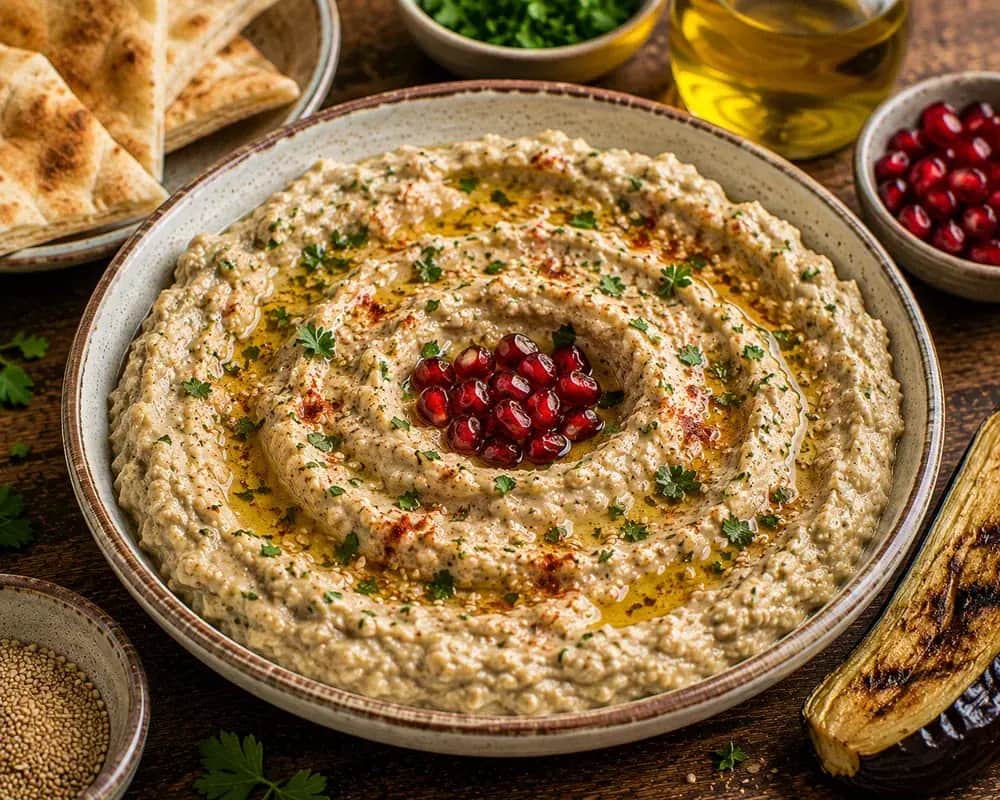
بابا غنوج الكلاسيكي
غموس كريمي ومدخن من الباذنجان المشوي، ممزوج بالطحينة والثوم وعصير الليمون الطازج وزيت الزيتون البكر الممتاز. من أشهر أطباق المزة المتوسطية، غني بالنكهة ومصنوع من مكونات نباتية.
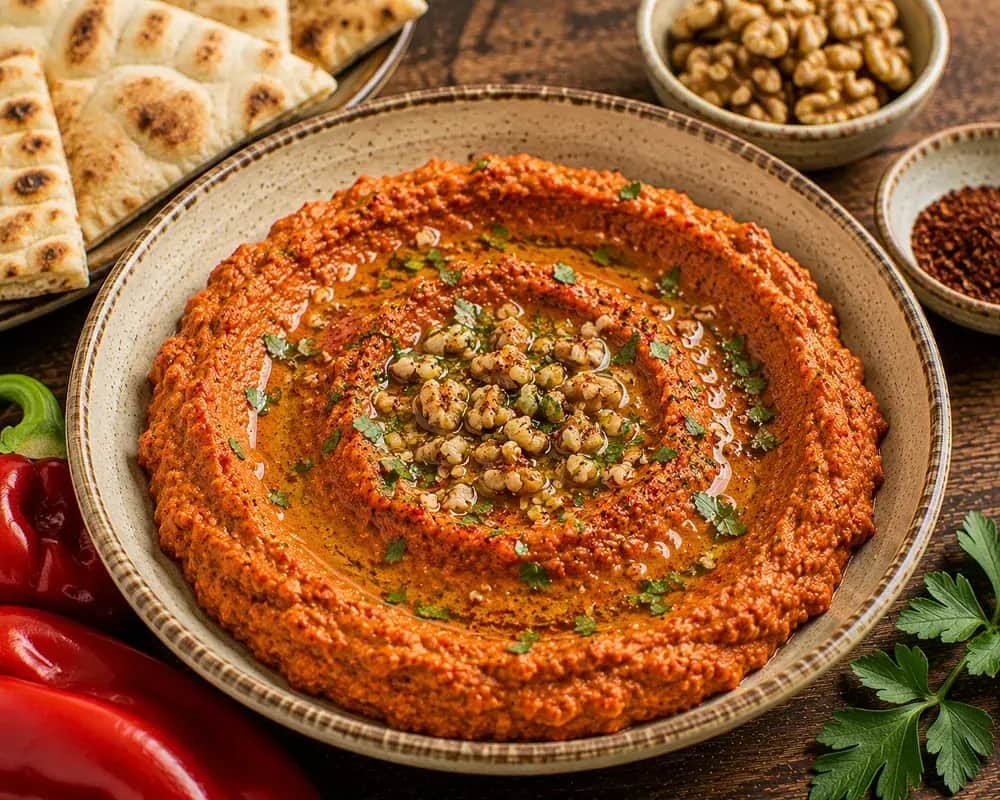
محمّرة (غموس الفلفل الأحمر والجوز الحلبي)
غموس سوري تقليدي من مدينة حلب، يُحضّر من الفلفل الأحمر المشوي والجوز ودبس الرمان وزيت الزيتون البكر الممتاز والثوم والبهارات الدافئة. يتميز بقوام كثيف ونكهة مدخنة وحموضة متوازنة، ويُعد من أطباق المزة الشامية الشهيرة.
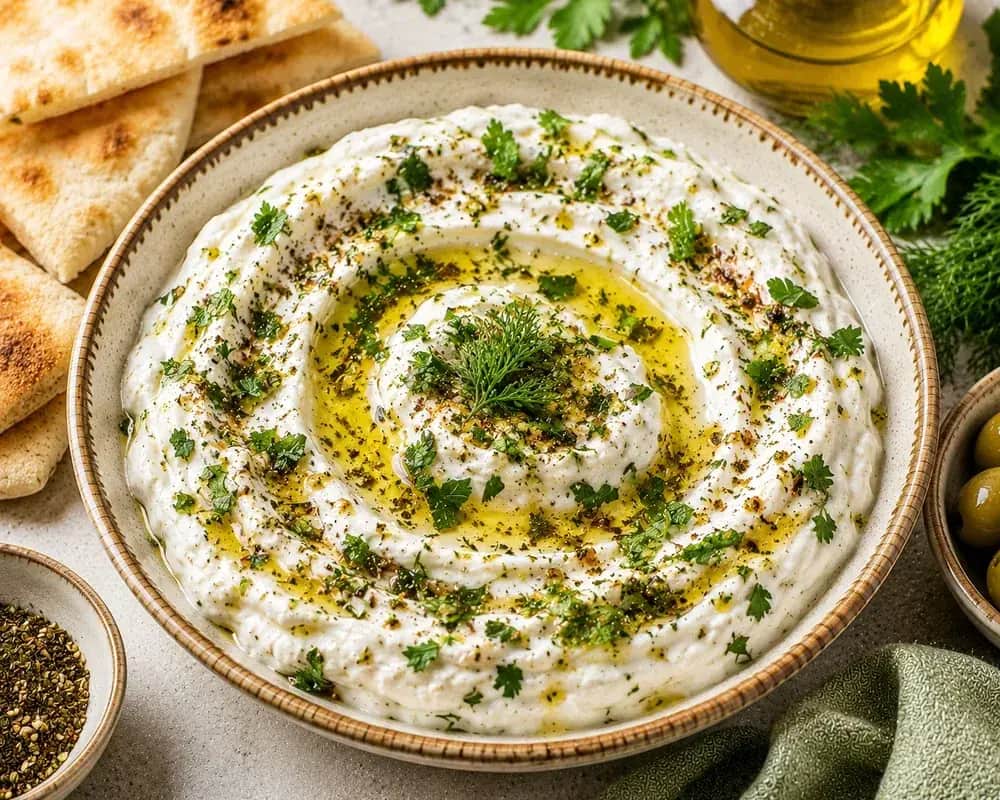
لبنة لبنانيه بالأعشاب
مقبلات لبنانية كريمية محضّرة من اللبنة مع البقدونس والنعناع والشبت والثوم والليمون وزيت الزيتون البكر الممتاز والزعتر. يستغرق تحضير الطبق نفسه حوالي 10 دقائق عند توفر اللبنة الجاهزة.