
Healthy Mezze Guide
Lebanese Mezze Guide
Lebanese mezze is built around sharing: small plates of vegetables, dips, salads, grains, herbs, breads, and other dishes brought together around the table. At Healthy Mezze, we see mezze as a practical way to create a varied meal from simple ingredients while keeping fresh flavors, textures, and balance at the center.
What is Lebanese mezze?
Mezze describes a style of eating as much as it describes a collection of dishes. Several smaller preparations can be served together so everyone can taste different flavors and textures. A mezze table may include hummus, salads, vegetables, dips, grains, bread, pickles, and other dishes depending on the occasion and what the household has available.
The building blocks of a mezze table
A useful mezze table usually combines different textures and flavors rather than repeating the same type of dish. Creamy hummus or baba ganoush can sit alongside crisp vegetables and salads, while bread and grains provide a more substantial element. Fresh herbs, lemon, garlic, olive oil, tahini, and yogurt can connect the different dishes.
Fresh salads bring contrast
Tabbouleh and fattoush are good examples of how fresh vegetables, herbs, acidity, and texture can bring contrast to a shared meal. The amount of lemon, herbs, vegetables, and seasoning can be adjusted according to the ingredients available. We prefer tasting salads and dressings before serving so the acidity, salt, and other flavors stay balanced.
Dips are about texture and balance
Hummus, baba ganoush, and tahini-based dips can be simple to prepare, but their final texture and flavor depend on the ingredients and the amount of liquid added. We recommend adding liquid gradually, mixing thoroughly, and tasting as you go. Lemon, garlic, salt, and tahini can then be adjusted until the dip has the balance you want.
How to build a practical mezze meal
You do not need a large number of dishes to create a satisfying mezze table. Start with one or two dips, add a fresh salad or vegetable dish, then include bread, grains, legumes, or another filling preparation. A grilled or baked dish can be added when you want more protein. This approach makes it easier to use what you already have in the kitchen.
Traditional mezze and healthier adaptations
Mezze traditions vary between families and regions, and individual recipes can change over generations. When we make a healthier adaptation, we try to keep the character of the dish while making practical changes where they make sense. Depending on the preparation, this may include baking instead of frying, adjusting oil, increasing vegetables or legumes, or providing a suitable ingredient substitution.
Making mezze work for your kitchen
A mezze table is naturally flexible, which makes it useful when ingredients are missing or when different people have different preferences. Some substitutions preserve the character of a dish while others change its flavor or texture. Check each recipe for suggested alternatives and use the What If and Recipe Rescue sections when available to help decide how to adjust a dish.
A simple mezze table to start with
For a practical starting point, combine hummus with tabbouleh or fattoush, fresh vegetables, bread, and one additional dish such as grilled vegetables, legumes, or a protein. Taste each preparation before serving and adjust lemon, salt, herbs, or spice as needed. Mezze is meant to be shared, so leave room for everyone to add their own preferences and discover combinations they enjoy.
Recipes from this guide
Try these recipes to put the ideas and ingredients from this guide into practice.
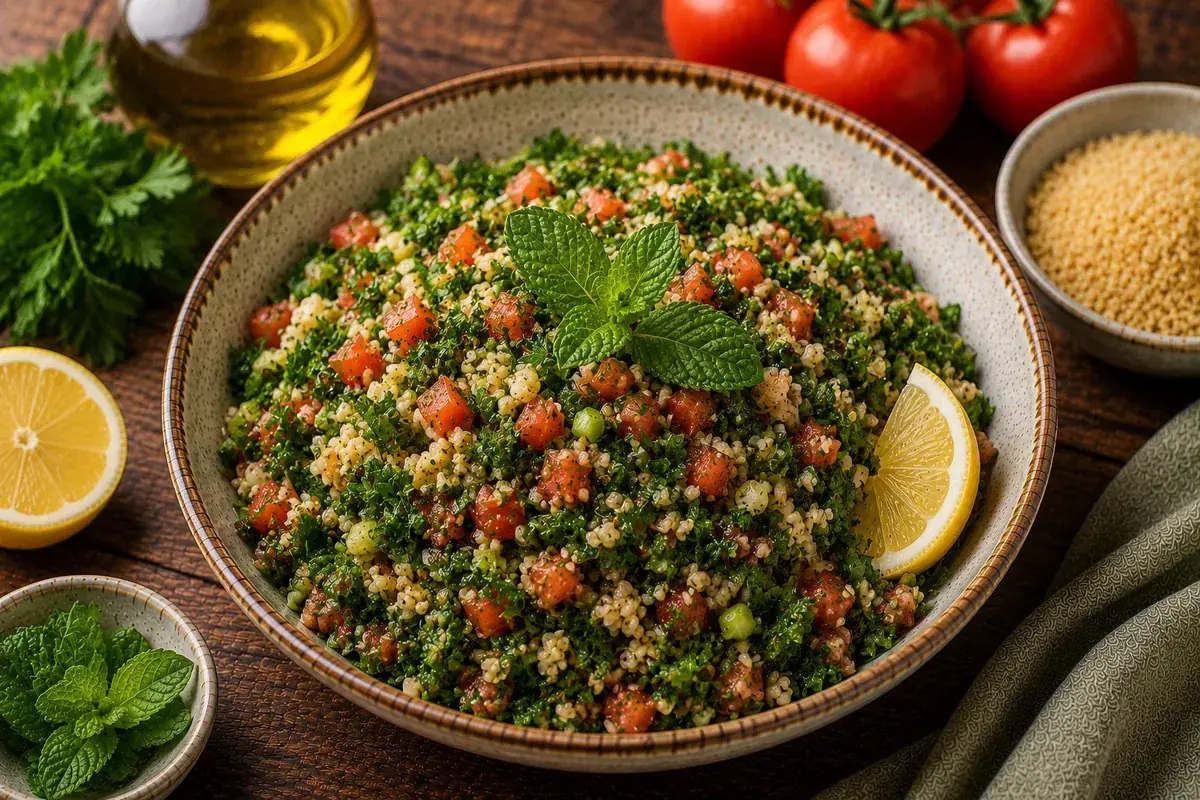
Lebanese Tabbouleh Recipe — Classic Parsley Salad
A classic Lebanese tabbouleh made with parsley, fresh tomatoes, bulgur, mint, lemon juice, and extra virgin olive oil. The salad is herb-forward and bright, with finely chopped vegetables and a tangy dressing.
View recipe →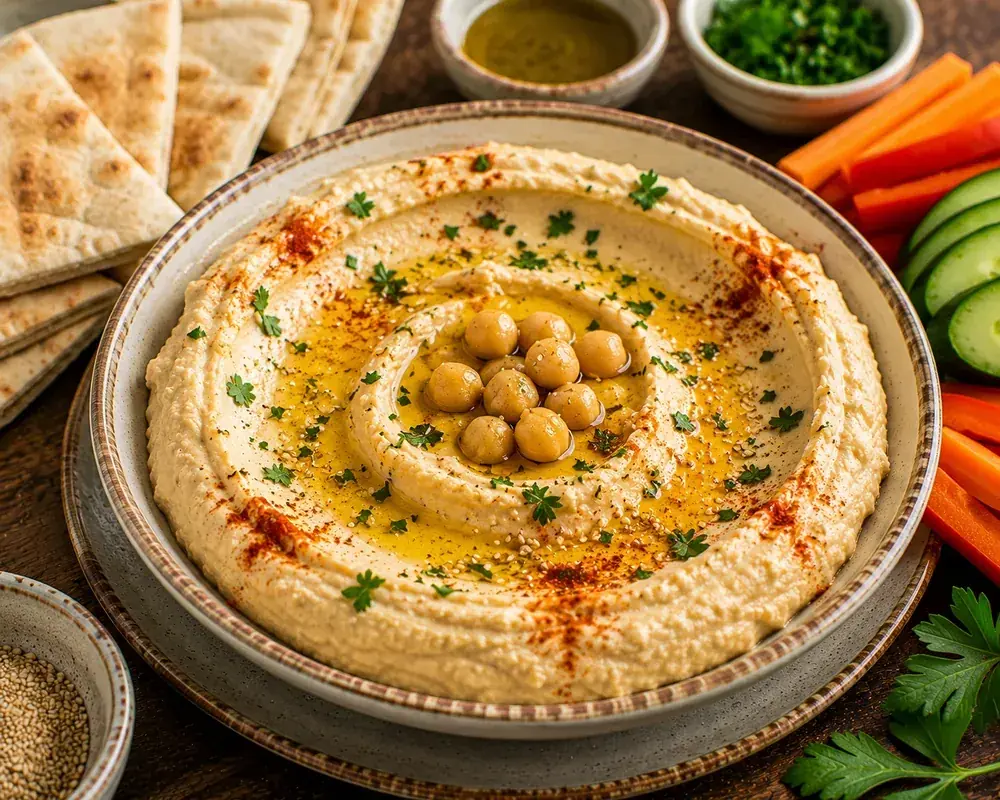
Classic Hummus Recipe — Palestinian Hummus bi-Tahini
A classic Palestinian hummus bi-tahini made with exceptionally tender chickpeas, creamy tahini, fresh lemon juice, garlic, cumin, and extra virgin olive oil. The finished hummus is smooth, light, and balanced, with warm Arabic bread for serving.
View recipe →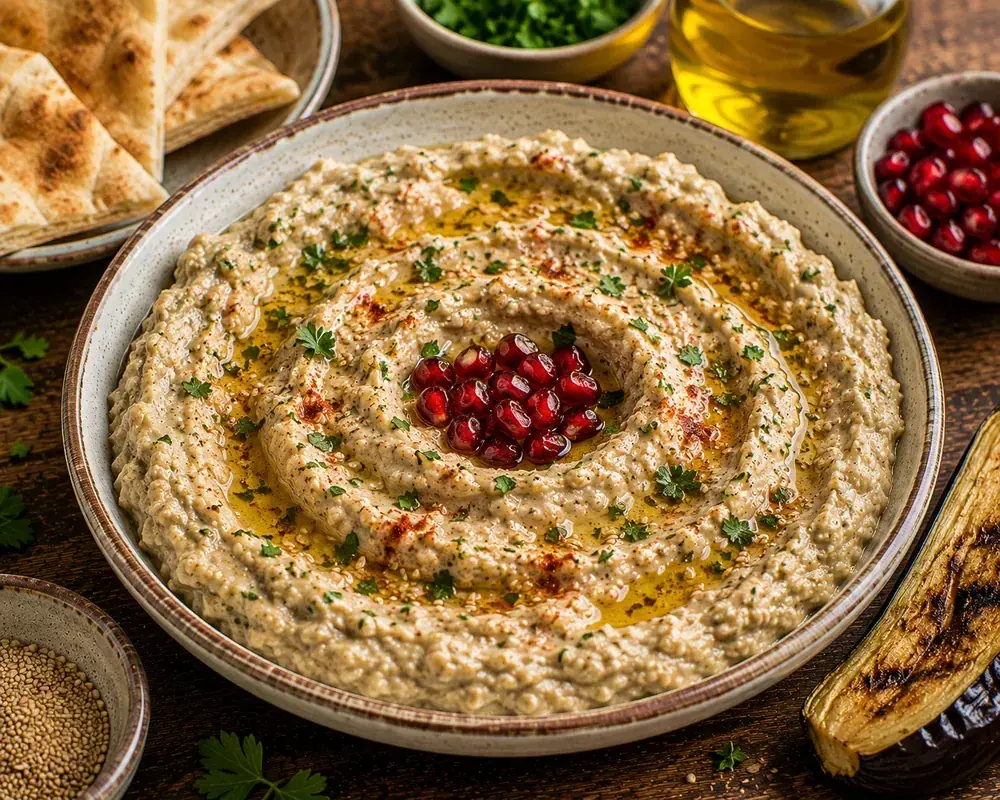
Classic Baba Ganoush Recipe
A classic Baba Ganoush recipe made with smoky roasted eggplant, tahini, garlic, fresh lemon juice, and extra virgin olive oil. This creamy Mediterranean mezze is rich, flavorful, and naturally plant-based.
View recipe →