
Healthy Mezze Guide
Lebanese Cuisine Guide
Lebanese home cooking brings together fresh vegetables, legumes, grains, herbs, spices, olive oil, tahini, yogurt, and bright citrus flavors. At Healthy Mezze, we approach Lebanese food as something meant to be shared, enjoyed at home, and adapted thoughtfully when ingredients, time, or personal preferences require a change.
The foundation of Lebanese home cooking
Vegetables, legumes, grains, herbs, olive oil, garlic, lemon, tahini, yogurt, and warm spices form an important part of Lebanese cooking. Many dishes begin with simple ingredients and become distinctive through seasoning, texture, and balance. Hummus, tabbouleh, fattoush, and mujaddara each show a different way of combining familiar ingredients into a satisfying dish.
The Lebanese table is built for sharing
Lebanese meals often bring several dishes together rather than relying on one large centerpiece. Mezze can include salads, dips, vegetables, grains, breads, and other small dishes that people can share. This style of eating makes it easy to build a meal around what is available and what everyone at the table enjoys.
Freshness and acidity matter
Lemon, fresh herbs, garlic, olive oil, and vegetables help give Lebanese dishes their recognizable freshness. Acidity can brighten rich ingredients such as tahini or yogurt, while fresh herbs can add a lighter contrast to grains and legumes. We like to taste as we cook because the amount of lemon, salt, garlic, or herbs that works best can depend on the ingredients themselves.
How we balance Lebanese flavors
When preparing a dressing, dip, or cooked dish, we do not treat the written measurements as the only possible final answer. We taste the mixture and adjust it according to the balance we want. A little more lemon can add brightness, additional salt can bring other flavors forward, and extra herbs or spice can change the character of the dish. The goal is a balanced plate rather than one ingredient overpowering everything else.
Tahini, yogurt, and olive oil
Tahini and yogurt are useful foundations for many Lebanese-style preparations because they provide creamy texture and pair well with lemon, garlic, herbs, and spices. Olive oil adds richness and is often used both during preparation and as a finishing ingredient. When working with tahini, adding liquid gradually and tasting as you go can help you reach the texture and acidity you prefer.
Traditional recipes and modern adaptations
Lebanese recipes have been prepared across generations and naturally vary between families and regions. Ingredients, proportions, cooking methods, and serving styles can change depending on what is available and how a family cooks. At Healthy Mezze, we distinguish traditional preparations from healthier or more practical adaptations, such as using the oven instead of frying, adjusting oil, increasing vegetables or legumes, or offering ingredient substitutions.
Making Lebanese food practical at home
A missing ingredient does not always mean you have to abandon a recipe. Some substitutions preserve the main character of a dish, while others can noticeably change its flavor or texture. We recommend checking the individual recipe for suggested alternatives and using the What If and Recipe Rescue sections when available. Understanding what an ingredient contributes makes it easier to decide whether a substitution will work for your meal.
Where to start exploring Lebanese food
Start with familiar dishes such as hummus, tabbouleh, fattoush, baba ganoush, mujaddara, and grilled dishes. Pay attention to the relationship between fresh herbs, lemon, garlic, olive oil, tahini, yogurt, grains, and legumes. Once you understand those combinations, it becomes easier to explore more Lebanese dishes and adjust recipes confidently in your own kitchen.
Recipes from this guide
Try these recipes to put the ideas and ingredients from this guide into practice.
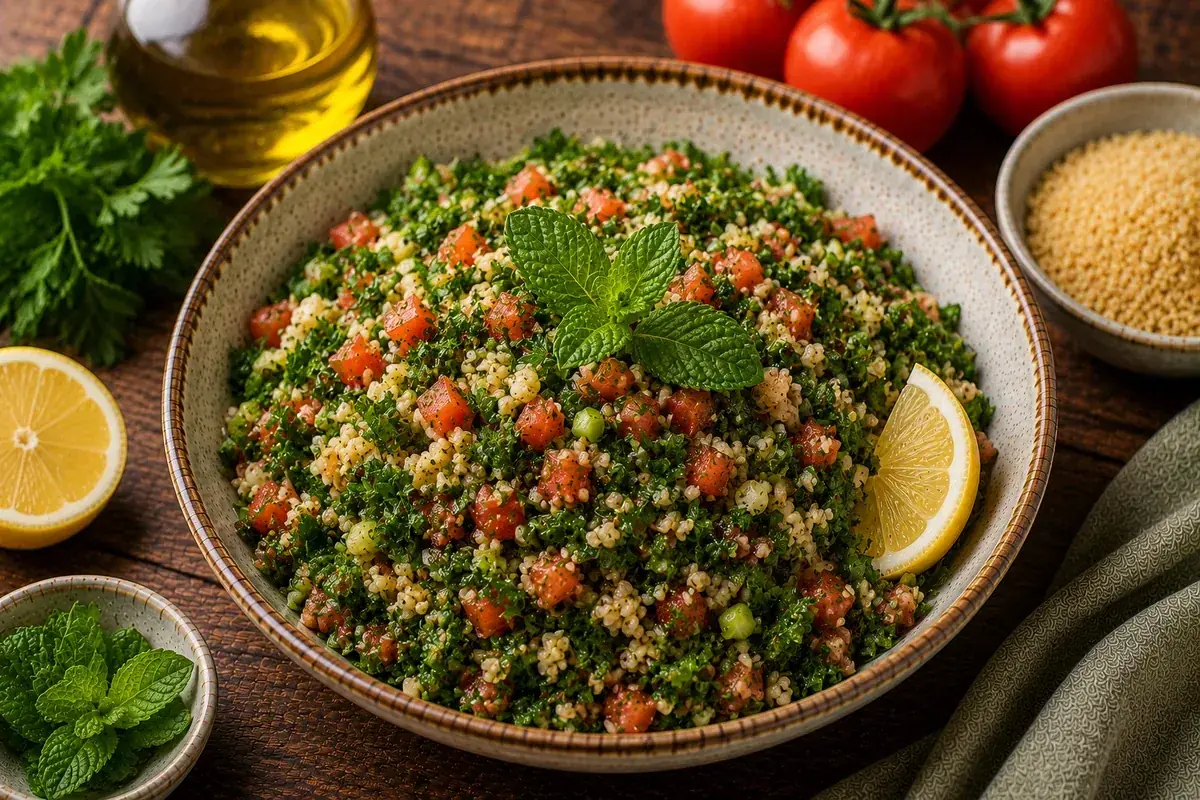
Lebanese Tabbouleh Recipe — Classic Parsley Salad
A classic Lebanese tabbouleh made with parsley, fresh tomatoes, bulgur, mint, lemon juice, and extra virgin olive oil. The salad is herb-forward and bright, with finely chopped vegetables and a tangy dressing.
View recipe →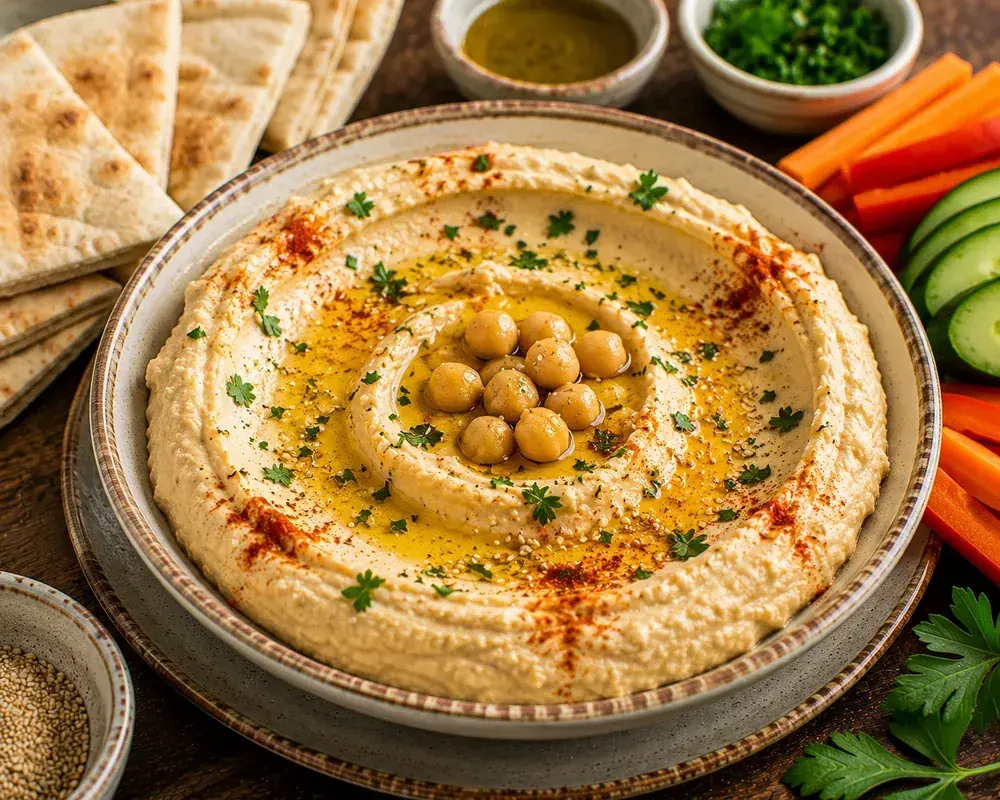
Classic Hummus Recipe — Palestinian Hummus bi-Tahini
A classic Palestinian hummus bi-tahini made with exceptionally tender chickpeas, creamy tahini, fresh lemon juice, garlic, cumin, and extra virgin olive oil. The finished hummus is smooth, light, and balanced, with warm Arabic bread for serving.
View recipe →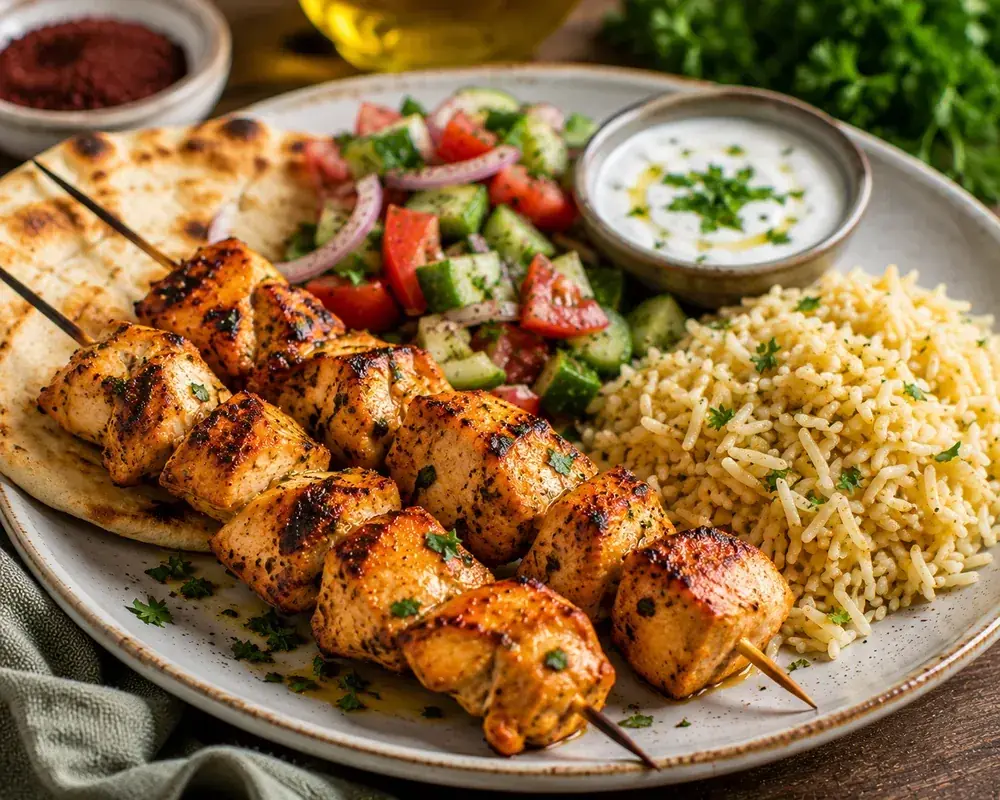
Shish Tawook Recipe — Juicy Lebanese Chicken Kabobs with Yogurt Marinade
This Shish Tawook recipe makes juicy Lebanese-style chicken kabobs marinated in Greek yogurt, lemon, garlic, extra virgin olive oil, tomato paste, paprika, cumin, oregano, and turmeric, then grilled until tender with golden-brown and lightly charred edges. An easy Mediterranean chicken recipe that's high in protein and perfect with toum, warm pita, rice, grilled vegetables, pickles, or fresh salad.
View recipe →