
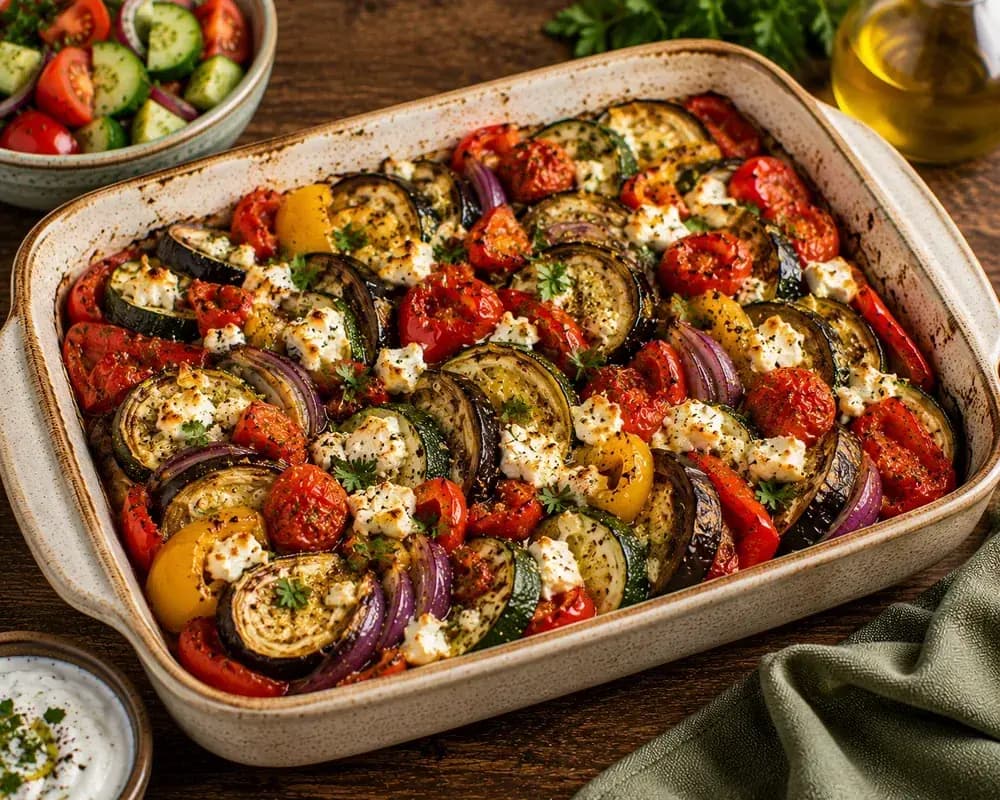
صينية الخضار المتوسطية
صينية خضار شهية ومشبعة تضم الكوسا والباذنجان والفلفل الحلو والحمص والطماطم والثوم والأعشاب المتوسطية، وتُختتم بالبقدونس والريحان الطازجين.
وقت التحضير
20 mins
وقت الطهي
45 mins
الوقت الإجمالي
65 mins
عدد الحصص
6
نكهة من التراث
القصة وراء هذه الوصفة
هذا النوع من الأطباق يجعل المطبخ يفوح برائحة العشاء قبل أن يجلس أحد إلى المائدة. يلين الباذنجان داخل صلصة الطماطم، وتصبح أطراف الفلفل حلوة ومحمرة، ويمنح الحمص الطبق قوامًا مشبعًا، بينما يجمع الثوم والأعشاب كل النكهات معًا. جمال الوصفة لا يعتمد على مكوّن فاخر أو معقد، بل على تحويل مجموعة من الخضار اليومية إلى طبق دافئ وكريم يكفي ليكون في وسط المائدة.
السياق الثقافي والطهي
تُعد الأطباق التي تعتمد على الخضار جزءًا مهمًا من ثقافة الطهي في منطقة البحر المتوسط وبلاد الشام، حيث يظهر الباذنجان والكوسا والفلفل والطماطم والحمص وزيت الزيتون والثوم والأعشاب في تركيبات كثيرة ومتنوعة. ويتميز المطبخ اللبناني خصوصًا بتنوع أطباق الخضار والمقبلات التي تسمح للمكونات الموسمية بأن تكون محور الوجبة. هذه الصينية تحديدًا هي تفسير حديث من Healthy Mezze مستوحى من هذا التقليد، وليست وصفة لبنانية قديمة محددة أو طبقًا تقليديًا واحدًا. تختلف طرق الجمع بين هذه المكونات من عائلة ومنطقة إلى أخرى، لذلك فإن وصفها بأنها صينية خضار متوسطية مستوحاة من المطبخ اللبناني أدق من نسبتها إلى أصل تقليدي واحد.
ما الذي يجعلها متوسطية او عربيه ؟
تتبع الوصفة نمط نكهات متوسطيًا واضحًا: الخضار هي المكوّن الأساسي، والحمص يضيف البروتين والقوام، وزيت الزيتون البكر الممتاز هو الدهون الأساسية، بينما تبني الطماطم والثوم والأعشاب والتوابل قاعدة النكهة. إضافة البقدونس والريحان الطازجين في النهاية تحافظ على حيوية الطبق وتمنعه من أن يكون ثقيلًا. كما أن تقديمه مع الحبوب الكاملة أو خبز البيتا والليمون أو سلطة طازجة يعكس طريقة بناء الوجبات المتوسطية حول الخضار والبقوليات والحبوب والمكونات الطازجة.
شو اللي صار ؟
- 🌿الخضار هي المكوّن الرئيسي بدلًا من أن تكون مجرد طبق جانبي.
- 🌿الحمص يوفر مصدرًا نباتيًا للبروتين ويزيد من الإحساس بالشبع.
- 🌿زيت الزيتون البكر الممتاز هو الدهون الأساسية في الوصفة.
- 🌿الطماطم والثوم يشكلان قاعدة النكهة.
- 🌿يُضاف البقدونس والريحان الطازجان في النهاية للحفاظ على نكهتهما المنعشة.
- 🌿الأوريغانو والزعتر يمنحان الطبق طابعًا عشبيًا متوسطيًا واضحًا.
- 🌿يضيف الكمون والبابريكا دفئًا خفيفًا مستوحى من نكهات بلاد الشام.
- 🌿يناسب الطبق خبز البيتا والحبوب الكاملة والليمون والصلصات الطازجة والسلطات.
المكونات
- 2 حبتان متوسطتان من الكوسا، مقطعتان إلى شرائح (اجعل الشرائح متقاربة في السماكة حتى تنضج مع بقية الخضار. لا تجعلها رقيقة جدًا حتى لا تصبح طرية أكثر من اللازم.)
- 1 حبة باذنجان متوسطة، مقطعة إلى مكعبات متوسطة (قطع الباذنجان إلى أحجام متقاربة. المكعبات الكبيرة جدًا قد تبقى قاسية من الداخل بينما تنضج القطع الصغيرة بسرعة.)
- 2 حبتان من الفلفل الحلو، مفرومتان (يمكن استخدام الفلفل الأحمر أو الأصفر أو البرتقالي أو الأخضر أو مزيج منها. اجعل القطع كبيرة بما يكفي للحفاظ على قوامها أثناء الخَبز.)
- 1 بصلة كبيرة، مقطعة إلى شرائح (قطّع البصل إلى شرائح متوسطة السماكة حتى يصبح طريًا ويتحمر قليلًا دون أن يختفي داخل الصلصة.)
- 3 فصوص ثوم، مفروم (الثوم الطازج يعطي خليط الطماطم رائحته ونكهته الأساسية. افرمه جيدًا حتى يتوزع بالتساوي.)
- 2 كوب طماطم كرزية (استخدم طماطم ناضجة قدر الإمكان. اتركها كاملة أو اقطع الحبات الكبيرة إلى نصفين، فهي ستطلق عصارتها أثناء الخَبز.)
- 1 علبة حمص (400 غ)، مصفى ومغسول (صفِّ الحمص واغسله جيدًا ثم جففه بمنشفة نظيفة. إزالة الماء الزائد تساعد الخضار على التحميص بدلًا من التبخر داخل الصينية.)
- 2 ملعقة كبيرة معجون طماطم (يساعد معجون الطماطم على تركيز الصلصة وجعلها تلتصق بالخضار بدل أن تصبح مائية.)
- 2 ملعقة كبيرة زيت زيتون بكر ممتاز (استخدم كمية تكفي لتغليف الخضار بخفة والمساعدة على تحميرها. لا تضف زيتًا كثيرًا لأن الخضار ستطلق سوائلها أثناء الطهي.)
- 1 ملعقة صغيرة أوريغانو مجفف (يضيف نكهة عشبية لذيذة تتناسب خصوصًا مع الطماطم والفلفل.)
- 1 ملعقة صغيرة زعتر مجفف (يمنح الطبق نكهة عشبية ترابية خفيفة دون أن تطغى على طعم الخضار.)
- 1 ملعقة صغيرة بابريكا (تضيف دفئًا خفيفًا ولونًا جميلًا. البابريكا الحلوة مناسبة لهذه الوصفة.)
- 0.5 ملعقة صغيرة كمون مطحون (استخدم كمية معتدلة حتى يمنح الكمون دفئًا لطيفًا دون أن يغطي على نكهة الخضار.)
- 1 ملعقة صغيرة ملح بحري (اضبط الكمية في النهاية حسب ملوحة مرق الخضار ومعجون الطماطم.)
- 0.5 ملعقة صغيرة فلفل أسود (الفلفل الأسود المطحون حديثًا يمنح خليط الطماطم والخضار نكهة أعمق.)
- 0.5 كوب مرق خضار قليل الصوديوم (يوفر كمية الرطوبة اللازمة لتطرية الخضار أثناء المرحلة المغطاة. لا تضف مرقًا إضافيًا إلا إذا كانت الصينية جافة بشكل غير معتاد.)
- 0.25 كوب بقدونس طازج مفروم (أضفه بعد الخَبز حتى تبقى نكهته خضراء ومنتعشة.)
- 2 ملعقة كبيرة ريحان طازج مفروم (أضفه في النهاية للحصول على لمسة عطرية مشرقة. يفضل استخدام الريحان الطازج بدلًا من المجفف هنا.)
طريقة التحضير
- 1
سخّن الفرن إلى 200 درجة مئوية (400 فهرنهايت)، وضع الرف في منتصف الفرن. ادهن صينية خبز كبيرة وواسعة بطبقة خفيفة من زيت الزيتون. الصينية الواسعة أفضل لأنها تمنح الخضار مساحة كافية للتحميص بدلًا من التبخر.
- 2
حضّر الخضار. قطّع الكوسا إلى شرائح متقاربة، والباذنجان إلى مكعبات متوسطة، والفلفل إلى قطع، والبصل إلى شرائح. حاول أن تكون القطع متقاربة في الحجم حتى تنضج في الوقت نفسه تقريبًا.
- 3
صفِّ الحمص واغسله جيدًا ثم جففه بمنشفة نظيفة أو منشفة ورقية. هذه الخطوة الصغيرة مهمة لأن الماء الزائد من الحمص قد يجعل الصينية مائية ويقلل من تحمير الخضار.
- 4
وزّع الكوسا والباذنجان والفلفل والبصل والطماطم الكرزية والحمص في الصينية. افردها في طبقة متساوية وضحلة قدر الإمكان. لا تضغط الخضار فوق بعضها لأن الازدحام يحبس البخار ويمنع التحمير.
- 5
في وعاء، اخفق معجون الطماطم وزيت الزيتون والثوم المفروم ومرق الخضار والأوريغانو والزعتر والبابريكا والكمون والملح والفلفل الأسود. استمر في الخفق حتى يذوب معجون الطماطم ويتجانس الخليط.
- 6
اسكب خليط الطماطم بالتساوي فوق الخضار. قلّب برفق حتى تتغطى الخضار بطبقة خفيفة ومتجانسة. تجنب سحق الطماطم الكرزية لأنها ستطلق عصارتها طبيعيًا أثناء الخَبز.
- 7
غطِّ الصينية بإحكام بورق الألمنيوم واخبزها لمدة 30 دقيقة. تساعد المرحلة المغطاة على تطرية الباذنجان والكوسا والبصل والفلفل، بينما تتطور نكهة خليط الطماطم إلى صلصة غنية.
- 8
أزل ورق الألمنيوم بحذر لأن البخار الساخن سيتصاعد. قلّب الخضار برفق ثم أعد توزيعها في طبقة متساوية. إذا تجمعت كمية كبيرة من السائل في القاع، لا تضف مرقًا إضافيًا؛ فالمرحلة المكشوفة ستسمح بتبخر الرطوبة الزائدة.
- 9
تابع الخَبز من دون تغطية لمدة 15 دقيقة تقريبًا، حتى تصبح الخضار طرية وتبدأ الأطراف بالتحمر والتكرمل. إذا أصبحت الخضار طرية لكنها ما زالت شاحبة، اتركها بضع دقائق إضافية دون تغطية.
- 10
أخرج الصينية من الفرن واتركها ترتاح حوالي 5 دقائق. يساعد ذلك الصلصة على الاستقرار ويجعل تقديم الطبق أسهل دون فقدان كل العصارة في الطبق.
- 11
وزّع البقدونس والريحان الطازجين فوق الخضار وهي دافئة. تذوق الطبق قبل إضافة المزيد من الملح لأن المرق ومعجون الطماطم قد يحتويان بالفعل على كمية من الصوديوم.
- 12
قدّمها دافئة بمفردها أو مع الكينوا أو الأرز البني أو خبز البيتا الكامل. ويمكن إضافة عصرة من الليمون أو سلطة خيار طازجة لإعطاء تباين منعش مع نكهة الخضار المشوية الغنية.
جهّز نفسك لنجاح الوصفة
قبل أن تبدأ الطهي
👨🍳 ملاحظات
- •استخدم صينية خبز كبيرة وواسعة بدلًا من صينية صغيرة وعميقة كلما أمكن.
- •جفف الحمص جيدًا بعد غسله.
- •قطّع الخضار إلى قطع متقاربة في الحجم حتى تنضج بمعدلات متشابهة.
- •لا تجعل شرائح الكوسا رقيقة جدًا حتى لا تصبح طرية قبل أن ينضج الباذنجان.
- •حضّر خليط الطماطم كاملًا قبل إضافته إلى الخضار.
- •جهّز ورق الألمنيوم للمرحلة الأولى، واترك الصينية مكشوفة في المرحلة الأخيرة للتحمير.
- •افرُم البقدونس والريحان مسبقًا حتى تتمكن من إضافتهما فور خروج الصينية من الفرن.
💡 نصائح مفيدة
- •أهم خطوة للتحكم في الرطوبة هي عدم تكديس الخضار داخل الصينية.
- •إذا ازدحمت الخضار، ستطلق البخار داخل الصينية بدلًا من تكوين أطراف محمرة.
- •لا تضف مرقًا إضافيًا لمجرد أن الخضار تبدو جافة قبل الخَبز؛ فهي ستطلق الماء أثناء الطهي.
- •تجفيف الحمص جيدًا يساعده على التحميص.
- •إذا كان الباذنجان كبيرًا جدًا أو يحتوي على بذور كثيرة، قطّع المكعبات أصغر قليلًا حتى تنضج بالتساوي.
- •لا تحذف معجون الطماطم من الصلصة لأنه يساعد على تركيز النكهة وجعل الصلصة تلتصق بالخضار.
- •لا تضف البقدونس والريحان في بداية الطهي لأن نكهتهما الطازجة ستضعف مع الخَبز الطويل.
- •إذا بدأت الخضار بالتحمر بسرعة بينما لا تزال قاسية، غطِّ الصينية بخفة وأكمل الخَبز.
- •إذا أصبحت الخضار طرية لكن بقي سائل كثير، استمر في الخَبز دون تغطية حتى يتبخر.
- •تذوق الطبق بعد الخَبز قبل إضافة المزيد من الملح.
👀 كيف تعرف أنها جاهزة؟
- ✓يمكن إدخال الشوكة بسهولة في الباذنجان.
- ✓تكون الكوسا طرية لكنها ليست منهارة تمامًا.
- ✓يصبح الفلفل والبصل طريين مع ظهور تحمير خفيف على الأطراف.
- ✓يكون الحمص ساخنًا من الداخل وما زال محتفظًا بشكله.
- ✓تصبح صلصة الطماطم أكثر سماكة وتغطي الخضار بدل أن تكون مائية.
- ✓تظهر علامات تحمير خفيفة على بعض أطراف الخضار.
- ✓لا توجد كمية كبيرة من السائل الرقيق في قاع الصينية.
- ✓تفوح من الطبق رائحة الخضار المشوية والطماطم والثوم والأعشاب.
ظبتها
اجعل هذه الوصفة مناسبة لك
عدّل الوصفة بما يناسب المكونات المتوفرة لديك واحتياجاتك الغذائية وميزانيتك ووقتك وعدد الأشخاص وخطط تحضير الوجبات.
🔄 بدائل المكونات
استبدال الخضار حسب الموسم
يمكن استبدال جزء من الكوسا أو الفلفل بخضار متماسكة مثل الفطر أو القرنبيط. قطّع الخضار الأكثر صلابة إلى قطع أصغر حتى تنضج في الوقت نفسه تقريبًا.
استخدام الفاصوليا البيضاء بدل الحمص
يمكن استبدال الحمص بفاصوليا بيضاء معلبة. صفِّها وجففها جيدًا وتعامل معها برفق أثناء التقليب حتى تبقى متماسكة.
استخدام الطماطم الطازجة الكبيرة
يمكن استخدام الطماطم الناضجة المقطعة بدلًا من جزء من الطماطم الكرزية أو كلها. توقّع كمية أكبر من السوائل وقد تحتاج إلى وقت أطول دون تغطية.
تعديل كمية الأعشاب
يمكن زيادة البقدونس لنكهة أكثر انتعاشًا أو الأوريغانو لنكهة عشبية أقوى أو الريحان لنكهة أكثر نعومة. حافظ على التوازن حتى تبقى الخضار هي النكهة الأساسية.
🌱 التعديلات الغذائية
نباتية بالكامل
الوصفة الأساسية نباتية بالكامل. يمكن تقديمها مع زبادي نباتي أو صلصة الطحينة إذا رغبت في إضافة قوام كريمي.
خالية من الغلوتين
الصينية نفسها خالية من الغلوتين بطبيعتها عندما تكون المكونات المعبأة مناسبة. قدمها مع الكينوا أو الأرز أو البطاطس أو خبز خالٍ من الغلوتين بدلًا من البيتا العادية.
تقليل الصوديوم
استخدم حمصًا دون ملح مضاف ومرقًا قليل الصوديوم، وقلل الملح المضاف واعتمد أكثر على الثوم والأعشاب والتوابل والليمون.
زيادة البروتين
قدم الطبق مع كمية إضافية من الحمص أو العدس أو الكينوا أو مكوّن نباتي آخر غني بالبروتين.
💰 خيارات اقتصادية
استخدام الخضار الموسمية الاقتصادية
اختر الخضار المتوفرة بكثرة والأقل سعرًا في السوق المحلي. قاعدة الطماطم والأعشاب مرنة بما يكفي لاستيعاب البدائل الموسمية المناسبة.
استخدام الحمص المجفف
يمكن استخدام الحمص المطبوخ من الحمص المجفف بدلًا من المعلب وقد يكون أقل تكلفة. تأكد من أنه أصبح طريًا تمامًا قبل إضافته إلى الصينية.
⏱️ خيارات لتوفير الوقت
تحضير الخضار مسبقًا
يمكن تقطيع الخضار قبل عدة ساعات وحفظها في الثلاجة داخل وعاء مغطى. احتفظ بالحمص وخليط الطماطم منفصلين حتى وقت التجميع.
تحضير خليط الطماطم مسبقًا
يمكن خلط معجون الطماطم وزيت الزيتون والثوم والمرق والأعشاب والتوابل مسبقًا وحفظه في الثلاجة حتى وقت الاستخدام.
👨👩👧👦 تعديل الكمية
تحضير كمية أصغر
نصف المقادير واستخدم صينية أصغر وواسعة. تجنب الصينية العميقة لأن الكمية الصغيرة ما زالت تحتاج إلى مساحة سطح كافية للتحمير.
تحضير كمية أكبر
ضاعف المقادير حسب الحاجة واستخدم صينيتين بدلًا من تكديس كل الخضار في صينية واحدة. الصواني المنفصلة تساعد عادةً على تحمير الخضار بشكل أفضل.
🥡 تحضير الوجبات مسبقًا
التحضير المسبق
يمكن تقطيع الخضار وتحضير خليط الطماطم مسبقًا، لكن للحصول على أفضل قوام يفضل تجميع الصينية وخَبزها قريبًا من وقت التقديم.
استخدام البقايا كغداء
يمكن إعادة تسخين الخضار المتبقية وتقديمها فوق الكينوا أو الأرز البني، أو وضعها داخل خبز البيتا، أو تناولها مع سلطة طازجة.
إنقاذ الوصفة
🧩 ما الذي تحتاج إلى مساعدة فيه؟
اختر المشكلة التي تواجهها وسنقدم لك حلًا خاصًا بهذه الوصفة بدلًا من نصيحة عامة للطهي.
ماذا لو؟
🔄 ماذا لو...؟
اختر وضعك وسنوضح لك طريقة عملية تجعل هذه الوصفة مناسبة لاحتياجاتك.
التخزين والبقايا
🥡 التخزين وحفظ البقايا
اترك البقايا تبرد بالشكل المناسب قبل وضعها في الثلاجة داخل وعاء مغطى.
احفظ الصينية في الثلاجة ولا تتركها في درجة حرارة الغرفة لفترة طويلة.
أعد تسخين الكمية المطلوبة بلطف في الفرن أو الميكروويف حتى تصبح ساخنة بالكامل.
عند إعادة التسخين في الفرن، يساعد ترك الصينية دون تغطية على استعادة بعض القوام المشوي.
احتفظ بالأعشاب الطازجة والسلطات والمكونات الطازجة منفصلة حتى وقت التقديم.
إذا أطلقت البقايا سائلًا أثناء التخزين، تخلص من السائل الزائد قبل إعادة التسخين.
تجنب إعادة تسخين الكمية كلها عدة مرات؛ سخّن فقط الكمية التي ستتناولها.
أفضل مدة للحفظ
لأفضل جودة وسلامة غذائية، احفظ البقايا في الثلاجة بسرعة واستخدمها ضمن مدة حفظ الأطعمة المطبوخة الموصى بها من جهة سلامة الغذاء المحلية لديك.
طريقة التخزين
استخدم وعاءً مسطحًا ومحكم الإغلاق للبقايا حتى تبرد بشكل متساوٍ. احفظ الأعشاب الطازجة والليمون والسلطات بشكل منفصل.
التقديم والمرافقة
🍽️ التقديم وما يناسبها
تُقدم صينية الخضار دافئة كوجبة نباتية كاملة أو إلى جانب الحبوب أو الخبز. تتناسب صلصة الطماطم الغنية والخضار المشوية بشكل خاص مع مكوّن طازج وحامضي مثل سلطة الخيار أو الليمون. للحصول على وجبة أكثر إشباعًا، قدمها مع الكينوا أو الأرز البني، أو قدمها مع خبز البيتا الكامل وسلطة طازجة لمائدة متوسطية بسيطة.
ما الذي يناسب هذه الوصفة؟
الأسئلة الشائعة حول الوصفة
❓ الأسئلة الأكثر شيوعًا
هل هذه وصفة لبنانية تقليدية؟
هذه الصينية تحديدًا وصفة حديثة من Healthy Mezze مستوحاة من أسلوب الطبخ المتوسطي وبلاد الشام، بما في ذلك المطبخ اللبناني. لا ينبغي تقديمها على أنها صينية لبنانية قديمة أو وصفة تقليدية محددة. مكوناتها ونمط نكهاتها يعتمدان على مكونات شائعة في مطابخ المنطقة.
لماذا تسمى صينية خضار متوسطية؟
لأنها تعتمد على مزيج متوسطي من الخضار والحمص وزيت الزيتون والطماطم والثوم والأعشاب والمكونات الطازجة. كما تركز على الخضار والبقوليات بدل الصلصات الثقيلة.
لماذا أصبحت الصينية مائية؟
الكوسا والباذنجان والطماطم تطلق الماء طبيعيًا أثناء الطهي. ويزيد ازدحام الصينية أو عدم تجفيف الحمص من المشكلة. استخدم صينية واسعة، ولا تضف مرقًا إضافيًا، وأنهِ الخَبز دون تغطية حتى تتبخر الرطوبة الزائدة.
هل يجب تمليح الباذنجان قبل الخَبز؟
ليس ذلك ضروريًا لهذه الوصفة. معظم أنواع الباذنجان الحديثة معتدلة الطعم، والباذنجان هنا يُخبز ضمن صينية تحتوي على صلصة. الأهم هو تقطيعه بالتساوي وتجنب ازدحام الصينية.
هل يمكن استخدام الخضار المجمدة؟
الخضار الطازجة تعطي أفضل قوام مشوي. إذا استخدمت خضارًا مجمدة، قم بإذابتها وتصفيتها جيدًا لأن الرطوبة الإضافية قد تجعل الصينية مائية.
لماذا أصبحت الكوسا طرية جدًا؟
الكوسا تحتوي على نسبة عالية من الماء وتطرى أسرع من بعض الخضار الأخرى. تجنب تقطيعها إلى شرائح رقيقة جدًا، ولا تزدحم الصينية، ولا تطل المرحلة المغطاة دون حاجة.
كيف أحصل على أطراف محمرة؟
استخدم صينية واسعة، وتجنب تكديس الخضار، وجفف الحمص جيدًا، وأزل ورق الألمنيوم في المرحلة الأخيرة. يصبح التحمير أسهل عندما يستطيع البخار الخروج.
هل يمكن استخدام خضار مختلفة؟
نعم. الوصفة مرنة. يمكن استخدام الفطر أو القرنبيط أو خضار موسمية أخرى متماسكة، مع تعديل حجم القطع حسب سرعة نضجها.
هل يمكن إعداد الوصفة دون حمص؟
نعم. الحمص يضيف البروتين والقوام، لكن يمكن استخدام الفاصوليا البيضاء أو بقوليات أخرى، أو حذفه وتقديم الصينية مع الكينوا أو العدس أو مكوّن غني بالبروتين.
هل الوصفة نباتية بالكامل؟
نعم. الوصفة الأساسية تحتوي فقط على مكونات نباتية. إذا كنت تستخدم صلصات أو إضافات جاهزة، فتحقق من المكونات إذا كان الالتزام بالنظام النباتي الصارم مهمًا لك.
هل يمكن جعلها خالية من الغلوتين؟
نعم. الصينية نفسها خالية من الغلوتين بطبيعتها عندما تكون المكونات المعبأة مناسبة. قدمها مع الأرز أو الكينوا أو البطاطس أو خبز خالٍ من الغلوتين بدل البيتا العادية.
ماذا أقدم مع صينية الخضار المتوسطية؟
الكنوا والأرز البني وخبز البيتا الكامل وسلطة الخيار والفتوش والحمص وصلصة الطحينة والليمون والأعشاب الطازجة كلها خيارات مناسبة.
هل يمكن تحضير الخضار مسبقًا؟
نعم. يمكن تقطيع الخضار مسبقًا وحفظها مغطاة في الثلاجة. احتفظ بالحمص وخليط الطماطم منفصلين واجمع المكونات قبل الخَبز للحصول على أفضل قوام.
هل يمكن تجميد البقايا؟
يمكن تجميد الطبق، لكن قوام الكوسا والباذنجان سيصبح أكثر طراوة بعد التجميد وإعادة التسخين. إذا جمدته، قسمه في أوعية محكمة وتوقع قوامًا أقرب إلى اليخنة عند إعادة التسخين.
ماذا أفعل إذا أصبحت الخضار طرية لكن بقي سائل كثير؟
استمر في الخَبز دون تغطية لعدة دقائق. لا تضف مادة مثخنة مباشرة؛ السماح للماء الطبيعي بالتبخر يعطي عادة قوامًا أفضل ونكهة أكثر تركيزًا.
ماذا أفعل إذا تحمرت الخضار قبل أن تنضج؟
غطِّ الصينية بشكل غير محكم بورق الألمنيوم وأكمل الخَبز حتى تصبح الخضار طرية. أزل الغطاء مرة أخرى في النهاية إذا كنت تريد المزيد من التحمير.
استكشف المزيد
تعمّق أكثر في المطبخ
تعرّف على المكونات والتقاليد وأساليب الطهي المرتبطة بهذه الوصفة.
قد يعجبك أيضًا
المزيد من الوصفات اللذيذة من قسم الأطباق الرئيسية
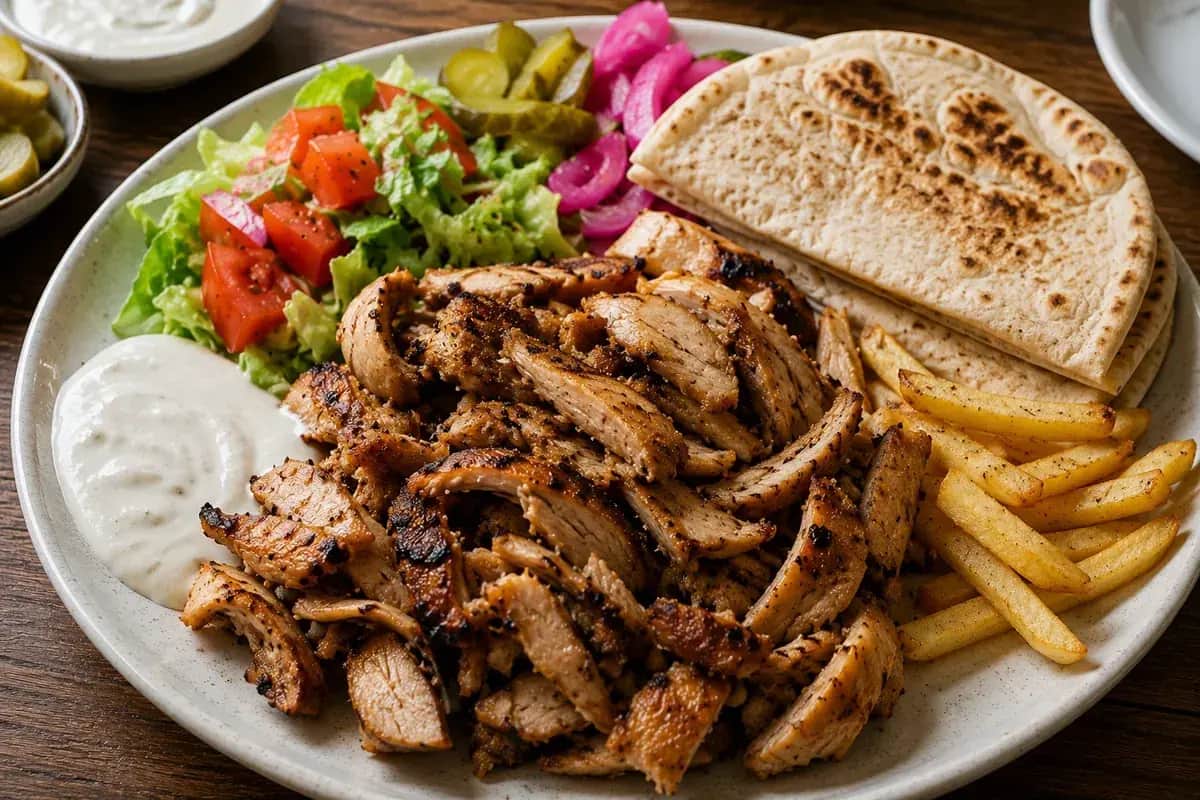
شاورما الدجاج الفلسطينية
شرائح دجاج رقيقة متبلة بالزبادي والليمون وزيت الزيتون والثوم وتوابل الشاورما الدافئة على الطريقة الفلسطينية، ثم تُطهى في مقلاة ساخنة حتى تصبح طرية وذات حواف محمّرة بعمق.
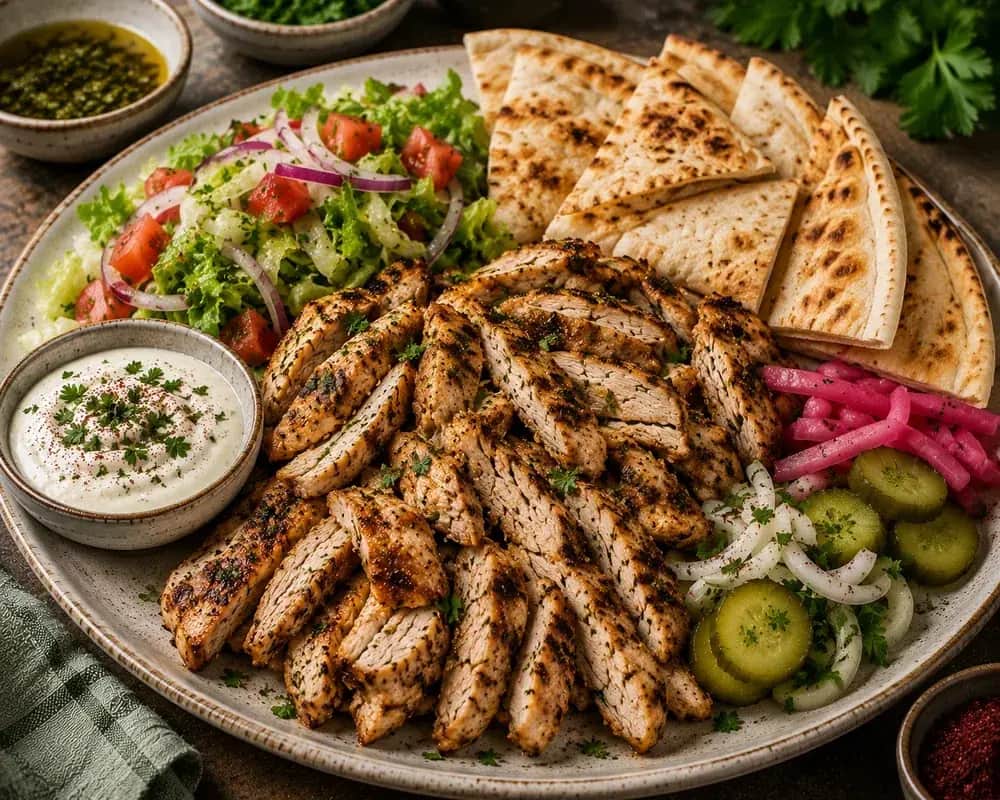
شاورما الدجاج المشوية
دجاج متوسطي طري وعصاري متبل بالزبادي والليمون والثوم وزيت الزيتون وتوابل الشاورما الدافئة، ثم يُشوى حتى ينضج ويكتسب أطرافًا محمصة خفيفة.
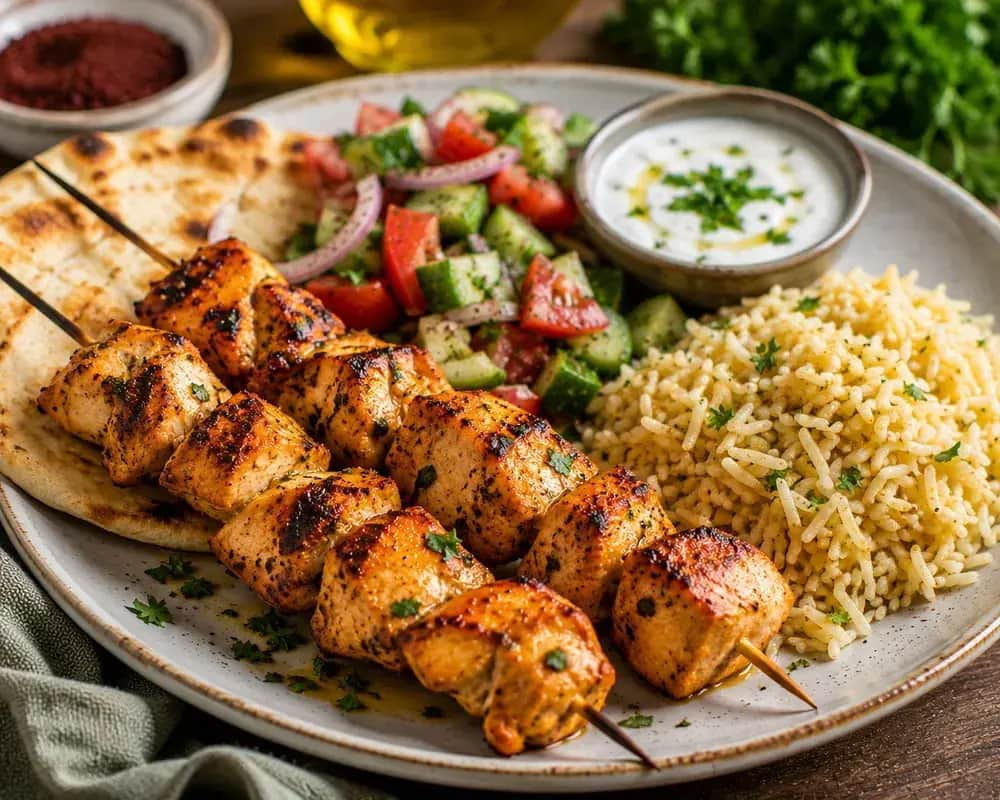
شيش طاووق (كباب الدجاج اللبناني)
أسياخ دجاج على الطريقة اللبنانية، طرية وعصيرية، متبلة بالزبادي والليمون والثوم وزيت الزيتون ومعجون الطماطم والتوابل الدافئة، ثم تُشوى حتى تنضج مع أطراف ذهبية ومحمرة قليلاً.