
Healthy Mezze Guide
Healthier Mediterranean Recipes Guide
Making a Mediterranean-inspired meal feel lighter does not require removing the character from the food. At Healthy Mezze, we focus on practical changes such as using more vegetables and legumes, choosing cooking methods thoughtfully, balancing sauces and dressings, and adjusting ingredients when needed while keeping the flavors that make the food enjoyable.
Start with the ingredients, not a label
We do not treat the word healthy as a substitute for understanding what is actually in a dish. Vegetables, legumes, herbs, spices, grains, olive oil, and practical protein choices can all have a place in a balanced meal. The overall combination, portion, preparation method, and your own dietary needs matter when deciding whether a particular recipe works for you.
Use vegetables to add volume and variety
Vegetables can bring color, texture, freshness, and flavor to a meal. Roasting, grilling, baking, or serving them fresh can create very different results from the same ingredient. We often look for opportunities to make vegetables a meaningful part of the plate rather than treating them only as a side dish.
Make legumes part of the meal
Chickpeas, lentils, beans, and fava beans are useful ingredients across Egyptian, Lebanese, and wider Mediterranean cooking. They can form the base of soups, salads, dips, bowls, and patties. Using legumes in different preparations is one practical way to create filling meals without relying on the same protein source every time.
Choose cooking methods thoughtfully
The way food is cooked can change both its texture and the amount of added fat needed. When it works for the recipe, we often prefer baking, roasting, grilling, or simmering instead of deep frying. This does not mean traditional frying has no place in cooking; some dishes depend on it. The important point is choosing a method that fits the dish and the result you want.
Build flavor without overwhelming the dish
Healthy cooking should still taste good. Garlic, onion, herbs, cumin, coriander, za'atar, sumac, lemon, vinegar, and other seasonings can create strong flavor without requiring complicated preparation. We recommend adding seasoning gradually and tasting as you go so that one ingredient does not overwhelm everything else.
Adjust sauces and dressings to your taste
A dressing or sauce can change the character of an entire meal. Start with the recipe's proportions, mix everything together, and taste before serving. If it needs more acidity, lemon or vinegar may help. If it needs more seasoning, adjust the salt or herbs. Small changes can make a sauce work better for your own preferences.
Make practical substitutions
Not every ingredient is available in every kitchen, and dietary preferences can also require changes. Some substitutions preserve the role of the original ingredient while others significantly change the dish. When a recipe includes What If or Recipe Rescue guidance, use it to understand possible swaps, texture changes, and flavor adjustments before making your decision.
Keep traditional food recognizable
Our approach is not to remove the identity from traditional food in the name of making it lighter. Recipes naturally change as they move between families, regions, and generations, and practical adaptations are part of that process. When we make a healthier or easier adjustment, we aim to make the distinction clear so you can understand what is traditional and what has been adapted.
Cook, taste, and make the recipe your own
A recipe is a starting point rather than a reason to stop thinking in the kitchen. Taste as you cook, observe texture and doneness, and make small adjustments when appropriate. Add more lemon if you prefer more acidity, increase the spice if you enjoy heat, or use a suitable substitute when an ingredient is unavailable. The goal is food that works in your real kitchen and that you genuinely enjoy eating.
Recipes from this guide
Try these recipes to put the ideas and ingredients from this guide into practice.
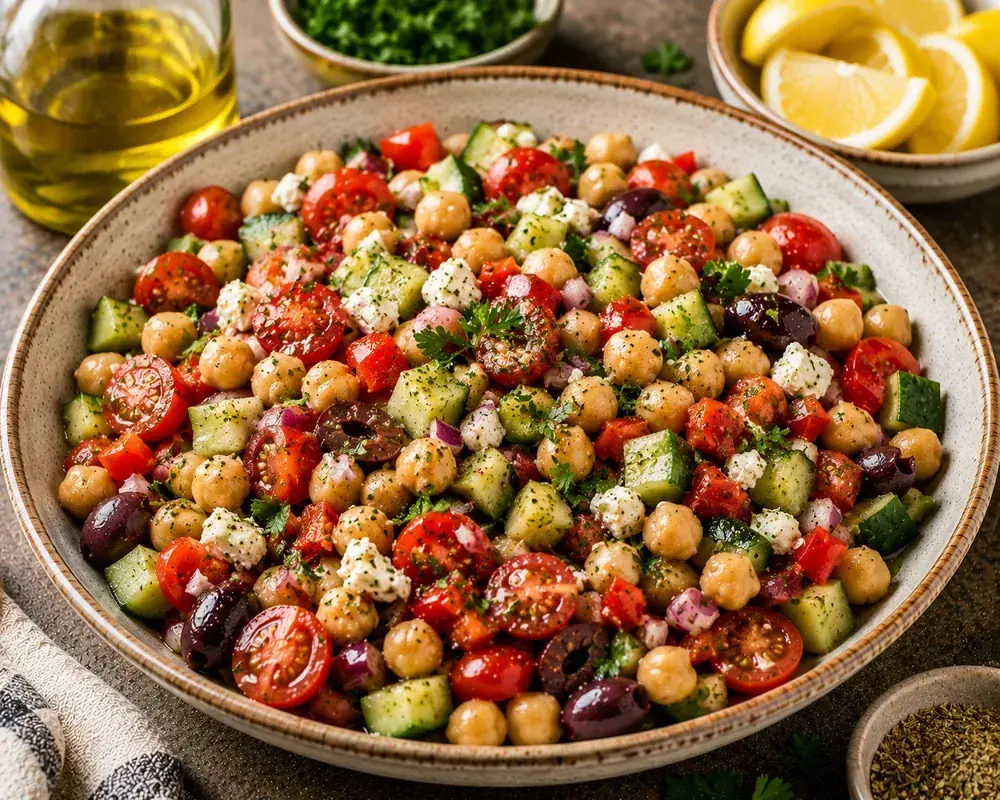
Mediterranean Chickpea Salad Recipe — Healthy Chickpea Salad with Lemon & Feta
A Mediterranean chickpea salad combining tender chickpeas with fresh vegetables, herbs, lemon, and extra virgin olive oil. The salad is substantial enough for lunch but also works as a side dish, mezze component, or make-ahead meal.
View recipe →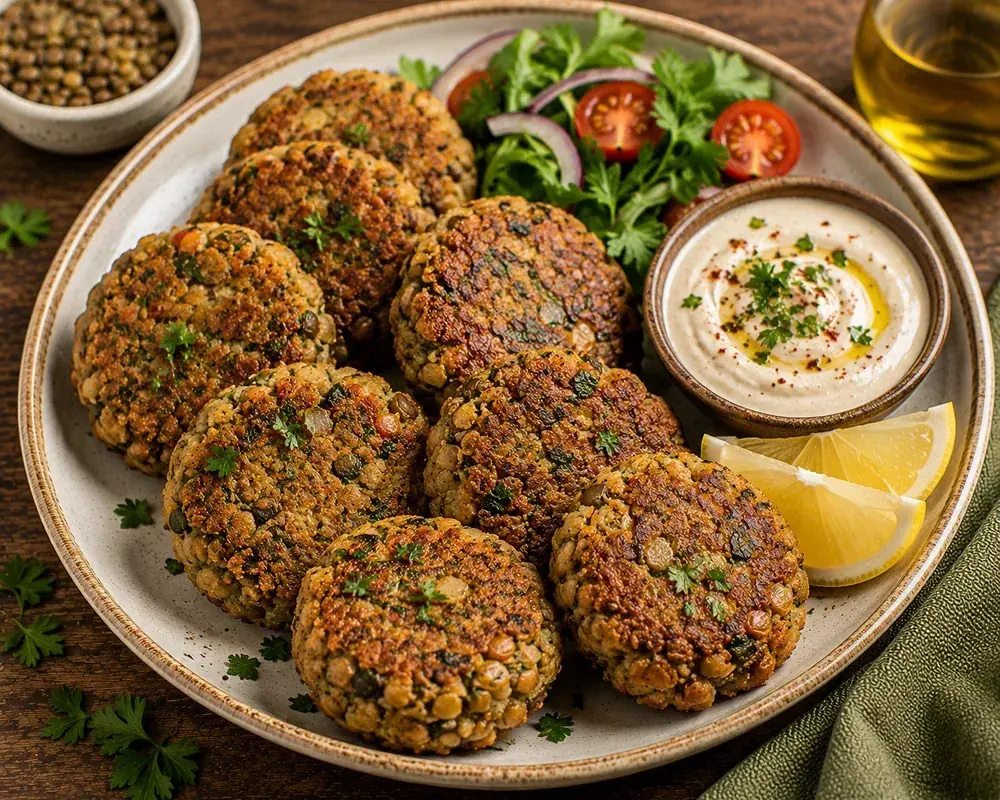
Mediterranean Lentil Patties Recipe — Healthy Baked Lentil Patties
Baked Mediterranean lentil patties made with lentils, vegetables, herbs, and warm spices. They develop a lightly browned exterior in the oven while staying tender inside, making them useful for pita fillings, mezze plates, or a simple vegetarian meal.
View recipe →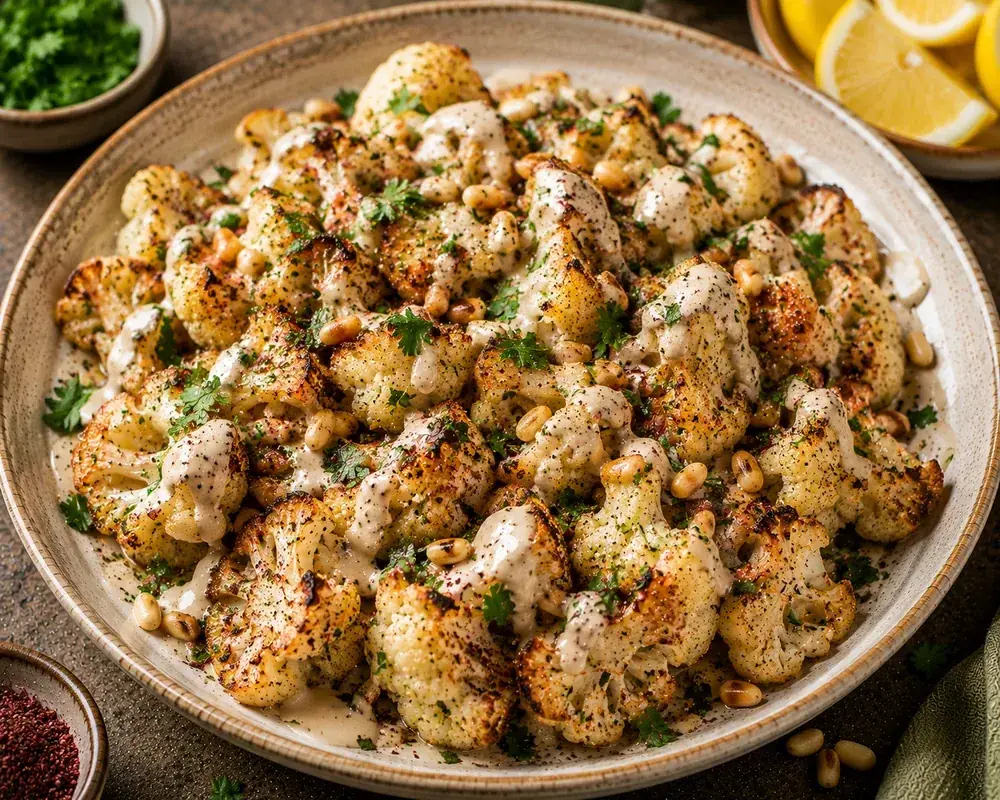
Roasted Cauliflower with Tahini Sauce Recipe — Lebanese Cauliflower Mezze
This roasted cauliflower with tahini sauce recipe is a simple Lebanese-inspired mezze made with golden roasted cauliflower, creamy lemon-garlic tahini, cumin, extra virgin olive oil, toasted pine nuts, fresh parsley, and paprika. An easy vegetarian and naturally vegan Mediterranean side dish or appetizer with deeply roasted edges, bright lemon, and silky sesame sauce.
View recipe →