Classic Tahini Sauce Recipe
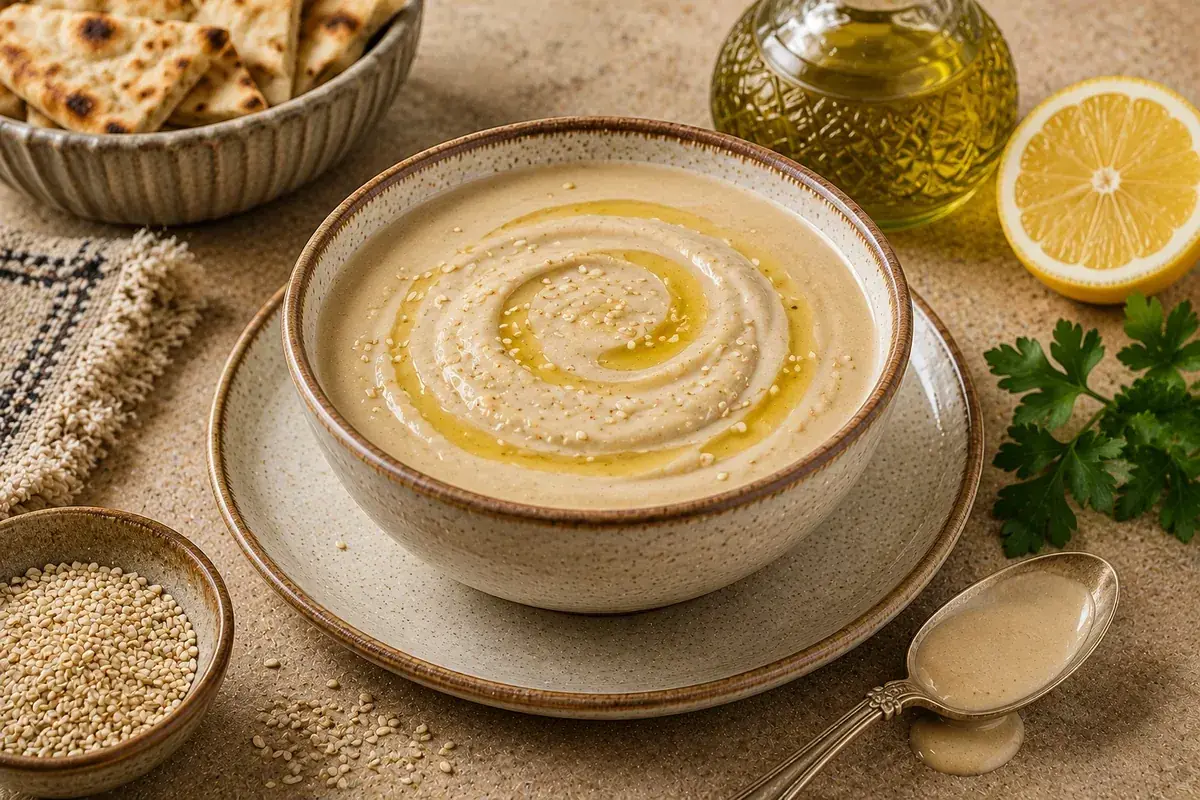
A classic tahini sauce made with sesame tahini, fresh lemon juice, garlic, parsley, olive oil, and cold water. This Lebanese-style sauce becomes smooth and pourable as the tahini is gradually loosened, making it a natural companion to falafel, shawarma, grilled foods, vegetables, and mezze.
Prep Time
10 mins
Cook Time
0 mins
Total Time
10 mins
Servings
8
A TASTE OF TRADITION
The Story Behind This Recipe
Tahini sauce is one of the most recognizable sesame-based preparations of the Levant. In Lebanese home cooking, tahini is not simply an ingredient for hummus; it is transformed into a versatile sauce that can accompany everything from falafel and grilled meats to fish, vegetables, and mezze. Its appeal comes from a simple transformation: nutty sesame paste, sharp lemon, garlic, and water become a smooth, creamy sauce with remarkable depth despite its short ingredient list.
Cultural & Culinary Context
The sauce belongs to the broader culinary tradition of the Levant, particularly Lebanon and neighboring countries where sesame tahini has long been an important pantry ingredient. Tahini sauces appear across many Middle Eastern tables in different forms and pairings. In Lebanese cuisine, the classic lemon-tahini combination is especially closely associated with dishes such as falafel, shawarma, grilled fish, and a variety of mezze. The exact balance of lemon, garlic, salt, and water varies between households, which is part of what makes tahini sauce a practical home-cooking staple rather than a rigid formula.
What Makes It Mediterranean?
This sauce reflects the Mediterranean way of building flavor from a small number of high-quality ingredients. Sesame tahini supplies richness, fresh lemon provides acidity, garlic brings aromatic depth, and extra virgin olive oil adds a fruity finish. Rather than relying on cream or butter, the sauce gets its luxurious texture from emulsifying tahini with water and citrus. It fits naturally alongside vegetables, legumes, whole grains, grilled foods, and other foods commonly found on a Mediterranean and Levantine table.
Mediterranean Influences
- 🌿Extra virgin olive oil contributes a traditional Mediterranean finishing element.
- 🌿Fresh lemon juice provides the acidity that balances the richness of sesame tahini.
- 🌿Garlic and fresh parsley are classic aromatic ingredients across Levantine cooking.
- 🌿Tahini is made from sesame seeds and is a long-established ingredient in Middle Eastern cuisine.
- 🌿The sauce is commonly served with vegetables, legumes, grains, grilled foods, and mezze.
- 🌿It is naturally plant-based and fits easily into Mediterranean-style meals centered on vegetables and legumes.
Ingredients
- 0.5 cup tahini (Stir thoroughly before measuring so the sesame paste and natural oil are evenly combined.)
- 0.25 cup fresh lemon juice (Freshly squeezed lemon gives the sauce its characteristic brightness.)
- 2 cloves garlic (Finely minced or crushed.)
- 3–5 tbsp cold water (Add gradually; the exact amount depends on the tahini and desired consistency.)
- 1 tbsp extra virgin olive oil (Adds a smooth finish and Mediterranean richness.)
- 2 tbsp fresh parsley (Finely chopped.)
- 0.5 tsp sea salt (Adjust to taste.)
- 0.25 tsp ground cumin (Optional; adds a warm, earthy note.)
Instructions
- 1
Stir the tahini thoroughly before measuring. If the jar has separated, mix the sesame paste and its natural oil until completely uniform.
- 2
Place 1/2 cup tahini in a medium mixing bowl. Add 1/4 cup fresh lemon juice and whisk vigorously. The mixture will become noticeably thicker and may look grainy or curdled; this is a normal part of the process.
- 3
Add 2 finely minced garlic cloves and 1/2 teaspoon sea salt. Whisk until the garlic and salt are evenly distributed.
- 4
Add 3 tablespoons of cold water gradually, about 1 tablespoon at a time, whisking continuously after each addition. The thick tahini mixture will gradually become lighter, smoother, and creamier.
- 5
Check the consistency before adding more water. For a thick dipping sauce, 3 tablespoons may be enough. Add the remaining 1–2 tablespoons gradually if you want a thinner sauce for drizzling or salad dressing.
- 6
Whisk in 1 tablespoon extra virgin olive oil, 2 tablespoons finely chopped parsley, and 1/4 teaspoon ground cumin if using.
- 7
Taste the finished sauce. Add a small amount of lemon juice if it needs more brightness, a pinch of salt if the flavor tastes flat, or another tablespoon of cold water if it is too thick.
- 8
Serve immediately, or transfer to an airtight container and refrigerate for up to 5 days. If the sauce thickens while chilled, whisk in a small splash of cold water before serving.
SET YOURSELF UP FOR SUCCESS
Before You Cook
👨🍳 Keep In Mind
- •Stir the tahini thoroughly before measuring because sesame paste naturally separates in the jar. Using only the thick portion can make the sauce unusually dense.
- •Use freshly squeezed lemon juice when possible. Bottled lemon juice can work, but it may produce a less vibrant flavor.
- •Have 3–5 tablespoons of cold water ready before you begin. Do not add all of it at once because different brands of tahini absorb water differently.
- •Finely mince or crush the garlic so that strong pieces do not remain concentrated in individual bites.
💡 Helpful Tips
- •Do not worry if the tahini becomes dramatically thicker immediately after adding lemon juice. This temporary thickening is expected.
- •Add water slowly while whisking. This is the easiest way to control the final consistency.
- •For dipping falafel or vegetables, aim for a thick but spoonable consistency.
- •For drizzling over shawarma, roasted vegetables, or salads, continue adding water until the sauce flows easily from a spoon.
- •Taste after the sauce reaches its final consistency because adding water can slightly dilute the seasoning.
- •If the sauce tastes too bitter, first check the tahini itself; some sesame pastes are naturally more bitter than others. A little additional lemon, salt, or water can help rebalance it.
👀 How Do I Know It's Done?
- ✓The tahini sauce is ready when it is completely smooth, creamy, and evenly seasoned.
- ✓There should be no visible lumps of tahini, unmixed garlic, or pools of water.
- ✓The consistency should match its intended use: thicker for dipping and thinner for drizzling or dressing.
- ✓The flavor should have a balanced combination of sesame richness, lemon acidity, garlic, and salt without any single element overpowering the others.
WANNA SEE IT IN ACTION ?
Step-by-Step Visual Guide

Measure and Stir the Tahini
Measure 1/2 cup tahini into a medium mixing bowl. If the tahini has separated in its container, stir it thoroughly first so the sesame solids and natural oil are evenly combined. This helps produce a smoother sauce and more predictable consistency.
💡 Tip: Always stir separated tahini before measuring; otherwise the sauce can turn out much thicker than expected.

Whisk in the Lemon Juice
Add 1/4 cup freshly squeezed lemon juice to the 1/2 cup tahini. Whisk vigorously until combined. The mixture will become very thick and may look slightly grainy or curdled. Do not add water yet; this temporary thickening is a normal part of making tahini sauce.
💡 Tip: The thickening at this stage is expected and does not mean the sauce has failed.

Add Garlic and Salt
Add 2 finely minced garlic cloves and 1/2 teaspoon sea salt to the thick tahini and lemon mixture. Whisk thoroughly so the garlic and salt are distributed evenly throughout the sauce before adding water.
💡 Tip: Finely minced or crushed garlic distributes more evenly and prevents strong garlic pieces from collecting in the sauce.

Gradually Add Cold Water
Begin with 3 tablespoons of cold water. Add it about 1 tablespoon at a time while whisking continuously. The sauce will gradually become lighter, smoother, and creamier. If you want a thinner dressing, add the remaining 1–2 tablespoons gradually until the desired consistency is reached.
💡 Tip: Never pour all 3–5 tablespoons of water in at once. Gradual addition gives you control over the final texture.

Finish with Olive Oil, Parsley, and Cumin
Once the sauce is smooth, whisk in 1 tablespoon extra virgin olive oil, 2 tablespoons finely chopped fresh parsley, and 1/4 teaspoon ground cumin if using. Mix until the herbs are evenly distributed and the sauce has a glossy, creamy appearance.
💡 Tip: Cumin is optional. Leave it out when you want the lemon and sesame flavors to remain especially clean and bright.

Adjust and Serve
Taste the completed sauce and adjust it before serving. Add a little more lemon juice for brightness, a pinch of salt if needed, or cold water 1 tablespoon at a time if it is too thick. For dipping, keep it thick and spoonable; for drizzling over shawarma, roasted vegetables, or salads, loosen it until it flows easily from a spoon.
💡 Tip: If refrigerated, the sauce may thicken. Whisk in a small splash of cold water before serving to restore its creamy consistency.
Tweak It
Make This Recipe Work for You
Adapt the recipe to your ingredients, dietary needs, budget, time, serving size, or meal-prep plans.
🔄 Ingredient Substitutions
Make the Garlic Milder
Reduce the garlic from 2 cloves to 1 clove for a gentler sauce, especially when serving it with delicate fish or lightly seasoned vegetables.
Skip the Cumin
Cumin is optional. Leave it out for a cleaner sesame-lemon flavor that works particularly well as a salad dressing.
🌱 Dietary Adjustments
Naturally Vegan
The recipe contains only plant-based ingredients and requires no dairy, eggs, or animal products.
Dairy-Free
The sauce is naturally dairy-free and can replace yogurt- or cream-based sauces in many meals.
💰 Budget-Friendly Options
Keep It Budget-Friendly
Tahini is the main cost driver. Use a good-quality everyday tahini rather than an expensive specialty variety; fresh lemon, garlic, and parsley provide plenty of flavor.
⏱️ Time-Saving Options
Make It in Minutes
The sauce requires no cooking. Keep tahini, lemons, and garlic available and the complete sauce can be prepared in about 10 minutes.
👨👩👧👦 Serving Adjustments
Make a Larger Batch
Double every ingredient for a larger batch. Add the water gradually rather than doubling the water all at once because the amount required depends on the tahini's consistency.
🥡 Meal Prep
Prepare Ahead
Make the sauce up to 5 days ahead and store it refrigerated in an airtight container. Stir thoroughly and loosen with a small amount of cold water before serving if necessary.
RECIPE RESCUE
🧩 What Do You Need Help With?
Choose the problem you're facing and get a recipe-specific solution instead of a generic cooking tip.
WHAT IF?
🔄 What If...?
Choose your situation and we'll show you a practical pathway for making this recipe work.
STORAGE & LEFTOVERS
🥡 Storage & Leftovers
Transfer the finished tahini sauce to a clean airtight container.
Refrigerate promptly and keep chilled for up to 5 days.
Stir thoroughly before each use because the sauce may thicken or separate slightly during storage.
If it has become too thick, whisk in a small amount of cold water until the desired consistency returns.
Best Storage Time
Up to 5 days refrigerated
How to Store
Clean airtight container
SERVING & PAIRING
🍽️ Serving & Pairing
Serve the tahini sauce chilled or slightly cool as a dip, drizzle, or accompaniment. It is especially useful when you want a creamy sauce with bright lemon flavor but without dairy.
What Goes Well With It?
RECIPE FAQ
❓ Frequently Asked Questions
How do you make classic tahini sauce?
To make classic tahini sauce, first whisk sesame tahini with fresh lemon juice until the mixture becomes very thick. Add minced garlic and salt, then gradually whisk in cold water, about 1 tablespoon at a time, until the sauce becomes smooth, pale, and creamy. Finish with extra virgin olive oil, fresh parsley, and optional cumin. Keep the sauce thicker for dipping or add more water for a thinner consistency suitable for drizzling and salad dressing.
Why did my tahini become very thick after adding lemon juice?
This is normal. Lemon juice causes tahini to seize and thicken temporarily. Continue whisking while adding cold water gradually and the mixture will loosen into a smooth sauce.
How much water should I add to tahini sauce?
Start with 3 tablespoons of cold water and add more one tablespoon at a time. Usually 3–5 tablespoons is enough, but the exact amount varies with the thickness of the tahini and the desired final consistency.
Should tahini sauce be thick or thin?
It depends on how you are serving it. Keep it thick and spoonable for dipping falafel and vegetables. Add more water for a thinner sauce that can be drizzled over shawarma, roasted vegetables, or salads.
Can I make tahini sauce without cumin?
Yes. Cumin is optional. The classic sesame, lemon, garlic, and parsley combination is flavorful without it.
Can I make tahini sauce ahead of time?
Yes. Store it in an airtight container in the refrigerator for up to 5 days. It may thicken while chilled, so whisk in a small amount of cold water before serving.
Why does my tahini sauce taste bitter?
Sesame tahini naturally varies in bitterness. Try balancing it with a small amount of lemon juice, salt, and cold water. If the tahini itself has an unusually harsh or stale flavor, the quality or freshness of the tahini may be the cause.
Is classic tahini sauce vegan?
Yes. This recipe contains only plant-based ingredients and is naturally vegan and dairy-free.
What is tahini sauce traditionally served with?
In Lebanese and wider Levantine cooking, it is commonly served with falafel, shawarma, grilled fish, grilled meats, roasted vegetables, salads, pita, and assorted mezze.
Explore More
Go deeper into the cuisine
Learn more about the ingredients, traditions, and cooking approaches connected to this recipe.
You May Also Like
More delicious recipes from the Dips & Sauces

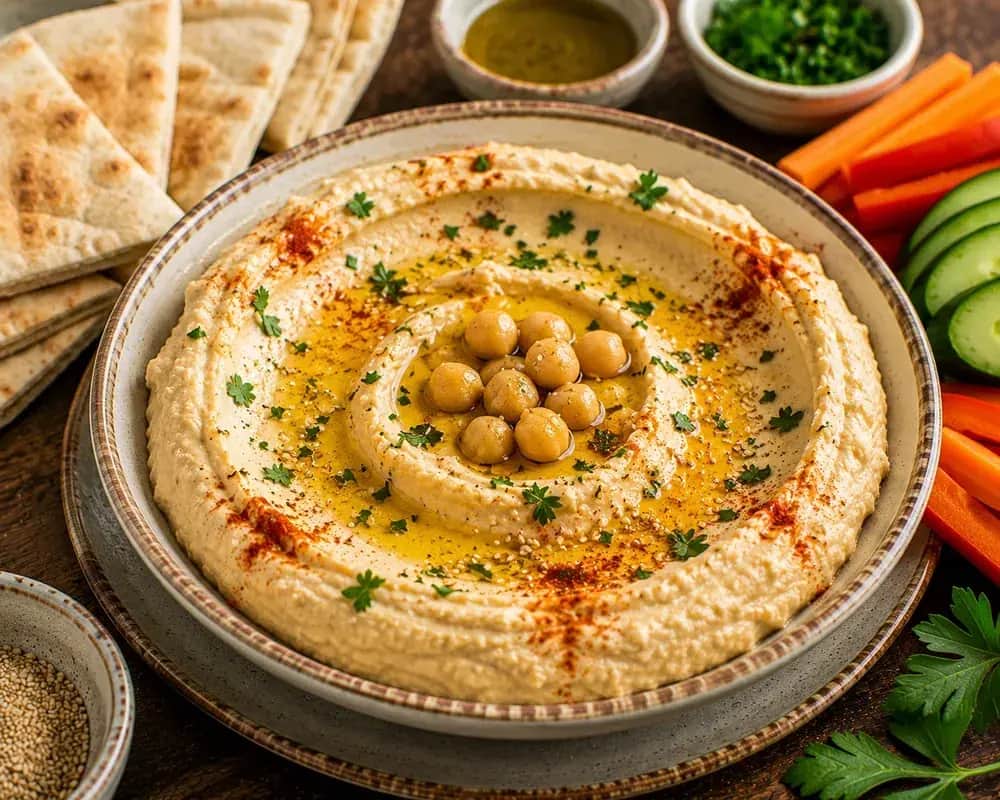
Classic Hummus Recipe — Palestinian Hummus bi-Tahini
A classic Palestinian hummus bi-tahini made with exceptionally tender chickpeas, creamy tahini, fresh lemon juice, garlic, cumin, and extra virgin olive oil. The finished hummus is smooth, light, and balanced, with warm Arabic bread for serving.

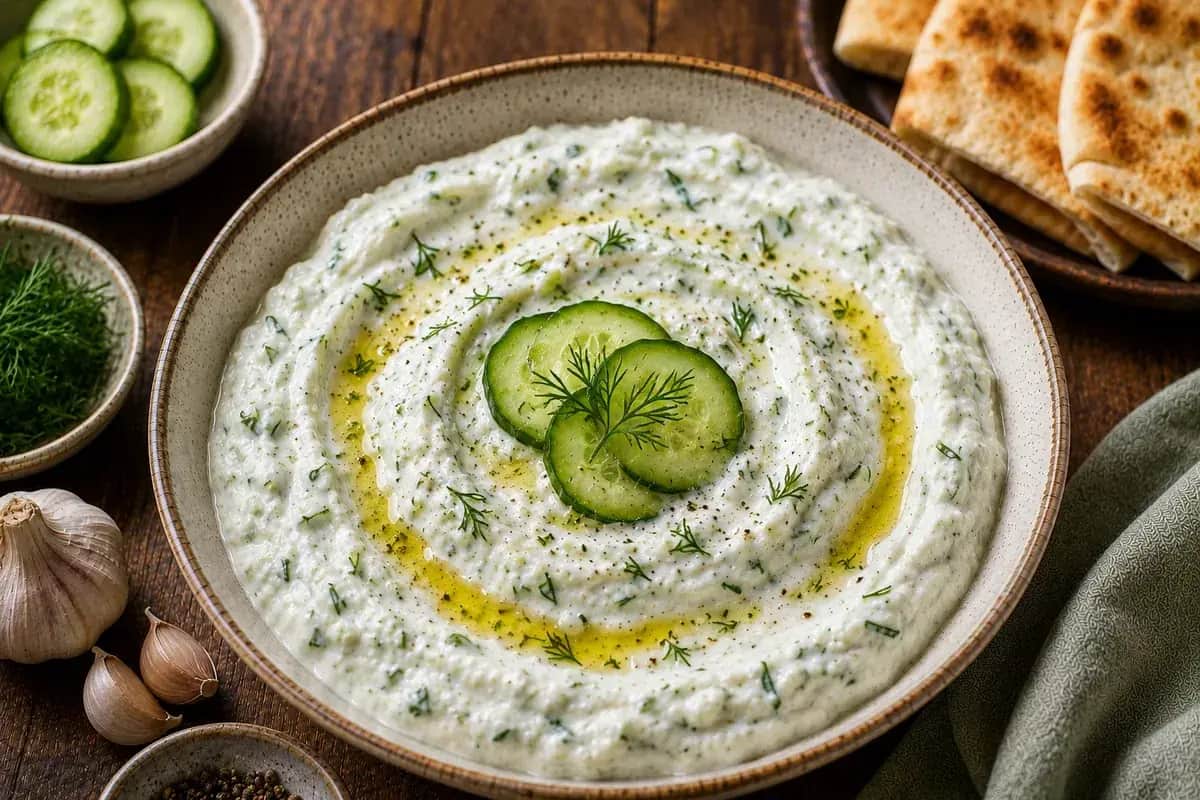
Creamy Tzatziki Sauce Recipe
A creamy tzatziki sauce recipe made with thick Greek yogurt, cucumber, garlic, fresh dill, optional mint, lemon juice, and extra virgin olive oil. This Lebanese-style yogurt sauce is cool, tangy, refreshing, and perfect with grilled chicken, shawarma, falafel, vegetables, wraps, warm pita, and mezze.

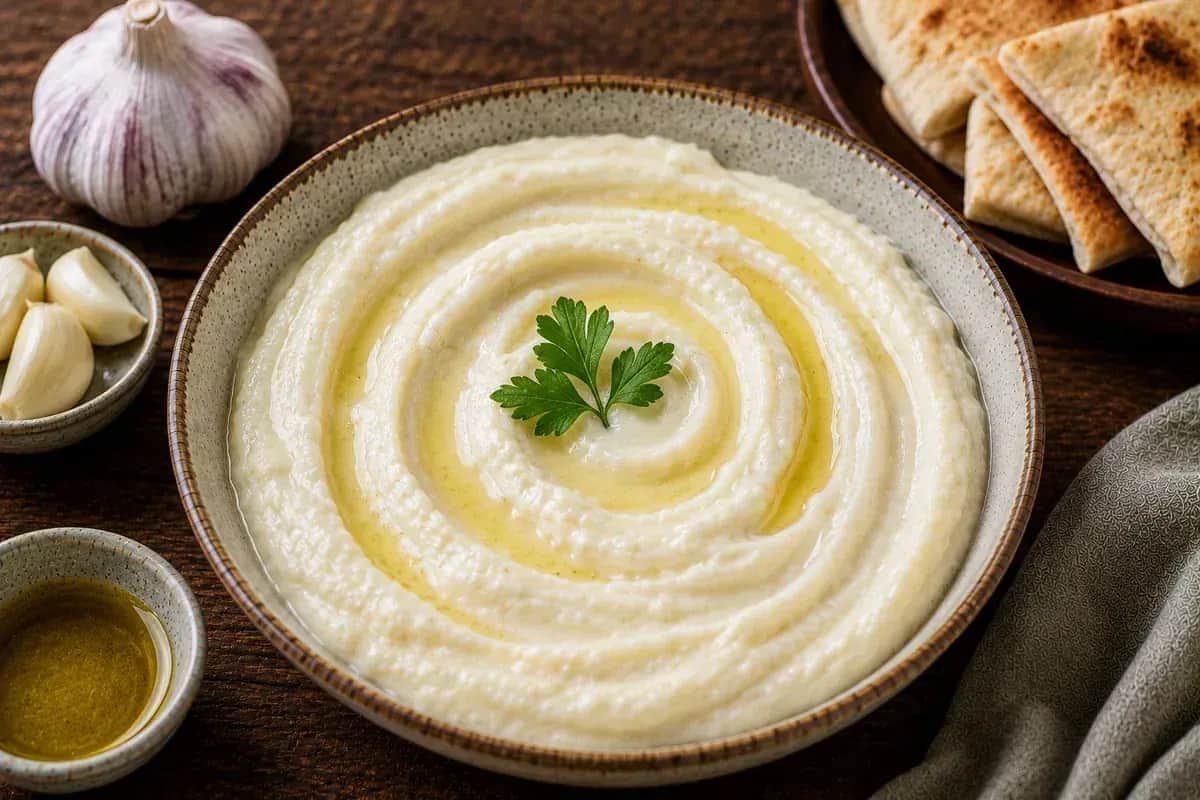
Classic Toum Recipe (Lebanese Garlic Sauce)
A Lebanese toum made with fresh garlic, lemon juice, avocado oil, aquafaba, and sea salt. The sauce is intensely garlicky, bright with lemon, and remarkably light and fluffy, making it a classic accompaniment to shawarma, grilled meats, potatoes, sandwiches, and mezze.