
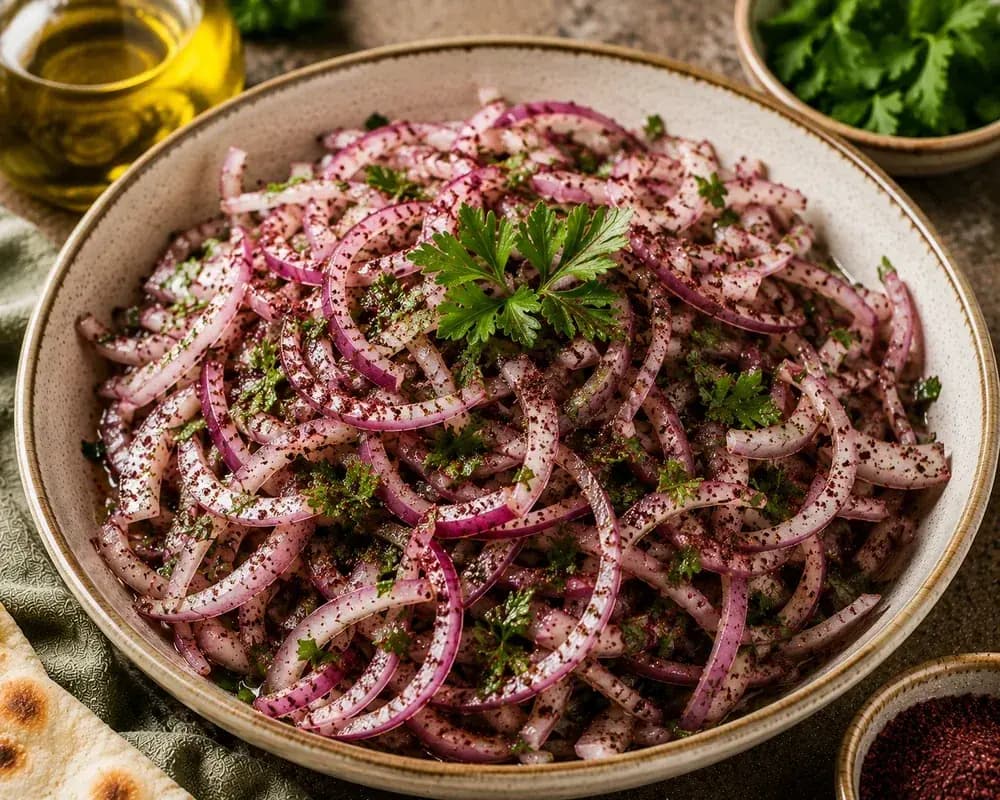
سلطة البصل التركية بالسماق
سلطة تركية منعشة من البصل والبقدونس، تُحضّر من البصل الأحمر المقطّع شرائح رفيعة، والسماق الحامض، وعصير الليمون الطازج، والبقدونس، وزيت الزيتون البكر الممتاز.
وقت التحضير
15 mins
وقت الطهي
0 mins
الوقت الإجمالي
15 mins
عدد الحصص
4
نكهة من التراث
القصة وراء هذه الوصفة
بعض أكثر الأطباق فائدة في مطابخ البحر المتوسط والشرق الأوسط ليست أطباقًا رئيسية معقدة، بل أطباق جانبية صغيرة وغنية بالنكهة تجعل كل ما يُقدّم معها أكثر لذة. سلطة البصل التركية بالسماق واحدة من هذه الأطباق. وتُعرف في التركية باسم Soğan Piyazı، وهي تجمع بين البصل المقطع رفيعًا والبقدونس الوفير والسماق الحامض والليمون وزيت الزيتون في سلطة مقرمشة ومنعشة صُممت لتخفيف ثقل الأطعمة المشوية الغنية.
السياق الثقافي والطهي
تنتمي Soğan Piyazı إلى تقليد تركي يقوم على تقديم المرافقات الطازجة والحامضة إلى جانب اللحوم المشوية والكباب. وتصف المصادر التركية المعاصرة هذه السلطة بأنها مزيج من البصل والبقدونس والسماق، وتقدمها بشكل خاص مع الكباب. وتُعرف هذه الوصفة باسم Soğan Piyazı في مصادر الطعام التي تربطها مباشرة بثقافة الكباب والأطعمة المشوية.
ما الذي يجعلها متوسطية او عربيه ؟
على الرغم من أن هذه وصفة تركية تحديدًا، فإن منطق نكهاتها ينتمي بصورة طبيعية إلى تقاليد الطعام في شرق البحر المتوسط، حيث تُستخدم الخضروات الطازجة والأعشاب وزيت الزيتون والليمون والتوابل الحامضة لإضافة الانتعاش والتوازن إلى الأطعمة الغنية. ويكتسب السماق أهمية خاصة بسبب نكهته الحامضة الشبيهة بالليمون، التي تضيف الحموضة دون إدخال كمية إضافية من السوائل. لذلك تبدو السلطة تركية بوضوح، وفي الوقت نفسه مرتبطة بنهج أوسع في مطبخ البحر المتوسط الشرقي يقوم على موازنة الدسم والغنى بالانتعاش والحموضة والأعشاب.
شو اللي صار ؟
- 🌿يوفر زيت الزيتون البكر الممتاز مصدر الدهون الأساسي ويمنح السلطة نهاية ناعمة.
- 🌿يُستخدم البقدونس بكمية سخية كعنصر أساسي وليس مجرد زينة.
- 🌿يوفر عصير الليمون الطازج حموضة واضحة توازن حدّة البصل.
- 🌿يمنح السماق نكهة حامضة طبيعية شبيهة بالحمضيات وهو من التوابل الأساسية في الطبق.
- 🌿يوفر البصل النيء الانتعاش والقرمشة ويتناسب بشكل خاص مع الأطعمة المشوية.
- 🌿تعتمد السلطة على الخضروات ولا تحتاج إلى صلصة ثقيلة أو مكونات كريمية.
- 🌿يعكس تقديمها كمرافقة مشرقة للأطعمة المشوية أسلوبًا أوسع في مطابخ البحر المتوسط وشرق المتوسط لموازنة الأطباق الغنية بمكونات حامضة وعطرية ومنعشة.
المكونات
- 1 بصلة حمراء متوسطة (تُقطع إلى نصفين ثم إلى شرائح نصف دائرية رفيعة جدًا ومتساوية بسماكة تقارب 2–3 مم. يساعد السكين الحاد على الحصول على شرائح رفيعة تستوي في التطرية بشكل متساوٍ مع الاحتفاظ ببعض القرمشة.)
- 0.5 ملعقة صغيرة ملح كوشير (يُستخدم أولًا لفرك البصل وتطريته. أضف الملح الإضافي بحذر لاحقًا لأن البصل يكون قد امتص جزءًا من الملح بالفعل.)
- 0.25 كوب عصير ليمون طازج (يضيف الحموضة ويساعد على تخفيف حدّة البصل النيء خلال فترة الراحة.)
- 4 ملعقة صغيرة سماق مطحون (هو التابل المميز في هذه السلطة. اختر سماقًا عطريًا ذا لون زاهٍ للحصول على أفضل نكهة حامضة.)
- 1.5 كوب بقدونس طازج ذو أوراق مسطحة (يُعبأ بخفة ويُفرم فرمًا خشنًا. البقدونس جزء أساسي من السلطة وليس مجرد زينة.)
- 2 ملعقة كبيرة زيت زيتون بكر ممتاز (يمنح السلطة قوامًا ناعمًا ونكهة متوازنة ويساعد على توزيع نكهات الليمون والسماق والبصل.)
- 0.25 ملعقة صغيرة فلفل أسود مطحون طازجًا (يُضاف في النهاية ويُضبط حسب الذوق بعد التذوق.)
طريقة التحضير
- 1
قطّع البصلة الحمراء المتوسطة إلى نصفين من الجذر إلى الطرف، ثم قشّرها وضع أحد النصفين على الجانب المسطح. قطّعه إلى شرائح نصف دائرية رفيعة جدًا بسماكة تقارب 2–3 مم. كرر العملية مع النصف الآخر. يساعد الحفاظ على سماكة رفيعة ومتساوية على تطرية البصل بشكل متجانس دون فقدان قرمشته بالكامل.
- 2
ضع جميع شرائح البصل الأحمر في وعاء خلط متوسط الحجم وأضف 1/2 ملعقة صغيرة من ملح الكوشير.
- 3
باستخدام أصابع نظيفة، افرك واضغط على البصل بالملح بلطف لمدة دقيقة تقريبًا. اعصر الشرائح وحرّكها حتى تصبح أكثر ليونة قليلًا وأكثر لمعانًا وتبدأ بإخراج كمية صغيرة من الرطوبة، لكن لا تسحقها أو تحولها إلى معجون.
- 4
أضف 1/4 كوب من عصير الليمون الطازج و4 ملاعق صغيرة من السماق المطحون. قلّب جيدًا حتى يغطي الليمون والسماق شرائح البصل بالتساوي.
- 5
اترك البصل مع عصير الليمون والسماق لمدة 10 دقائق تقريبًا. تساعد فترة الراحة القصيرة هذه على تخفيف حدّة البصل النيء ومنحه وقتًا لامتصاص النكهة الحامضة المميزة للسماق.
- 6
أضف 1 1/2 كوب من البقدونس الطازج ذو الأوراق المسطحة والمفروم فرمًا خشنًا، و2 ملعقة كبيرة من زيت الزيتون البكر الممتاز، و1/4 ملعقة صغيرة من الفلفل الأسود المطحون طازجًا.
- 7
قلّب المكونات بلطف حتى يتوزع البقدونس بالتساوي وتُغطى شرائح البصل بخفة. تجنب الضغط القوي على الخليط بعد مرحلة الراحة حتى تحافظ السلطة على انتعاشها وقرمشتها.
- 8
تذوق السلطة قبل إضافة أي ملح إضافي. تختلف قوة الأملاح بحسب نوعها وحجم حبيباتها، كما أن البصل قد تشرّب الملح المضاف في البداية.
- 9
قدّم السلطة مباشرة أو بعد وقت قصير من تحضيرها إلى جانب اللحوم المشوية والكباب والكفتة والفلافل واللحم بعجين واللفائف أو ضمن مائدة مزة على الطريقة التركية.
جهّز نفسك لنجاح الوصفة
قبل أن تبدأ الطهي
👨🍳 ملاحظات
- •استخدم بصلة حمراء متماسكة ذات قشرة خارجية جافة وخالية من البقع اللينة.
- •استخدم سكينًا حادًا حتى تتمكن من تقطيع البصل إلى شرائح رفيعة ومتساوية. الشرائح السميكة ستظل أكثر حدّة وتحتاج إلى وقت أطول حتى تلين.
- •اغسل البقدونس جيدًا وجففه تمامًا وأزل السيقان السميكة قبل فرمه. قد يؤدي الماء الزائد إلى تخفيف الصلصة.
- •استخدم عصير ليمون طازجًا معصورًا حديثًا بدلًا من العصير المعبأ كلما أمكن. الحموضة الطازجة تكون أنظف وأكثر إشراقًا.
- •تحقق من جودة السماق قبل البدء. يجب أن تكون رائحته حامضة وفاكهية بشكل لطيف وليس باهتة أو قديمة.
- •قِس 1/2 ملعقة صغيرة من الملح قبل البدء لأن الملح يُستخدم تحديدًا في مرحلة فرك البصل.
- •حضّر السلطة قريبًا من وقت التقديم. أهم ما يميزها هو التباين بين البصل المعتدل والبقدونس الطازج والحموضة المشرقة.
💡 نصائح مفيدة
- •قطّع البصل إلى أرق شرائح عملية ممكنة. الشرائح السميكة جدًا ستظل قاسية وحدّة في الوسط حتى بعد الراحة.
- •لا تضف عصير الليمون والسماق قبل فرك البصل بالملح. فمرحلة فرك البصل بالملح جزء مهم من طريقة التحضير.
- •افرك البصل لمدة دقيقة تقريبًا بدلًا من سحقه بقوة. الهدف هو تليين القوام وسحب بعض الرطوبة مع الحفاظ على القرمشة.
- •لا تغسل البصل بعد تمليحه. فالملح والعصارة التي يطلقها البصل يساهمان في نكهة وقوام السلطة.
- •اترك البصل مع الليمون والسماق لمدة 10 دقائق كاملة. تساعد هذه الراحة القصيرة على تخفيف حدّة البصل.
- •لا تضف البقدونس مبكرًا جدًا إذا كنت تريد الحفاظ على لونه الزاهي وقوامه الطازج.
- •تذوق السلطة قبل إضافة أي ملح إضافي لأن البصل تم تمليحه مسبقًا.
- •إذا كان السماق قويًا جدًا، فلا تقلل عصير الليمون مباشرة. تذوق السلطة بعد فترة الراحة أولًا لأن الحموضة تصبح أكثر توازنًا مع الوقت.
- •لا تفرم البقدونس إلى درجة يصبح معها معجونًا. احتفظ بأوراق واضحة للحصول على قوام أكثر انتعاشًا.
- •قدّم السلطة كموازنة للأطعمة الغنية بدلًا من التعامل معها كسلطة خضراء ذات تتبيلة ثقيلة.
👀 كيف تعرف أنها جاهزة؟
- ✓يصبح البصل أكثر ليونة قليلًا لكنه يحتفظ بقرمشة لطيفة.
- ✓تخف رائحة البصل النيء الحادة بشكل واضح بعد مرحلة الليمون والسماق.
- ✓يبقى البقدونس أخضر وطازج المظهر وليس ذابلًا.
- ✓يتوزع السماق بالتساوي بين البصل والبقدونس.
- ✓يكون مذاق السلطة مشرقًا وحامضًا وعطريًا ولذيذًا بدلًا من أن يكون حادًا بشكل مزعج.
- ✓يجب أن تكون كمية التتبيلة كافية لتغليف المكونات بخفة دون أن تسبح السلطة في السائل.
- ✓يجب أن تقدم السلطة تباينًا حامضيًا ومنعشًا عند تناولها مع طبق مشوي غني.
ظبتها
اجعل هذه الوصفة مناسبة لك
عدّل الوصفة بما يناسب المكونات المتوفرة لديك واحتياجاتك الغذائية وميزانيتك ووقتك وعدد الأشخاص وخطط تحضير الوجبات.
🔄 بدائل المكونات
إذا لم تجد السماق
السماق يتمتع بنكهة حامضة مميزة تشبه الليمون وهو التابل الأساسي في هذه السلطة. إذا لم يتوفر، يمكنك استخدام خليط بديل من 1 ملعقة صغيرة كزبرة مطحونة، و1/4 ملعقة صغيرة كمون مطحون، و3/4 ملعقة صغيرة بابريكا حلوة. لن يكون الطعم مطابقًا للسماق، لكنه يوفر بعض التوازن العطري والحامض.
استخدام نوع آخر من البصل
يمكن استخدام البصل الأبيض أو الأصفر، وتختلف أنواع البصل المستخدمة في الوصفات التقليدية. يتميز البصل الأحمر هنا بلونه الجميل الذي يتباين مع اللون الأخضر للبقدونس.
تعديل كمية زيت الزيتون
لتحضير نسخة أخف، يمكنك تقليل كمية زيت الزيتون قليلًا. لا يُنصح بإزالته بالكامل إذا كنت تريد النكهة والقوام المتوازن المرتبطين بالتحضير التقليدي.
🌱 التعديلات الغذائية
نباتية
الوصفة الأساسية نباتية بطبيعتها ولا تحتوي على منتجات الألبان أو البيض أو أي منتجات حيوانية.
خالية من الألبان
الوصفة الأساسية خالية من منتجات الألبان بطبيعتها.
خالية من الغلوتين
المكونات الأساسية في الوصفة خالية من الغلوتين بطبيعتها. عند تحضيرها لشخص مصاب بالداء الزلاقي، تحقق من التوابل المعبأة لتجنب التلوث التبادلي وفق احتياجاته الغذائية.
💰 خيارات اقتصادية
استفد من البقدونس بالكامل
استخدم البقدونس بكمية سخية كما تنص الوصفة بدلًا من اعتباره مجرد زينة. فهو أحد المكونات الرئيسية ويمنح السلطة معظم انتعاشها.
استخدم الليمون بكفاءة
دحرج الليمونة بقوة على سطح العمل قبل تقطيعها وعصرها. يساعد ذلك على تحرير كمية أكبر من العصير وتقليل الهدر.
⏱️ خيارات لتوفير الوقت
قطّع البصل مسبقًا
يمكن تقطيع البصل قبل التحضير بقليل. احتفظ به مغطى في الثلاجة إذا احتجت إلى الانتظار، لكن يفضل تنفيذ مرحلة فرك الملح وراحة الليمون والسماق قريبًا من وقت التقديم للحفاظ على أفضل قوام.
حضّر البقدونس مسبقًا
يمكن غسل البقدونس وتجفيفه جيدًا في وقت مبكر من اليوم. احفظه ملفوفًا بخفة داخل منشفة نظيفة أو منشفة ورقية في الثلاجة، ثم افرمه قبل الخلط مباشرة.
👨👩👧👦 تعديل الكمية
مضاعفة الوصفة
لتحضير 8 حصص، ضاعف جميع المكونات. استخدم وعاءً أكبر حتى تتمكن من فرك البصل بالتساوي وتقليب السلطة النهائية دون سحق البقدونس.
تحضير كمية أصغر
لتحضير حصتين، قلل جميع المكونات إلى النصف. حافظ على النسب بين الملح والحموضة بدل تقديرها بالعين لأن التوازن مهم جدًا عند استخدام كمية صغيرة من البصل.
🥡 تحضير الوجبات مسبقًا
تحضير المكونات مسبقًا
اغسل البقدونس وجففه، وقطّع البصل، وقِس كمية السماق والملح مسبقًا. احتفظ بالمكونات منفصلة في الثلاجة وأكمل مرحلة فرك البصل بالملح وراحة الليمون والسماق قريبًا من وقت التقديم.
أفضل عند تقديمها طازجة
تكون السلطة في أفضل حالاتها بعد تحضيرها بوقت قصير. إذا كنت بحاجة إلى تحضيرها مسبقًا، أضف البقدونس وزيت الزيتون قريبًا من وقت التقديم حتى تبقى الأعشاب طازجة ولا تصبح السلطة طرية أكثر من اللازم.
إنقاذ الوصفة
🧩 ما الذي تحتاج إلى مساعدة فيه؟
اختر المشكلة التي تواجهها وسنقدم لك حلًا خاصًا بهذه الوصفة بدلًا من نصيحة عامة للطهي.
ماذا لو؟
🔄 ماذا لو...؟
اختر وضعك وسنوضح لك طريقة عملية تجعل هذه الوصفة مناسبة لاحتياجاتك.
التخزين والبقايا
🥡 التخزين وحفظ البقايا
للحصول على أفضل قوام، قدّم السلطة بعد تحضيرها بوقت قصير.
إذا احتجت إلى حفظ البقايا، انقلها إلى وعاء نظيف محكم الإغلاق وضعها في الثلاجة بسرعة.
احفظ السلطة مبردة واستخدم أدوات نظيفة عند تقديم البقايا.
سيستمر البصل في التطرية أثناء بقائه في خليط الليمون والسماق، لذلك ستصبح قرمشته أقل تدريجيًا.
قبل تقديم البقايا المبردة، قلّبها بلطف واتركها لفترة قصيرة حتى يعود زيت الزيتون إلى سيولته وتصبح النكهات أكثر وضوحًا.
تخلص من البقايا التي تُركت في درجة حرارة الغرفة لفترة طويلة بدل محاولة إنقاذها.
أفضل مدة للحفظ
الأفضل تناولها طازجة؛ أما البقايا المحفوظة في الثلاجة فمن الأفضل استخدامها خلال يوم إلى يومين للحفاظ على أفضل قوام وانتعاش.
طريقة التخزين
وعاء طعام نظيف ومحكم الإغلاق مع مساحة كافية لتقليب السلطة بلطف قبل تقديمها.
التقديم والمرافقة
🍽️ التقديم وما يناسبها
قدّم سلطة البصل التركية بالسماق كمرافقة مشرقة وحامضة بدلًا من اعتبارها سلطة ثقيلة التتبيل. فالبصل الأحمر المقرمش والبقدونس الوفير والليمون وزيت الزيتون والسماق الحامض تتناسب بشكل خاص مع الأطعمة المشوية الغنية، حيث تساعد الحموضة الطازجة على موازنة النكهات الدسمة والمالحة.
ما الذي يناسب هذه الوصفة؟
الأسئلة الشائعة حول الوصفة
❓ الأسئلة الأكثر شيوعًا
ما هي سلطة البصل التركية بالسماق؟
هي سلطة تركية تُعرف باسم Soğan Piyazı، وتتكون أساسًا من البصل المقطع رفيعًا والبقدونس والسماق والليمون وزيت الزيتون. وترتبط بشكل خاص بالأطعمة المشوية والكباب.
ماذا يعني اسم Soğan Piyazı؟
تعني كلمة Soğan البصل باللغة التركية، بينما تشير كلمة Piyaz إلى مجموعة من السلطات والتحضيرات التركية التي تعتمد على الخضروات والمكونات المنكهة بقوة. وفي هذه الوصفة يشير الاسم تحديدًا إلى سلطة البصل والبقدونس والسماق.
لماذا أفرك البصل بالملح؟
يساعد فرك البصل بالملح على تليينه وسحب جزء من رطوبته، مما يقلل من حدّة البصل النيء مع الحفاظ على بعض القرمشة.
لماذا لا أضيف الليمون قبل فرك البصل بالملح؟
تبدأ طريقة التحضير بفرك البصل بالملح. يساعد الملح على تطرية البصل وسحب بعض الرطوبة، ثم تأتي مرحلة الليمون والسماق لتخفيف حدّته أكثر وإكسابه النكهة.
هل يمكنني استخدام البصل الأبيض أو الأصفر؟
نعم. يمكن استخدام أنواع أخرى من البصل، وتختلف الوصفات في نوع البصل المستخدم. يتميز البصل الأحمر هنا بلونه الجميل الذي يتباين مع البقدونس.
هل يمكنني تقليل كمية السماق؟
نعم، لكن السماق هو النكهة الأساسية في هذه السلطة. إذا قللت الكمية بشكل كبير، ستفقد السلطة جزءًا كبيرًا من طابعها الحامض المميز الشبيه بالحمضيات.
كيف يكون طعم السماق؟
يتميز السماق المطحون بنكهة حامضة طبيعية تشبه الليمون. فهو يوفر حموضة جافة وانتعاشًا دون إضافة سائل إضافي، ولذلك يتناسب بشكل خاص مع البصل والأطعمة المشوية.
هل يمكنني تحضير السلطة مسبقًا؟
يمكنك تحضير المكونات مسبقًا، لكن يفضل تقديم السلطة النهائية بعد الخلط بوقت قصير نسبيًا. يستمر البصل في التطرية داخل الليمون والسماق، كما يفقد البقدونس تدريجيًا جزءًا من قوامه الطازج.
لماذا لا يزال البصل قوي النكهة؟
قطّعه إلى شرائح أرق، وافركه جيدًا مع 1/2 ملعقة صغيرة من الملح لمدة دقيقة تقريبًا، ثم اتركه مع الليمون والسماق لمدة 10 دقائق كاملة. تساعد هذه المراحل تحديدًا على تخفيف حدّة البصل.
لماذا أصبحت السلطة مائية؟
أكثر الأسباب شيوعًا هي البصل شديد العصارة، أو البقدونس المبلل، أو استخدام كمية زائدة من عصير الليمون. جفف البقدونس جيدًا والتزم بالكميات المحددة قبل تعديل التتبيلة.
هل يمكنني تحضير هذه الوصفة نباتية؟
نعم. الوصفة الأساسية نباتية بطبيعتها ولا تحتوي على منتجات الألبان أو البيض أو المنتجات الحيوانية.
هل يمكنني تحضيرها خالية من الغلوتين؟
نعم. المكونات الأساسية خالية من الغلوتين بطبيعتها. إذا كنت تحضرها لشخص مصاب بالداء الزلاقي، تحقق من التوابل والمكونات المعبأة لتجنب التلوث التبادلي وفق احتياجاته الغذائية.
مع ماذا يقدم الأتراك سلطة البصل هذه؟
تتناسب بشكل خاص مع اللحوم المشوية والكباب، كما يمكن تقديمها مع الكفتة والفلافل واللحم بعجين واللفائف والخضروات المشوية والخبز المسطح وأطباق المزة.
هل هذه وصفة لبنانية؟
لا. على الرغم من أن البصل والبقدونس والليمون وزيت الزيتون والسماق مكونات شائعة في جميع أنحاء شرق البحر المتوسط، فإن هذه الوصفة تحديدًا تُعرّف بشكل أفضل بأنها Soğan Piyazı التركية. وقد تم تصحيح النسبة السابقة إلى المطبخ اللبناني في الوصفة الأساسية.
هل هذه وصفة تركية تقليدية أصيلة؟
من الأفضل وصفها بأنها تحضير تركي تقليدي الطابع لسلطة Soğan Piyazı. تختلف نسب المكونات وطريقة التحضير بين الوصفات، لكن هوية الطبق التركي واضحة من الجمع بين البصل والبقدونس والسماق والملح والليمون وزيت الزيتون وتقديمه مع الكباب والأطعمة المشوية.
استكشف المزيد
تعمّق أكثر في المطبخ
تعرّف على المكونات والتقاليد وأساليب الطهي المرتبطة بهذه الوصفة.
قد يعجبك أيضًا
المزيد من الوصفات اللذيذة من قسم السلطات
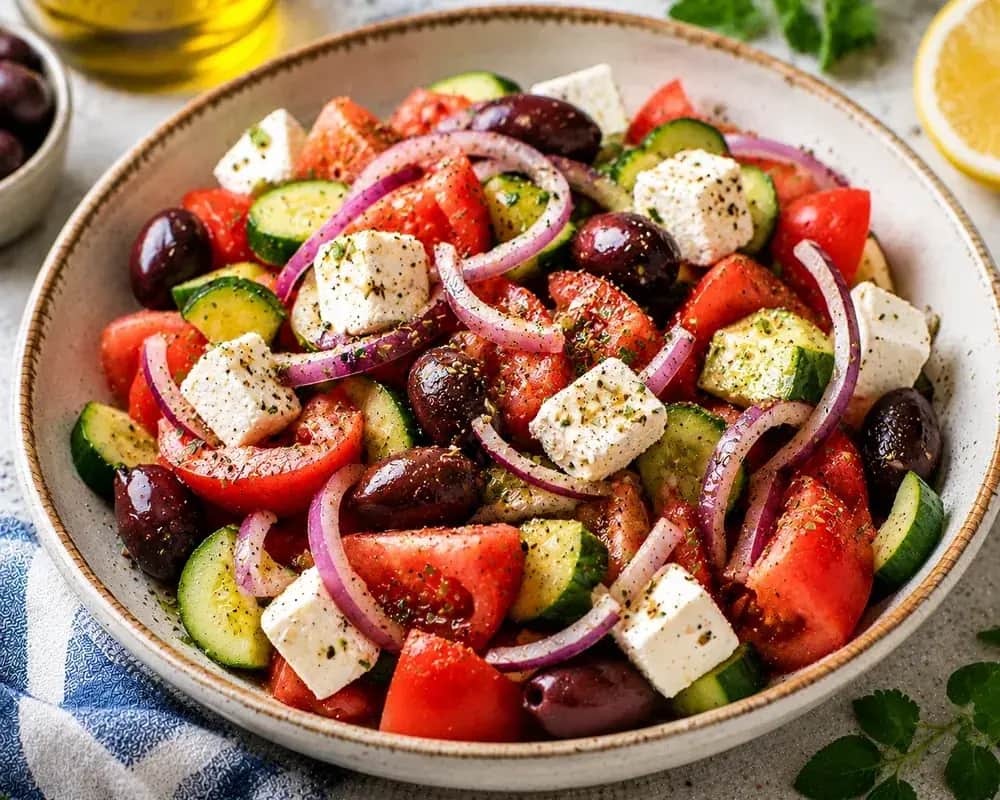
سلطة يونانية — بلمسة متوسطية مستوحاة من المطبخ اللبناني
سلطة يونانية طازجة مستوحاة من سلطة القرية اليونانية، تجمع بين الطماطم والخيار وجبنة الفيتا وزيتون كالاماتا وزيت الزيتون البكر الممتاز، مع لمسات متوسطية مستوحاة من المطبخ اللبناني مثل الليمون والنعناع والسماق.
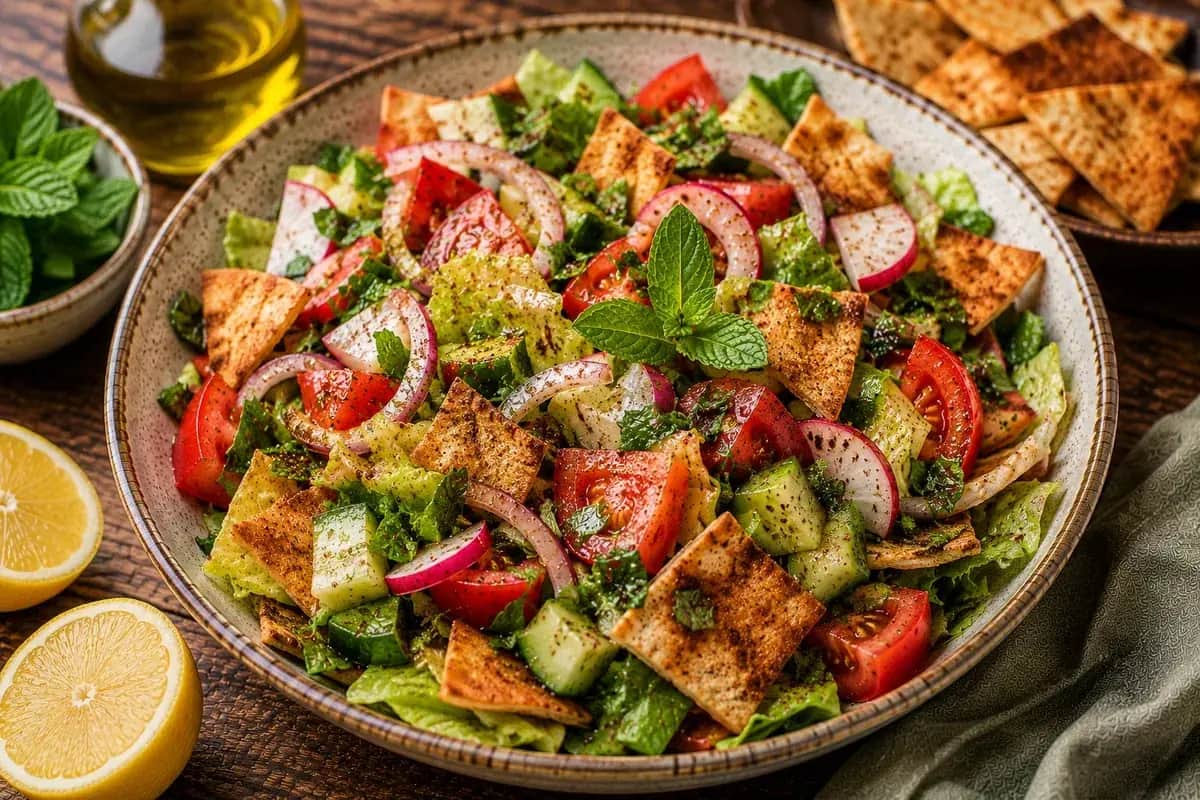
الفتوش — سلطة الخبز اللبنانية الكلاسيكية
سلطة لبنانية مقرمشة تجمع بين الخضروات الطازجة والأعشاب والخبز المحمص والسماق وتتبيلة الليمون ودبس الرمان ذات النكهة الحامضة والحلوة المتوازنة.
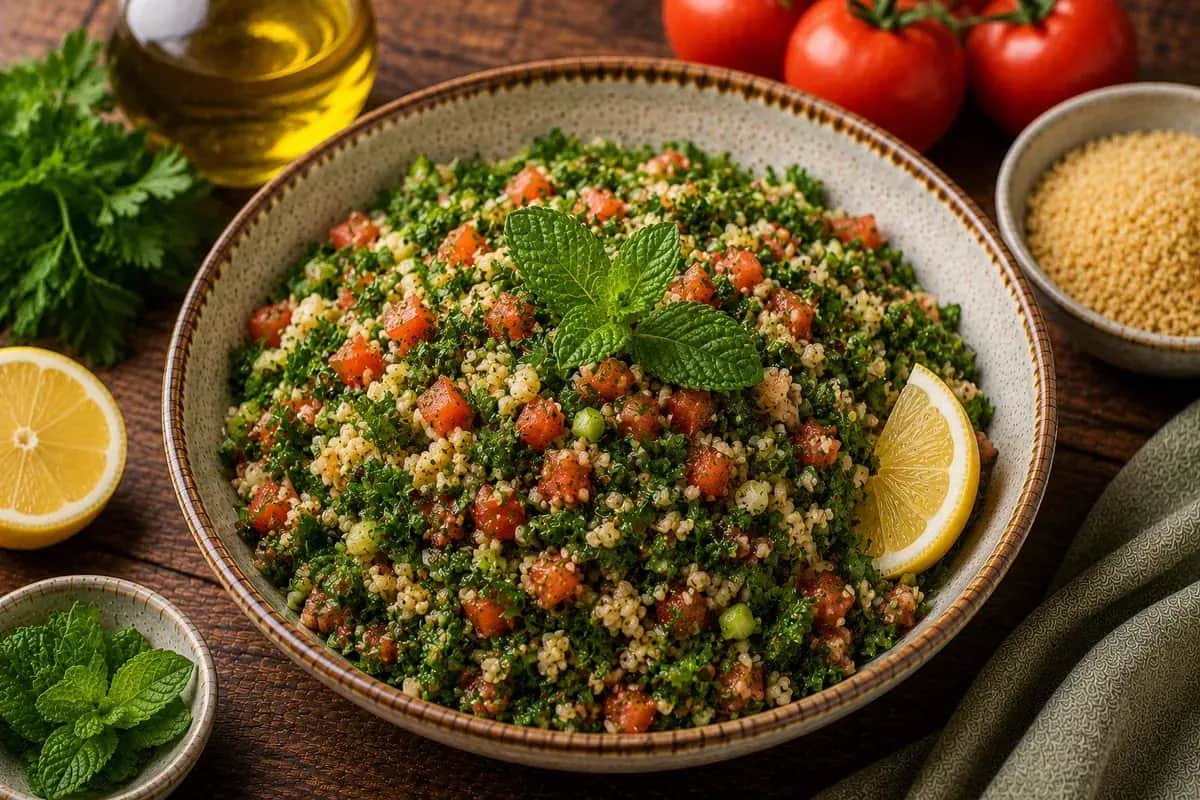
التبولة — سلطة البقدونس اللبنانية الكلاسيكية
سلطة لبنانية منعشة تعتمد على البقدونس الطازج والنعناع والطماطم والبصل الأخضر والبرغل الناعم وعصير الليمون وزيت الزيتون البكر الممتاز.