
A Little Herb With a Big Personality
Oregano is one of those herbs that can change the character of a dish with only a small amount. Its aroma is unmistakable, while the leaves bring a rich herbal warmth with peppery, grassy and slightly mint-like notes.
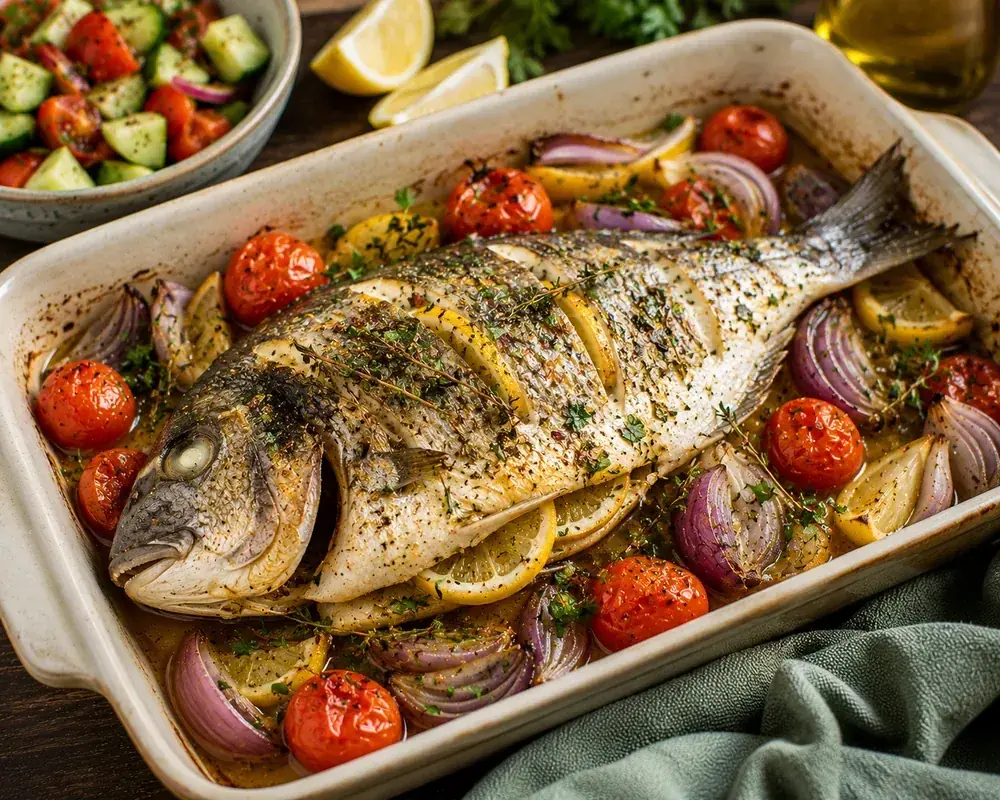
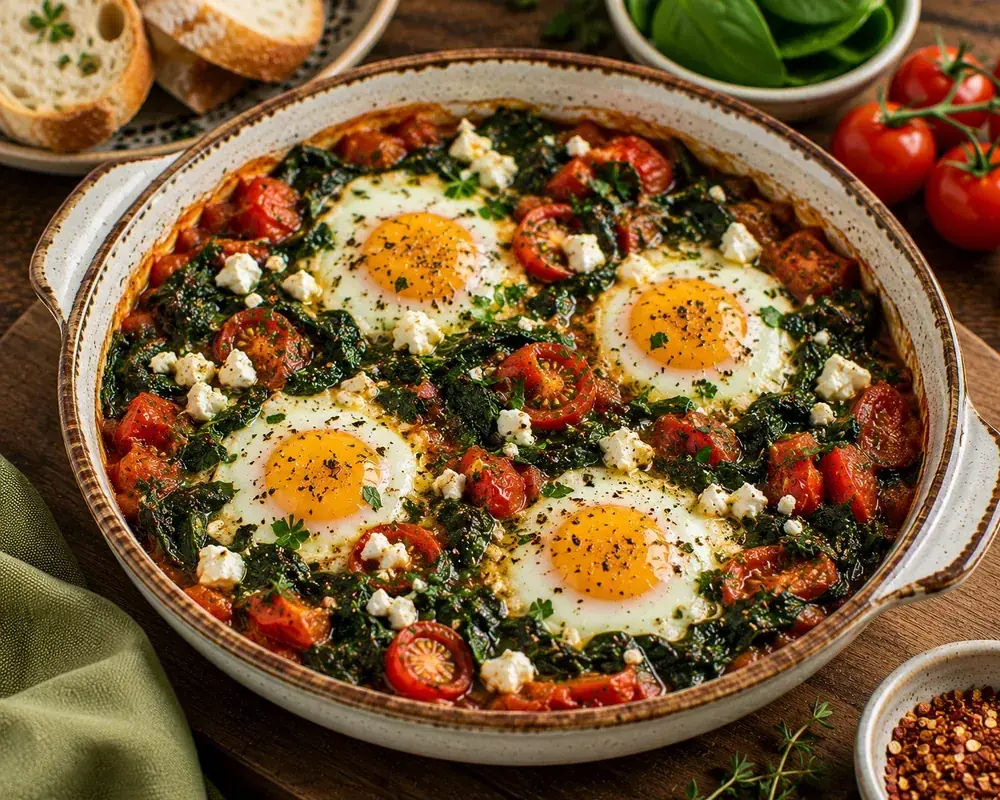
In our kitchen, oregano is not something reserved for one particular recipe. We use it with meat marinades, salads, soups and chicken, and it has a natural place beside olive oil, lemon and other Mediterranean flavors.
Try These from Our Kitchen
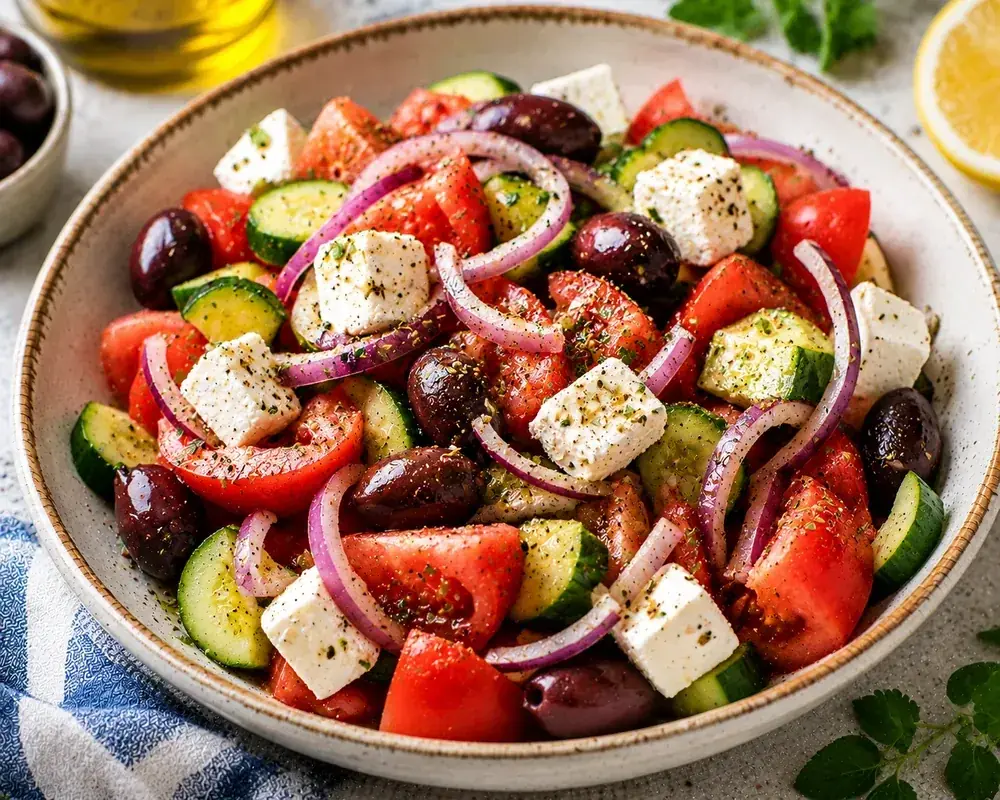
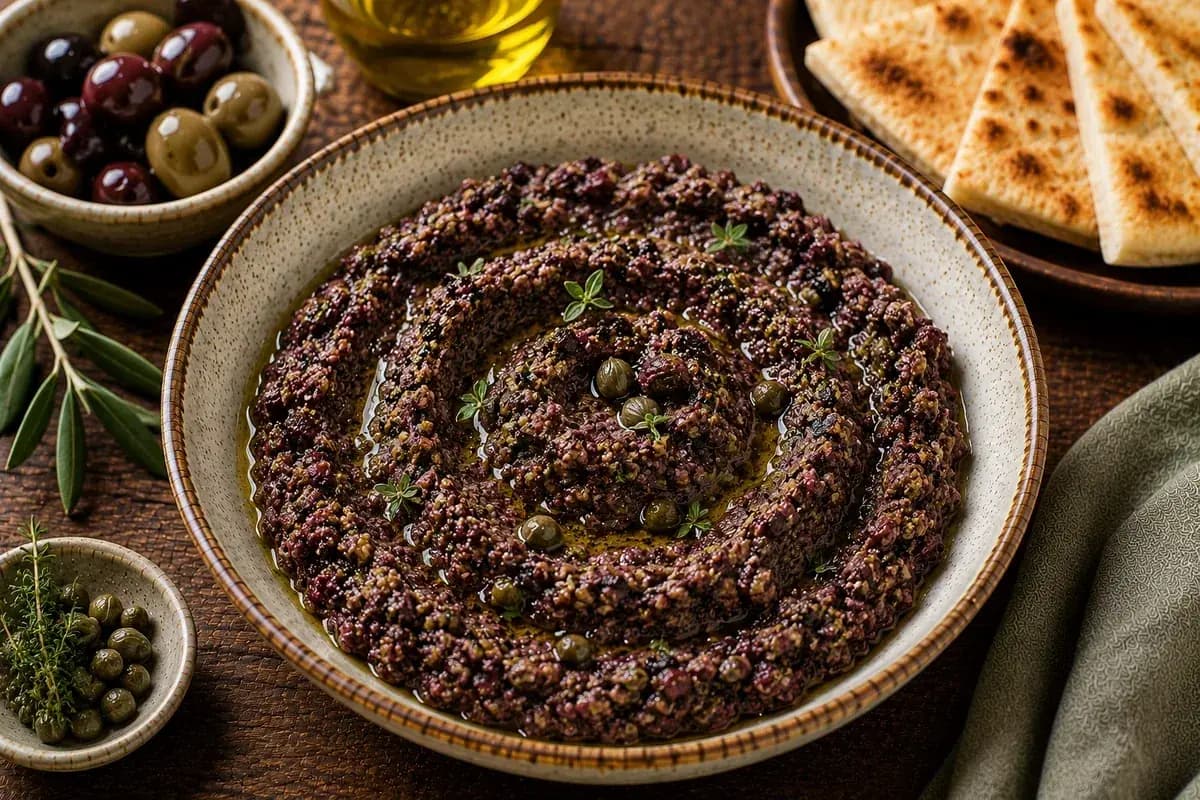
Some smells don't just mean food. They mean home.
Oregano Belongs in the Summer
Oregano loves warmth, and summer is when it feels most at home. When the plant is growing strongly, the young flower buds appearing at the tips of the branches can also be eaten.
Oregano is widely available across the Middle East, and it has a familiar place in Egyptian and Lebanese kitchens. Its warm climate, strong aroma and ability to dry well make it especially practical for everyday cooking.
Try These from Our Kitchen

Fresh Oregano and Dried Oregano Are Not the Same
One of the most common beginner mistakes is treating fresh and dried oregano as though they have the same strength. They do not. Once the leaves are dried, water is removed and the flavor becomes much more concentrated.
As a general cooking guide, extension food-preservation guidance uses about one teaspoon of dried herbs for one tablespoon of fresh herbs. That is roughly one part dried to three parts fresh, although the exact amount should always be adjusted to the herb and the dish.
Try These from Our Kitchen
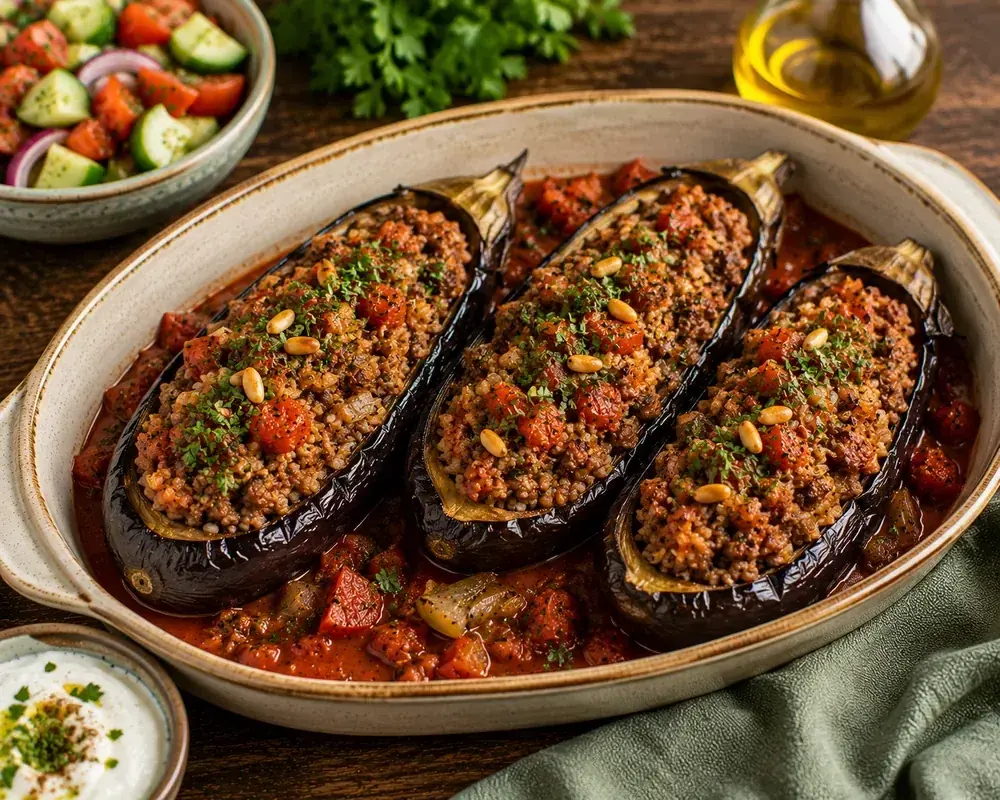
Healthy Mezze
Mediterranean Stuffed Eggplant Recipe with Ground Beef — Healthy Baked Eggplant
Cook this →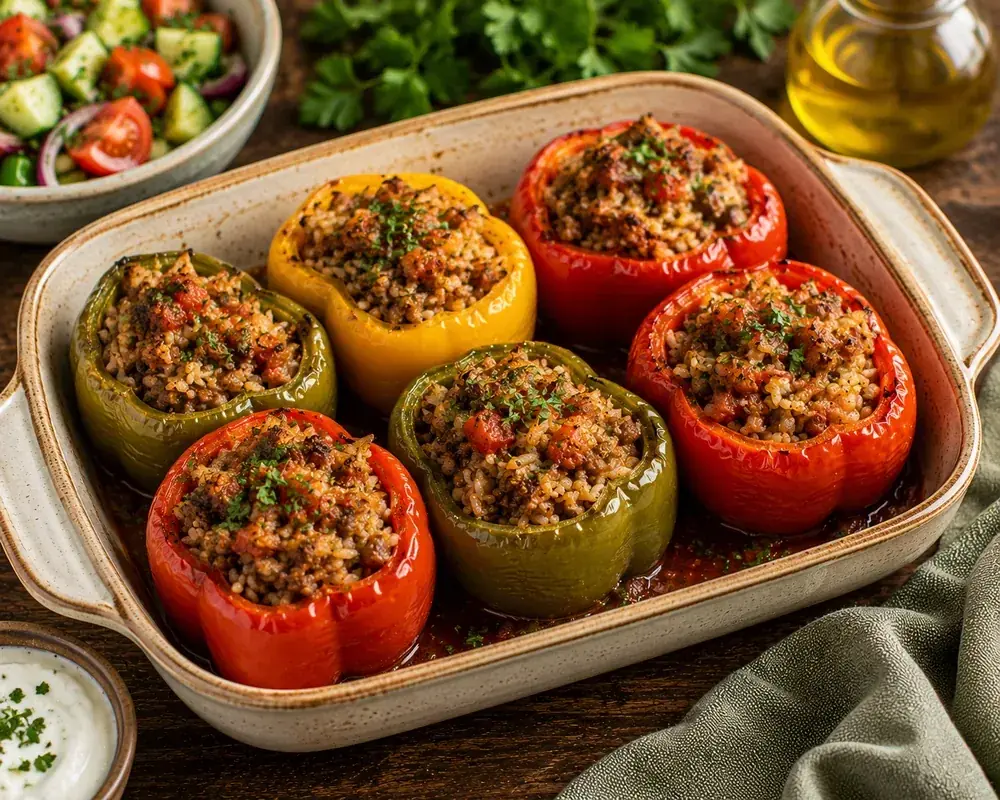
Healthy Mezze
Mediterranean Stuffed Bell Peppers Recipe — Healthy Beef & Rice Stuffed Peppers
Cook this →
Healthy Mezze
Spinach & Feta Omelette Recipe — Healthy Mediterranean Breakfast with Eggs
Cook this →How We Used to Dry Oregano
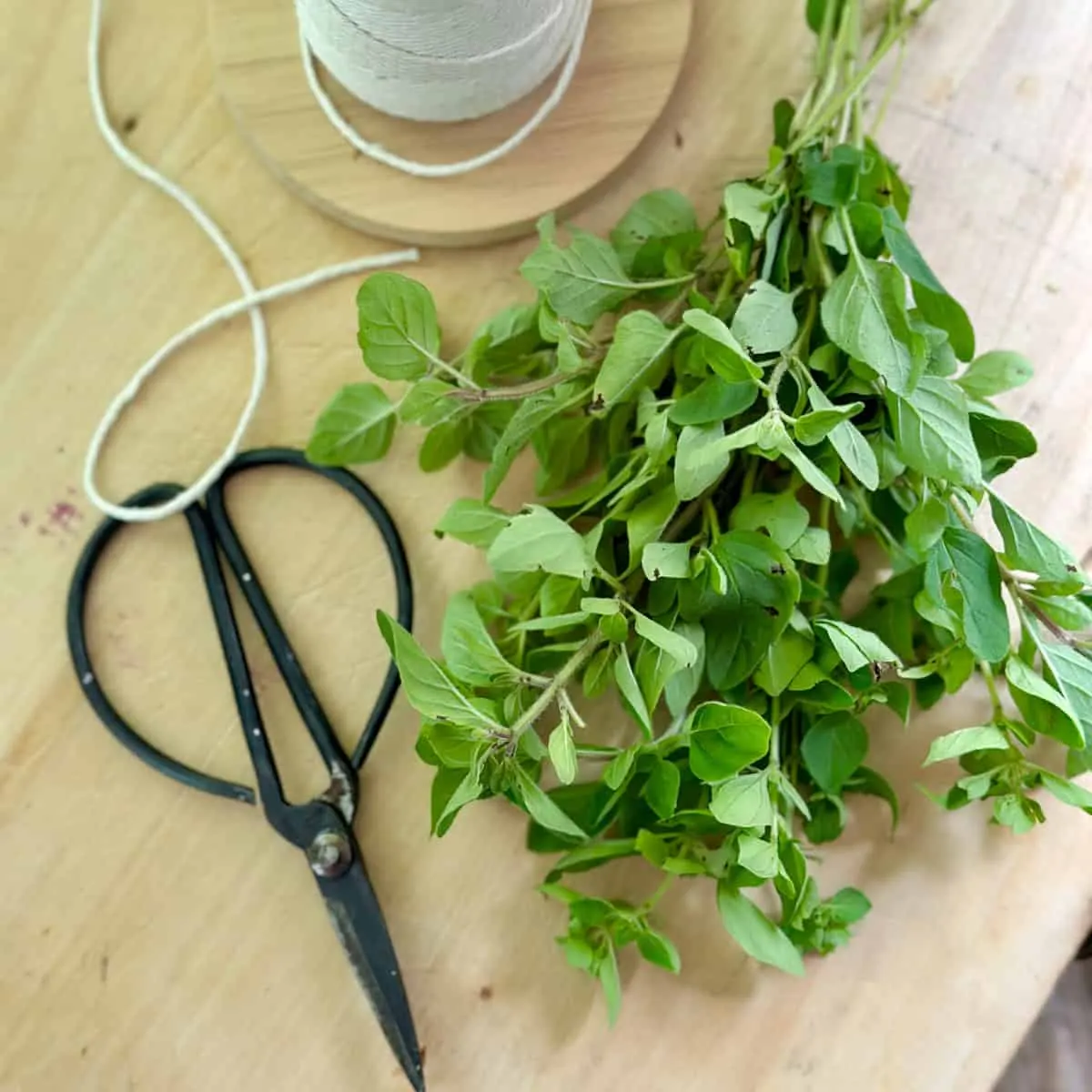
Today, a food dehydrator makes drying herbs simple. But in the past, we washed the oregano, tied it into bunches and hung it upside down in a dry place away from direct sun.
Once the leaves were completely dry and crisp, we removed them from the stems and stored them in a clean, sealed container. The goal was simple: keep moisture, heat and light away from the dried herb so its aroma would last.
Oregano's Best Friend: Olive Oil
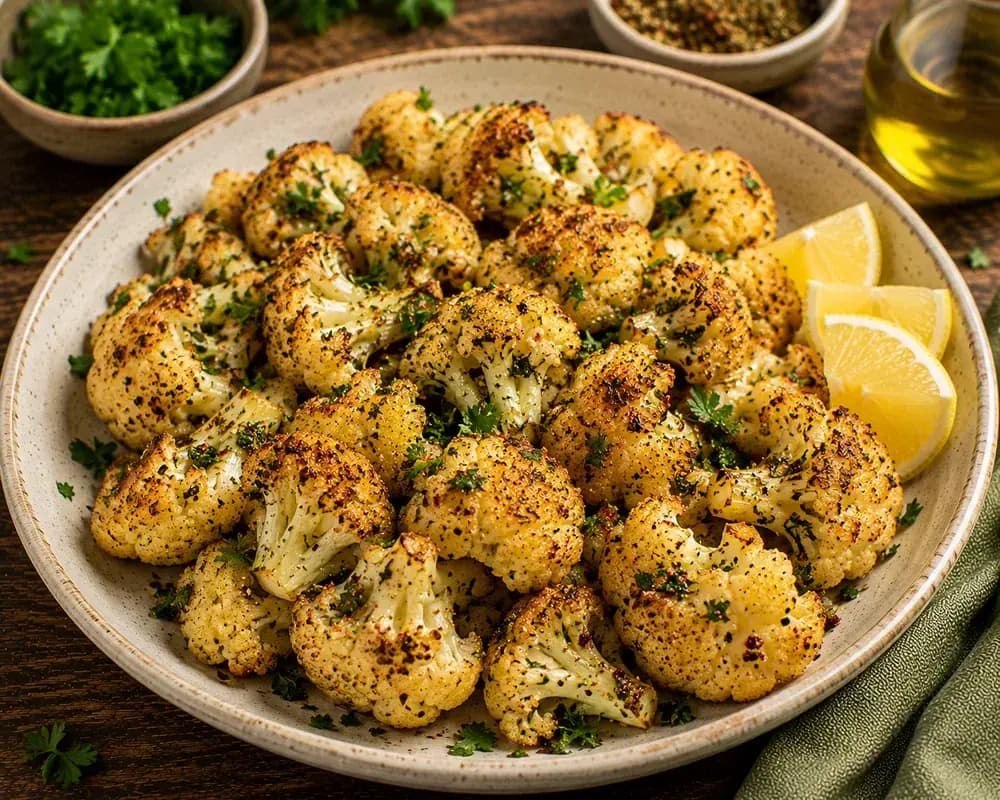
If there is one ingredient I naturally pair with oregano, it is olive oil. The two together create a warm, deeply aromatic flavor that works beautifully in salad dressings, marinades and simple vegetable dishes.
My mom used to make oregano-infused olive oil, and that combination became one of those simple kitchen memories that stayed with me. Today, I would keep the family tradition but prepare infused oils using a food-safe method rather than leaving fresh herbs submerged in oil at room temperature for weeks.
Try These from Our Kitchen
A small herb can change the whole dish.
Where Oregano Shows Up in Our Cooking
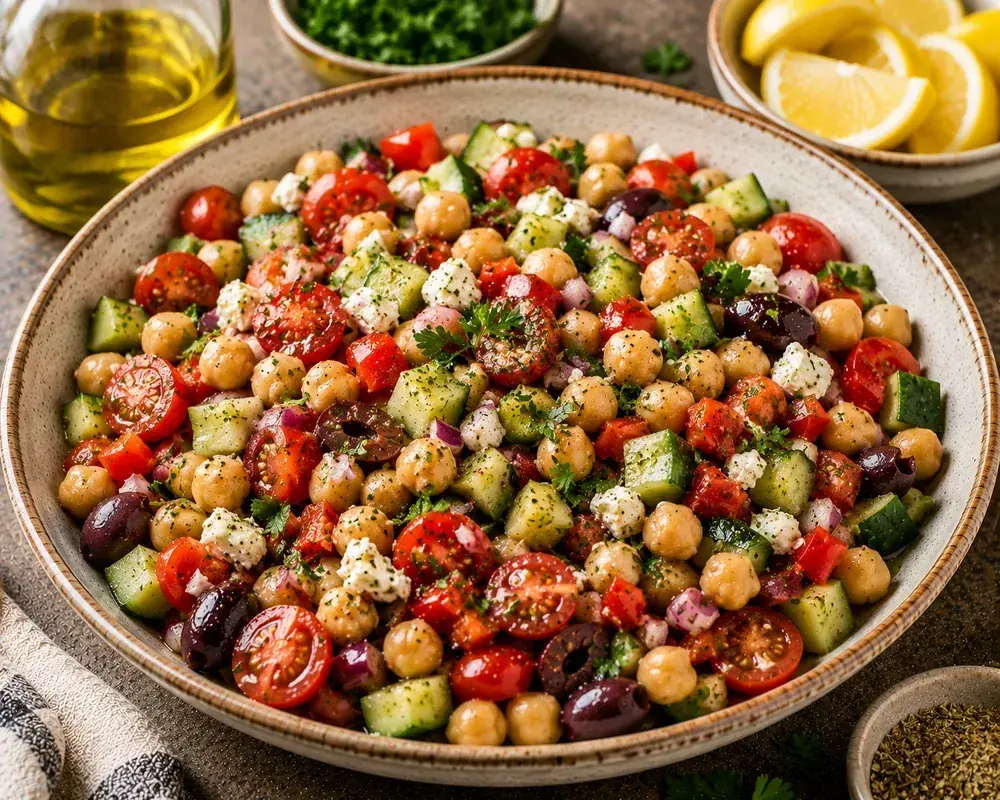
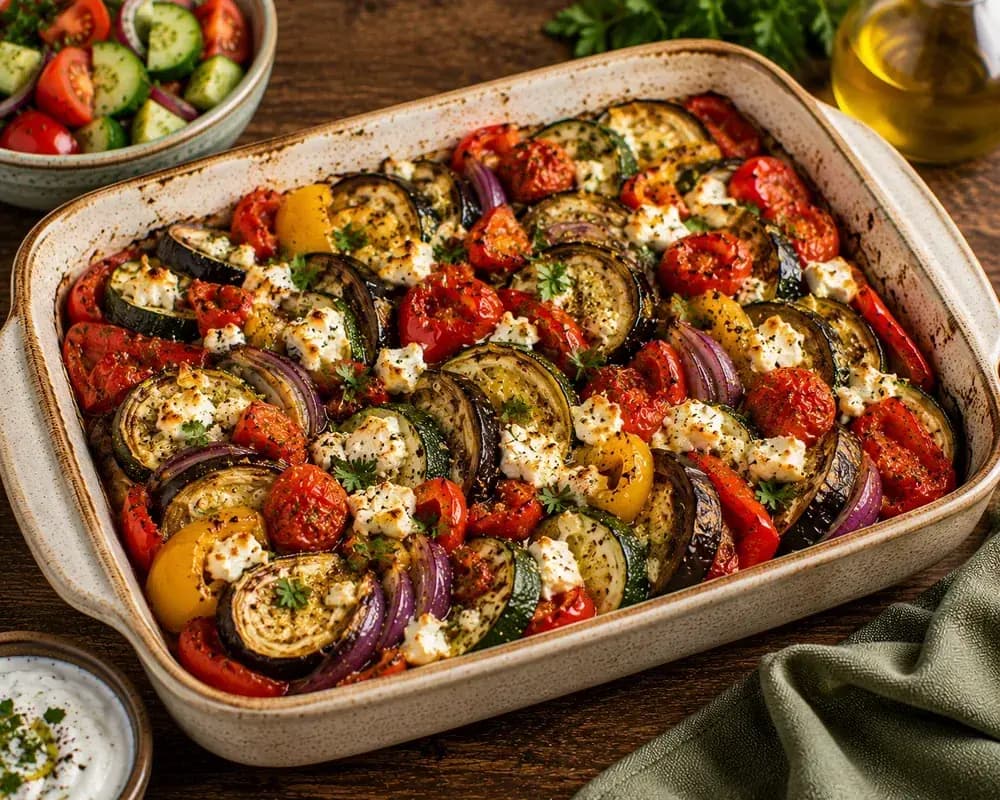
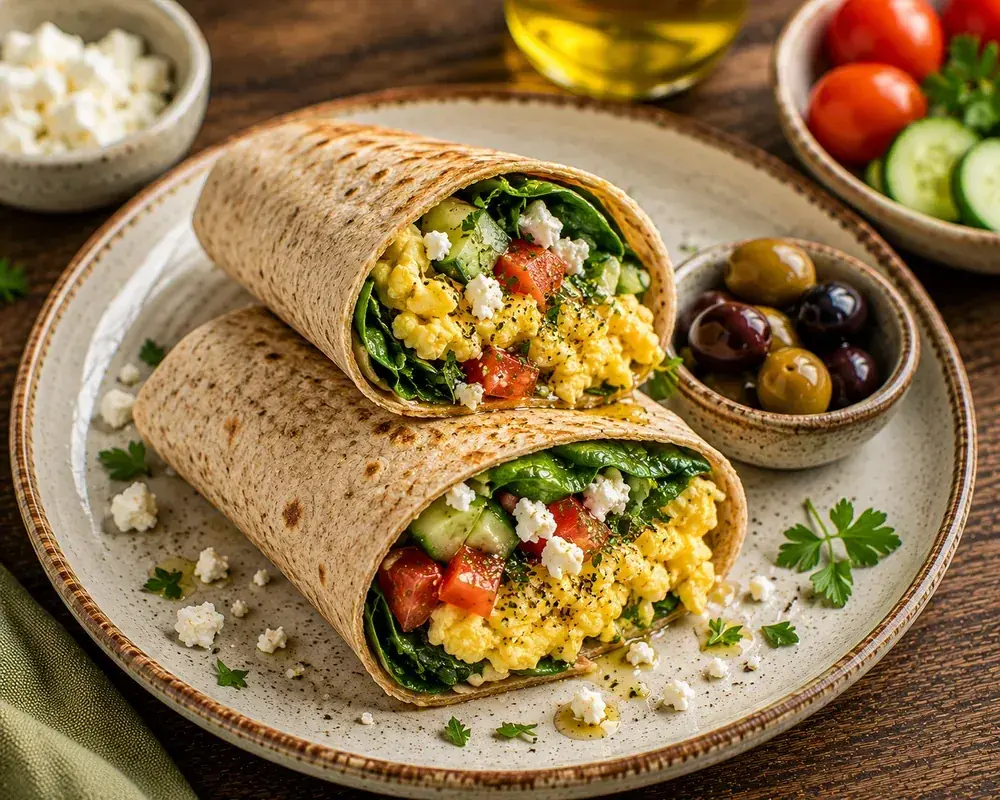
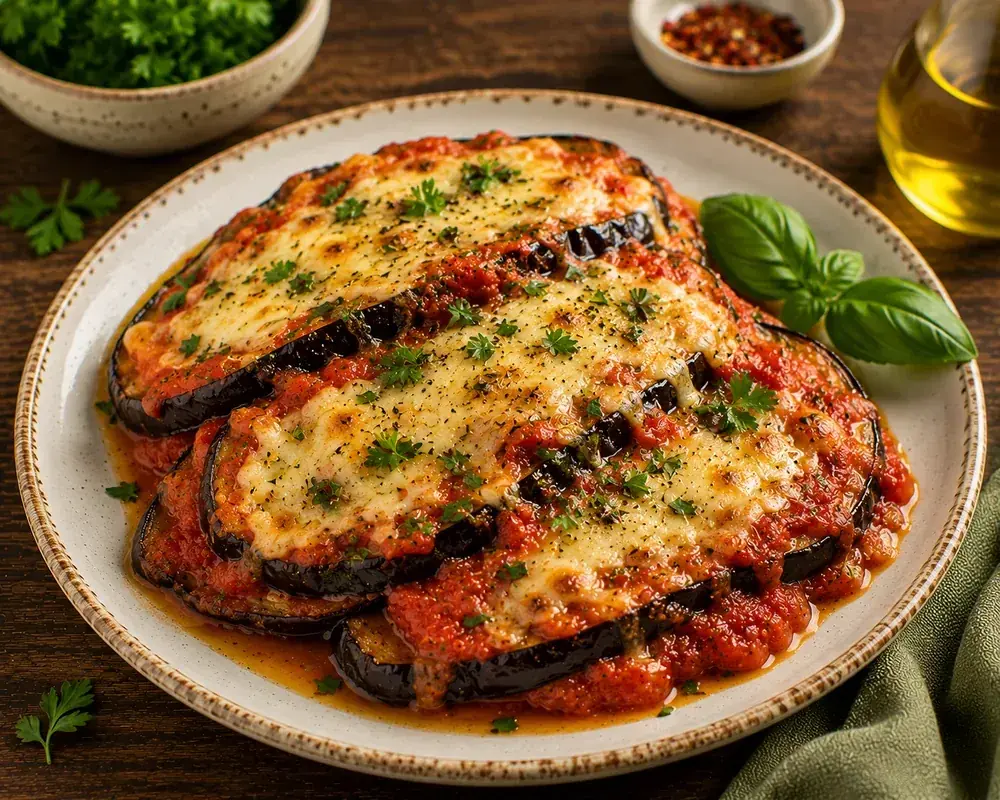
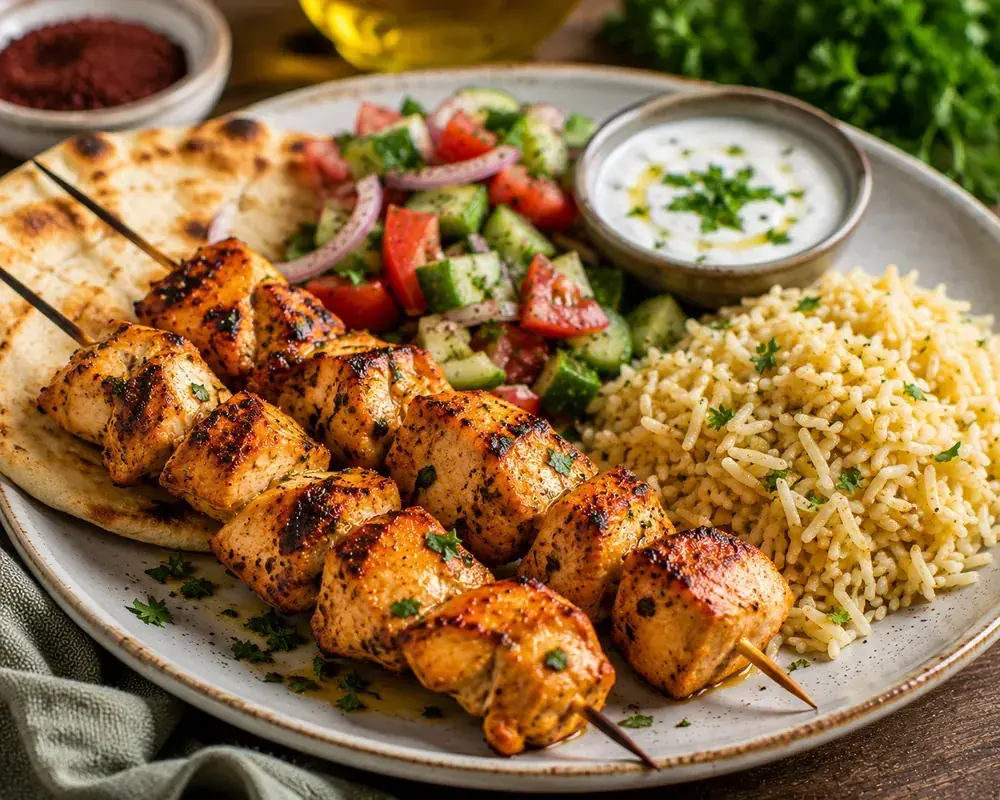
Oregano is especially useful when you want an earthy, warm herbal note without making a dish complicated. We use it in meat marinades, on salads and in soups.
It works particularly well with roasted chicken, grilled or marinated meats, tomato-based soups and Mediterranean-style salads. You can add it during cooking or use it in a dressing, depending on whether you want the herb to become part of the dish or remain more noticeable.
Tomato Soup Is a Natural Match
Tomato and oregano are an easy combination because the herb adds warmth and depth to the bright acidity of tomatoes. A small amount can make a simple soup taste more rounded without taking over the whole bowl.
Our Tomato Basil Soup is a good place to experiment with that combination. Start modestly, taste, and add more only if the oregano still needs to come forward.
How Much Oregano Should You Use?
In our kitchen, one to two tablespoons of dried oregano can be enough when we are seasoning a larger dish or marinade, but the right amount depends on the recipe and how prominent we want the herb to be.
Fresh oregano is much lighter and more delicate, so you may need several times as much to get a similar herbal presence. The best rule is to start with less dried oregano, taste the dish, and build the flavor gradually.
A small herb can change the whole dish.
What Gives Oregano Its Powerful Aroma?
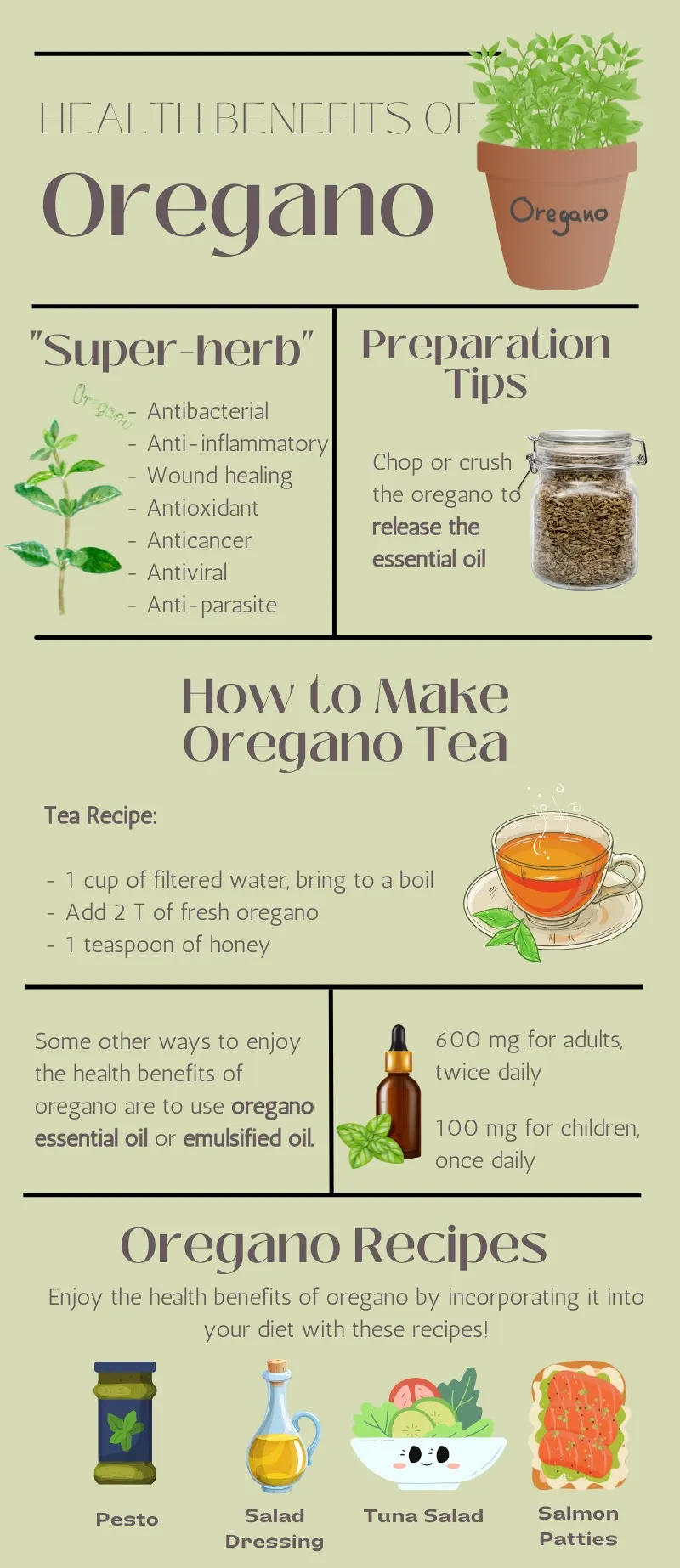
Oregano contains many volatile compounds, and research has paid particular attention to compounds such as carvacrol and thymol. These compounds are important contributors to the characteristic chemistry and aroma of oregano and its essential oil.
Research on oregano essential oils and extracts has also found antioxidant and antimicrobial activity in laboratory and food-related studies. However, the concentration of these compounds varies considerably between oregano species, growing conditions, harvest time and preparation.
The Health Side of Oregano
Oregano does contain nutrients and plant compounds, but it is usually eaten in relatively small quantities. USDA food-composition resources show that oregano contains dietary fiber and a range of vitamins and minerals, while dried oregano is particularly concentrated because much of its water has been removed.
That makes oregano a useful flavoring herb, but it is important not to turn a small culinary serving into a medical dose. The nutritional contribution of a sprinkle of oregano is different from the concentrated amounts used in supplements or essential oils.
Antioxidant and Antimicrobial Research
Studies of oregano essential oil have reported antioxidant and antimicrobial activity, with carvacrol and thymol among the compounds most often discussed. Some laboratory studies have shown activity against bacteria and fungi, which helps explain why oregano has attracted so much scientific interest.
Much of the strongest evidence concerns concentrated essential oils, extracts or laboratory experiments. Those results do not mean that eating oregano as a seasoning treats an infection or replaces medical treatment.
What About Oregano Tea?
Oregano tea has a long history as a traditional herbal preparation, and people in different cultures have used it for its strong herbal flavor and as a traditional digestive drink.
It can certainly be enjoyed as a tea, but I would not describe it as a proven treatment for infections, coughs or other illnesses. Traditional use and laboratory research are interesting, but they are not the same thing as strong clinical evidence in humans.
Oregano in Egyptian and Lebanese Kitchens
For me, oregano belongs to the wider family of flavors that make Middle Eastern and Mediterranean cooking feel familiar: olive oil, lemon, garlic, herbs and warm spices working together rather than one ingredient doing all the work.
It is especially useful when marinating meat or chicken, seasoning vegetables, building a soup or finishing a salad. The herb does not need to dominate. Often, its job is simply to make everything around it taste more complete.
The Beginner Mistake: Using Too Much Dried Oregano
Because fresh oregano looks so abundant, it is easy to think you need a similar volume of dried leaves. That can quickly make a dish bitter, dusty or overwhelmingly herbal.
Remember the simple kitchen rule: dried oregano is much more concentrated than fresh. Start with less, let the dish cook, taste, and then decide whether it needs another pinch.
Oregano Is More Than a Health Ingredient
The most important reason I keep oregano in the kitchen is not a supplement label or a list of health claims. It is because it makes food taste better.
A handful of fresh leaves, a spoon of dried oregano in a marinade, or a little oregano meeting olive oil in a salad dressing can completely change a simple meal. That is the kind of ingredient I want in Healthy Mezze: useful, flavorful and connected to the way people actually cook.
Our Final Take on Oregano
Oregano is one of those small ingredients that earns its place by being incredibly practical. It grows well in warm weather, can be used fresh, can be dried for later, and works across meats, chicken, soups, salads and dressings.
Its plant compounds are genuinely interesting to researchers, especially carvacrol and thymol, but the strongest antimicrobial and antioxidant findings often come from concentrated oils and extracts rather than ordinary culinary servings. Enjoy oregano for what it does best: bring aroma, warmth and character to the food on your table.
What the Research Says
The research behind this article covers oregano's composition, drying and storage, the chemistry of oregano essential oil, and the laboratory evidence surrounding compounds such as carvacrol and thymol. The sources below are provided so you can read the evidence directly.
As with any food or herb discussed for health purposes, research on a plant compound does not automatically establish a medical treatment. Oregano is best understood here as a culinary herb with interesting nutritional and biological properties.
Research & Sources
The Research Behind the Story
More Oregano Recipes
Healthy Mezze
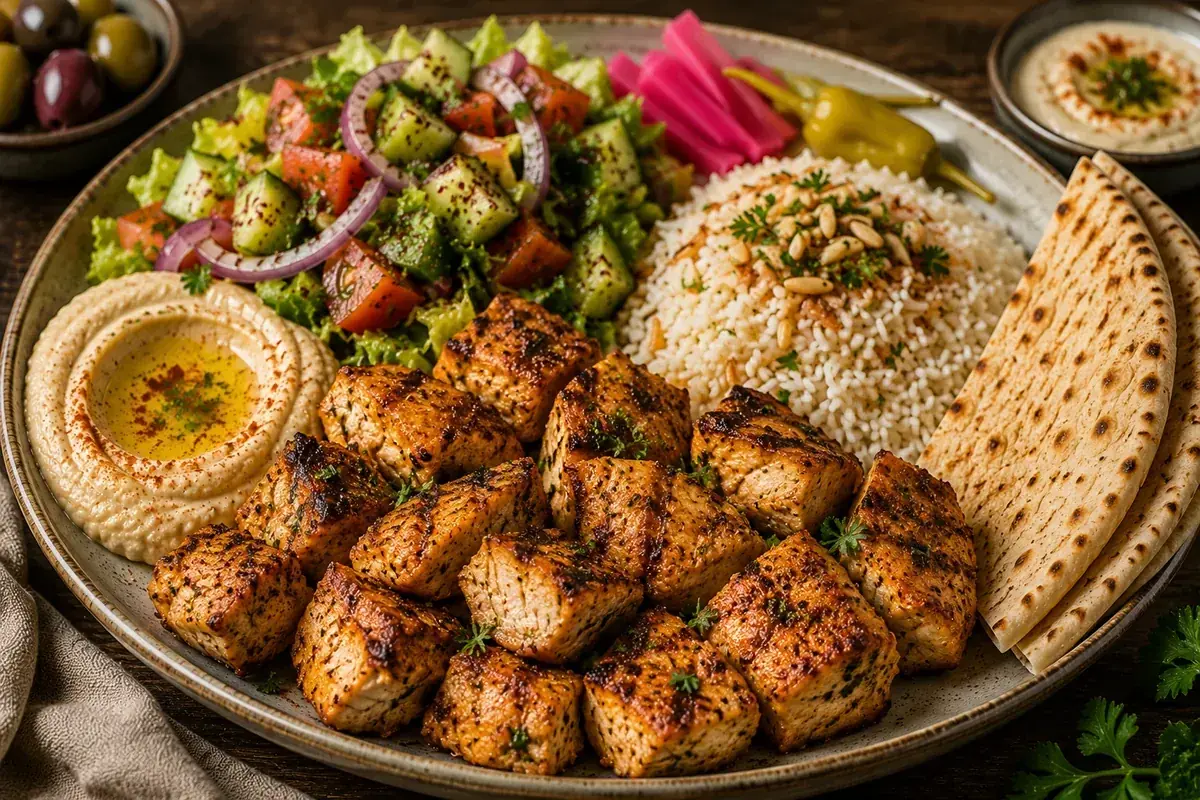
Mediterranean Grilled Chicken Plate Recipe — Healthy Grilled Chicken with Brown Rice
Cook this →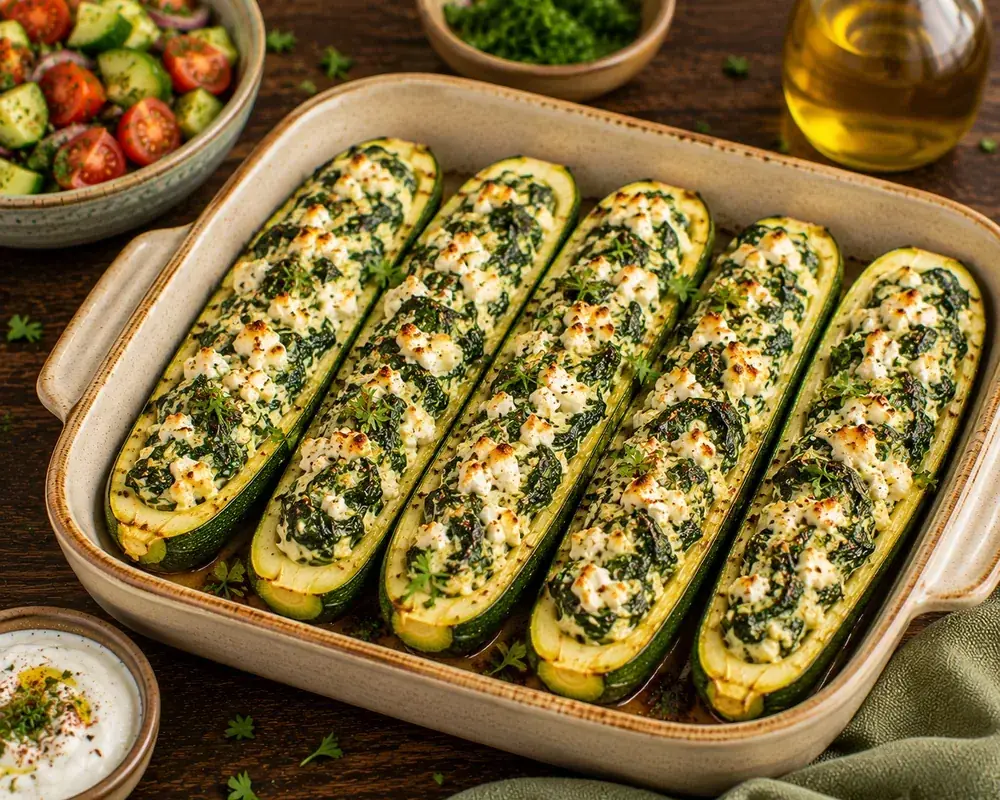
Healthy Mezze
Spinach & Feta Stuffed Zucchini Boats Recipe — Healthy Mediterranean Vegetarian Dinner
Cook this →
Healthy Mezze