
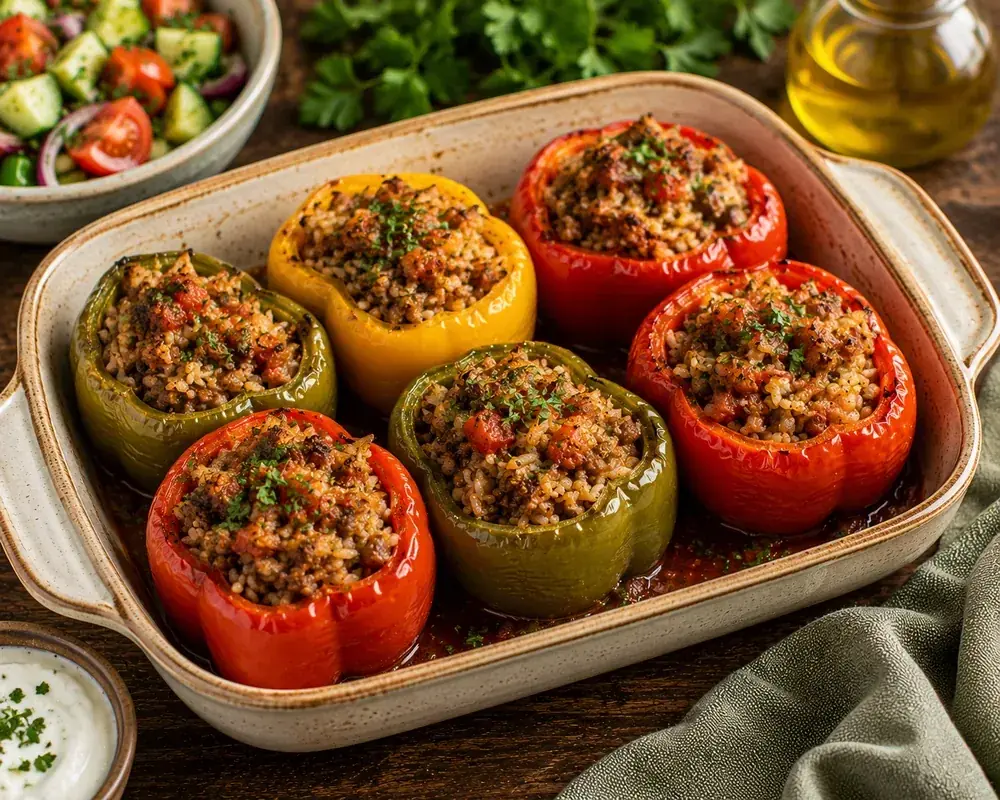
Mediterranean Stuffed Bell Peppers Recipe — Healthy Beef & Rice Stuffed Peppers
Baked bell peppers filled with seasoned ground beef, rice, vegetables, herbs, and Mediterranean spices. The peppers roast until tender while the filling becomes savory and lightly browned on top.
Prep Time
25 mins
Cook Time
40 mins
Total Time
65 mins
Servings
6
A TASTE OF TRADITION
The Story Behind This Recipe
Stuffed vegetables are a practical and familiar part of Mediterranean and Middle Eastern home cooking. This version uses sweet bell peppers as individual vessels for a savory filling of beef, rice, tomatoes, herbs, and warm spices. Baking the peppers gently allows the vegetables to become tender while the filling remains hearty and flavorful.
Cultural & Culinary Context
Across the Mediterranean and Middle East, vegetables are frequently filled with combinations of grains, meat, herbs, tomatoes, and spices. The exact ingredients vary between countries and families. This Lebanese-inspired version combines ground beef and brown rice with parsley, mint, tomato, cumin, paprika, oregano, and a small amount of cinnamon for a warm, aromatic filling.
What Makes It Mediterranean?
The recipe brings together ingredients commonly associated with Mediterranean cooking, including olive oil, fresh herbs, tomatoes, bell peppers, whole-grain brown rice, and aromatic spices. Served with yogurt, tahini, salad, or lemon, the stuffed peppers can become part of a colorful and vegetable-rich Mediterranean-style meal.
Mediterranean Influences
- 🌿Uses extra virgin olive oil as the main added cooking fat.
- 🌿Combines fresh parsley and optional mint with garlic and onion.
- 🌿Uses tomato, cumin, paprika, oregano, and cinnamon for layered flavor.
- 🌿Features colorful vegetables as the main vessel for the meal.
- 🌿Pairs naturally with yogurt, tahini, lemon, salads, and fresh herbs.
- 🌿Combines protein, grains, and vegetables in one practical family dish.
Ingredients
- 6 large bell peppers, preferably mixed colors (Choose firm peppers with smooth skins and a shape that allows them to stand upright in the baking dish.)
- 500 g lean ground beef (Lean beef provides a hearty filling while limiting excess grease in the baking dish.)
- 1 cup cooked brown rice (Use cooked rice that has cooled slightly so it mixes easily with the beef without becoming mushy.)
- 1 medium onion, finely diced
- 3 cloves garlic, minced
- 1 medium tomato, finely diced (If very watery, remove some excess seeds and liquid before adding it to the skillet.)
- 2 tbsp tomato paste (Cooking the tomato paste briefly deepens its flavor and gives the filling a richer color.)
- 2 tbsp extra virgin olive oil
- 1 tsp ground cumin
- 1 tsp paprika
- 1 tsp dried oregano
- 0.5 tsp ground cinnamon (Use a small amount for warmth and depth without making the filling taste sweet.)
- 1 tsp sea salt
- 0.5 tsp black pepper
- 0.25 cup fresh parsley, finely chopped
- 0.25 cup fresh mint, finely chopped (Optional, but adds a fresh contrast to the beef and warm spices.)
- 0.5 cup low-sodium vegetable or beef broth (Pour the broth around the peppers into the bottom of the baking dish rather than directly over the filling.)
Instructions
- 1
If your brown rice is not already prepared, cook it according to the package directions and let it cool slightly before making the filling.
- 2
Preheat the oven to 190°C (375°F). Choose a baking dish large enough to hold all six peppers upright with only a little room between them.
- 3
Wash and dry the bell peppers. Cut off the tops while keeping the pepper walls intact, then remove the seeds and pale inner membranes. Keep enough of each pepper intact so it can stand upright and hold the filling.
- 4
Heat the olive oil in a large skillet over medium heat. Add the diced onion and cook for about 4–5 minutes, stirring occasionally, until softened and translucent.
- 5
Add the minced garlic and cook for about 30 seconds, just until fragrant. Avoid heavily browning the garlic because it can become bitter.
- 6
Add the ground beef and break it apart with a wooden spoon. Cook until browned and no longer pink, stirring regularly so it cooks evenly.
- 7
Add the diced tomato, tomato paste, cumin, paprika, oregano, cinnamon, salt, and black pepper. Cook for about 3–4 minutes so the tomato softens and the tomato paste becomes slightly darker and more concentrated.
- 8
Stir in the cooked brown rice, parsley, and optional mint. Cook for another 2 minutes, then remove the skillet from the heat. The filling should be moist and cohesive, but not watery.
- 9
Taste the filling carefully and adjust the seasoning if needed. Let it cool for a few minutes before filling the peppers.
- 10
Place the peppers upright in the baking dish. Spoon the filling into each pepper, gently pressing it down as you fill, but do not pack it extremely tightly. The filling needs some room to heat evenly.
- 11
Pour the broth into the bottom of the baking dish around the peppers. Avoid pouring broth directly over the filling because excess liquid can make the exposed tops soggy.
- 12
Cover the baking dish loosely with foil and bake for about 30 minutes. The trapped steam helps soften the pepper walls while the broth helps keep the dish moist.
- 13
Carefully remove the foil and continue baking for another 10 minutes, or until the peppers are tender and the exposed filling is lightly browned.
- 14
Check the thickest part of the beef filling for doneness. Ground beef should be fully cooked; for a precise check, it should reach 71°C (160°F).
- 15
Let the peppers rest for about 5 minutes before serving. This allows the filling to settle and makes the peppers easier to transfer.
- 16
Serve warm with plain yogurt, tahini sauce, fresh Mediterranean salad, chopped parsley, or a squeeze of lemon.
SET YOURSELF UP FOR SUCCESS
Before You Cook
👨🍳 Keep In Mind
- •Cook the brown rice before beginning the filling. Slightly cooled rice is easier to combine with the beef.
- •Choose peppers that are firm, fresh, and similar in size. Peppers with a naturally flat base are easiest to keep upright.
- •Wash and dry the peppers thoroughly before cutting them.
- •Prepare the baking dish before filling the peppers so they can be arranged upright immediately.
- •If your tomato is very juicy, remove some excess liquid to prevent a watery filling.
- •Have a food thermometer available if you want to verify the ground beef's final temperature precisely.
💡 Helpful Tips
- •Do not cut too far down into the pepper when removing the top; leave enough wall height to contain the filling.
- •Cook the onion until translucent before adding garlic so both ingredients develop flavor without burning.
- •Break the ground beef into small pieces while browning so the filling has an even texture.
- •Briefly cook the tomato paste with the beef mixture to deepen its flavor.
- •The filling should be moist and cohesive, but liquid should not pool in the skillet.
- •Let the filling cool slightly before stuffing the peppers so it is easier and safer to handle.
- •Do not compress the filling extremely tightly. A gently filled pepper heats more evenly.
- •Keep the peppers upright during baking. A snug baking dish helps prevent them from tipping.
- •Pour broth around the peppers rather than over the filling.
- •Covering the dish during the first stage of baking creates steam that helps soften the pepper walls.
- •Remove the foil near the end so the filling can brown rather than steam.
- •Let the finished peppers rest briefly before serving.
👀 How Do I Know It's Done?
- ✓The pepper walls are tender enough to pierce easily with a fork.
- ✓The filling is steaming hot and fully cooked.
- ✓The exposed rice and beef mixture has developed light golden-brown areas.
- ✓The peppers still hold their shape rather than collapsing completely.
- ✓The thickest part of the beef filling reaches 71°C (160°F) when checked with a food thermometer.
- ✓The filling is moist and cohesive rather than dry or watery.
Tweak It
Make This Recipe Work for You
Adapt the recipe to your ingredients, dietary needs, budget, time, serving size, or meal-prep plans.
🔄 Ingredient Substitutions
Use ground turkey
Replace the lean ground beef with ground turkey for a lighter-tasting filling. Because turkey can be leaner, avoid overcooking it so the filling remains moist.
Use white rice
Cooked white rice can replace brown rice when preferred. Keep the rice fully cooked before adding it to the filling.
Use quinoa
Cooked quinoa can replace the rice for a different grain profile and added plant-based protein.
Adjust the herbs
Use extra parsley if you do not have mint, or omit mint completely for a milder herb profile.
Choose your broth
Use low-sodium vegetable broth or beef broth depending on the flavor you prefer. Adjust the added salt if your broth is not low in sodium.
🌱 Dietary Adjustments
Gluten-free option
The ingredients in this recipe can be naturally gluten-free when the broth and other packaged ingredients are certified gluten-free if necessary.
Dairy-free serving
The stuffed peppers themselves contain no dairy. Serve them with tahini instead of yogurt for a dairy-free meal.
Increase protein
Use a leaner high-protein beef mixture and serve the peppers with a side of plain Greek yogurt if dairy is suitable for your diet.
Reduce sodium
Use low-sodium broth, reduce added salt, and emphasize lemon, fresh herbs, garlic, and spices for flavor.
💰 Budget-Friendly Options
Use leftover rice
This recipe is an excellent way to use leftover cooked brown rice from another meal.
Use seasonal peppers
Choose whatever firm bell pepper colors are most affordable and available. Mixing colors is attractive but not required.
Stretch the meal
Serve each stuffed pepper with a simple cucumber and tomato salad, yogurt, or lentil side to make the meal more substantial without greatly increasing the beef quantity.
⏱️ Time-Saving Options
Cook rice ahead
Prepare the brown rice earlier in the day or use properly stored leftover rice to shorten the active preparation time.
Prepare vegetables ahead
Dice the onion, tomato, parsley, and mint before beginning the skillet so the filling comes together smoothly.
Prepare the filling ahead
The beef and rice filling can be prepared ahead and chilled before stuffing the peppers.
👨👩👧👦 Serving Adjustments
Make a smaller batch
Halve the ingredients and use three similar-sized peppers for a smaller family meal.
Feed a larger group
Increase the ingredients proportionally and use a second baking dish if necessary rather than crowding the peppers.
🥡 Meal Prep
Assemble ahead
Prepare the filling, stuff the peppers, cover the baking dish, and refrigerate until you are ready to bake. Allow for a little additional cooking time if the dish is very cold.
Portion for lunches
One stuffed pepper with a vegetable-rich side makes a convenient prepared lunch or dinner portion.
Use leftover filling
Extra filling can be served over salad, tucked into a pita, or combined with additional vegetables for another meal.
RECIPE RESCUE
🧩 What Do You Need Help With?
Choose the problem you're facing and get a recipe-specific solution instead of a generic cooking tip.
WHAT IF?
🔄 What If...?
Choose your situation and we'll show you a practical pathway for making this recipe work.
STORAGE & LEFTOVERS
🥡 Storage & Leftovers
Allow cooked stuffed peppers to cool before transferring them to a clean covered container.
Refrigerate leftovers promptly.
Store individual portions separately when convenient for meal preparation.
Reheat in an oven or covered skillet for the best texture.
Make sure leftovers are heated thoroughly before serving.
If freezing, cool the peppers completely before placing them in freezer-safe containers.
Best Storage Time
Refrigerate cooked stuffed peppers and use them promptly. For longer storage, freeze individual portions in suitable freezer-safe containers.
How to Store
Use airtight food-safe containers or tightly covered baking dishes. Individual containers are useful for meal preparation and portion control.
SERVING & PAIRING
🍽️ Serving & Pairing
Serve the stuffed peppers warm as the centerpiece of a family dinner or Mediterranean-style meal. The savory beef and rice filling pairs especially well with creamy yogurt or tahini, bright lemon, fresh herbs, and crisp vegetable salads.
What Goes Well With It?
RECIPE FAQ
❓ Frequently Asked Questions
How do you make Mediterranean stuffed bell peppers?
To make Mediterranean stuffed bell peppers, first cook 1 cup brown rice if it is not already prepared and let it cool slightly. Preheat the oven to 190°C (375°F). Wash and dry 6 large bell peppers, cut off the tops, and remove the seeds and pale inner membranes while keeping the pepper walls intact. Heat 2 tablespoons extra virgin olive oil in a large skillet over medium heat, then cook 1 finely diced medium onion for 4–5 minutes until softened and translucent. Add 3 minced garlic cloves and cook for about 30 seconds until fragrant. Add 500 g lean ground beef and break it apart with a wooden spoon, cooking until browned and no longer pink. Stir in 1 finely diced medium tomato, 2 tablespoons tomato paste, 1 teaspoon ground cumin, 1 teaspoon paprika, 1 teaspoon dried oregano, 1/2 teaspoon ground cinnamon, 1 teaspoon sea salt, and 1/2 teaspoon black pepper. Cook for 3–4 minutes so the tomato softens and the tomato paste becomes slightly darker and concentrated. Stir in the cooked brown rice, 1/4 cup chopped fresh parsley, and optional 1/4 cup chopped fresh mint. Cook for another 2 minutes, then remove from the heat and let the filling cool slightly. Stand the peppers upright in a baking dish and gently fill each one without packing the mixture extremely tightly. Pour 1/2 cup low-sodium vegetable or beef broth around the peppers in the bottom of the dish, avoiding the exposed filling. Cover loosely with foil and bake for about 30 minutes. Remove the foil and continue baking for about 10 minutes, until the pepper walls are tender and the exposed filling is lightly browned. Check that the thickest part of the beef filling reaches 71°C (160°F), then rest the peppers for about 5 minutes before serving. Serve warm with plain yogurt, tahini sauce, fresh Mediterranean salad, parsley, mint, or lemon.
Should the bell peppers be cooked before stuffing?
No. The peppers are filled raw and softened during the covered and uncovered baking stages. This allows them to retain their shape while becoming tender.
Can I use any color of bell pepper?
Yes. Red, yellow, orange, and green peppers all work. Mixed colors create an attractive presentation, while similarly sized peppers help them cook at the same rate.
Why do I need cooked rice?
The recipe uses cooked rice so the filling can heat through without requiring enough liquid or baking time to cook raw rice inside the peppers.
Can I use raw rice in the filling?
It is not recommended for this version. Raw rice needs additional liquid and cooking time and can expand enough to disrupt the filling and pepper structure.
Why is the filling watery?
Very juicy tomatoes, excess broth, or insufficient reduction in the skillet can create a watery filling. Cook the mixture uncovered until it becomes moist and cohesive rather than liquid.
Why are my stuffed peppers still firm?
Pepper size and thickness affect cooking time. Cover the dish again and continue baking until the walls are tender enough for your preference.
Why do I bake the peppers covered first?
The foil traps steam, helping the pepper walls soften while the broth in the bottom of the dish keeps the environment moist.
Why do I remove the foil near the end?
Removing the foil allows moisture to escape and gives the exposed beef and rice filling an opportunity to brown.
How do I know the beef is fully cooked?
The filling should no longer be pink, and the thickest part should reach 71°C (160°F) when checked with a food thermometer.
Can I make these stuffed peppers ahead of time?
Yes. You can prepare the filling and assemble the peppers ahead of time, then refrigerate them until ready to bake. A chilled dish may need additional cooking time.
Can I make these stuffed peppers vegetarian?
Yes. Replace the beef with cooked lentils, chickpeas, or a suitable plant-based mince and adjust the seasoning to taste.
Can I make them gluten-free?
Yes, the recipe can be gluten-free when the broth and all packaged ingredients are suitable for a gluten-free diet.
Can I make them dairy-free?
Yes. The peppers themselves contain no dairy. Use tahini instead of yogurt for a dairy-free serving.
Can I freeze stuffed bell peppers?
Yes. Cooked peppers can be cooled and frozen in suitable freezer-safe containers. Thaw safely in the refrigerator and reheat thoroughly.
What should I serve with stuffed bell peppers?
Yogurt, tahini, tabbouleh, fattoush, cucumber and tomato salad, hummus, pickles, olives, fresh herbs, lemon, and warm pita all pair well with the dish.
Explore More
Go deeper into the cuisine
Learn more about the ingredients, traditions, and cooking approaches connected to this recipe.
You May Also Like
More delicious recipes from the Main Dishes
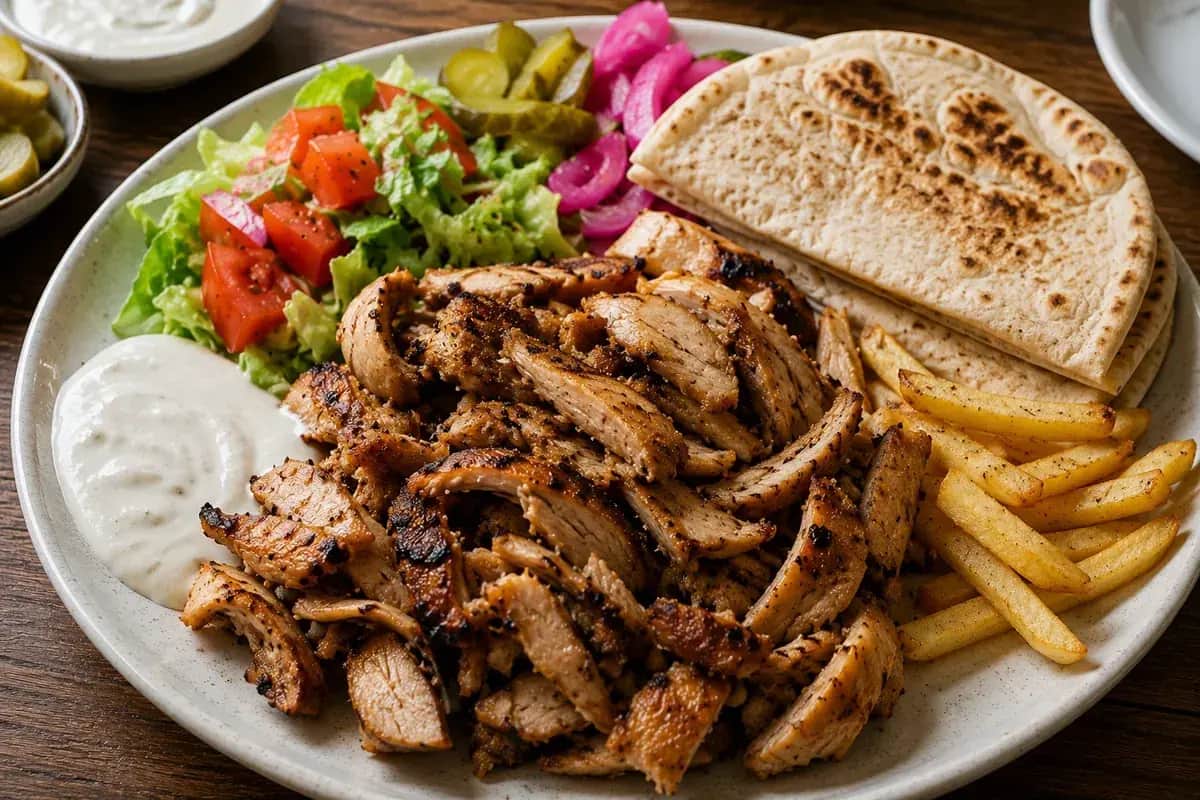
Palestinian Chicken Shawarma Recipe
A Palestinian chicken shawarma recipe made with thinly sliced chicken, yogurt, lemon, extra virgin olive oil, garlic, and warm Levantine spices. This homemade skillet version develops deeply browned edges while keeping the chicken tender and well seasoned. Serve it in warm pita, wraps, or a shawarma bowl with your favorite toppings.
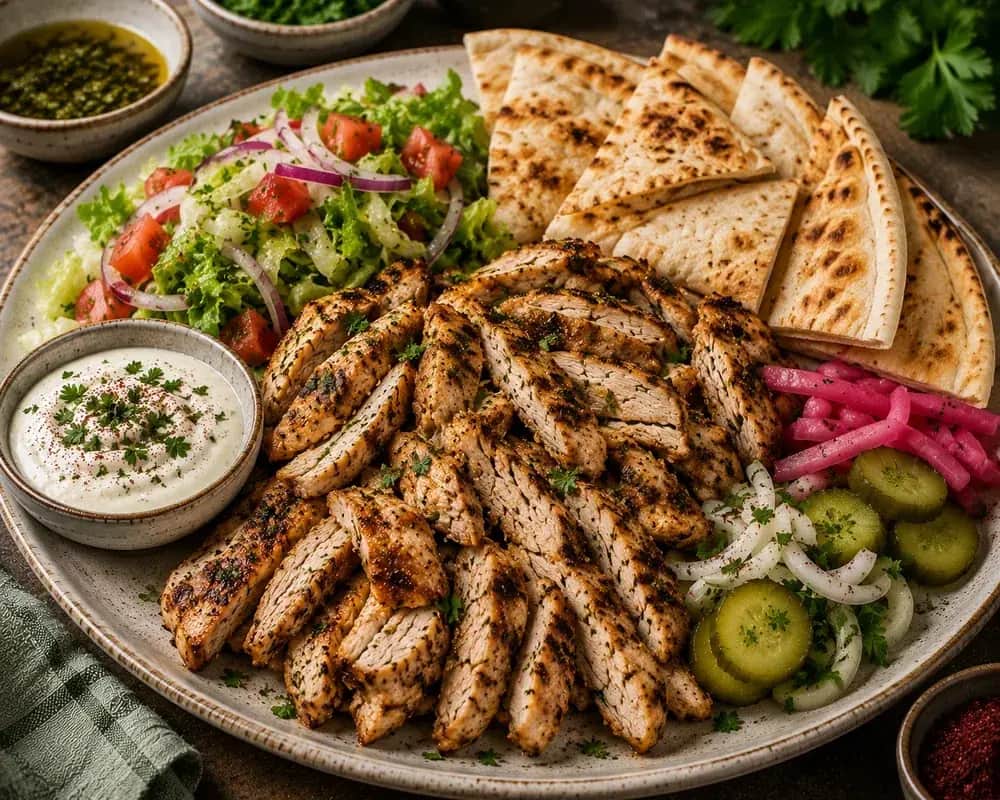
Grilled Chicken Shawarma Recipe — Lebanese-Style Mediterranean Chicken
A Lebanese-style grilled chicken shawarma made with thinly sliced chicken, yogurt, lemon, garlic, olive oil, and warm Levantine spices. The chicken develops lightly charred edges while staying tender, making it easy to serve in pita, wraps, bowls, salads, or as part of a mezze spread.
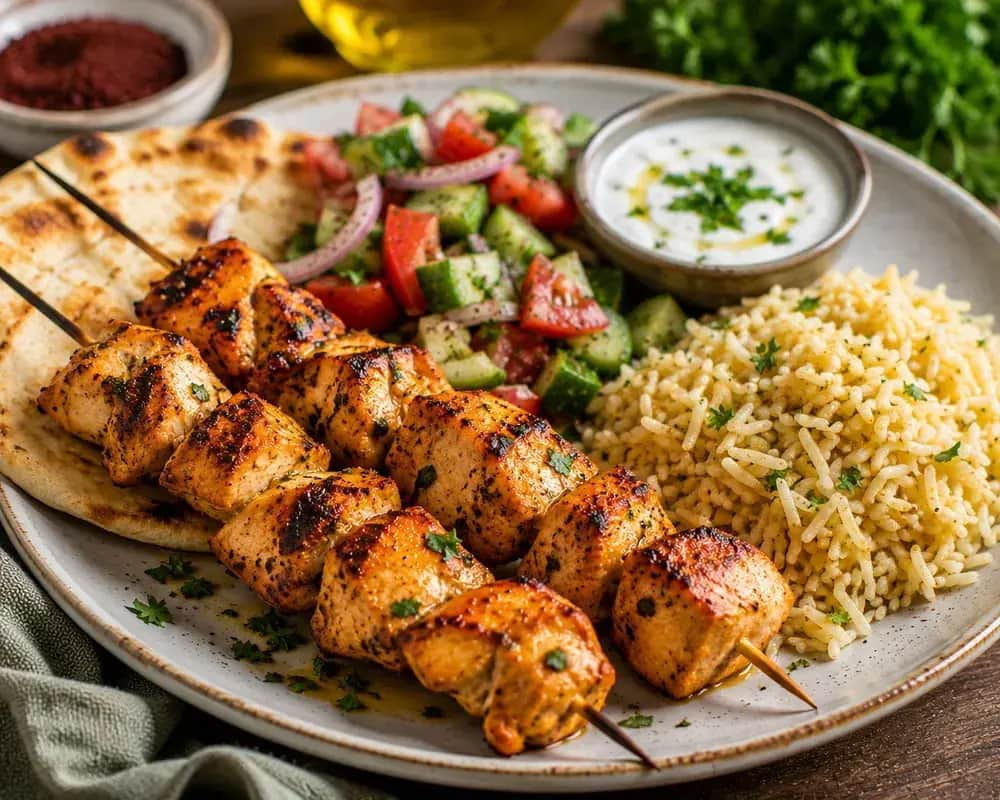
Shish Tawook Recipe — Juicy Lebanese Chicken Kabobs with Yogurt Marinade
This Shish Tawook recipe makes juicy Lebanese-style chicken kabobs marinated in Greek yogurt, lemon, garlic, extra virgin olive oil, tomato paste, paprika, cumin, oregano, and turmeric, then grilled until tender with golden-brown and lightly charred edges. An easy Mediterranean chicken recipe that's high in protein and perfect with toum, warm pita, rice, grilled vegetables, pickles, or fresh salad.