
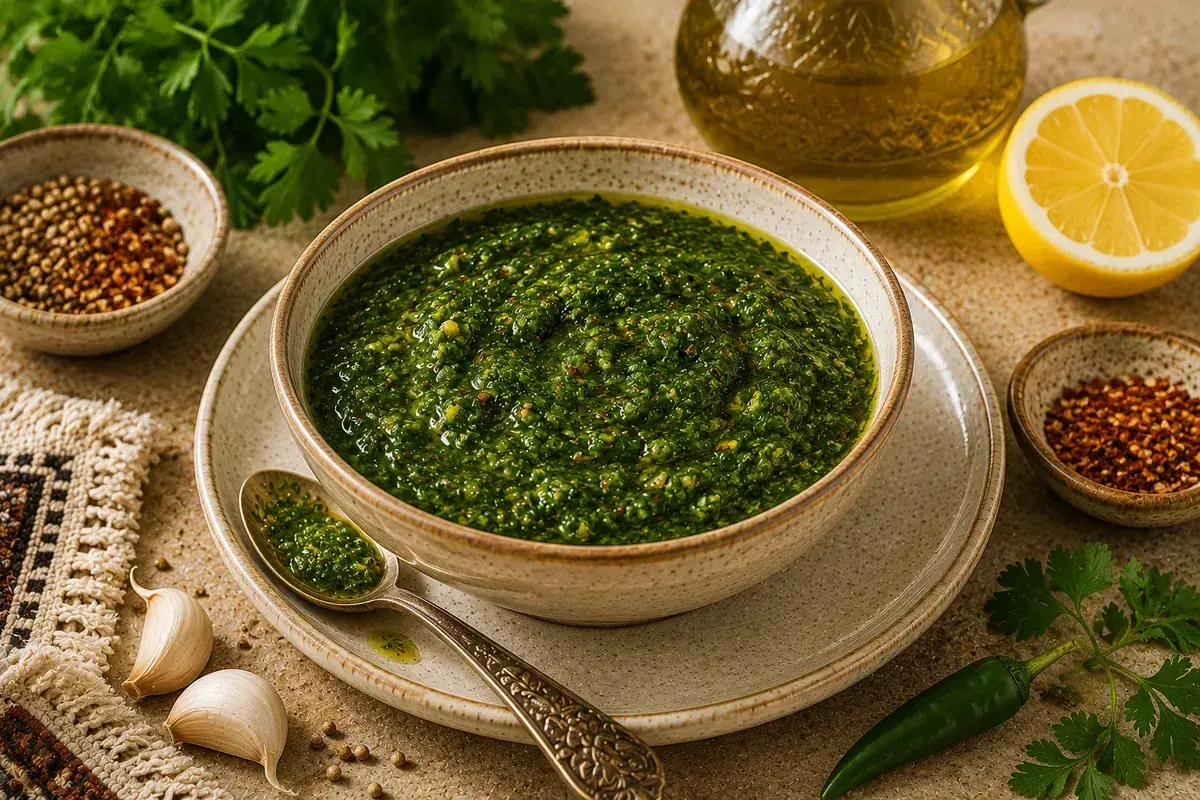
Authentic Chermoula Sauce Recipe
An authentic Chermoula sauce recipe made with fresh cilantro, parsley, garlic, lemon, extra virgin olive oil, and warm spices for a vibrant Moroccan herb sauce and marinade.
Prep Time
15 mins
Cook Time
0 mins
Total Time
15 mins
Servings
8
A TASTE OF TRADITION
The Story Behind This Recipe
Chermoula is one of those sauces that shows how a small collection of everyday ingredients can create an intensely flavorful accompaniment. Fresh herbs provide the green foundation, garlic adds savory depth, lemon brings brightness, olive oil rounds the flavors, and cumin, coriander, and paprika give the sauce its warm North African character. It is particularly loved alongside fish and seafood, but its usefulness goes far beyond the traditional pairing.
Cultural & Culinary Context
Chermoula is strongly associated with Moroccan cuisine and is also found in culinary traditions across North Africa, including Algeria and Tunisia. It is commonly used with fish and seafood, where its combination of herbs, citrus, garlic, olive oil, and spices complements the natural flavor of the food without overwhelming it. Depending on the region and household, proportions and ingredients can vary, so chermoula is best understood as a family of related herb sauces rather than one completely fixed formula.
What Makes It Mediterranean?
Chermoula fits naturally into the broader Mediterranean and North African tradition of combining fresh herbs, olive oil, citrus, garlic, and spices to build flavor. Olive oil provides richness, lemon adds acidity, and fresh herbs provide brightness. The sauce also reflects the region's long tradition of pairing bold herb and spice mixtures with grilled fish, vegetables, breads, and other simple foods.
Mediterranean Influences
- 🌿Extra virgin olive oil forms an important part of the flavor base.
- 🌿Fresh parsley and cilantro provide a bright herbal character.
- 🌿Fresh lemon supplies acidity that balances the olive oil and spices.
- 🌿Garlic is used as a natural aromatic rather than relying on processed flavoring.
- 🌿Cumin, coriander, and paprika reflect the warm spice traditions of North African cooking.
- 🌿The sauce works particularly well with grilled fish, seafood, vegetables, and simple grain dishes.
- 🌿It is designed around fresh, recognizable ingredients and flexible household preparation.
Ingredients
- 1 cup fresh cilantro leaves (Use fresh, vibrant leaves and tender stems. Dry thoroughly after washing so excess water does not dilute the sauce.)
- 1 cup fresh parsley leaves (Flat-leaf parsley is especially suitable because it has a stronger herbal flavor and blends easily.)
- 4 cloves garlic (Fresh garlic gives the sauce its savory backbone. Adjust slightly if you prefer a milder garlic flavor.)
- 1 tsp ground cumin (Adds a warm, earthy aroma that works particularly well with fish, seafood, and roasted vegetables.)
- 1 tsp ground coriander (Adds a warm citrus-like spice note that complements the fresh cilantro.)
- 1 tsp sweet paprika (Provides color and gentle pepper flavor without making the sauce hot.)
- 0.25 tsp cayenne pepper (Optional. Reduce or omit it for a mild sauce, or increase cautiously for more heat.)
- 0.5 tsp sea salt (Start here and adjust after the lemon and olive oil are mixed in.)
- 0.25 tsp black pepper (Adds a subtle peppery background note.)
- 0.25 cup extra virgin olive oil (Choose an olive oil whose flavor you enjoy because it remains noticeable in the finished sauce.)
- 2 tbsp fresh lemon juice (Provides acidity and keeps the herb flavor bright. Freshly squeezed lemon gives the best result.)
- 1 tsp lemon zest (Use finely grated zest from a well-washed lemon for additional citrus aroma.)
Instructions
- 1
Wash the cilantro and parsley thoroughly, then dry them very well with a clean towel or salad spinner. Removing excess water helps keep the finished chermoula concentrated rather than watery.
- 2
Remove any tough herb stems and roughly chop the cilantro, parsley, and garlic. This makes it easier for the food processor to chop everything evenly.
- 3
Add the herbs, garlic, cumin, coriander, paprika, cayenne, salt, and black pepper to a food processor.
- 4
Pulse several times until the herbs are finely chopped but still visibly textured. Do not continuously purée the mixture because chermoula is traditionally more rustic and herb-forward than a smooth green sauce.
- 5
Add the extra virgin olive oil, fresh lemon juice, and lemon zest.
- 6
Pulse briefly until the oil and lemon are distributed throughout the herbs. Stop as soon as the mixture becomes evenly combined while small pieces of herbs are still visible.
- 7
Taste the sauce and adjust the balance. Add a little more lemon for brightness, salt for seasoning, olive oil for richness, or cayenne for heat.
- 8
Transfer the chermoula to a clean jar or serving bowl and let it rest for at least 20 minutes. This short resting period allows the garlic, spices, herbs, lemon, and olive oil to blend into a more rounded flavor.
- 9
Use the sauce immediately as a finishing sauce, or use it as a marinade for fish, seafood, or chicken before cooking. It can also be spooned over roasted vegetables, potatoes, grains, or grilled foods.
SET YOURSELF UP FOR SUCCESS
Before You Cook
👨🍳 Keep In Mind
- •Choose fresh cilantro and parsley with bright green leaves and no slimy or wilted areas.
- •Wash the herbs thoroughly because the sauce is not cooked.
- •Dry the herbs very well. Excess water can make the sauce loose and weaken its flavor.
- •Use freshly squeezed lemon juice for a brighter flavor.
- •Have the olive oil, spices, garlic, and lemon ready before processing because the herbs chop quickly.
- •Decide whether you want a mild or spicy chermoula before adding the cayenne.
- •Use a food processor with short pulses rather than a long continuous blend.
💡 Helpful Tips
- •Do not over-process the herbs. Small visible flecks give chermoula its characteristic rustic texture.
- •If your food processor tends to create a paste quickly, use shorter pulses and scrape the bowl between pulses.
- •Taste only after the olive oil and lemon have been incorporated because the final balance depends on all of the main ingredients working together.
- •Add lemon gradually if you are unsure about the acidity. It is easier to add more than to correct an overly sour sauce.
- •If the sauce tastes flat, check the salt and lemon before adding more spices.
- •If the garlic tastes very strong immediately after preparation, give the sauce time to rest before making major adjustments.
- •A short resting period helps the spices, garlic, herbs, and lemon become more integrated.
- •For fish, a slightly brighter and more lemon-forward chermoula works particularly well.
- •For roasted vegetables and potatoes, a slightly richer version with enough olive oil works beautifully.
- •Keep some chermoula aside before using it as a marinade if you want a clean finishing sauce for the cooked food.
- •Do not reuse raw marinade that has been in contact with raw fish or chicken as a finishing sauce unless it is properly cooked first.
👀 How Do I Know It's Done?
- ✓The cilantro and parsley are finely chopped but still visibly textured.
- ✓The garlic and spices are evenly distributed throughout the herbs.
- ✓The olive oil and lemon have been incorporated without turning the sauce into a smooth purée.
- ✓The sauce is moist and spoonable rather than watery.
- ✓The flavor tastes balanced between herbs, garlic, lemon, olive oil, salt, and spices.
- ✓After resting for about 20 minutes, the aroma becomes more integrated and rounded.
Tweak It
Make This Recipe Work for You
Adapt the recipe to your ingredients, dietary needs, budget, time, serving size, or meal-prep plans.
🔄 Ingredient Substitutions
Use less garlic
Reduce the garlic slightly if you prefer a gentler sauce while keeping the herbs, lemon, and spices prominent.
Reduce the heat
Omit the cayenne or use a smaller amount for a mild chermoula suitable for the whole family.
Make it more lemon-forward
Add fresh lemon juice gradually when serving fish or seafood if you prefer a brighter, more acidic sauce.
🌱 Dietary Adjustments
Naturally vegan
The base recipe contains no animal products, making it suitable for vegan meals.
Dairy-free
Chermoula contains no dairy and can be used in place of creamy sauces.
💰 Budget-Friendly Options
Make the most of fresh herbs
Chermoula is an economical way to turn fresh cilantro and parsley into a flavorful sauce. Use tender stems where appropriate instead of discarding usable herb portions.
⏱️ Time-Saving Options
Prepare the herbs ahead
Wash and thoroughly dry the herbs earlier in the day so the sauce can be assembled quickly before cooking.
Use short food-processor pulses
Roughly chop the herbs and garlic before processing to reduce the time needed to reach an even texture.
👨👩👧👦 Serving Adjustments
Scale for a gathering
Multiply the ingredients proportionally for a larger meal. Keep the seasoning adjustable because the final balance depends on the amount and strength of the herbs and lemon.
🥡 Meal Prep
Prepare ahead for the week
Make a batch ahead and refrigerate it in a clean covered container so a spoonful can quickly add flavor to grilled vegetables, fish, chicken, potatoes, or grains.
Prepare before cooking
Make the chermoula before preparing the main dish so it has time to rest and develop a more integrated flavor.
RECIPE RESCUE
🧩 What Do You Need Help With?
Choose the problem you're facing and get a recipe-specific solution instead of a generic cooking tip.
WHAT IF?
🔄 What If...?
Choose your situation and we'll show you a practical pathway for making this recipe work.
STORAGE & LEFTOVERS
🥡 Storage & Leftovers
Transfer the finished chermoula to a clean, covered container.
Refrigerate promptly after preparation.
Use a clean spoon each time you take sauce from the container.
Stir gently before serving if the olive oil separates naturally.
Keep any portion used as a raw meat or seafood marinade separate from the clean finishing sauce.
Do not return sauce that has contacted raw meat or seafood to the storage container.
Best Storage Time
For best freshness and flavor, refrigerate and use within 3–4 days.
How to Store
Store in a clean, airtight glass jar or covered food-safe container in the refrigerator.
SERVING & PAIRING
🍽️ Serving & Pairing
Serve Chermoula at room temperature or slightly cool as a finishing sauce for grilled fish, seafood, chicken, roasted vegetables, potatoes, grains, or warm bread. For a meal, spoon it over the cooked food just before serving so the fresh herbs and lemon remain bright. It can also be offered in a small bowl as a dipping sauce alongside mezze.
What Goes Well With It?
RECIPE FAQ
❓ Frequently Asked Questions
What is Chermoula?
Chermoula is a North African herb sauce and marinade made from fresh herbs, garlic, lemon, olive oil, and spices. It is especially associated with Moroccan cooking and is commonly paired with fish and seafood.
How do you make Chermoula sauce?
Chermoula sauce is made by combining finely chopped cilantro and parsley with garlic, cumin, coriander, paprika, lemon, extra virgin olive oil, salt, and black pepper. The ingredients are pulsed or mixed until the sauce remains slightly textured, then rested briefly so the flavors can develop.
Is Chermoula Moroccan?
Chermoula is strongly associated with Moroccan cuisine and is also found in related forms across North Africa, including Algeria and Tunisia. Household recipes can vary in ingredients and proportions.
Should Chermoula be smooth?
No. A good rustic chermoula generally retains visible flecks of herbs. Short food-processor pulses help achieve the desired coarse texture.
Why should I dry the herbs first?
Excess water from washed herbs can dilute the sauce and make the finished texture too loose. Thoroughly dried herbs produce a more concentrated and flavorful chermoula.
Can I make Chermoula without a food processor?
Yes. Finely chop the herbs and garlic by hand, then combine them with the spices, olive oil, lemon juice, and zest.
How spicy is Chermoula?
The heat depends mainly on the cayenne. It can be omitted completely for a mild sauce or increased gradually for more heat.
How long should Chermoula rest?
Allowing it to rest for at least 20 minutes gives the garlic, herbs, spices, lemon, and olive oil time to become more integrated.
Can I use Chermoula as a fish marinade?
Yes. Chermoula is particularly well suited to fish and seafood. Reserve a clean portion separately if you also want sauce for serving.
Can I use Chermoula with vegetables?
Yes. It works especially well with roasted or grilled potatoes, carrots, zucchini, eggplant, and other vegetables.
Is Chermoula vegan?
Yes. This version contains only plant-based ingredients and is naturally vegan and dairy-free.
How long does homemade Chermoula last?
For best freshness and flavor, keep it refrigerated in a clean covered container and use it within about 3–4 days.
Can I use the same Chermoula as both a marinade and finishing sauce?
Only if you keep a clean portion separate. Never serve marinade that has contacted raw fish, seafood, or chicken unless it has been properly cooked first.
Explore More
Go deeper into the cuisine
Learn more about the ingredients, traditions, and cooking approaches connected to this recipe.
You May Also Like
More delicious recipes from the Dips & Sauces
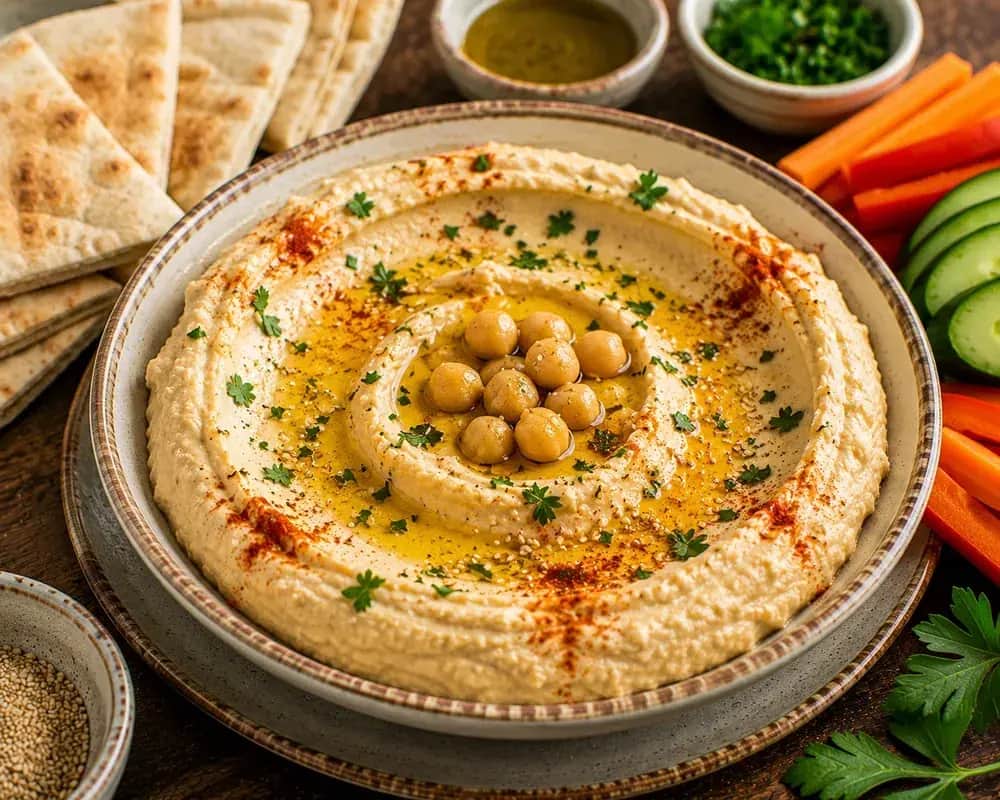
Classic Hummus Recipe — Palestinian Hummus bi-Tahini
A classic Palestinian hummus bi-tahini made with exceptionally tender chickpeas, creamy tahini, fresh lemon juice, garlic, cumin, and extra virgin olive oil. The finished hummus is smooth, light, and balanced, with warm Arabic bread for serving.
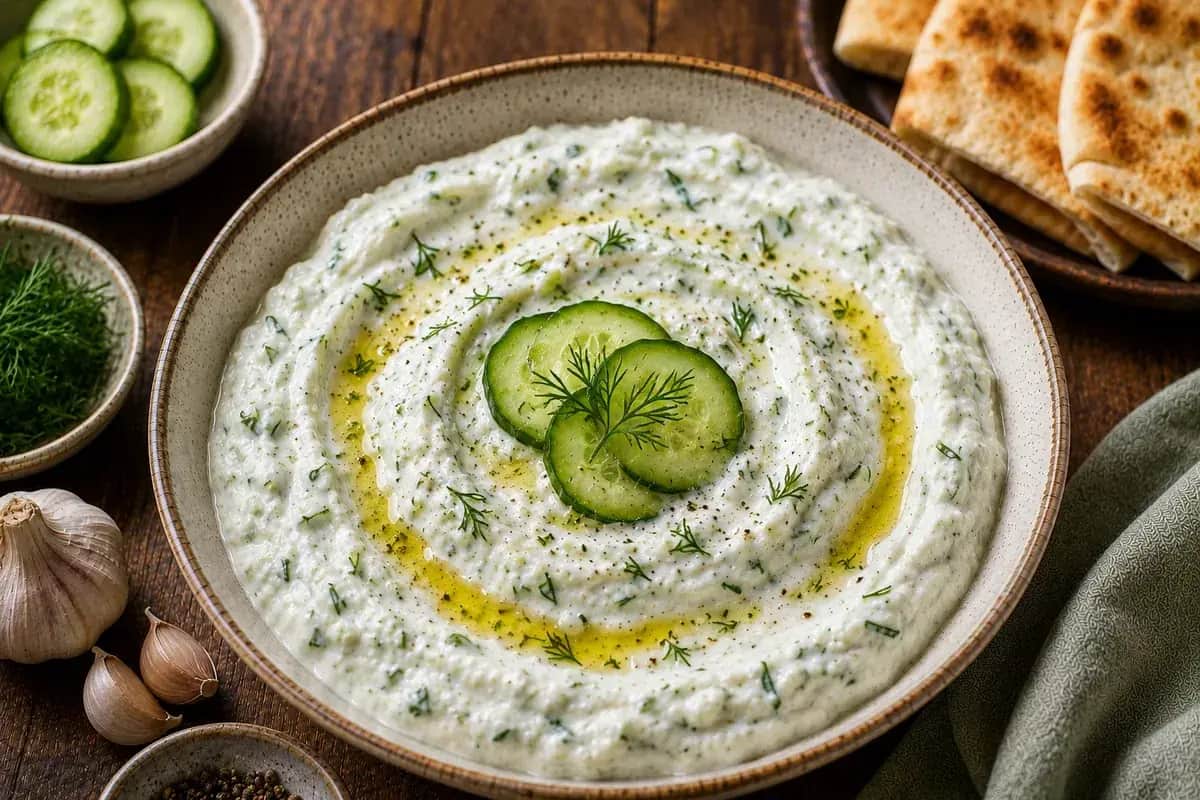
Creamy Tzatziki Sauce Recipe
A creamy tzatziki sauce recipe made with thick Greek yogurt, cucumber, garlic, fresh dill, optional mint, lemon juice, and extra virgin olive oil. This Lebanese-style yogurt sauce is cool, tangy, refreshing, and perfect with grilled chicken, shawarma, falafel, vegetables, wraps, warm pita, and mezze.
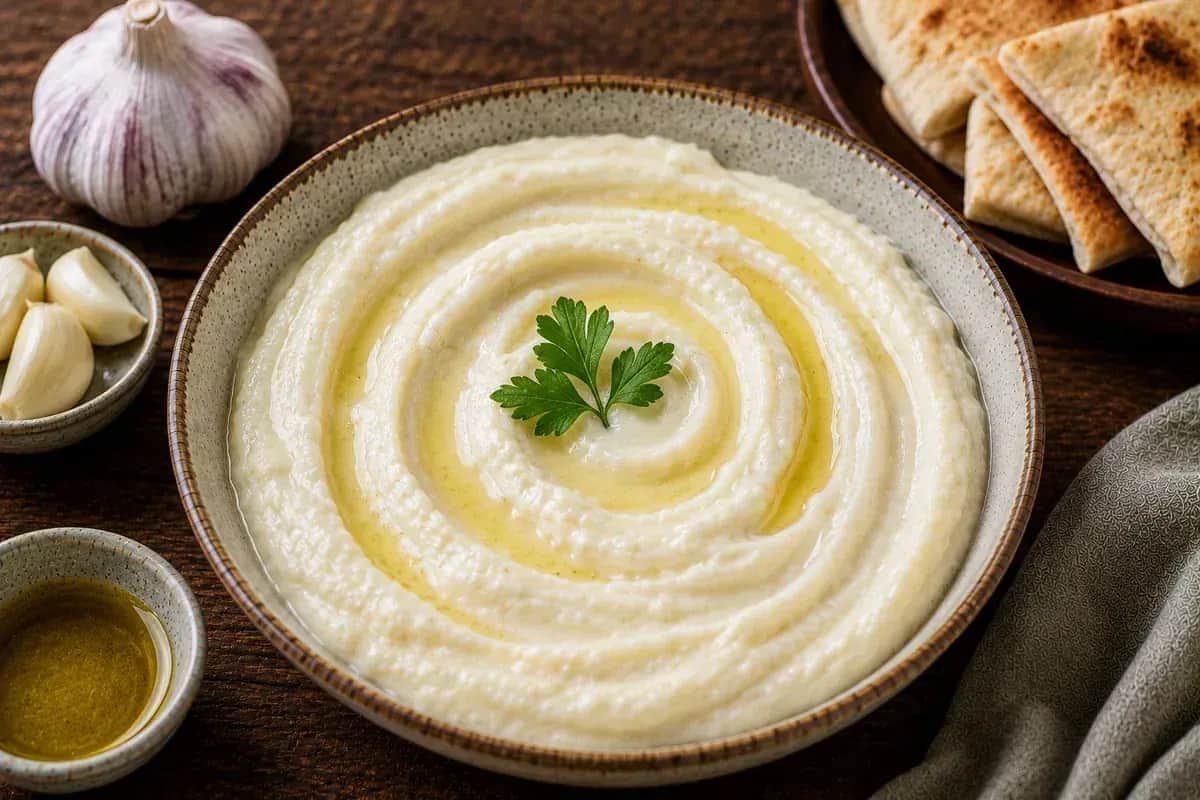
Classic Toum Recipe (Lebanese Garlic Sauce)
A Lebanese toum made with fresh garlic, lemon juice, avocado oil, aquafaba, and sea salt. The sauce is intensely garlicky, bright with lemon, and remarkably light and fluffy, making it a classic accompaniment to shawarma, grilled meats, potatoes, sandwiches, and mezze.