
A Table Tells a Story
You can learn a surprising amount about Lebanon by sitting down at a Lebanese table. There might be a bowl of hummus in the middle, a plate of tabbouleh bright with parsley and lemon, warm bread passed from one person to another, olives, pickles, labneh and several more dishes arriving before anyone has finished the first.
The table feels generous because Lebanese food has always been about more than feeding yourself. It is about feeding other people. A meal can be an invitation to stay, a way of welcoming a guest, a reason for relatives to gather and a chance to pass familiar flavors from one generation to another.
That is one of the best places to begin understanding Lebanese heritage. The culture is not preserved only in ancient ruins or museums. It also lives in family kitchens, village bakeries, olive groves, celebrations and the recipes people remember because someone they loved used to make them.
Heritage lives in more than books. It carries on around the table.
Lebanon at the Crossroads of Civilizations
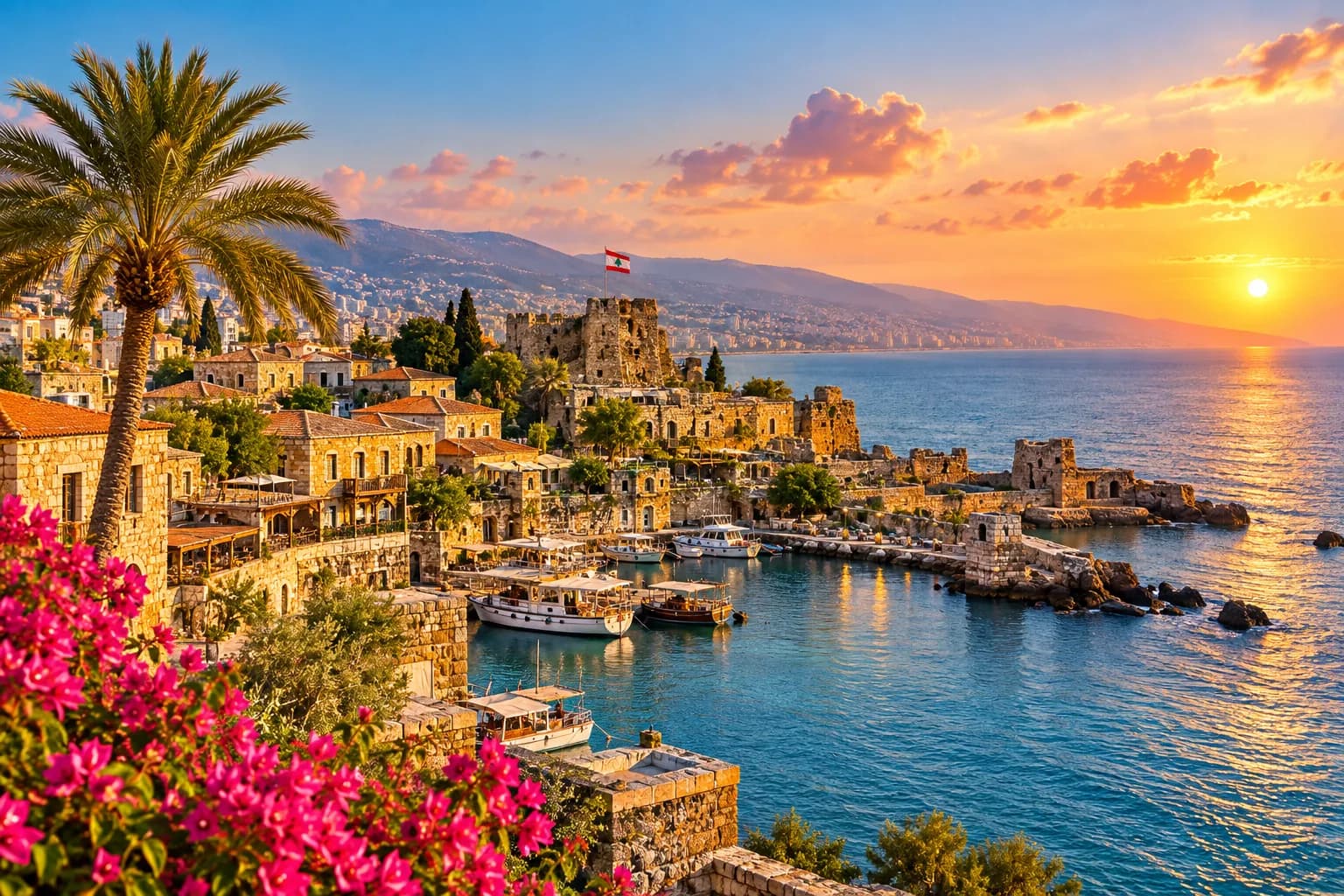
Lebanon occupies a relatively small area along the eastern Mediterranean, but its location has placed it in contact with many different civilizations throughout history. The coast connected communities to Mediterranean trade, while the mountains and valleys created their own local environments and traditions.
Ancient Phoenician cities along the coast became important centers of maritime trade. Later periods brought Greek, Roman, Byzantine, Arab, Crusader and Ottoman influences, among others. Each period left traces in the country's archaeology, architecture, language, religious landscape and cultural memory.
The result is not a single, simple historical identity. Lebanese heritage is layered. Looking at the country through one period alone misses the way different communities and generations have continued to build on what came before them.
Byblos, Tyre and Sidon: The Mediterranean Connection
Byblos, known today as جبيل, is one of the places that makes Lebanon's long history particularly visible. Its archaeological remains show a settlement with thousands of years of occupation and an important connection to the ancient Mediterranean world.
Tyre and Sidon were also major coastal cities. Their histories are closely connected to maritime trade and the movement of goods, people and ideas around the Mediterranean. These cities remind us that the sea was not simply a border for ancient Lebanon. It was a route connecting communities.
That Mediterranean connection can still be felt in Lebanese food. Olive oil, herbs, vegetables, grains, seafood, citrus and other ingredients belong to a food culture that shares many characteristics with the wider Mediterranean while retaining its own Lebanese character.
The Mountains, Valleys and the Cedar
Lebanon's geography changes quickly. A short journey can take you from the Mediterranean coast into mountain villages, fertile agricultural areas and highland landscapes. This variety has influenced what people grow, what they eat and how communities have developed.
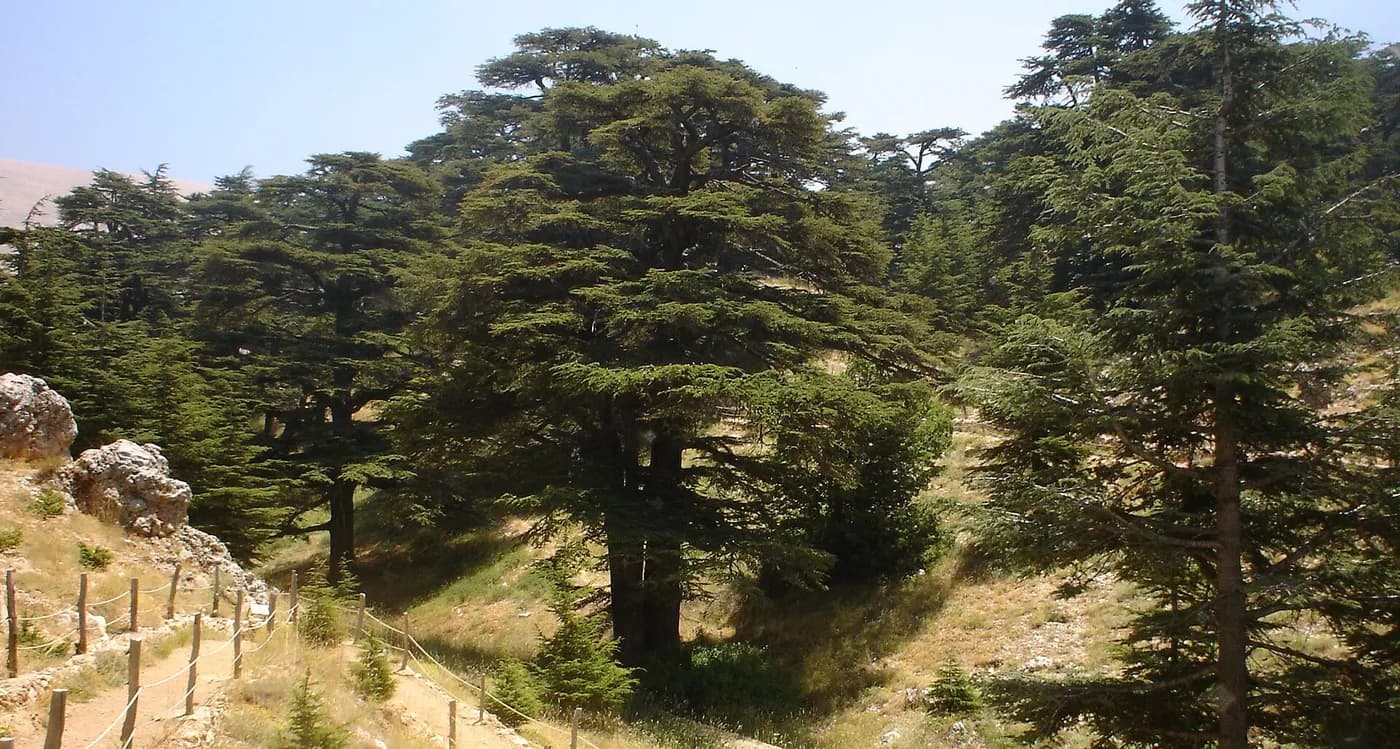
The cedar is perhaps the most recognizable natural symbol of Lebanon. Cedar trees have been associated with the country's landscape and cultural identity for centuries, and the tree appears on the Lebanese national flag.
In northern Lebanon, the Qadisha Valley and the Forest of the Cedars of God form a UNESCO World Heritage property. The landscape combines dramatic mountains, historic monasteries and ancient cedar groves, showing how natural and cultural heritage can exist together.
The mountains also helped preserve local traditions. Villages developed distinctive food practices and ways of making use of what was available locally, from grains and legumes to fruit, herbs, dairy and olive products.
Family Is at the Heart of Lebanese Life
Family is an important part of Lebanese social life, and food often provides the setting where family relationships become visible. A meal can bring several generations around the same table, with older relatives preparing familiar dishes and younger family members learning simply by watching.
Some recipes are written down. Many are not. A person may remember how their grandmother prepared something without ever having measured the ingredients. A little more lemon, a different amount of garlic or a particular way of browning onions becomes part of the family's version.
This is why there can be many perfectly recognizable versions of the same Lebanese dish. Variation does not necessarily mean that one family is doing it incorrectly. It can reflect geography, household preference and the way recipes naturally change as they move between generations.
Every dish holds traces of place, people and memory.
Lebanese Hospitality
Hospitality is one of the qualities most often associated with Lebanese culture, and food is one of its clearest expressions. Guests may be offered coffee, tea, fruit, sweets or a full meal, sometimes with much more food prepared than anyone originally expected to eat.
The generosity is not only about quantity. It is about making someone feel welcome. Bringing another plate to the table, encouraging a guest to try something, or insisting that there is room for one more person can all become part of the social ritual of eating.
That spirit helps explain why shared dishes are so important. When food is placed in the middle of the table, the meal becomes something people participate in together rather than something each person consumes separately.
Try These from Our Kitchen
The Tradition of Mezze
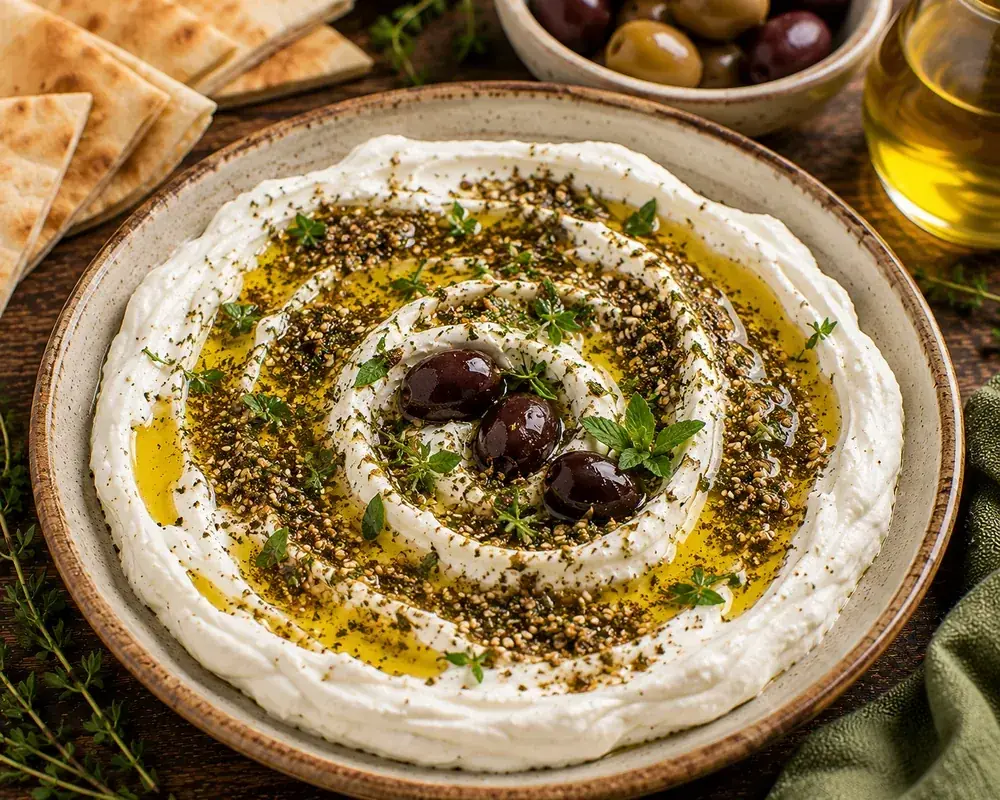
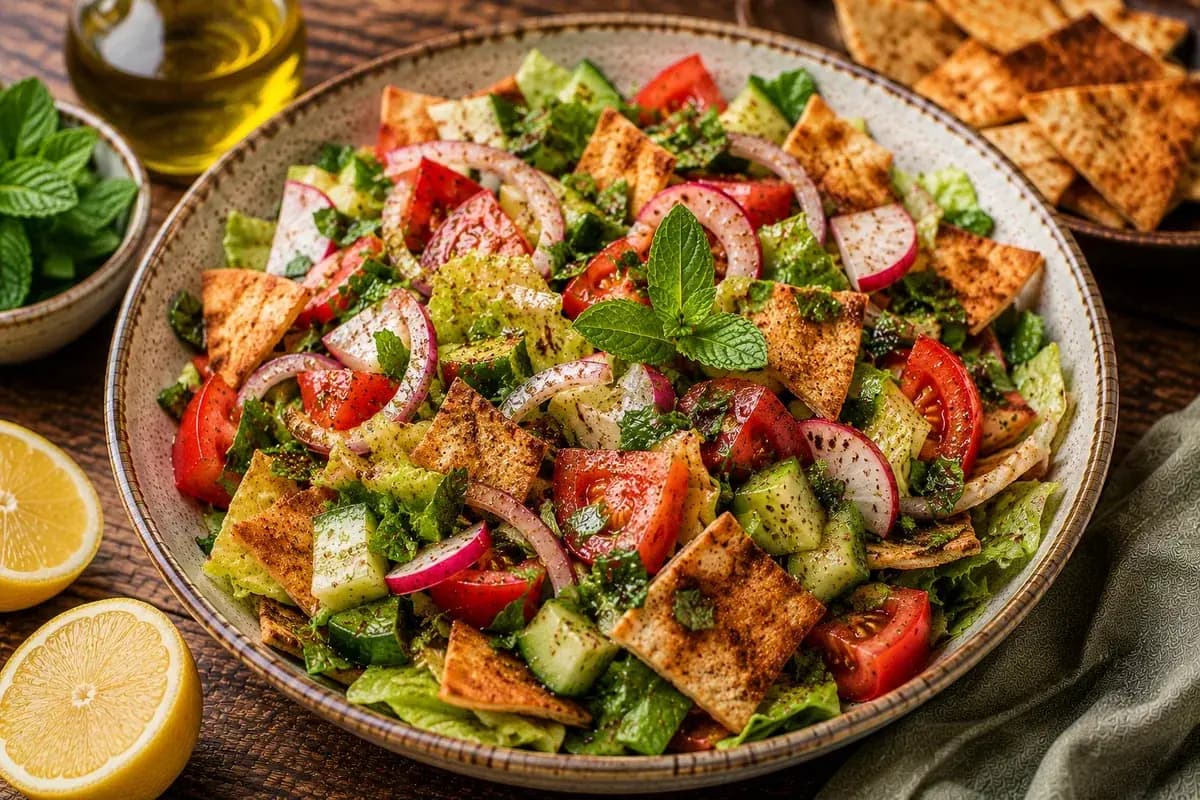
Mezze is one of the most recognizable features of Lebanese cuisine. A mezze table may include hummus, baba ghanoush, tabbouleh, fattoush, labneh, olives, pickles, vegetables, stuffed vine leaves and many other dishes depending on the meal.
The important thing is not that every Lebanese table contains exactly the same collection. Mezze changes with the household, region, season and occasion. A family lunch may be quite different from a large celebration.
What stays recognizable is the idea of variety and sharing. Small plates allow people to taste different flavors, pass food around the table and spend time together. It is a style of eating that naturally turns a meal into a social occasion.
Hummus, Tabbouleh and the Lebanese Table
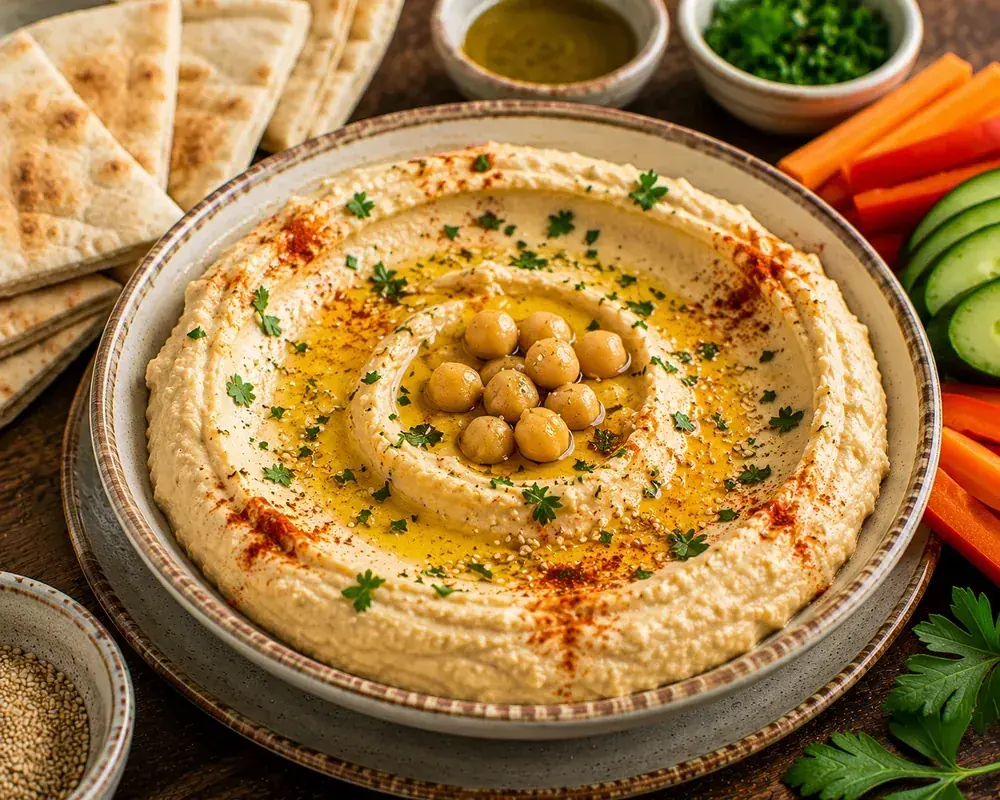
Hummus is made from chickpeas and tahini, with lemon and garlic commonly contributing brightness and flavor. It is simple in its ingredient list, but the balance of texture, acidity, sesame and seasoning can vary significantly between households and restaurants.
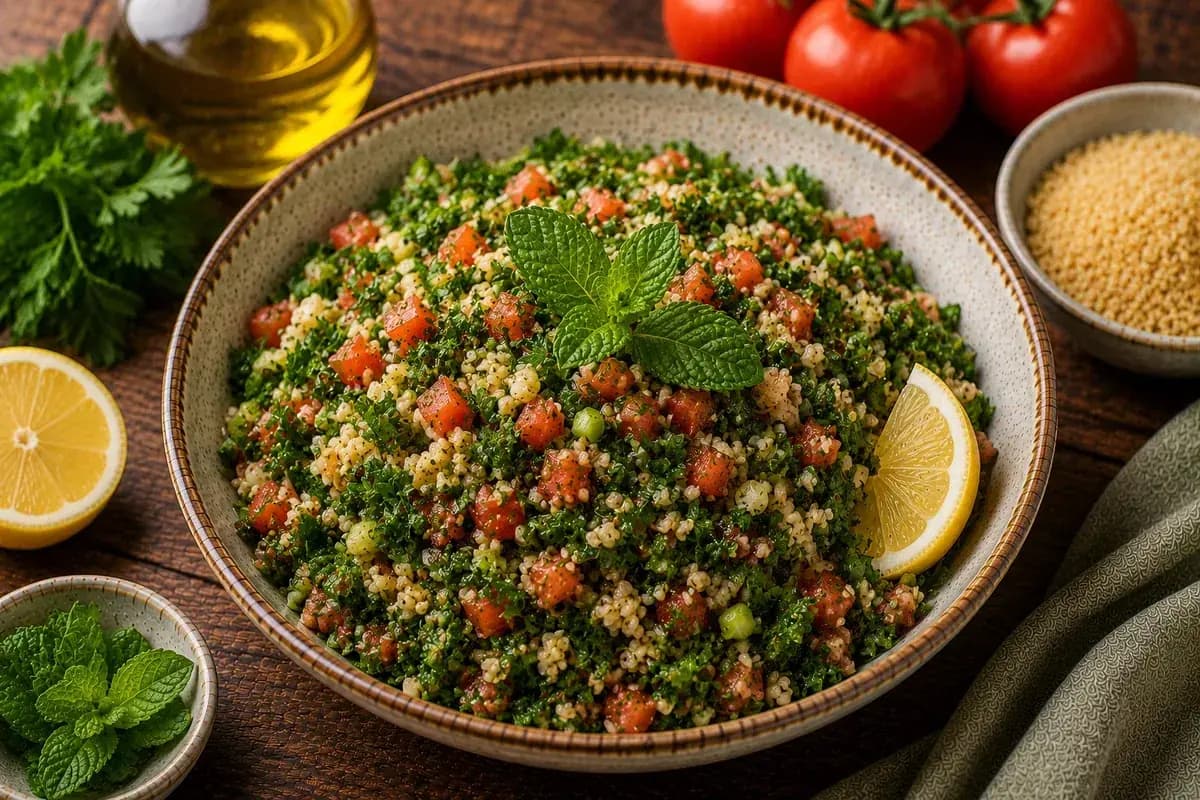
Tabbouleh offers a completely different expression of the table. Parsley is central, joined by tomato, mint, bulgur, lemon juice and olive oil. The result is fresh, herb-forward and bright.
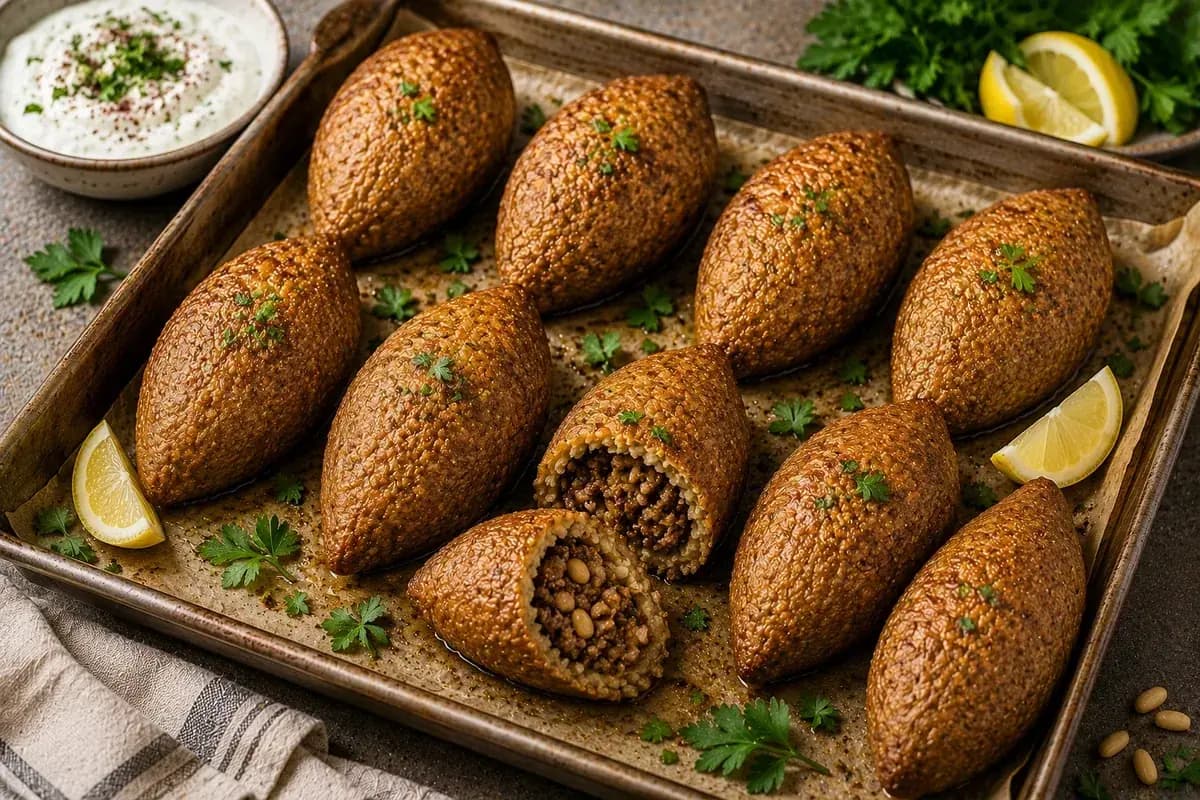
Kibbeh, in its many forms, shows another side of Lebanese cooking. Bulgur and meat can be combined into mixtures that are shaped, filled, baked or fried, with regional and family variations. Vegetarian versions and other preparations also exist.
Together, these dishes show why Lebanese cuisine cannot be reduced to one flavor profile. Fresh herbs, grains, legumes, vegetables, meat, dairy, nuts, spices, citrus and olive oil can all appear on the same table.
Try These from Our Kitchen
Every dish holds traces of place, people and memory.
Olive Oil and the Agricultural Calendar
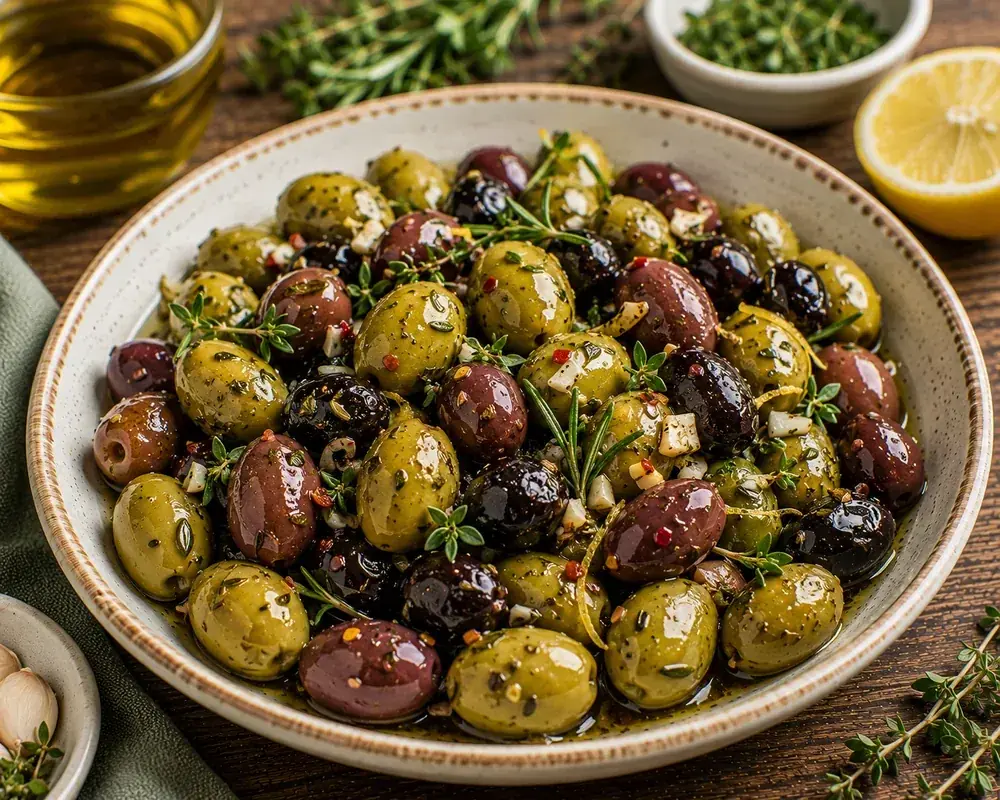
Olive oil is one of the most important ingredients in Lebanese cooking and part of a much wider Mediterranean agricultural tradition. Olive trees grow across different parts of Lebanon, and the harvest can become an important seasonal activity for families and communities.
The olive harvest is about more than producing oil. For families connected to the land, it can mean returning to villages, working together and sharing the rhythm of a season that has been repeated for generations.
Olive oil then finds its way into everyday cooking: drizzled over labneh, mixed into salads, used in marinades, added to dips or simply served with bread. Its importance comes partly from its versatility and partly from its connection to the landscape.
Try These from Our Kitchen
Bread, Grains and Everyday Food
Bread has long been central to everyday eating across the Levant. It can accompany dips, wrap fillings, carry grilled foods or simply be torn into pieces and shared at the table.
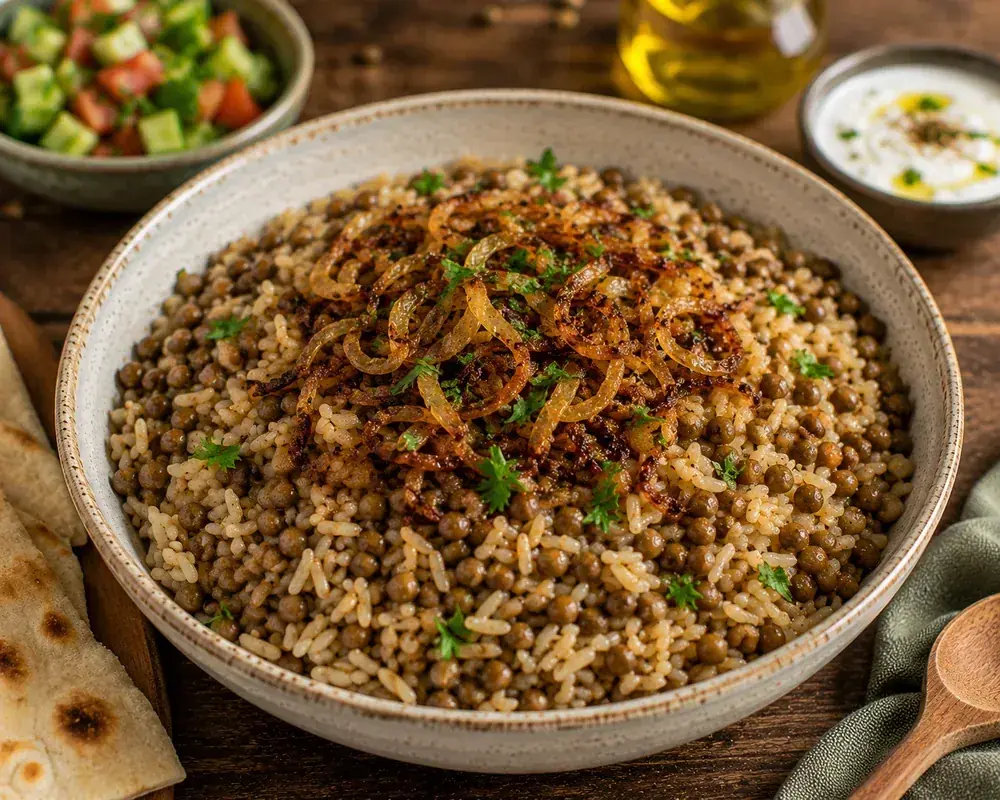
Grains and legumes are equally important. Bulgur, wheat, rice, lentils, chickpeas and beans can provide the foundation of meals that are practical, filling and adaptable.
These foods also make sense in a traditional household context because many can be stored and used throughout the year. Before modern food distribution made almost everything available all the time, preservation and storage were essential parts of managing a household kitchen.
Try These from Our Kitchen
Man’oushe and the Bakery Tradition
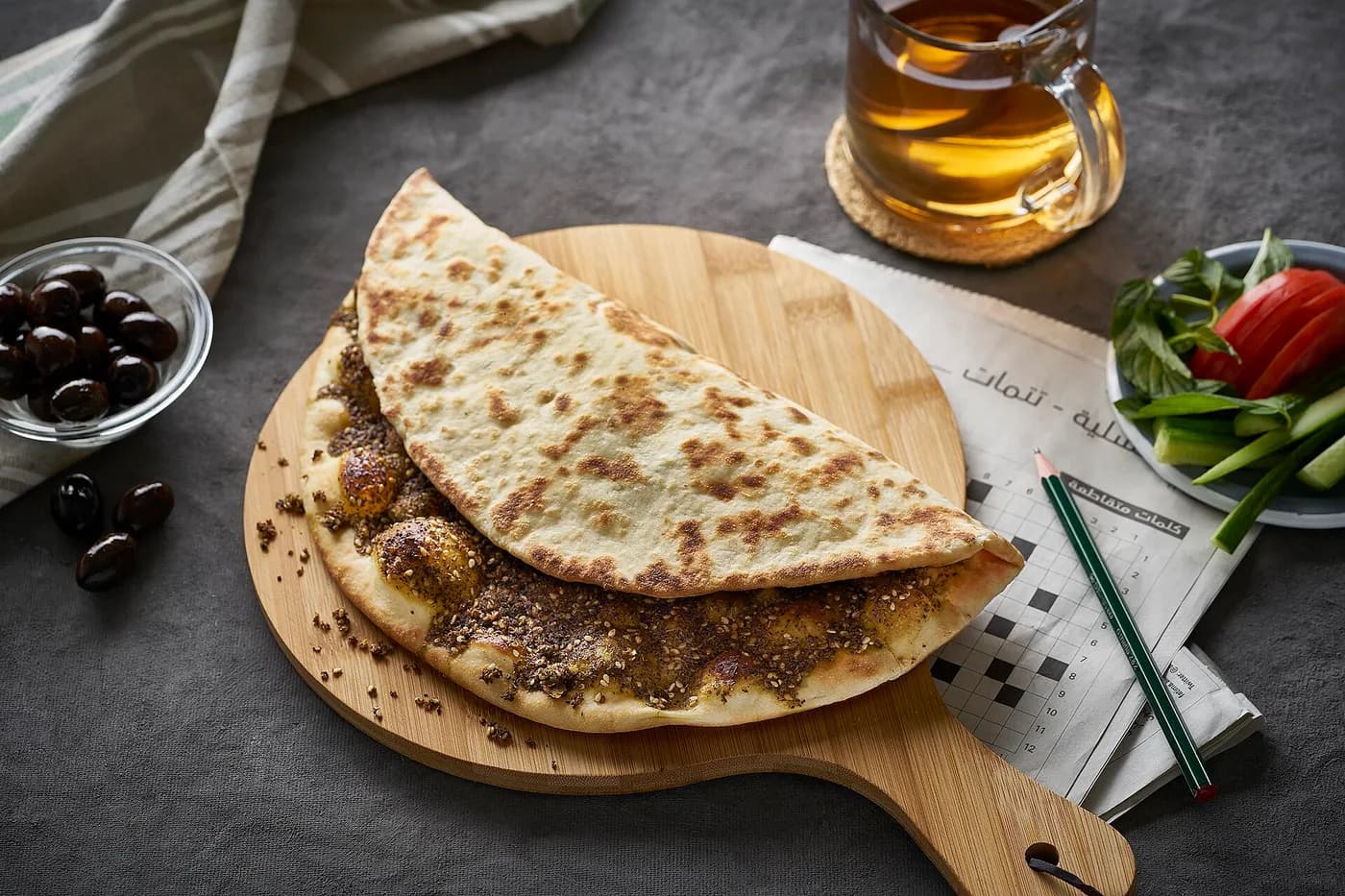
Some Lebanese food traditions are especially closely connected to everyday life outside the home kitchen. Man’oushe is a familiar example: a flatbread commonly topped with za’atar and olive oil and baked until fragrant.
It can be breakfast, a quick meal, something bought from a neighborhood bakery or a food shared with family. Its simplicity is part of its appeal.
UNESCO has recognized al-Man’ouché as an emblematic culinary practice in Lebanon's intangible cultural heritage. The recognition is significant because it highlights not only a food but also the knowledge, preparation and social practices surrounding it.
Coffee, Mint Tea and Conversation
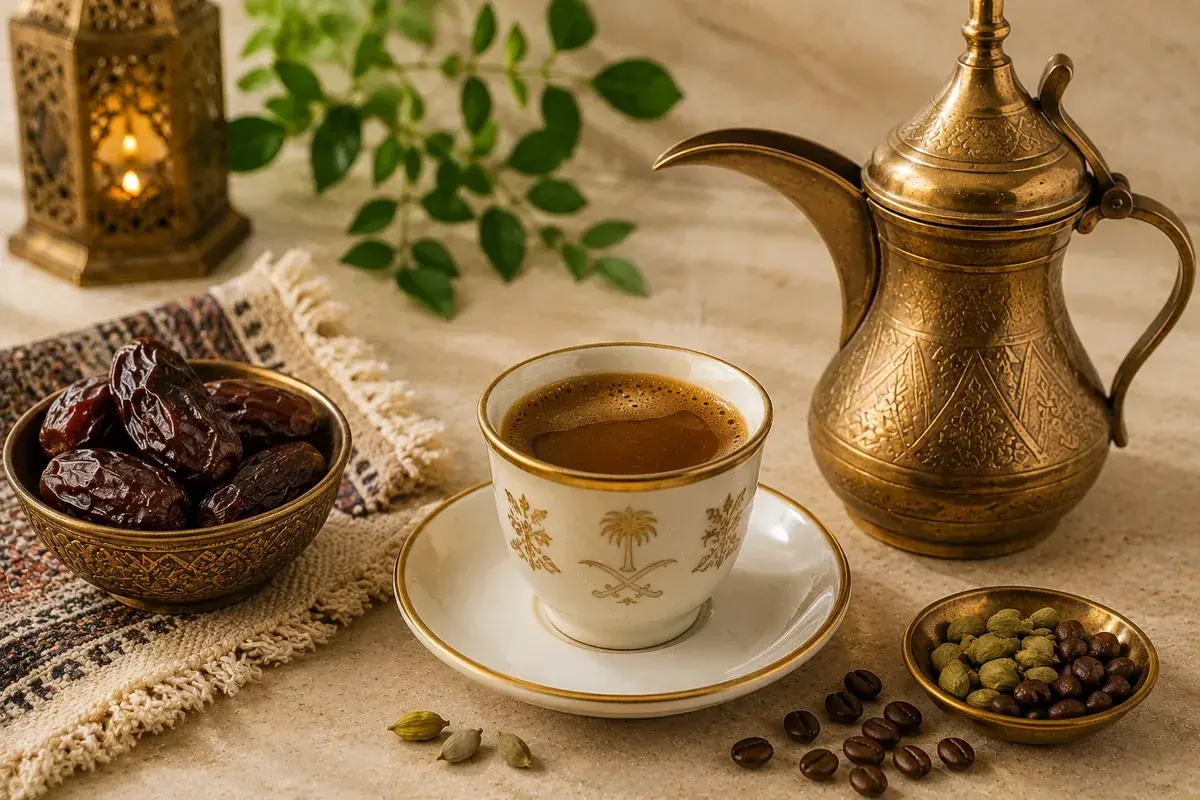
Drinks can carry cultural meaning too. Coffee and tea are commonly associated with welcoming guests and making time for conversation, although preparation and serving customs vary between families and communities.
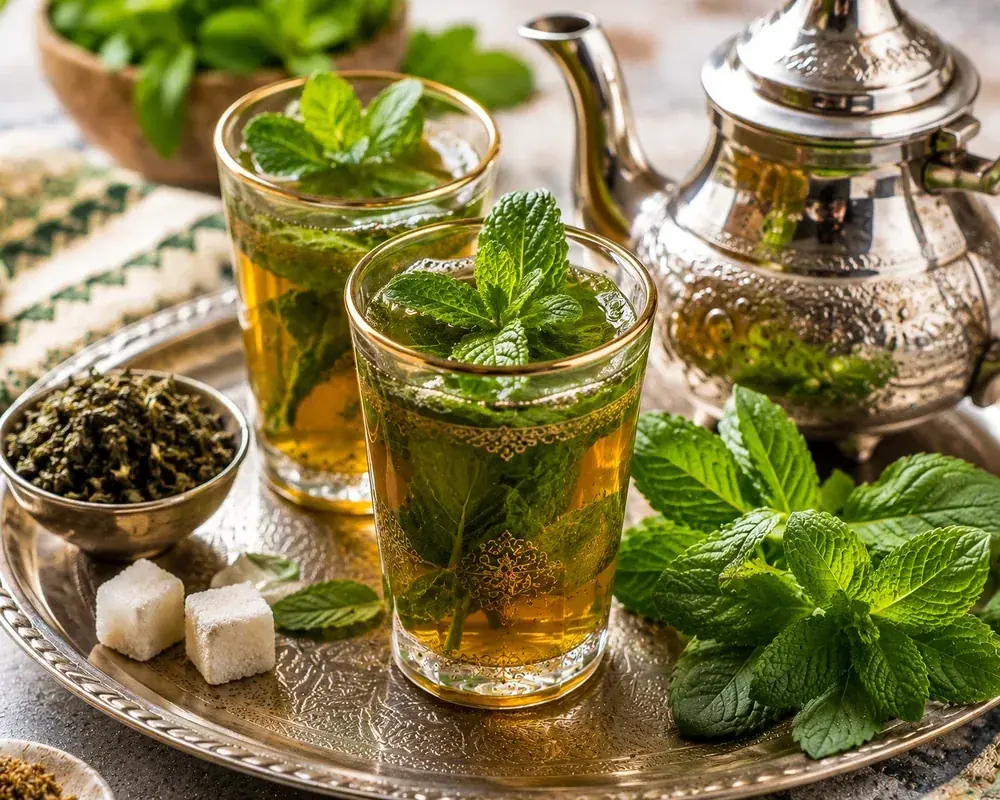
Lebanese mint tea, for example, combines black tea with fresh mint and can be served after a meal or when guests visit. The mint gives the drink a bright aroma that makes it particularly refreshing.
These drinks demonstrate something easy to overlook when thinking about culinary heritage: culture is not only found in elaborate celebration dishes. It also exists in the ordinary routines that happen every day.
Music, Dabke and Celebration
Lebanese cultural life extends far beyond food. Music, poetry, crafts, religious traditions, festivals and dance all contribute to the country's cultural identity.
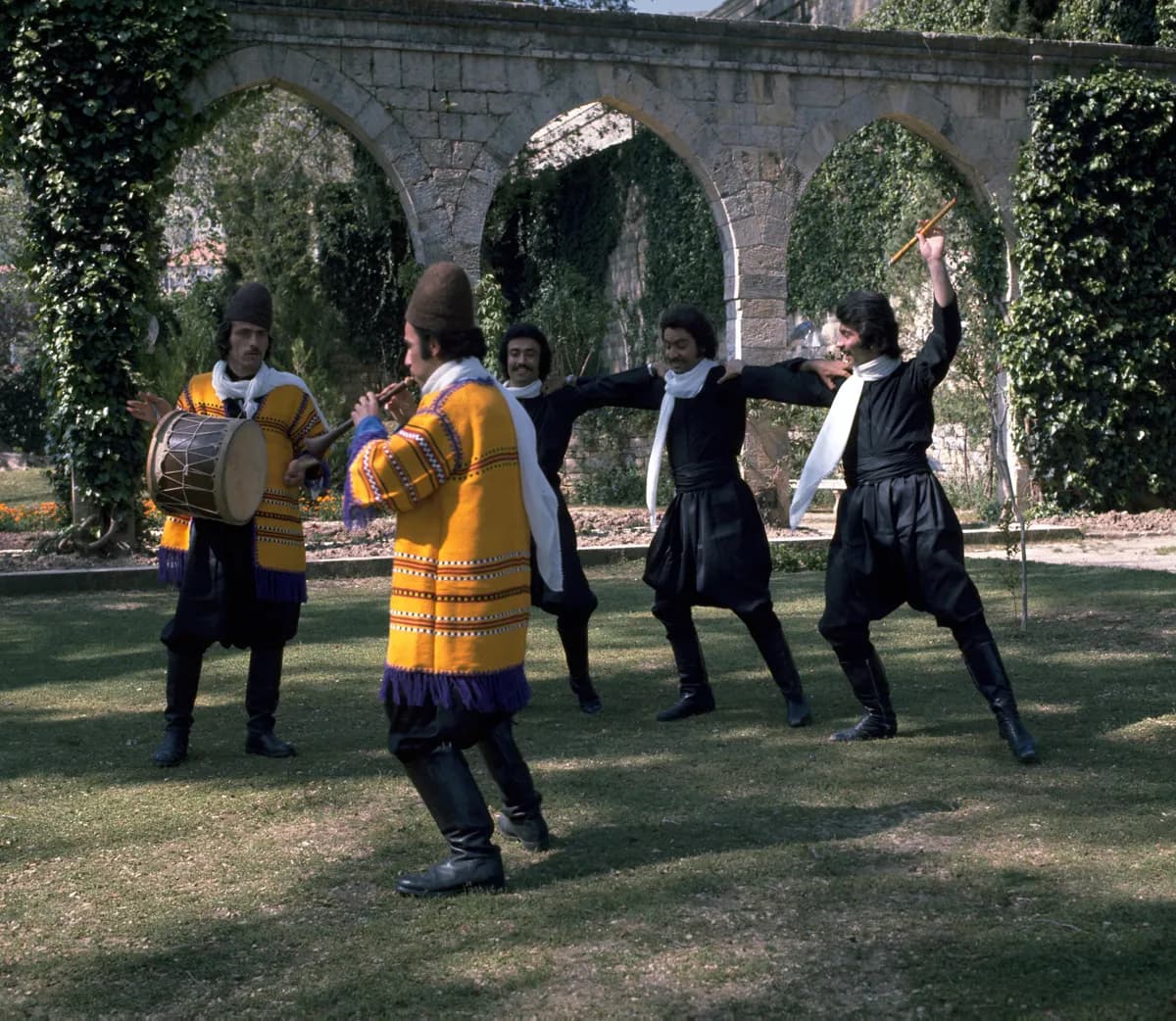
Dabke is perhaps the most recognizable traditional group dance associated with the Levant. Participants join hands or link together and move through coordinated steps. Different communities and regions have their own styles, and the dance is particularly associated with weddings and celebrations.
The communal character of dabke mirrors the communal character of the Lebanese table. Both are activities in which participation matters. They bring people together rather than simply presenting something for an audience to observe.
Villages, Regions and Local Identity
Lebanon's regional differences are important when talking about its food. Coastal communities have their own relationship with seafood and Mediterranean trade. Mountain villages have traditions shaped by altitude, agriculture and seasonal preservation. The Bekaa Valley has long been important for agriculture and vineyards.
This means there is no single dish or ingredient that can tell the entire story of Lebanese cooking. A recipe may have one version in a mountain village and another in a coastal city, while families living abroad may develop yet another version using ingredients available to them.
Rather than making Lebanese cuisine less authentic, these differences show how food traditions survive. They adapt to geography, migration, availability and family life.
Religious and Cultural Diversity
Lebanon is home to a diverse range of religious and cultural communities. Christian and Muslim communities, among others, have contributed to the country's cultural landscape, and traditions can differ considerably between communities and regions.
Celebrations, fasting periods, religious holidays, family customs and everyday food practices can therefore vary. Some dishes are associated strongly with particular communities, while others are shared widely across the country and the wider Levant.
Recognizing this diversity is important when discussing Lebanese heritage. There is no single experience that represents every Lebanese person. The country's cultural story is better understood as a collection of overlapping traditions.
Preserving Heritage Through Food
Perhaps the most interesting thing about Lebanese heritage is how much of it survives through ordinary actions. Someone plants mint in a garden. A family gathers olives. A grandmother teaches a child how to shape kibbeh. Someone makes tabbouleh without measuring anything because they have made it hundreds of times.
These moments may not look historic, but they preserve knowledge. They connect younger generations to people and places they may otherwise know only through stories.
Food becomes a kind of living archive. A recipe can carry the memory of a village, a season, a relative or a family gathering. When the recipe is prepared again, part of that memory is carried forward.
Lebanese Cuisine in the Modern World
Lebanese cuisine has traveled far beyond Lebanon. Lebanese restaurants, bakeries and family kitchens can now be found in many parts of the world, and recipes continue to change as cooks work with new ingredients and modern techniques.
That evolution does not necessarily erase tradition. A dish can be prepared in a contemporary kitchen while still retaining the ingredients, flavors or social meaning that connect it to Lebanese food culture.
For modern home cooks, Lebanese cuisine also offers a practical approach to everyday food. Vegetables, herbs, legumes, grains, yogurt, olive oil and spices can create satisfying meals without requiring complicated equipment or elaborate preparation.
The Heritage Behind the Table
Lebanon's heritage cannot be separated from its food. The ancient cities, mountains, cedar forests, agricultural valleys, family kitchens, bakeries and gathering places all form part of the story.
A bowl of hummus tells one small part of that story. Tabbouleh tells another. A loaf of man’oushe, a glass of mint tea, a bottle of olive oil from the harvest or a family plate of mujaddara can each connect food to a place and a memory.
The most meaningful way to understand culinary heritage is therefore not to treat traditional food as something frozen in time. It is to see how people continue to cook it, adapt it, share it and teach it to someone else.
A Taste of Lebanon at Healthy Mezze
At Healthy Mezze, we see Lebanese cuisine as part of the wider Eastern Mediterranean food tradition: generous, vegetable-rich, built around grains and legumes, brightened with herbs and lemon, and deeply connected to the idea of sharing.
Exploring a Lebanese recipe is only the beginning. Behind the ingredients are landscapes, agricultural traditions, family memories and centuries of cultural exchange.
So when you sit down to a Lebanese-inspired meal, take a moment to look beyond the plate. The food is carrying a story—and that story is still being written.
Research & Sources