
Authentic Arabic Coffee Recipe (Ahwa)
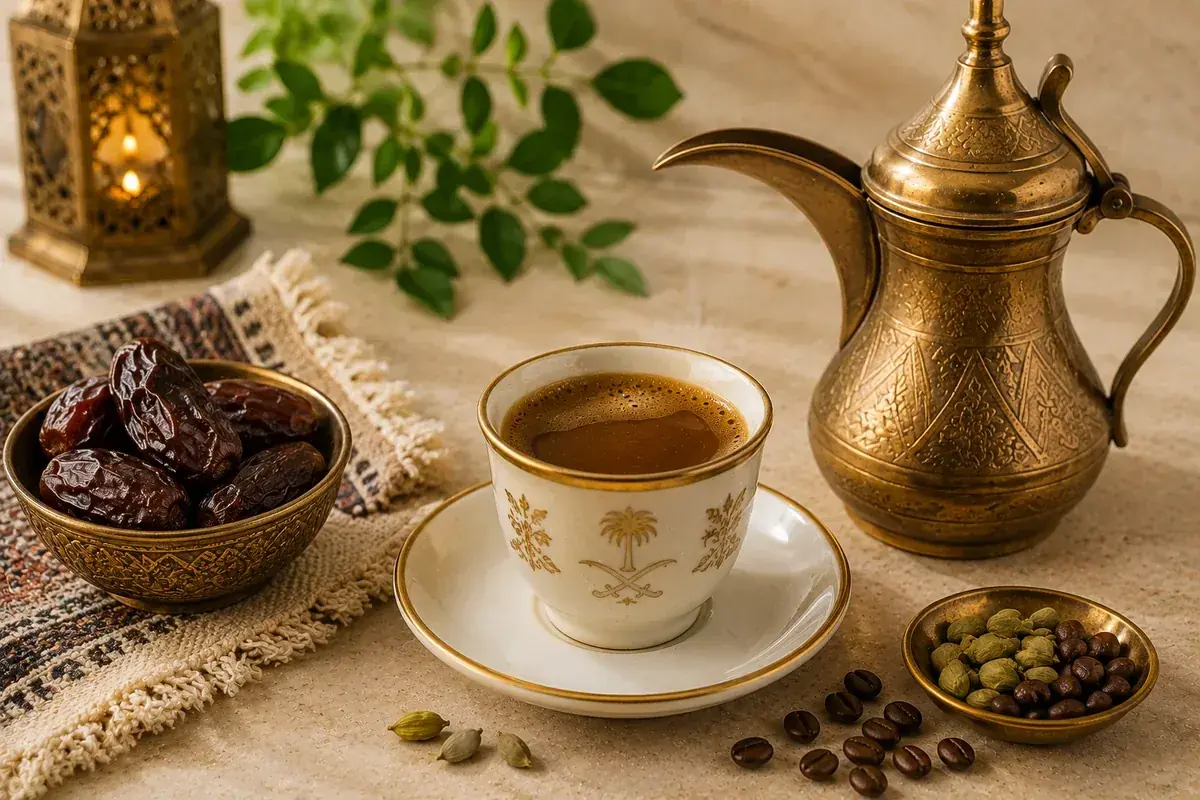
An authentic Arabic coffee recipe made with lightly roasted coffee, aromatic cardamom, and water, then served warm in small finjan cups with traditional dates.
Prep Time
5 mins
Cook Time
10 mins
Total Time
15 mins
Servings
4
A TASTE OF TRADITION
The Story Behind This Recipe
Arabic coffee is one of those recipes where the preparation is simple, but the meaning behind the cup is much larger. A few basic ingredients—coffee, water, and cardamom—become part of a ritual of welcoming people, offering something warm to a guest, and making time for conversation. The coffee is traditionally served in small cups, encouraging the experience to unfold slowly rather than being treated simply as a large everyday beverage.
Cultural & Culinary Context
Across the Middle East, coffee has long been connected with hospitality and social gatherings. The exact roast, grind, spices, brewing method, and serving customs vary between countries, communities, and families. In some traditions, a dallah is used to prepare or serve the coffee, while small finjan cups are used for serving. Dates and other sweets are often offered alongside the drink, creating a simple combination of bitter aromatic coffee and natural sweetness.
What Makes It Mediterranean?
This recipe fits the wider Eastern Mediterranean and Middle Eastern food culture through its emphasis on simple ingredients, aromatic spices, and hospitality. Rather than adding milk, cream, or a heavy sweetener, the coffee gets its character from the roast and the fragrance of cardamom. It is also naturally suited to serving alongside dates and small traditional sweets.
Mediterranean Influences
- 🌿Cardamom provides the defining aromatic character.
- 🌿Lightly roasted coffee creates a delicate and fragrant cup rather than a heavy espresso-style drink.
- 🌿The recipe uses a short ingredient list and simple preparation.
- 🌿Coffee is served in small finjan cups as part of a shared hospitality experience.
- 🌿Dates provide a natural sweet accompaniment without needing to sweeten the coffee itself.
- 🌿The recipe reflects the broader Eastern Mediterranean and Middle Eastern tradition of offering food and drink as a gesture of welcome.
Ingredients
- 4 cups water (Use fresh drinking water for the cleanest flavor.)
- 4 tbsp finely ground Arabic coffee (Lightly roasted Arabic-style coffee gives the traditional delicate color and aroma.)
- 1 tsp freshly ground cardamom (Adjust slightly according to how pronounced you want the cardamom aroma.)
- 2 whole cardamom pods (Optional. Lightly crush before adding to release their aroma.)
- 4 fresh dates (Optional. Serve alongside the coffee as a traditional-style accompaniment.)
Instructions
- 1
Pour the water into a dallah or small saucepan and bring it to a gentle boil.
- 2
Reduce the heat to low so the water remains hot without boiling aggressively.
- 3
Add the finely ground Arabic coffee and stir gently to distribute the grounds.
- 4
Allow the coffee to simmer gently for about 8–10 minutes. Avoid vigorous boiling because it can produce a harsher flavor and keep too many grounds suspended in the coffee.
- 5
Add the freshly ground cardamom during the final 1–2 minutes of simmering. If using lightly crushed cardamom pods, add them at the same stage.
- 6
Remove the coffee from the heat and let it rest for 1–2 minutes. This gives the fine coffee grounds time to settle toward the bottom.
- 7
If using a saucepan, carefully transfer the coffee to a serving pot or pour slowly through a fine coffee strainer if needed. When pouring directly into finjan cups, leave the settled grounds behind.
- 8
Serve immediately while warm in small finjan cups. Offer fresh dates alongside the coffee if desired.
SET YOURSELF UP FOR SUCCESS
Before You Cook
👨🍳 Keep In Mind
- •Use freshly ground cardamom when possible because its aroma fades quickly after grinding.
- •Choose finely ground Arabic coffee rather than a coarse filter-coffee grind.
- •Measure the water and coffee before beginning because the coffee cooks relatively quickly once the water is hot.
- •If using cardamom pods, lightly crush them so their aromatic oils can move into the coffee.
- •Have the finjan cups and serving pot ready before the coffee finishes brewing.
💡 Helpful Tips
- •Keep the heat gentle once the coffee has been added.
- •Avoid vigorous boiling because the goal is a fragrant, delicate coffee rather than aggressively extracted coffee.
- •Add cardamom toward the end when you want a fresher and more noticeable aroma.
- •Allow the coffee grounds to settle before pouring.
- •Pour slowly and stop before the settled grounds reach the serving cups.
- •Taste the first batch before adjusting the cardamom level for future preparations.
👀 How Do I Know It's Done?
- ✓The coffee has gently simmered for approximately 8–10 minutes.
- ✓The cardamom aroma is clearly noticeable without completely overpowering the coffee.
- ✓The coffee grounds have had time to settle after removing the pot from the heat.
- ✓The finished coffee pours easily while most of the grounds remain behind.
- ✓The flavor is aromatic and balanced rather than harsh or heavily bitter.
Tweak It
Make This Recipe Work for You
Adapt the recipe to your ingredients, dietary needs, budget, time, serving size, or meal-prep plans.
🔄 Ingredient Substitutions
Adjust the cardamom
Reduce the ground cardamom for a gentler aroma or increase it slightly for a more pronounced cardamom character.
Use cardamom pods
Lightly crushed cardamom pods can be used alongside or instead of some ground cardamom for a more layered aroma.
🌱 Dietary Adjustments
Naturally dairy-free
The coffee contains no milk or dairy products when prepared according to this recipe.
Serve without added sugar
The traditional-style preparation can be served without added sugar, with dates offered separately for natural sweetness.
💰 Budget-Friendly Options
Keep the ingredient list simple
Water, coffee, and cardamom are enough to make the drink. Dates are optional and can be omitted when serving on a budget.
⏱️ Time-Saving Options
Prepare cardamom ahead
Grind or lightly crush the cardamom shortly before brewing so it is ready when the coffee reaches the final stage.
Prepare the serving area first
Set out the finjan cups and dates before brewing so the coffee can be served immediately after the grounds settle.
👨👩👧👦 Serving Adjustments
Prepare a larger batch
Scale the ingredients proportionally when serving more guests, then adjust the cardamom gradually after tasting.
🥡 Meal Prep
Brew fresh for serving
Arabic coffee is best prepared close to serving time so its cardamom aroma remains fresh and the grounds can settle naturally.
RECIPE RESCUE
🧩 What Do You Need Help With?
Choose the problem you're facing and get a recipe-specific solution instead of a generic cooking tip.
WHAT IF?
🔄 What If...?
Choose your situation and we'll show you a practical pathway for making this recipe work.
STORAGE & LEFTOVERS
🥡 Storage & Leftovers
Arabic coffee is best enjoyed freshly brewed because the cardamom aroma is most noticeable when the coffee is warm and fresh.
If necessary, refrigerate leftover coffee in a sealed container after it has cooled.
Reheat gently rather than boiling the coffee again.
Do not leave brewed coffee at room temperature for an extended period.
For the best flavor and aroma, prepare a fresh batch when possible.
Best Storage Time
Best served immediately; refrigerated leftovers are best used within 1–2 days.
How to Store
Airtight heat-safe glass container.
SERVING & PAIRING
🍽️ Serving & Pairing
Serve Arabic coffee warm in small finjan cups as a welcoming drink alongside fresh dates or small traditional sweets.
What Goes Well With It?
RECIPE FAQ
❓ Frequently Asked Questions
What is Arabic coffee?
Arabic coffee is a traditional Middle Eastern coffee preparation commonly made with lightly roasted, finely ground coffee and aromatic cardamom. Regional recipes and serving customs vary.
How do you make Arabic coffee?
Arabic coffee is made by gently simmering finely ground lightly roasted coffee with water, then adding cardamom toward the end of brewing. The coffee is rested briefly so the fine grounds settle before it is poured into small finjan cups.
Why is Arabic coffee served in small cups?
Small finjan cups are part of the traditional serving style and are particularly suited to hospitality, where coffee may be offered and refilled during conversation and gatherings.
Does Arabic coffee contain milk?
This traditional-style preparation does not contain milk. It is brewed with water, coffee, and cardamom and is naturally dairy-free.
Should I add sugar?
You can, but this recipe is designed to be served without added sugar. Dates can be offered alongside the coffee when a naturally sweet accompaniment is desired.
Why is the coffee lighter than regular black coffee?
Arabic coffee is often made with a lighter roast and a finely ground coffee preparation, producing a lighter-colored and more delicate cup than many dark-roasted coffees.
Can I make Arabic coffee without cardamom?
Yes. Cardamom is a defining ingredient in many versions, but regional and personal preparations vary. Omitting it produces a simpler coffee with a more direct roasted-coffee flavor.
Can I use regular ground coffee?
You can, but finely ground Arabic-style coffee gives a more traditional result. A different roast or grind will change the color, aroma, and texture of the finished drink.
Why should I let the coffee rest before pouring?
The resting period allows the fine coffee grounds to settle toward the bottom, making it easier to pour the coffee while leaving most of the grounds behind.
Explore More
Go deeper into the cuisine
Learn more about the ingredients, traditions, and cooking approaches connected to this recipe.
Related from Healthy Mezze
You May Also Like
More delicious recipes from the Drinks
Traditional Jallab Recipe — Lebanese Date & Grape Molasses Drink
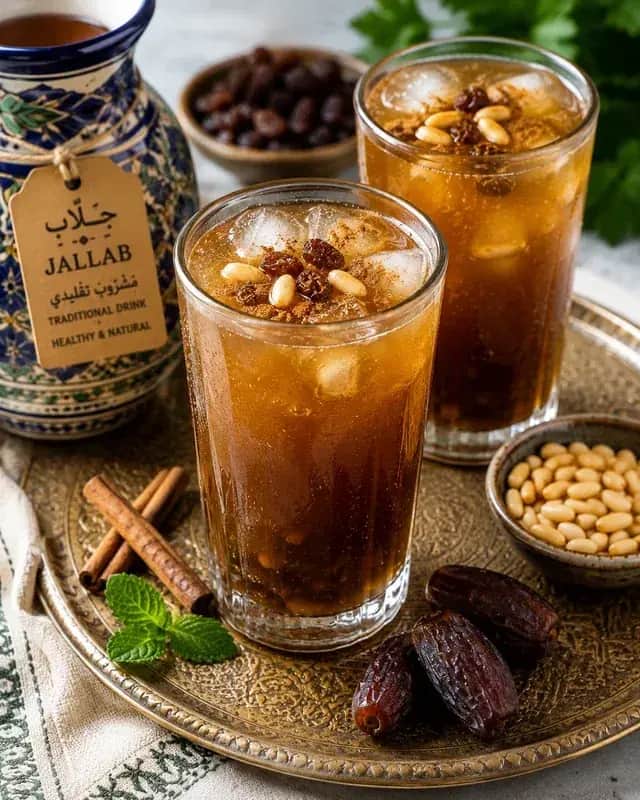
This Traditional Jallab recipe is a refreshing Lebanese and Levantine drink made with date molasses, grape molasses, rose water, and chilled water, served over ice and finished with pine nuts and golden raisins. A naturally sweet, floral, fruit-molasses beverage that comes together in minutes and is especially popular during Ramadan, family gatherings, festive meals, and warm weather.
Authentic Egyptian Karkade Recipe (Hibiscus Tea)
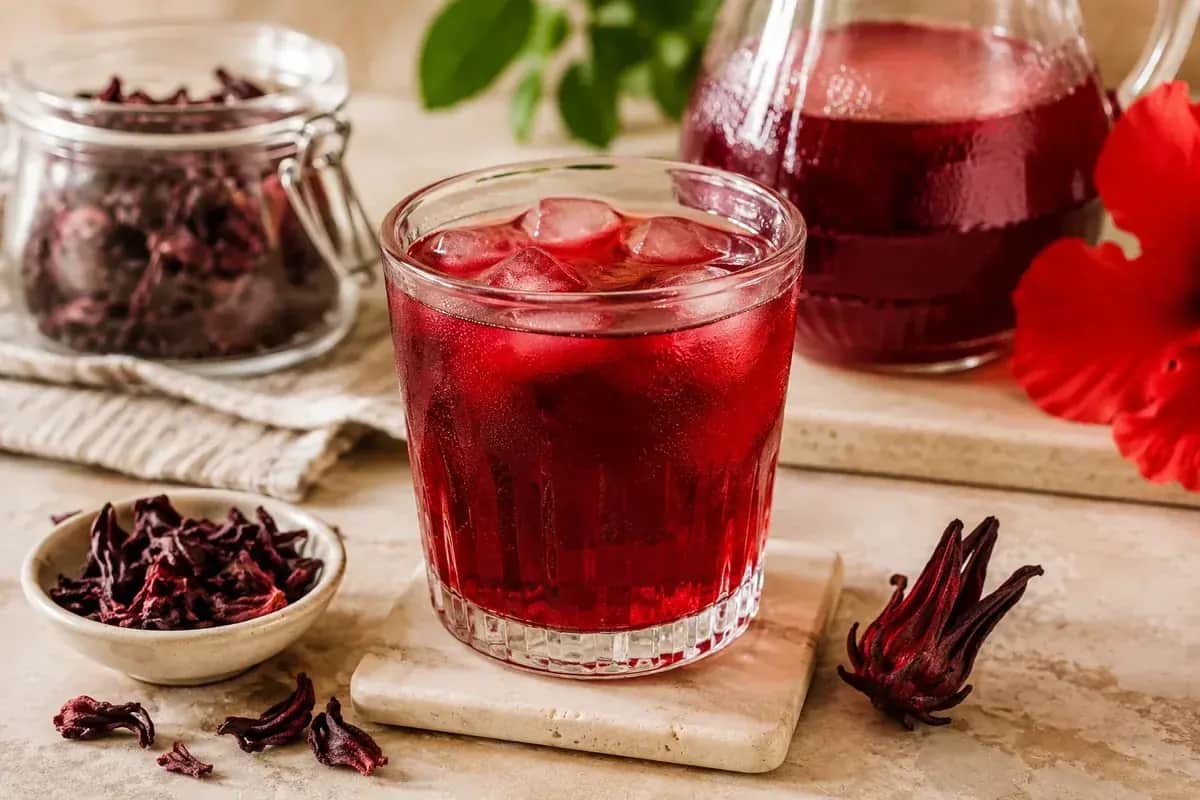
An authentic Egyptian Karkade recipe made with dried hibiscus flowers, honey, and optional fresh lemon for a vibrant ruby-red hibiscus drink that can be served hot or chilled over ice.
Authentic Sahlab Recipe (Healthy-Inspired Version)
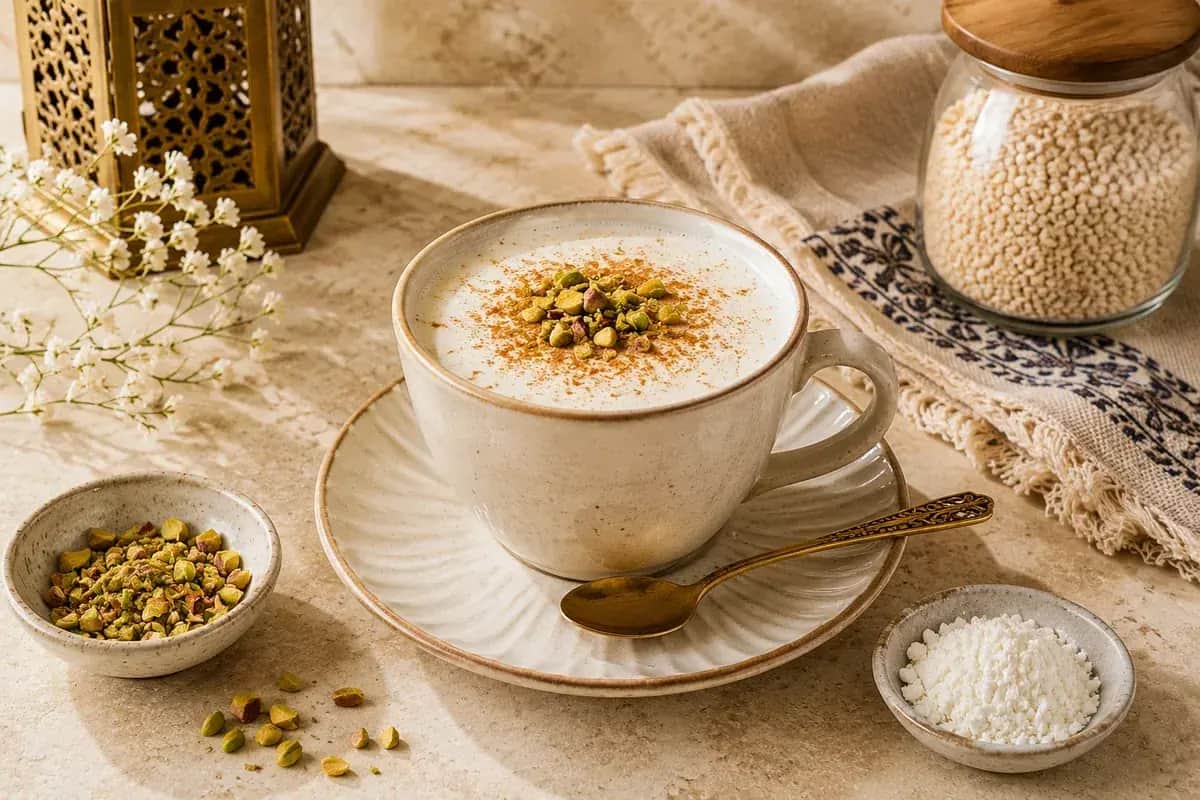
An authentic Sahlab recipe for a warm, creamy Middle Eastern milk drink thickened with sahlab powder and scented with orange blossom water, vanilla, and cinnamon, then topped with pistachios and coconut.