
Healthy Mezze Guide
Lebanese Pantry Essentials
A Lebanese-inspired pantry can be built around a practical group of grains, legumes, herbs, spices, tahini, olive oil, and other everyday ingredients. These basics make it easier to prepare dips, salads, grains, soups, and shared mezze without keeping an enormous collection of specialty products.
The foundation of a Lebanese pantry
Chickpeas, lentils, bulgur, rice, tahini, olive oil, garlic, onions, lemon, vinegar, and common herbs and spices are useful foundations for Lebanese cooking. Fresh vegetables and herbs are added when needed, but these pantry staples can support many everyday preparations.
Chickpeas and other legumes
Chickpeas are particularly useful because they can become hummus, salads, bowls, and other dishes. Lentils are another practical staple for soups and grain-based meals. Keeping legumes available gives you a simple way to add substance to a meal without depending on a large amount of meat.
Bulgur, rice, and grains
Bulgur and rice can provide texture and substance to salads, side dishes, and complete meals. When cooking grains, we pay attention to their final texture and how they will work with the other ingredients rather than relying only on a fixed cooking time. The amount of liquid and the starting temperature can affect the result.
Tahini and olive oil
Tahini is a useful ingredient for hummus, sauces, dressings, and other preparations, while olive oil can be used during cooking or as a finishing ingredient. When working with tahini, adding liquid gradually helps control the texture. Lemon, garlic, and salt can then be adjusted according to the final balance you want.
Herbs, spices, and acidity
Parsley, mint, garlic, lemon, sumac, za'atar, cumin, and other seasonings can give simple ingredients a distinctive character. Acidity is especially useful when balancing creamy or rich foods. We prefer tasting as we go because the amount of lemon, salt, herbs, or spices needed can change depending on the ingredients.
Building a pantry for practical cooking
A useful pantry should make everyday cooking easier rather than create more work. We like keeping ingredients that can be combined in several ways, allowing the same staples to support breakfast, salads, soups, dips, mezze, and main dishes. This also makes it easier to cook when there is limited time.
Healthier choices and adaptations
A pantry stocked with legumes, grains, vegetables, herbs, and simple seasonings can support a variety of balanced meals. When a recipe allows it, we often prefer oven cooking as a practical alternative to frying. We do not treat every traditional preparation as something that must be changed; instead, we consider whether an adaptation improves practicality or fits the way we want to cook.
Substitutions when your pantry is missing something
Before replacing an ingredient, think about its purpose in the recipe. A substitute may provide a similar flavor but a different texture, or it may change the character of the entire dish. Check the individual recipe for suggested alternatives and use the What If and Recipe Rescue sections when available before making a change.
Recipes from this guide
Try these recipes to put the ideas and ingredients from this guide into practice.
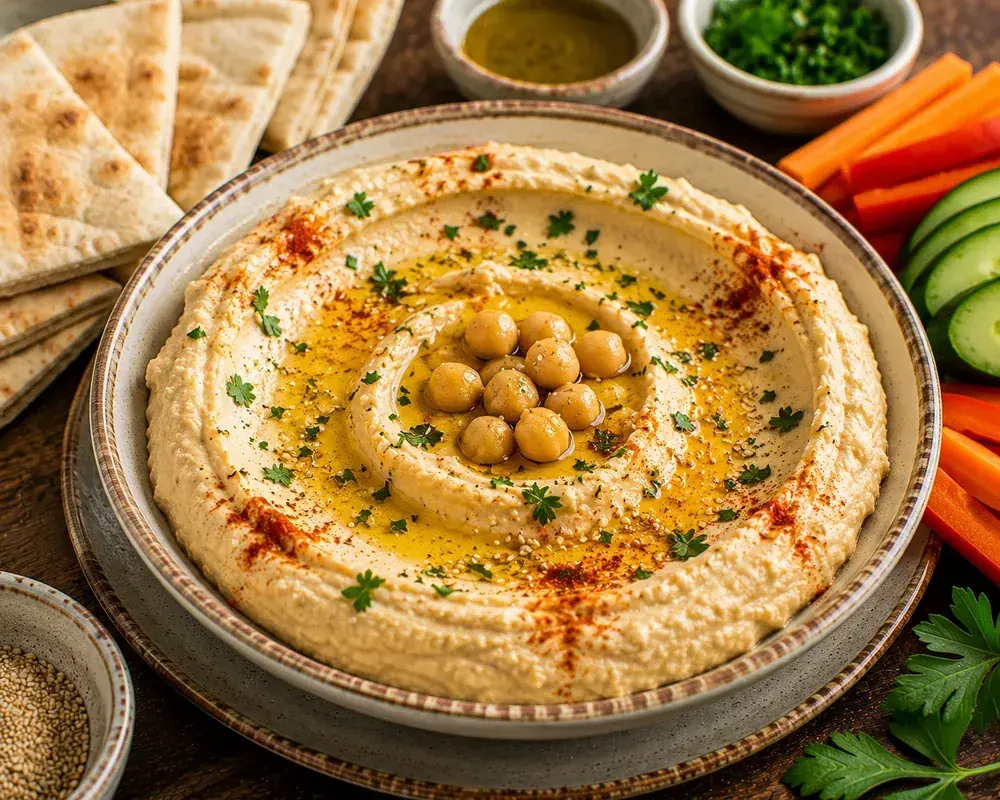
Classic Hummus Recipe — Palestinian Hummus bi-Tahini
A classic Palestinian hummus bi-tahini made with exceptionally tender chickpeas, creamy tahini, fresh lemon juice, garlic, cumin, and extra virgin olive oil. The finished hummus is smooth, light, and balanced, with warm Arabic bread for serving.
View recipe →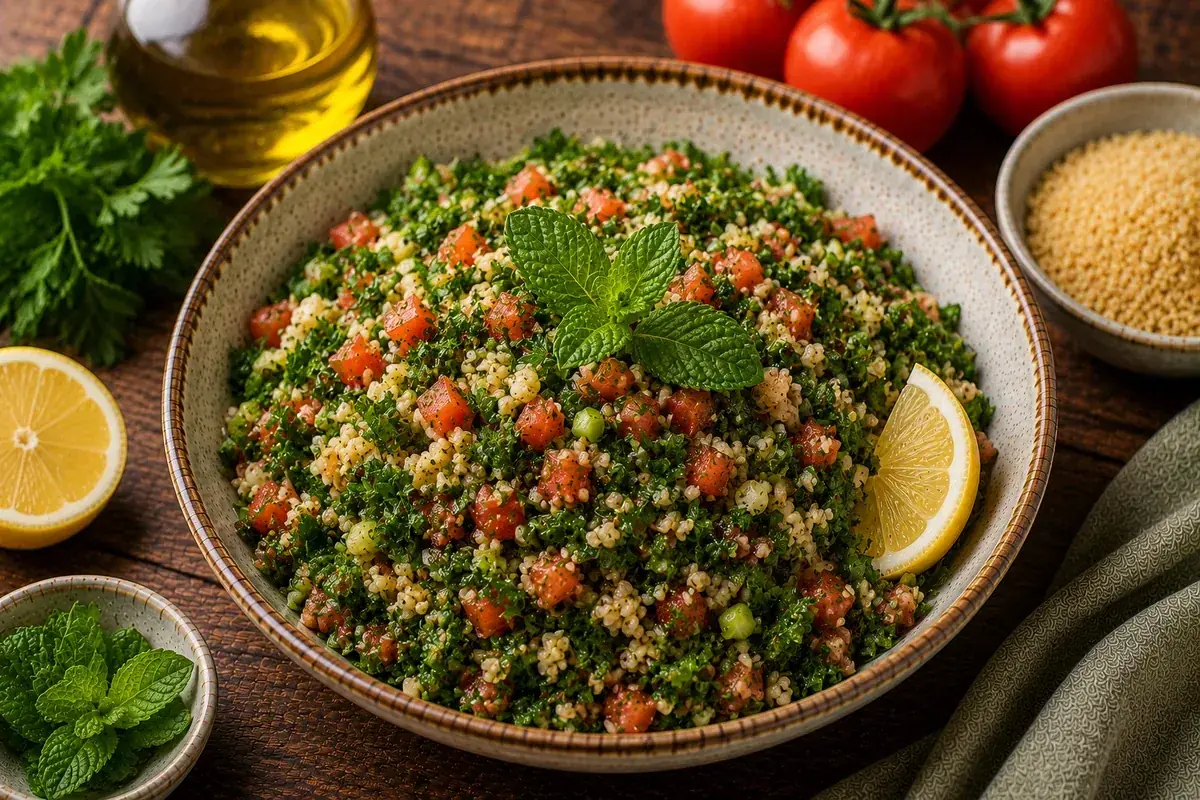
Lebanese Tabbouleh Recipe — Classic Parsley Salad
A classic Lebanese tabbouleh made with parsley, fresh tomatoes, bulgur, mint, lemon juice, and extra virgin olive oil. The salad is herb-forward and bright, with finely chopped vegetables and a tangy dressing.
View recipe →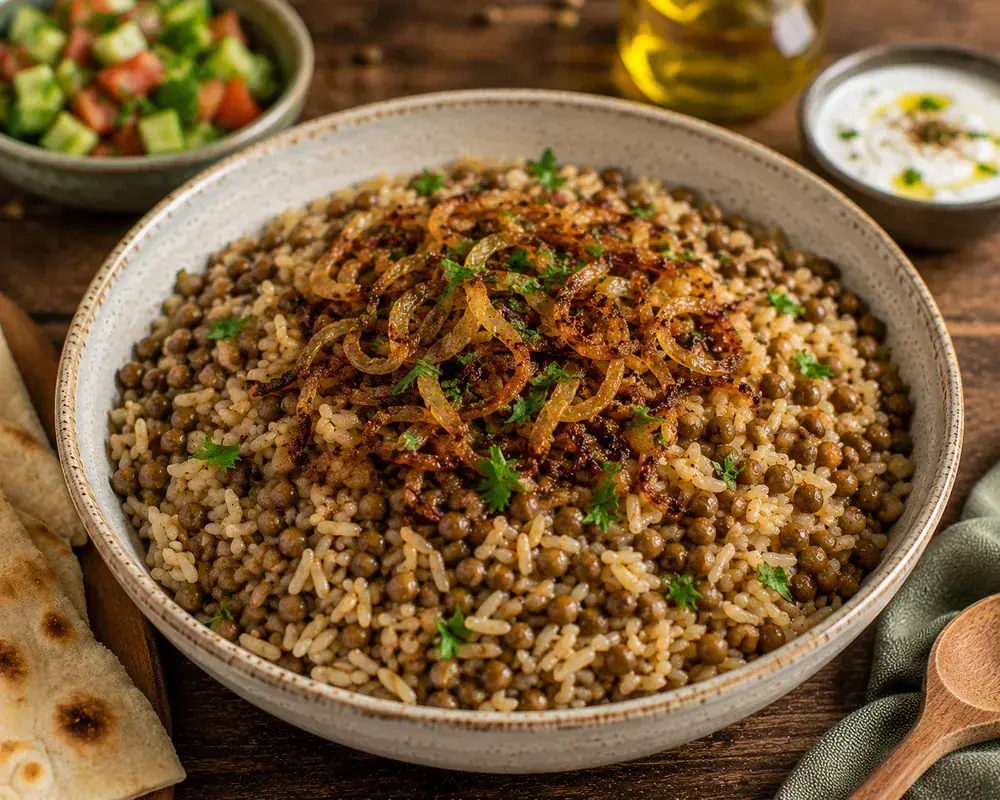
Lebanese Mujadara Recipe — Lentils, Rice & Caramelized Onions
This Lebanese Mujadara recipe combines tender brown lentils, fluffy long-grain rice, deeply caramelized onions, cumin, coriander, extra virgin olive oil, fresh parsley, and lemon. A simple Lebanese and Levantine comfort food that is naturally vegan, vegetarian, plant-based, and packed with protein and fiber.
View recipe →