
Healthy Mezze Guide
Za'atar Guide
Za'atar is one of the most recognizable seasoning blends in Eastern Mediterranean cooking. Its herbal, savory, and slightly tangy character makes it useful with bread, vegetables, yogurt, salads, nuts, and other everyday foods. At Healthy Mezze, we use za'atar as a simple way to add flavor while paying attention to how it balances with the rest of the dish.
What is za'atar?
Za'atar commonly refers to a seasoning blend associated with Levantine and wider Eastern Mediterranean cooking. The exact blend can vary, but it often includes dried herbs, sesame seeds, and a tart ingredient such as sumac. Different blends can therefore have noticeably different flavor, aroma, and texture.
How za'atar is used
Za'atar can be sprinkled over bread, mixed with olive oil, added to yogurt or labneh, used with vegetables, or incorporated into salads and other dishes. Because it already contains several flavors, a small amount can have a noticeable effect. We prefer starting modestly and tasting before adding more.
Za'atar and olive oil
One of the simplest combinations is za'atar with olive oil. The oil helps carry the seasoning and creates a spreadable mixture that works well with bread and other foods. The balance depends on the blend and the amount of oil, so mixing gradually gives you more control over the final texture.
Za'atar with yogurt and labneh
The herbal and tangy character of za'atar pairs naturally with creamy yogurt and labneh. A drizzle of olive oil can add richness, while vegetables or bread provide contrast. This combination can turn a few simple ingredients into an easy breakfast, snack, or mezze component.
Using za'atar with vegetables and salads
Za'atar can add depth to roasted vegetables, fresh vegetables, salads, and grain-based dishes. Its herbal and savory notes can work particularly well when balanced with lemon or another acidic ingredient. As always, we recommend tasting the finished combination before deciding whether it needs more seasoning.
Understanding different za'atar blends
Not every za'atar blend tastes the same. One mixture may be more herbal, another more tart, and another may contain more sesame. When following a recipe, consider the blend you have rather than assuming every product will behave identically. You may need to adjust the amount slightly after tasting.
Za'atar in a practical kitchen
Keeping za'atar available is useful because it can quickly add character to simple ingredients. It can help turn bread, vegetables, yogurt, nuts, or a basic grain dish into something more flavorful without requiring a long preparation. Store it properly and use the aroma and taste as a guide to its freshness.
How to make za'atar work for your taste
If you prefer a stronger herbal flavor, you can gradually increase the amount. If the blend tastes too sharp, pairing it with creamy ingredients, olive oil, or other mild foods can soften the overall impression. Our What If and Recipe Rescue sections can also help when you want to adapt a recipe around the ingredients already in your kitchen.
Recipes from this guide
Try these recipes to put the ideas and ingredients from this guide into practice.
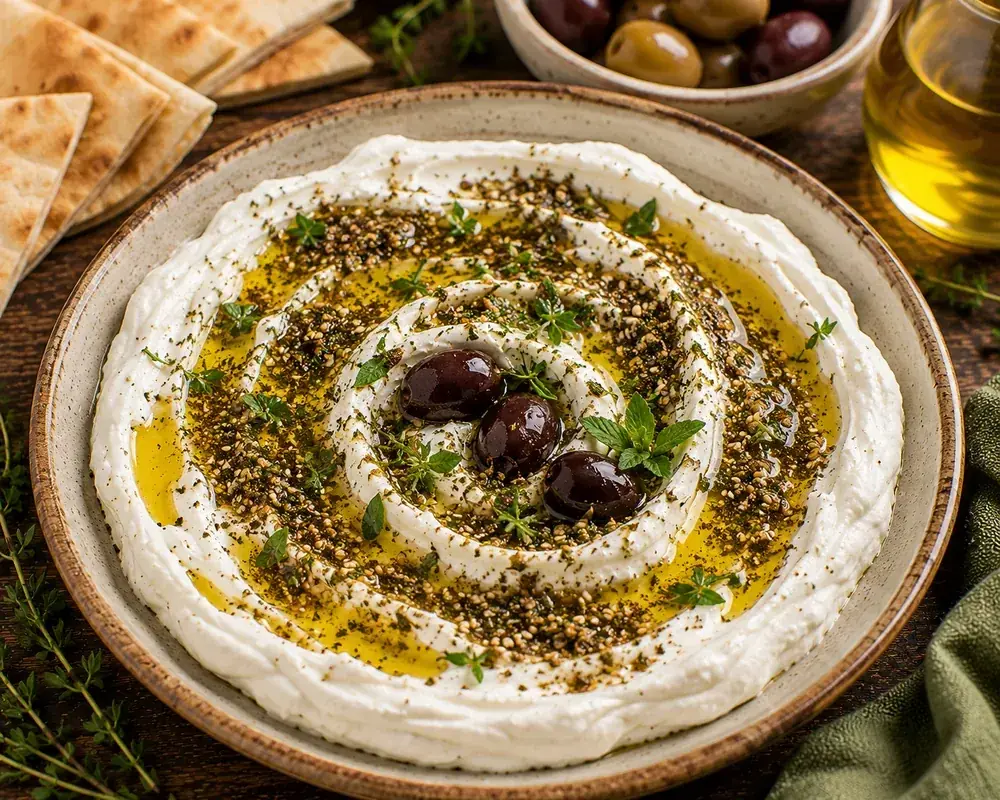
Labneh with Za'atar & Olive Oil Recipe — Lebanese Labneh Mezze & Breakfast
This labneh with za'atar and olive oil recipe is a classic Lebanese-inspired mezze and breakfast made with thick strained yogurt, fragrant za'atar, extra virgin olive oil, fresh mint, parsley, crisp cucumber, tomatoes, olives, and warm pita. An easy Mediterranean dish that can be made with store-bought labneh or homemade labneh from full-fat plain yogurt.
View recipe →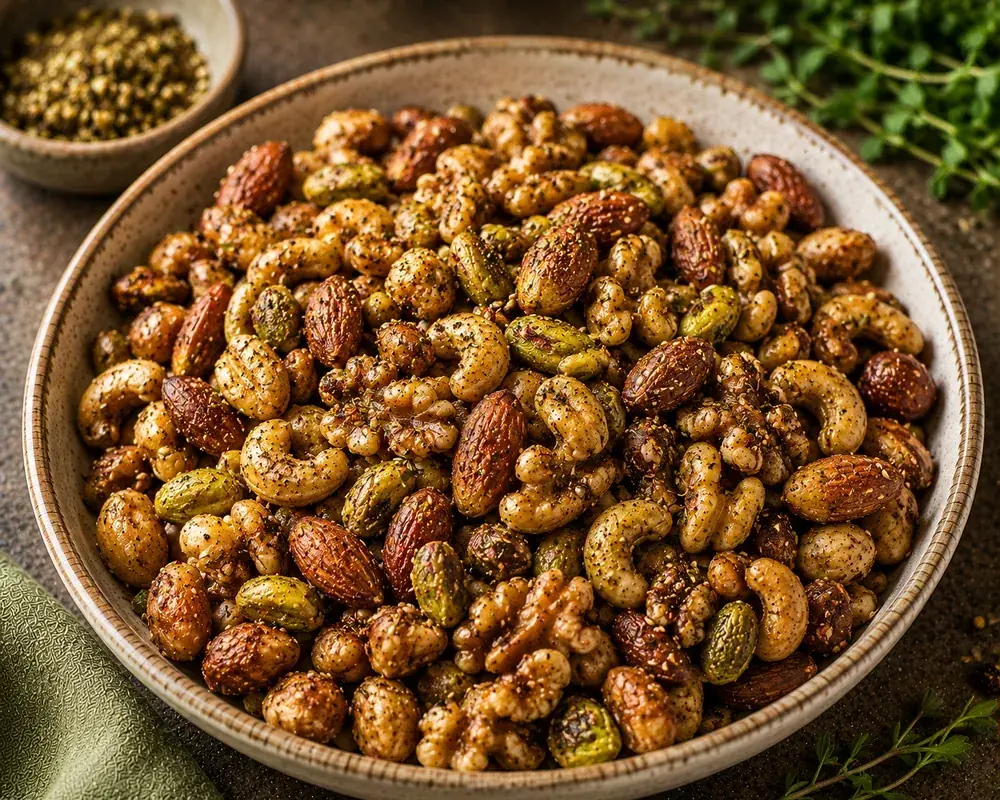
Za'atar Roasted Mixed Nuts Recipe — Lebanese Spiced Nuts
Mixed nuts roasted with zaatar, olive oil, and Mediterranean seasonings until lightly golden and fragrant. The nuts make a savory snack with a crisp texture that also works well on mezze platters or alongside drinks.
View recipe →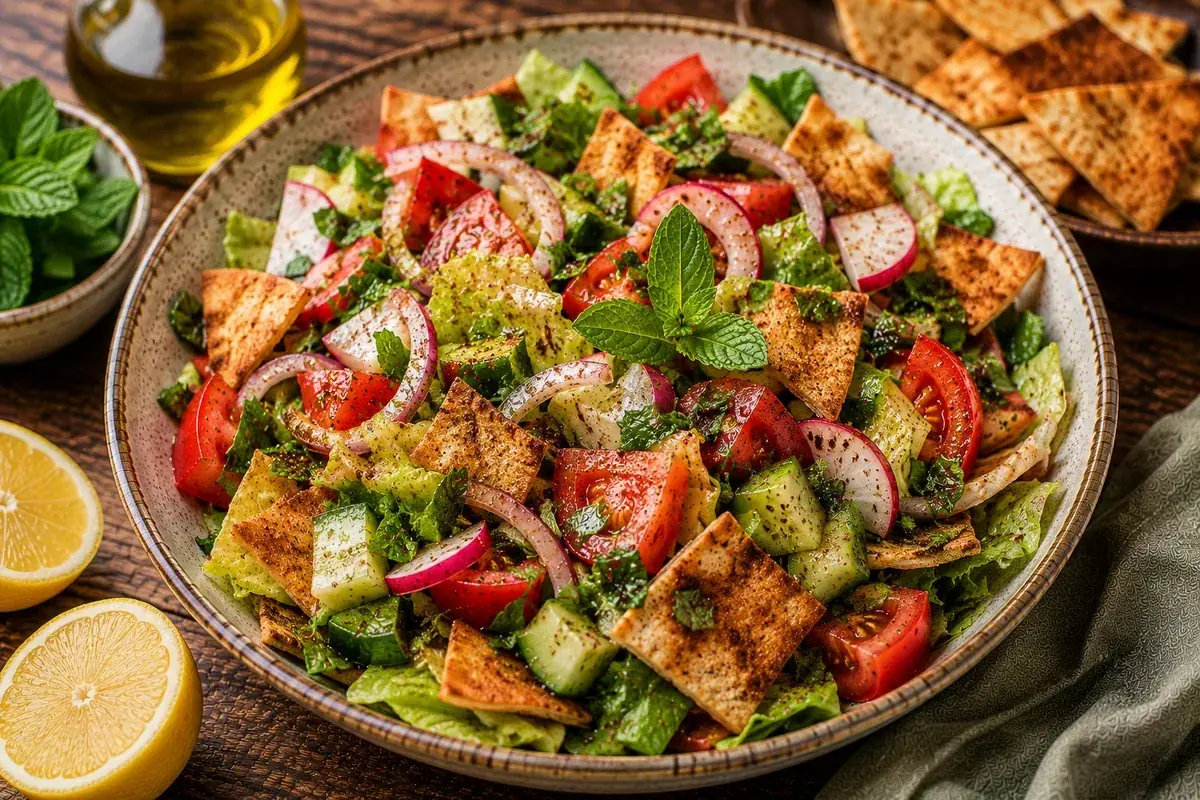
Fattoush Salad Recipe — Classic Lebanese Bread Salad
A classic Lebanese fattoush made with crisp vegetables, parsley, mint, toasted pita, sumac, lemon juice, olive oil, and pomegranate molasses. Its appeal comes from the contrast between crunchy vegetables, crisp pita, fresh herbs, and a bright sweet-tart dressing.
View recipe →