
Healthy Mezze Guide
Tahini Guide
Tahini is one of the most useful ingredients in the Healthy Mezze pantry. Made from ground sesame seeds, it can become a creamy sauce, dip, dressing, or finishing ingredient and works especially well with lemon, garlic, vegetables, legumes, and grilled foods. The key is learning how to control its texture and balance its flavor.
What is tahini?
Tahini is a paste made from ground sesame seeds. Its rich, nutty character makes it useful in both savory dishes and some sweets. In Egyptian, Lebanese, and wider Eastern Mediterranean cooking, tahini is commonly paired with ingredients such as lemon, garlic, chickpeas, vegetables, and grilled foods.
The basic tahini sauce
A simple tahini sauce can be built from tahini, lemon, garlic, salt, and liquid. The important part is adding the liquid gradually and mixing as you go. Tahini can thicken noticeably when liquid is first introduced, then become smoother as more liquid is incorporated. This makes gradual mixing much easier to control.
How we balance tahini
Tahini has a naturally rich flavor, so acidity is useful for creating balance. We usually add lemon gradually, mix, and taste before deciding whether more is needed. Salt can bring the sesame flavor forward, while garlic can add another layer of intensity. The final balance depends on what the sauce will be served with.
Controlling the texture
The amount of liquid determines much of the final texture. A thicker sauce can work well as a dip, while a thinner consistency may be easier to drizzle over vegetables, salads, bowls, or grilled food. Add water or another recipe-specified liquid a little at a time rather than adding a large amount immediately.
Tahini with vegetables and legumes
Tahini pairs naturally with roasted or grilled vegetables and legumes. It can add richness to chickpeas, cauliflower, eggplant, salads, and grain-based dishes. Lemon and herbs can keep the final dish tasting fresh while the tahini provides a creamy element.
Using tahini in healthier meals
Tahini can be part of a varied meal alongside vegetables, legumes, grains, and other ingredients. We focus on how the whole dish comes together rather than treating one ingredient as automatically healthy or unhealthy. Using tahini as a sauce or dressing can also make simple vegetables and legumes more enjoyable.
Common tahini mistakes
Adding too much liquid at once can make texture harder to control, while adding too much lemon or garlic before tasting can make the sauce overly sharp. Another common mistake is judging the sauce before it has been mixed thoroughly. We recommend mixing well, tasting, and adjusting one ingredient at a time.
How to make tahini your own
Once you understand the basic balance, tahini is easy to adapt. You can make it more lemony, more garlicky, thinner for drizzling, or thicker for dipping. The important step is to make small adjustments and taste after each one. Our What If and Recipe Rescue sections can also help when you want to adapt a recipe around the ingredients you have.
Recipes from this guide
Try these recipes to put the ideas and ingredients from this guide into practice.
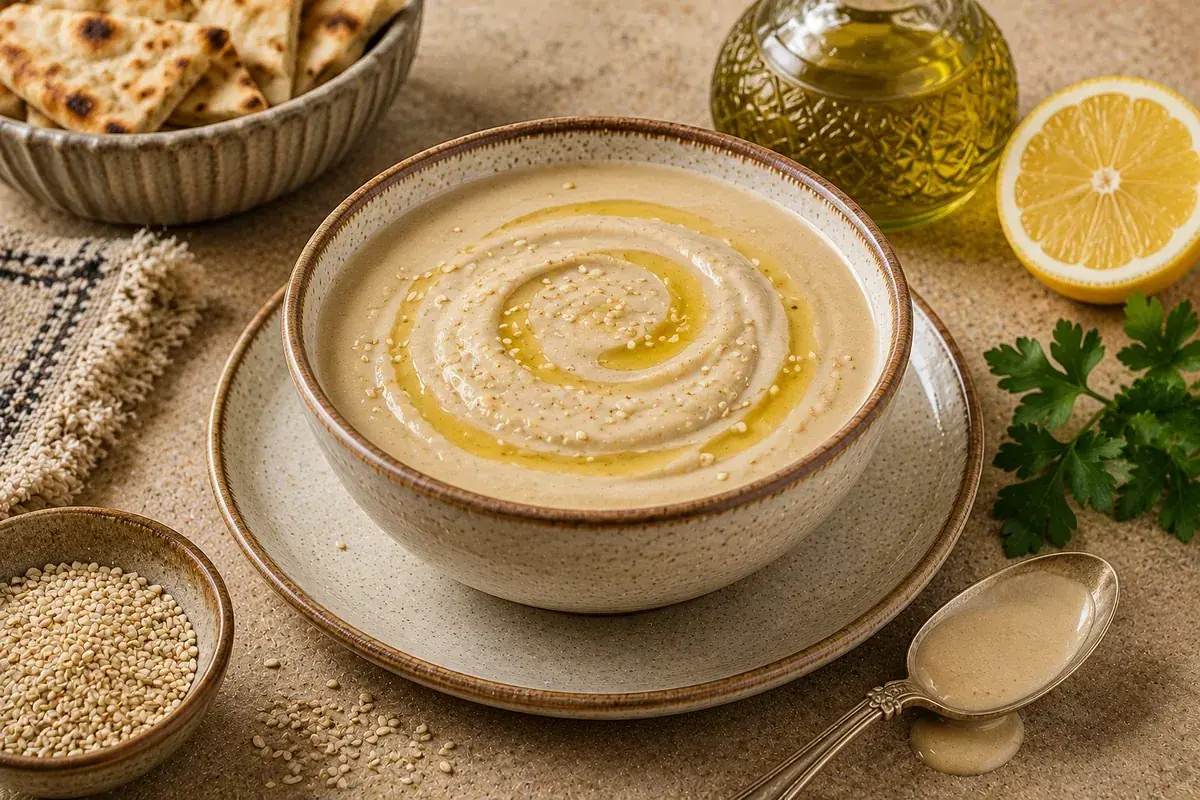
Classic Tahini Sauce Recipe
A classic tahini sauce made with sesame tahini, fresh lemon juice, garlic, parsley, olive oil, and cold water. This Lebanese-style sauce becomes smooth and pourable as the tahini is gradually loosened, making it a natural companion to falafel, shawarma, grilled foods, vegetables, and mezze.
View recipe →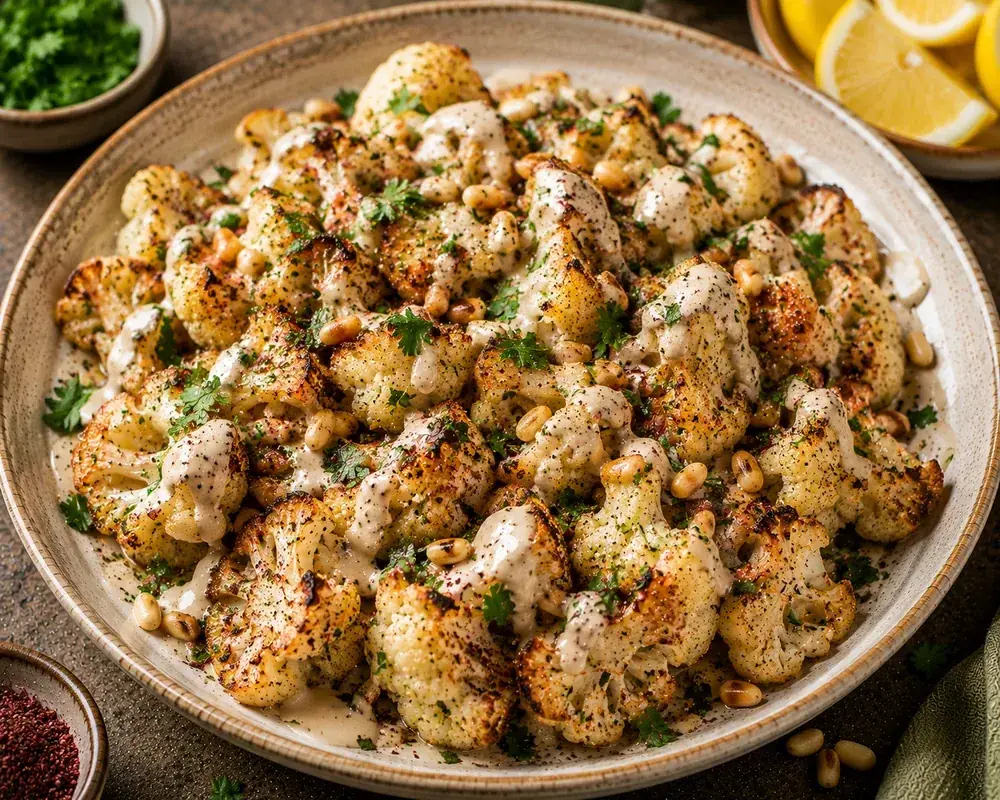
Roasted Cauliflower with Tahini Sauce Recipe — Lebanese Cauliflower Mezze
This roasted cauliflower with tahini sauce recipe is a simple Lebanese-inspired mezze made with golden roasted cauliflower, creamy lemon-garlic tahini, cumin, extra virgin olive oil, toasted pine nuts, fresh parsley, and paprika. An easy vegetarian and naturally vegan Mediterranean side dish or appetizer with deeply roasted edges, bright lemon, and silky sesame sauce.
View recipe →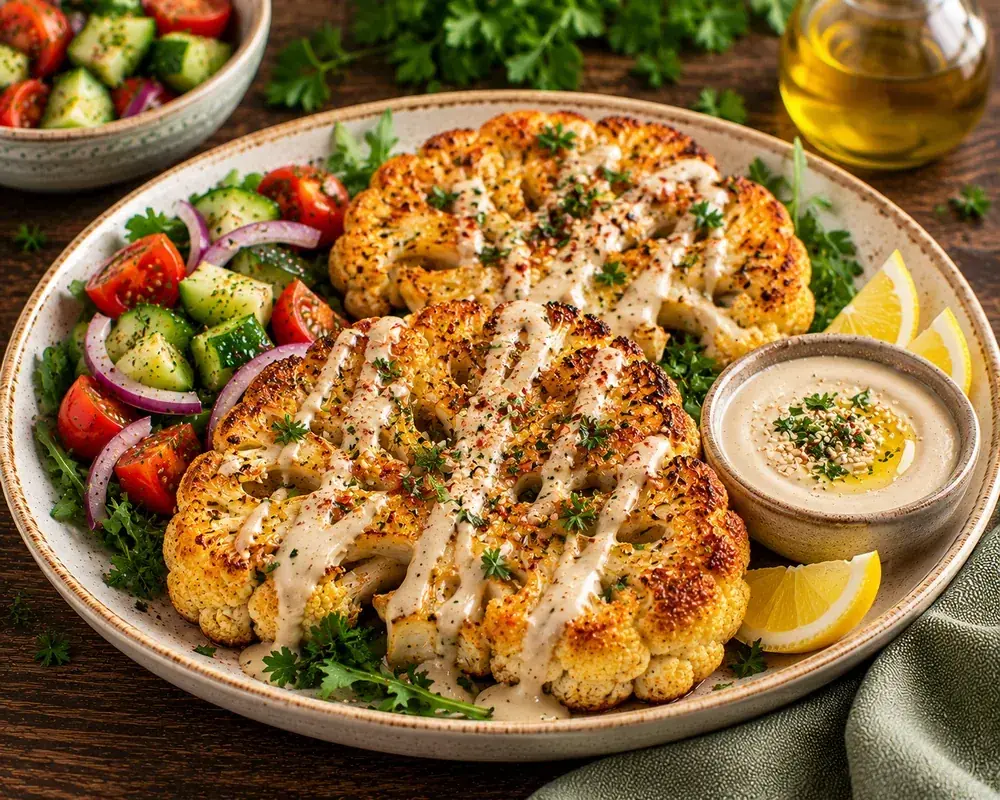
Cauliflower Steaks with Lemon Tahini Sauce Recipe
A healthy cauliflower steaks with lemon tahini sauce recipe made with thick roasted cauliflower, paprika, cumin, garlic, creamy tahini, fresh lemon, toasted pine nuts, and parsley. This easy Mediterranean vegetarian dinner is roasted until golden and caramelized, then finished with a bright, creamy tahini sauce.
View recipe →