
Healthy Mezze Guide
Sumac Guide
Sumac is a distinctive Eastern Mediterranean seasoning known for its tart, citrus-like character. It can brighten salads, onions, vegetables, dips, grilled foods, and other simple dishes without requiring complicated preparation. At Healthy Mezze, we use sumac thoughtfully, tasting as we go so its acidity supports rather than overwhelms the other flavors.
What is sumac?
Sumac is a reddish-purple spice with a naturally tart flavor. It is widely associated with Levantine and Eastern Mediterranean cooking and is often used to add acidity and a fresh, citrus-like note. Its flavor makes it useful when you want brightness without adding more liquid.
How sumac is used
Sumac can be sprinkled over salads, onions, vegetables, hummus, yogurt, grilled foods, and other dishes. It can be used during preparation or added near the end as a finishing seasoning. Because its flavor is naturally noticeable, we prefer starting with a small amount and adjusting after tasting.
Sumac and onions
Sumac pairs especially well with sliced onions. Its tartness can balance the sharpness of the onion and create a simple side or garnish. A little lemon, parsley, olive oil, or another fresh ingredient can complement the combination, depending on how it is being served.
Sumac in salads
Fresh salads can benefit from the acidity of sumac, particularly when vegetables, herbs, and grains need a brighter flavor. Sumac can work alongside lemon or sometimes provide part of the acidic element itself. Taste the finished salad before adding more so that the seasoning remains balanced.
Sumac with hummus and creamy foods
The tartness of sumac provides contrast to creamy foods such as hummus, yogurt, and tahini-based preparations. A small sprinkle can make a rich dip taste brighter without changing its basic texture. Olive oil and fresh herbs can be used alongside it when they suit the dish.
Using sumac with grilled and roasted foods
Sumac can provide a fresh finishing note for grilled meats, chicken, vegetables, and roasted dishes. Adding it after cooking can preserve its distinctive tart character. The amount needed depends on the seasoning already used, so tasting the finished food is the easiest way to decide how much more is appropriate.
Sumac versus lemon
Sumac and lemon can both contribute acidity, but they do not behave exactly the same way. Lemon adds liquid as well as acidity, while sumac adds a dry seasoning with a distinctive tart flavor. They can sometimes be used together, but the balance should be adjusted rather than assuming one is a direct replacement for the other.
How to make sumac work for your kitchen
Start with a modest amount and taste the dish before adding more. If the flavor is too sharp, combine it with milder or creamy ingredients, or balance it with the other components of the recipe. Our What If and Recipe Rescue sections can also help when you want to adapt a recipe around the ingredients available in your kitchen.
Recipes from this guide
Try these recipes to put the ideas and ingredients from this guide into practice.
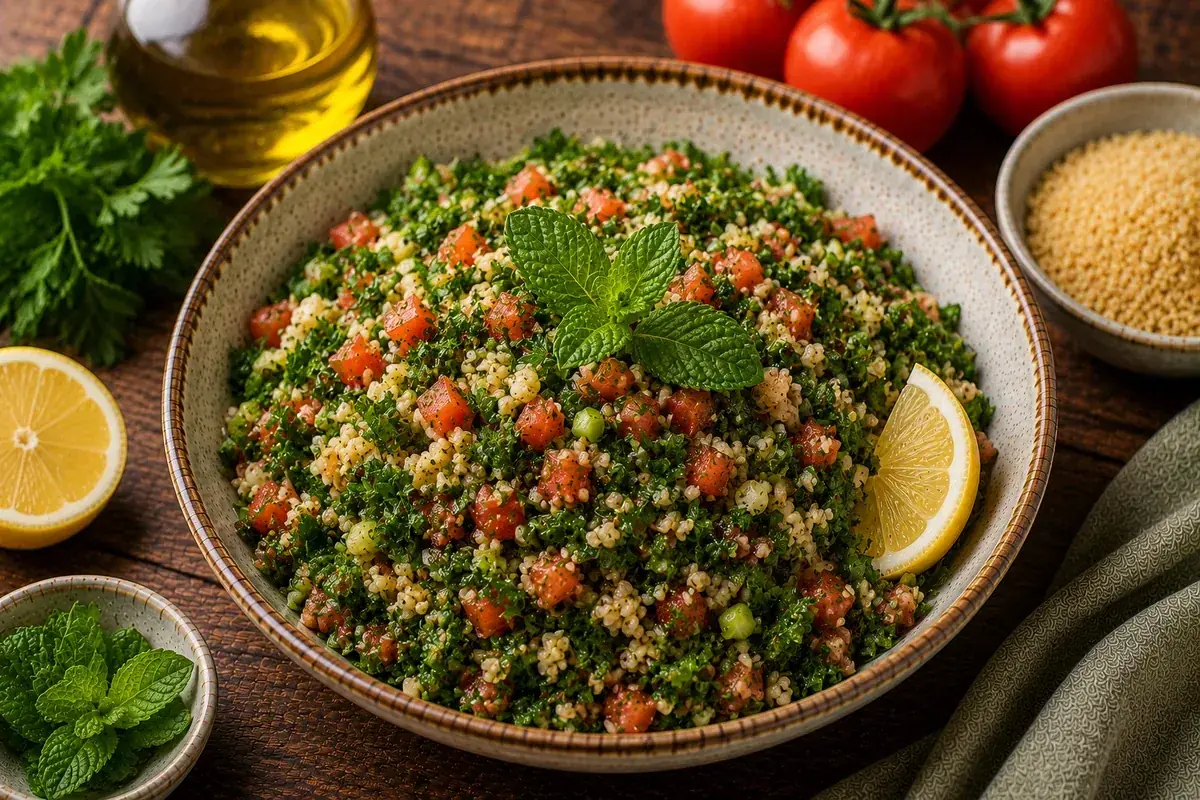
Lebanese Tabbouleh Recipe — Classic Parsley Salad
A classic Lebanese tabbouleh made with parsley, fresh tomatoes, bulgur, mint, lemon juice, and extra virgin olive oil. The salad is herb-forward and bright, with finely chopped vegetables and a tangy dressing.
View recipe →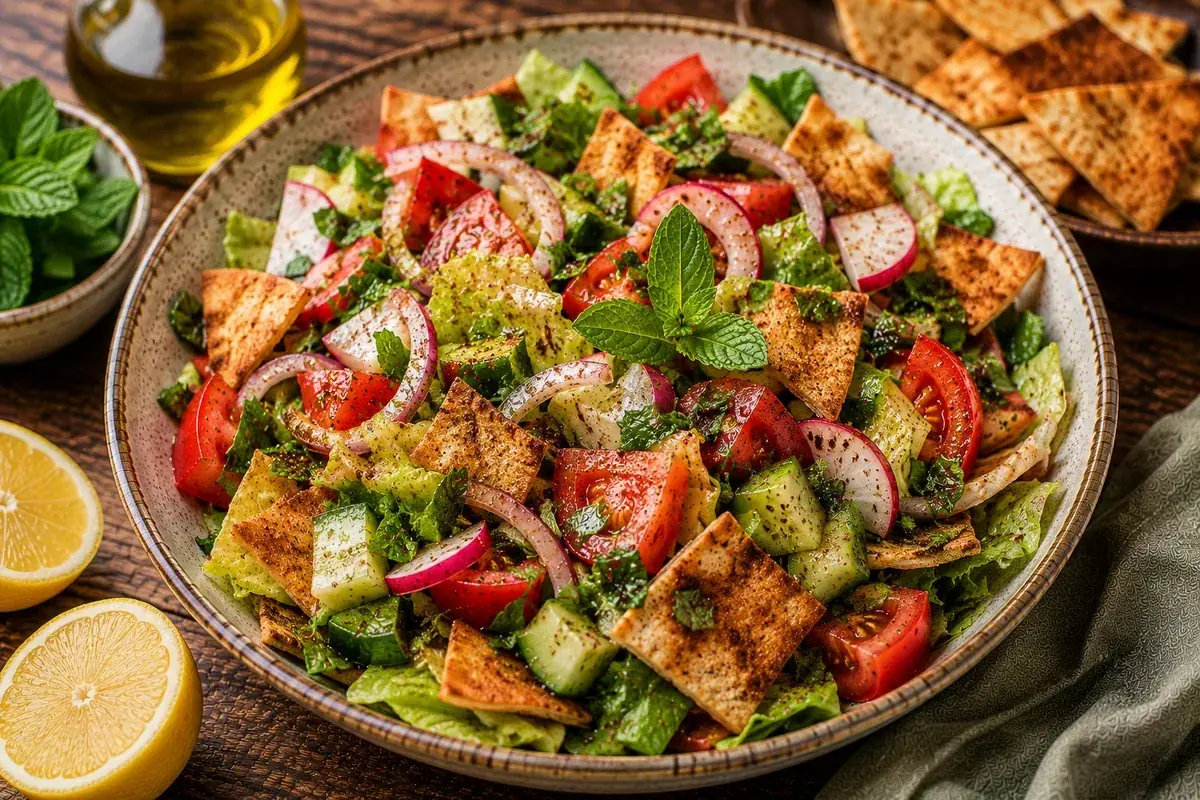
Fattoush Salad Recipe — Classic Lebanese Bread Salad
A classic Lebanese fattoush made with crisp vegetables, parsley, mint, toasted pita, sumac, lemon juice, olive oil, and pomegranate molasses. Its appeal comes from the contrast between crunchy vegetables, crisp pita, fresh herbs, and a bright sweet-tart dressing.
View recipe →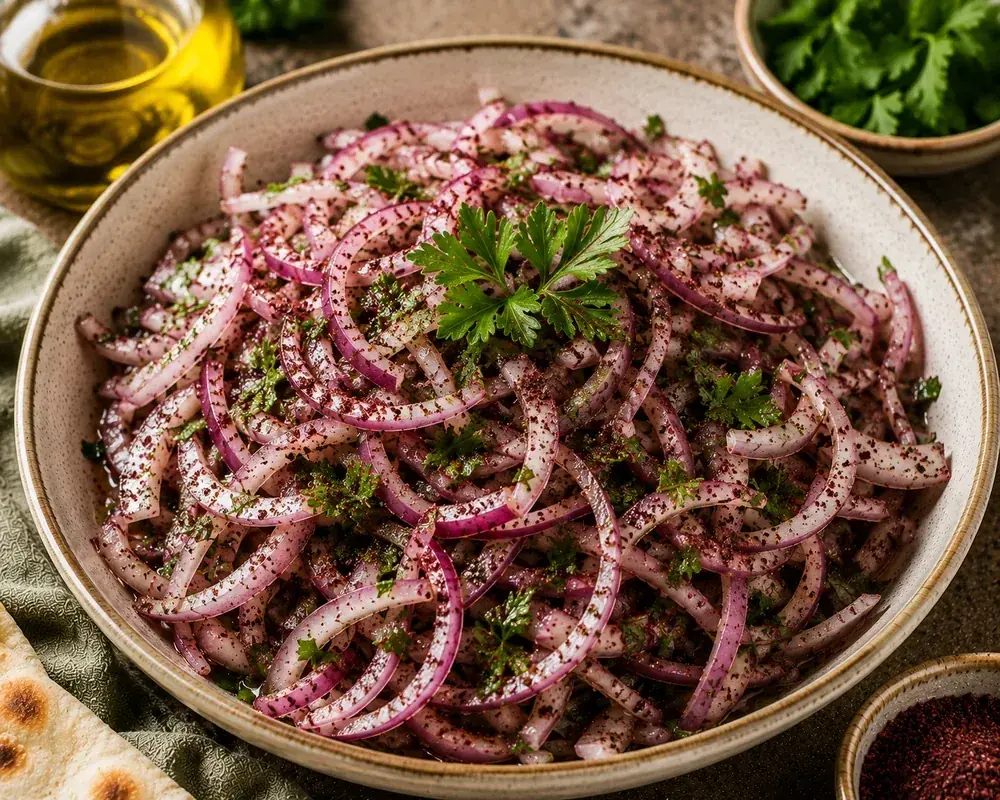
Turkish Sumac Onion Salad Recipe — Authentic Soğan Piyazı
This Turkish Sumac Onion Salad recipe, known as soğan piyazı, combines thinly sliced red onion, tangy ground sumac, fresh lemon juice, flat-leaf parsley, extra virgin olive oil, and black pepper. The onion is gently massaged with salt before resting with lemon and sumac, creating a crisp, mellow, and intensely flavorful Turkish salad that is traditionally served with kebabs, grilled meats, kofta, falafel, lahmacun, wraps, and mezze.
View recipe →