
Healthy Mezze Guide
Mediterranean Herbs & Spices Guide
Herbs and spices are one of the easiest ways to build flavor from simple ingredients. Across Egyptian, Lebanese, and wider Mediterranean cooking, ingredients such as cumin, coriander, parsley, mint, za'atar, sumac, garlic, and lemon can completely change a dish. At Healthy Mezze, we use them as practical tools for creating balanced food rather than simply adding seasoning by habit.
Why herbs and spices matter
A small amount of seasoning can change the aroma, warmth, freshness, acidity, or depth of a dish. The same basic ingredients can taste very different depending on how they are seasoned. We prefer adding strong seasonings gradually and tasting as we cook so that they support the main ingredients instead of overpowering them.
Cumin and coriander
Cumin brings a warm, earthy character that works especially well with beans, lentils, vegetables, and savory dishes. Coriander can provide a lighter citrus-like spice note. Both are useful in Egyptian-inspired cooking and can be combined with garlic, lemon, or chili depending on the dish.
Parsley and mint
Fresh herbs can bring a different kind of freshness than dried spices. Parsley is useful in salads, grain dishes, dips, and garnishes, while mint can add a cooling herbal note. When using fresh herbs, we consider when they are added because keeping some herbs fresh until serving can preserve their aroma and texture.
Za'atar and sumac
Za'atar and sumac are especially useful for adding distinctive flavor without complicated preparation. Za'atar can provide an earthy herbal and savory character, while sumac contributes a tart, lemon-like acidity. Both can work as finishing seasonings, but their role depends on the recipe and the other flavors already present.
Garlic, lemon, and acidity
Garlic and lemon are important flavor builders in many dishes across the region. Garlic can become softer and sweeter when cooked, while raw garlic has a sharper character. Lemon can brighten vegetables, legumes, salads, sauces, and grilled foods. We usually add acidity gradually and taste it rather than adding a large amount at once.
How we balance seasoning
Our approach is simple: season, taste, and adjust. If a dish feels flat, it may need salt, acidity, herbs, spice, or another supporting flavor rather than simply more of the strongest seasoning. For dressings and dips, mixing everything first and tasting before serving helps us decide whether the balance needs another adjustment.
Fresh versus dried herbs
Fresh and dried herbs are not always interchangeable in equal amounts. Fresh herbs can contribute moisture, texture, and a brighter aroma, while dried herbs are concentrated and convenient for cooking. When substituting one for another, consider how much flavor and moisture the recipe needs and check the individual recipe for guidance.
Building your own seasoning style
Once you understand what each herb or spice contributes, you can become more confident making small adjustments. Start with the recipe's intended balance, taste the food, and then make one change at a time. A little extra lemon, cumin, sumac, mint, or chili can move a dish in a different direction without requiring a completely new recipe.
Recipes from this guide
Try these recipes to put the ideas and ingredients from this guide into practice.
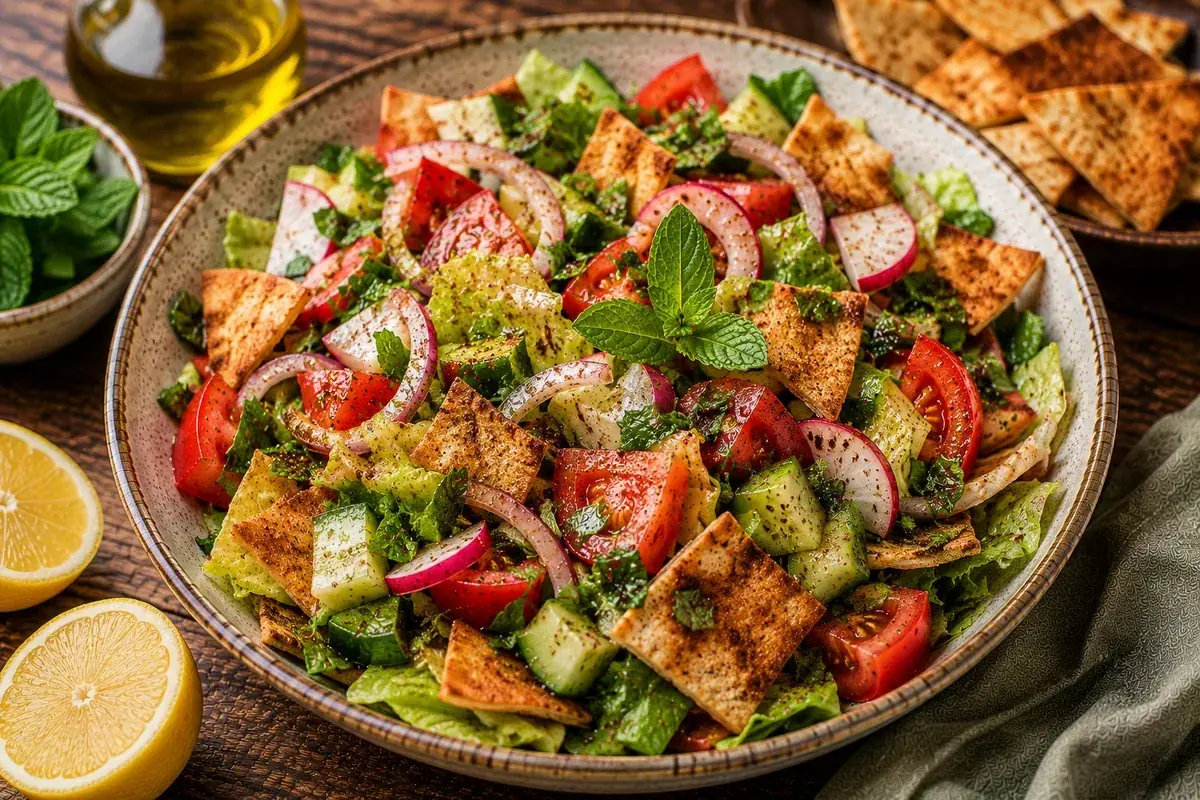
Fattoush Salad Recipe — Classic Lebanese Bread Salad
A classic Lebanese fattoush made with crisp vegetables, parsley, mint, toasted pita, sumac, lemon juice, olive oil, and pomegranate molasses. Its appeal comes from the contrast between crunchy vegetables, crisp pita, fresh herbs, and a bright sweet-tart dressing.
View recipe →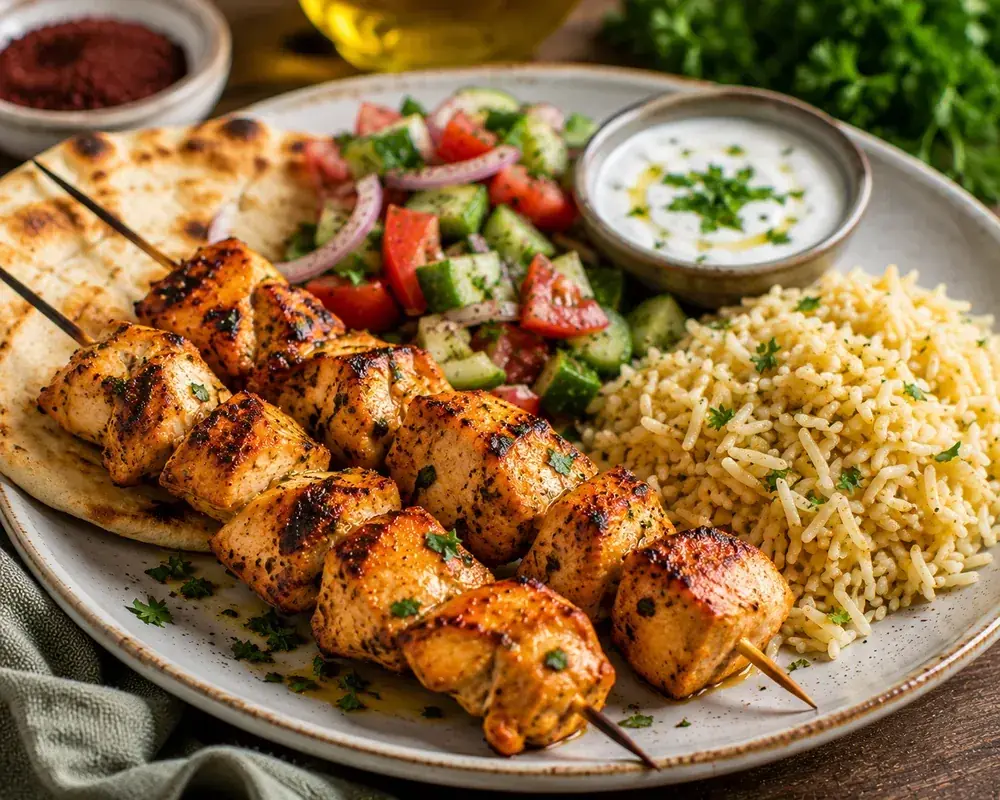
Shish Tawook Recipe — Juicy Lebanese Chicken Kabobs with Yogurt Marinade
This Shish Tawook recipe makes juicy Lebanese-style chicken kabobs marinated in Greek yogurt, lemon, garlic, extra virgin olive oil, tomato paste, paprika, cumin, oregano, and turmeric, then grilled until tender with golden-brown and lightly charred edges. An easy Mediterranean chicken recipe that's high in protein and perfect with toum, warm pita, rice, grilled vegetables, pickles, or fresh salad.
View recipe →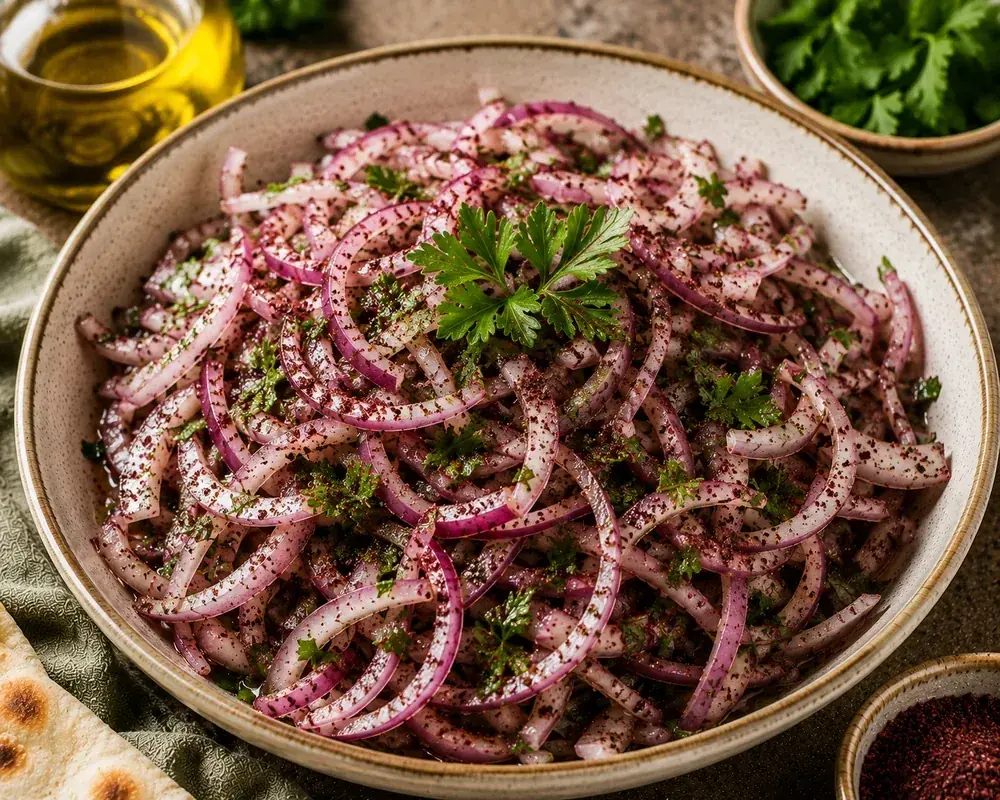
Turkish Sumac Onion Salad Recipe — Authentic Soğan Piyazı
This Turkish Sumac Onion Salad recipe, known as soğan piyazı, combines thinly sliced red onion, tangy ground sumac, fresh lemon juice, flat-leaf parsley, extra virgin olive oil, and black pepper. The onion is gently massaged with salt before resting with lemon and sumac, creating a crisp, mellow, and intensely flavorful Turkish salad that is traditionally served with kebabs, grilled meats, kofta, falafel, lahmacun, wraps, and mezze.
View recipe →