
Healthy Mezze Guide
Mediterranean Cooking Techniques
Mediterranean cooking is not defined by one technique. Roasting, baking, grilling, simmering, sautéing, and fresh preparation all have a place in the kitchen. At Healthy Mezze, we focus on practical methods that bring out the natural flavor of ingredients while making everyday cooking easier.
Roasting vegetables for deeper flavor
Roasting can turn simple vegetables into a flavorful part of a meal. The heat helps develop browning while allowing vegetables such as cauliflower, eggplant, peppers, onions, and tomatoes to become tender. We like using roasting when it suits the dish because it can build flavor without requiring deep frying.
Baking for practical everyday cooking
Baking is useful when you want to prepare a complete dish with relatively little active cooking time. Fish, chicken, vegetables, stuffed dishes, and casseroles can all work well in the oven. Cooking time still depends on the size and starting temperature of the ingredients, so we pay attention to doneness rather than relying on the clock alone.
Grilling and developing char
Grilling adds a distinctive smoky and lightly charred character to vegetables, chicken, and other foods. Marinades containing lemon, garlic, herbs, spices, yogurt, or olive oil can add flavor before cooking. The key is to allow the food to develop color without letting the outside burn before the inside is properly cooked.
Simmering soups, legumes, and sauces
Gentle simmering is useful for soups, lentils, beans, sauces, and other dishes that benefit from time for their flavors to come together. Keeping the heat controlled can help ingredients soften gradually while preserving the character of the dish. Taste during cooking and adjust seasoning as the flavors develop.
Building flavor with aromatics
Onion, garlic, herbs, and spices are important building blocks in many Mediterranean and Eastern Mediterranean dishes. Cooking these ingredients at the right stage can soften their sharpness and release their aromas. Cumin, coriander, mint, parsley, za'atar, sumac, lemon, and other flavor builders can then be used to give the dish its own character.
Balancing acidity, salt, and richness
A good dish often depends on balance rather than one dominant flavor. Lemon and vinegar can add acidity, salt can bring other flavors forward, and ingredients such as tahini, olive oil, yogurt, or legumes can provide richness and body. We recommend tasting as you go and making small adjustments instead of adding a large amount of seasoning at once.
Knowing when to adapt a traditional method
Traditional cooking methods are valuable, but home cooks sometimes need practical alternatives. Depending on the dish, baking can replace frying, vegetables can be roasted instead of cooked in a large amount of oil, and available ingredients can be substituted when appropriate. We distinguish these adaptations from traditional preparations rather than presenting them as identical.
The most important technique: taste and observe
Cooking is more than following a timer. Look at color, texture, aroma, and doneness, and taste when it is appropriate. If a dressing tastes flat, it may need acidity or salt. If a dish is too sharp, richness or another balancing ingredient may help. With proteins, check the actual doneness rather than assuming that a fixed cooking time guarantees the result. These small observations make recipes easier to understand and adapt.
Recipes from this guide
Try these recipes to put the ideas and ingredients from this guide into practice.
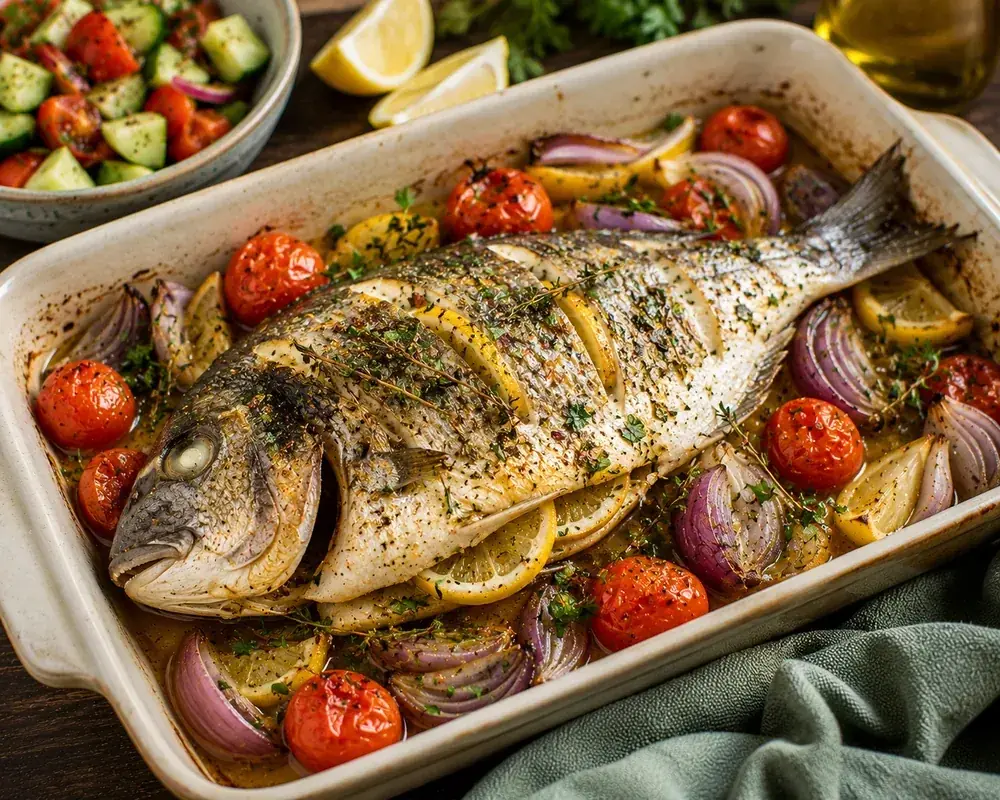
Baked Herb Fish Recipe
A baked herb fish recipe made with tender white fish, fresh parsley, dill, garlic, lemon, olive oil, and Mediterranean seasonings. The fillets stay tender as they bake, while the herbs and lemon give the fish a bright, savory finish.
View recipe →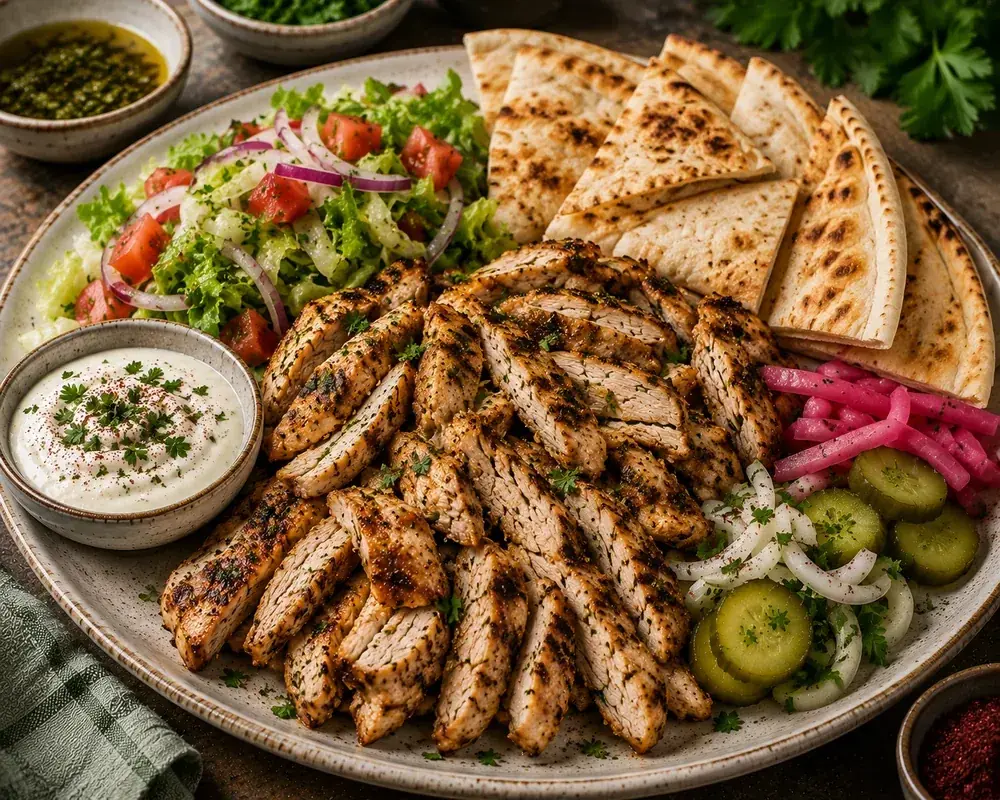
Grilled Chicken Shawarma Recipe — Lebanese-Style Mediterranean Chicken
A Lebanese-style grilled chicken shawarma made with thinly sliced chicken, yogurt, lemon, garlic, olive oil, and warm Levantine spices. The chicken develops lightly charred edges while staying tender, making it easy to serve in pita, wraps, bowls, salads, or as part of a mezze spread.
View recipe →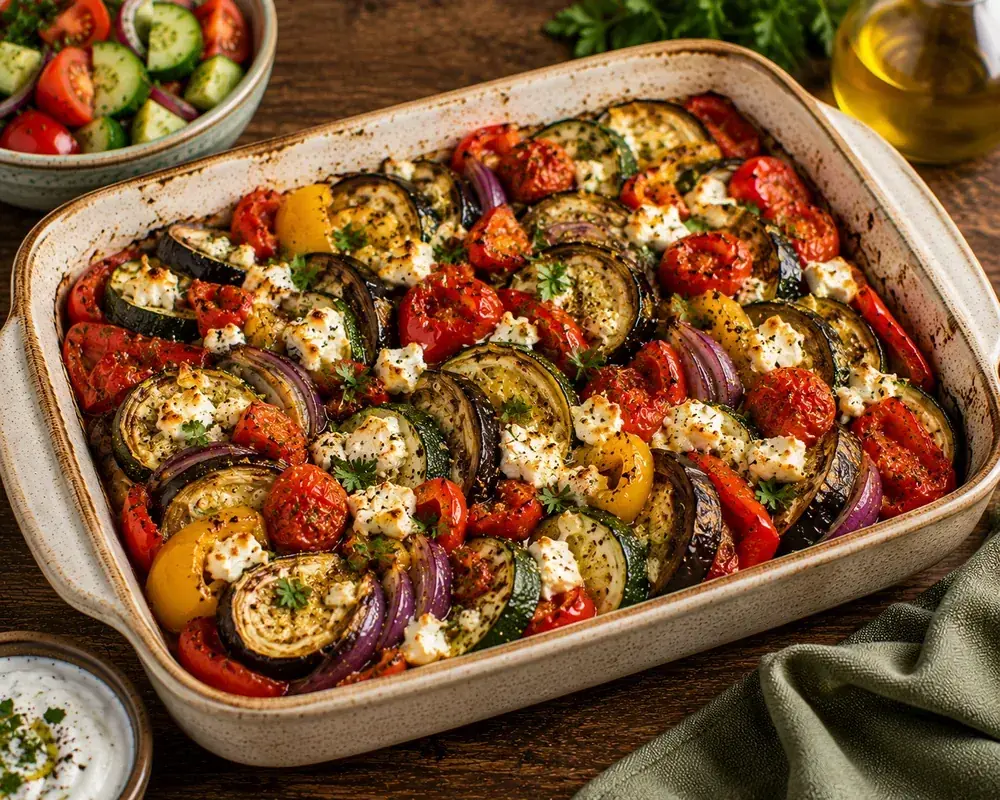
Mediterranean Vegetable Bake Recipe — Healthy Vegan Casserole
This Mediterranean vegetable bake recipe is a healthy vegan casserole made with zucchini, eggplant, bell peppers, chickpeas, tomatoes, garlic, olive oil, and Mediterranean herbs. The vegetables bake until tender and lightly caramelized while chickpeas add fiber and plant-based protein. A flavorful Mediterranean vegetable dinner inspired by the vegetable-forward cooking of the Mediterranean and Levant.
View recipe →