
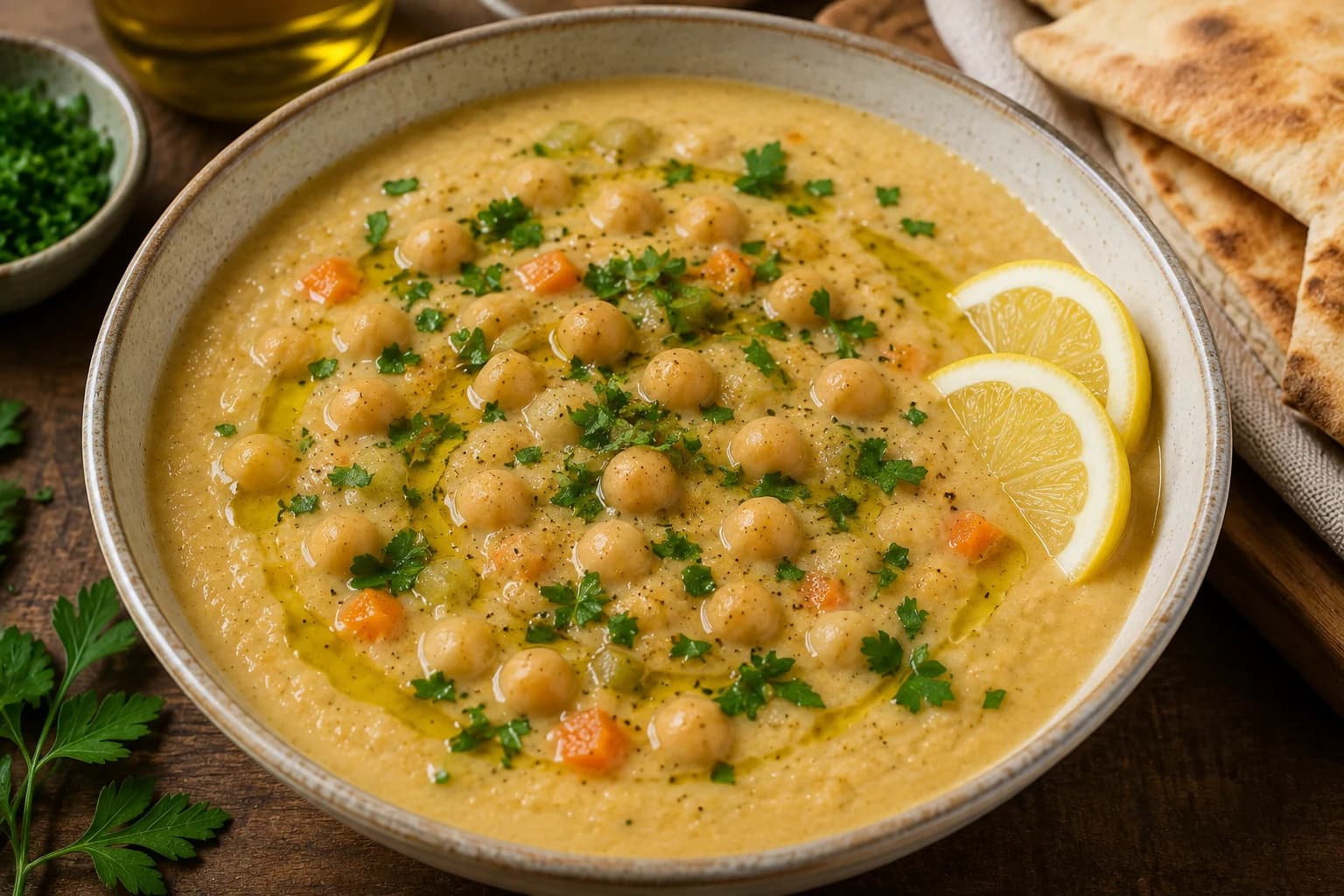
Creamy Chickpea Soup Recipe
A creamy Lebanese-inspired chickpea soup made with tender chickpeas, vegetables, garlic, cumin, fresh lemon, parsley, and extra virgin olive oil. Part of the chickpeas and vegetables are blended into the broth, giving the soup its creamy texture without dairy.
Prep Time
15 mins
Cook Time
35 mins
Total Time
50 mins
Servings
6
A TASTE OF TRADITION
The Story Behind This Recipe
This creamy chickpea soup is inspired by the flavors of Lebanese and wider Levantine home cooking, where chickpeas, olive oil, garlic, lemon, parsley, and warm spices are everyday building blocks of nourishing meals. Rather than relying on cream, the soup gets its silky body from the chickpeas and vegetables themselves. Blending only part of the pot keeps the soup creamy while leaving enough whole chickpeas for a satisfying bite.
Cultural & Culinary Context
Chickpeas have a deep culinary presence across the Levant and are especially familiar in Lebanese food through dishes such as hummus, falafel, stews, salads, and other home-style preparations. This soup uses the same family of ingredients and flavors but brings them together in a warm, spoonable meal. It is best described as a Lebanese-inspired chickpea soup rather than claiming a single historic origin for this exact preparation, since similar chickpea soups are found throughout the eastern Mediterranean and Middle East.
What Makes It Mediterranean?
Lebanon is the Mediterranean country most closely associated with this version because the recipe centers on ingredients strongly represented in Lebanese and Levantine cooking: chickpeas, extra virgin olive oil, garlic, lemon, parsley, cumin, and vegetables. The combination reflects a broader eastern Mediterranean way of building flavor from legumes, vegetables, herbs, spices, and bright citrus rather than relying on heavy dairy-based sauces.
Mediterranean Influences
- 🌿Chickpeas provide the main plant-based protein and hearty texture.
- 🌿Extra virgin olive oil is used as the primary cooking and finishing fat.
- 🌿Fresh lemon adds the bright acidity characteristic of many eastern Mediterranean dishes.
- 🌿Garlic, parsley, cumin, and coriander provide aromatic depth.
- 🌿Carrots, celery, and onion form a vegetable-rich base.
- 🌿The soup is naturally dairy-free and relies on legumes and vegetables for its creamy body.
Ingredients
- 2 tbsp extra virgin olive oil (Use a good-quality olive oil because it contributes noticeably to the flavor of the finished soup.)
- 1 medium onion, diced (Cut the pieces evenly so the onion softens at the same rate as the other vegetables.)
- 1 carrot, diced (Small, even pieces blend more easily and help create a naturally creamy texture.)
- 2 celery stalks, diced (Remove any tough strings if necessary and cut into small, even pieces.)
- 3 cloves garlic, minced (Fresh garlic gives the soup its characteristic savory Mediterranean aroma. Keep the heat moderate so it does not burn.)
- 2 cans chickpeas, 400 g each, drained and rinsed (Rinse thoroughly under cool water. If you have time, removing loose skins can produce an even smoother blended portion.)
- 4 cups vegetable broth (Choose a flavorful broth, preferably one that is not excessively salty.)
- 1 cup water (Use this to control the final consistency together with the broth.)
- 1 tsp ground cumin (Fresh, fragrant cumin is especially important because it provides much of the soup's warm earthy character.)
- 0.5 tsp ground coriander
- 0.5 tsp paprika (Adds gentle warmth and color rather than making the soup spicy.)
- 1 tsp sea salt (Start with less if your vegetable broth is already salted and adjust after simmering.)
- 0.5 tsp black pepper
- 1 tbsp fresh lemon juice (Add near the end so the lemon remains bright and fresh rather than becoming muted by long cooking.)
- 2 tbsp fresh parsley, chopped (Add close to serving for the freshest flavor and color.)
- 1 extra virgin olive oil for serving (Drizzle lightly over each bowl immediately before serving.)
Instructions
- 1
Drain the chickpeas and rinse them thoroughly under cool running water. Prepare and measure the vegetables, garlic, spices, broth, lemon juice, and parsley before you begin.
- 2
Heat the olive oil in a large heavy-bottomed soup pot over medium heat.
- 3
Add the onion, carrot, and celery. Cook for 6–8 minutes, stirring occasionally, until the vegetables are softened and translucent in places. Avoid deeply browning them because the goal is a clean, gentle vegetable flavor.
- 4
Add the minced garlic and cook for about 1 minute until fragrant. Keep the heat moderate and do not let the garlic turn dark brown.
- 5
Add the cumin, ground coriander, and paprika. Stir constantly for about 30 seconds until the spices become fragrant. Toasting them briefly in the oil helps release their aroma.
- 6
Add the rinsed chickpeas, vegetable broth, and water. Stir well and scrape the bottom of the pot to release any spices or vegetables that may have settled there.
- 7
Bring the soup to a boil, then immediately reduce the heat to a gentle simmer. Partially cover the pot and cook for about 20 minutes, stirring occasionally, until the chickpeas and vegetables are very tender.
- 8
Remove the pot from the heat briefly. Using an immersion blender, blend about half of the soup directly in the pot while leaving some chickpeas and vegetables whole. This creates a creamy base while preserving pleasant texture.
- 9
If using a countertop blender instead, work in small batches and never fill the blender more than halfway with hot soup. Remove or loosen the lid according to the blender manufacturer's hot-liquid instructions and cover the opening with a folded towel to protect against splashes.
- 10
Return the soup to low heat and check the consistency. If it is thicker than you prefer, add warm water or broth a little at a time. If it is too thin, allow it to simmer gently for a few extra minutes.
- 11
Season with salt and black pepper. Taste before adding more salt because vegetable broth can already contain sodium.
- 12
Stir in the fresh lemon juice and chopped parsley just before serving. Taste again and adjust the lemon, salt, or pepper until the soup tastes balanced rather than flat or overly acidic.
- 13
Serve warm with a light drizzle of extra virgin olive oil and additional parsley. Warm pita bread or crusty bread makes a natural accompaniment.
SET YOURSELF UP FOR SUCCESS
Before You Cook
👨🍳 Keep In Mind
- •Drain and rinse the chickpeas thoroughly before cooking so excess canning liquid and salt are removed.
- •Prepare all vegetables before heating the pot because the early stages move quickly once the garlic and spices are added.
- •Use a large, heavy-bottomed pot to distribute heat evenly and reduce the chance of the vegetables or spices scorching.
- •Have warm broth or water available in case the blended soup becomes thicker than expected.
- •If using a countertop blender, review its instructions for blending hot liquids before starting.
- •Keep the lemon juice and parsley for the end so their fresh flavors remain noticeable.
💡 Helpful Tips
- •Do not rush the vegetable base. Properly softened onion, carrot, and celery give the soup more depth.
- •Keep the garlic pale and fragrant rather than browned. Burnt garlic can make the entire soup taste bitter.
- •Briefly toast the cumin, coriander, and paprika in the oil to release their aroma, but remove them from direct heat if they begin to darken excessively.
- •Blend only part of the soup if you want a creamy texture with whole chickpeas remaining in every spoonful.
- •For a completely smooth soup, blend the entire pot and strain it if you want an especially refined texture.
- •Add lemon gradually. Too much lemon can overpower the earthy chickpeas and cumin.
- •Always taste after blending. Blending changes how salt and acidity are perceived, so the final seasoning should be adjusted afterward.
- •A drizzle of good olive oil at serving adds aroma and a smoother mouthfeel.
👀 How Do I Know It's Done?
- ✓The carrots, celery, and chickpeas should be soft enough to crush easily.
- ✓The soup should have a creamy base without requiring dairy or flour.
- ✓Whole chickpeas left in the pot should be tender rather than firm or chalky.
- ✓The cumin and garlic should smell warm and savory without any burnt aroma.
- ✓The soup should taste balanced: savory first, earthy from the chickpeas and cumin, then bright from the lemon.
- ✓The consistency should be thick enough to feel creamy but loose enough to eat comfortably with a spoon.
- ✓The final parsley should taste fresh rather than cooked down.
Tweak It
Make This Recipe Work for You
Adapt the recipe to your ingredients, dietary needs, budget, time, serving size, or meal-prep plans.
🔄 Ingredient Substitutions
Use Dried Chickpeas
Cooked dried chickpeas can replace canned chickpeas. Soak and cook them separately until completely tender before adding them to the soup.
Use Homemade Vegetable Broth
Homemade broth works particularly well when you want greater control over salt and a cleaner vegetable flavor.
Adjust the Herbs
Parsley is the main fresh herb here, but a small amount of fresh cilantro can be added if you enjoy its flavor. Keep the quantity moderate so it does not overpower the lemon and cumin.
🌱 Dietary Adjustments
Keep It Fully Vegan
The recipe is already vegan when prepared with vegetable broth and extra virgin olive oil.
Make It Gluten-Free
The soup itself is naturally gluten-free when all packaged ingredients, especially the broth, are certified or verified gluten-free. Serve with gluten-free bread instead of pita if needed.
Reduce the Sodium
Use low-sodium vegetable broth, rinse the chickpeas thoroughly, and add salt gradually after simmering.
💰 Budget-Friendly Options
Make It More Budget Friendly
Dried chickpeas cooked in advance are usually economical, while homemade vegetable broth made from leftover vegetables can further reduce the cost.
⏱️ Time-Saving Options
Use Canned Chickpeas
Canned chickpeas eliminate soaking and cooking time and make this recipe practical for a weeknight meal.
Prepare Vegetables Ahead
Dice the onion, carrot, and celery earlier in the day and refrigerate them in a covered container until cooking time.
👨👩👧👦 Serving Adjustments
Make a Half Batch
Halve all ingredients for a smaller meal. Use a smaller pot and check the consistency carefully because a smaller volume can heat and reduce more quickly.
Make a Larger Batch
Double the ingredients for a larger gathering, using a pot large enough to allow even simmering. Blend in batches if necessary.
🥡 Meal Prep
Prepare for the Week
The soup can be portioned into individual containers after cooling and reheated gently when needed. Keep fresh parsley, lemon, and olive oil separate and add them at serving time for a fresher finish.
RECIPE RESCUE
🧩 What Do You Need Help With?
Choose the problem you're facing and get a recipe-specific solution instead of a generic cooking tip.
WHAT IF?
🔄 What If...?
Choose your situation and we'll show you a practical pathway for making this recipe work.
STORAGE & LEFTOVERS
🥡 Storage & Leftovers
Allow the soup to cool appropriately before transferring it to clean airtight containers.
Refrigerate the soup promptly and keep it chilled until needed.
Store parsley, lemon wedges, and any serving olive oil separately when possible so the fresh flavors remain bright.
Reheat gently in a saucepan over low to medium-low heat, stirring occasionally.
Add a splash of water or broth during reheating if the soup has thickened.
Taste after reheating because the chickpeas can absorb seasoning as the soup rests.
Best Storage Time
Refrigerate for up to 4 days for best quality.
How to Store
Store in clean airtight containers with enough room for safe refrigeration.
SERVING & PAIRING
🍽️ Serving & Pairing
Serve this creamy chickpea soup warm with a drizzle of extra virgin olive oil, fresh parsley, and lemon wedges. Warm pita bread is a natural Lebanese and Levantine-style accompaniment and makes the soup more substantial. A simple cucumber, tomato, or green salad can also balance the warm, creamy texture.
What Goes Well With It?
RECIPE FAQ
❓ Frequently Asked Questions
How do you make creamy chickpea soup?
To make creamy chickpea soup, first gently cook onion, carrot, celery, and garlic in extra virgin olive oil. Add cumin, coriander, and paprika, then stir in chickpeas, vegetable broth, and water. Simmer until the vegetables and chickpeas are very tender, then blend about half of the soup to create a naturally creamy base while leaving some chickpeas whole. Finish with fresh lemon juice and parsley, adjust the consistency and seasoning, and serve with olive oil and warm pita.
Is creamy chickpea soup traditionally Lebanese?
Chickpea soups are found throughout the Levant and eastern Mediterranean, so it is more accurate to describe this particular recipe as Lebanese-inspired rather than claiming that this exact blended soup has a single historic Lebanese origin. Its ingredients and flavor profile are strongly connected to Lebanese and wider Levantine cooking.
How does the soup become creamy without cream?
The chickpeas and cooked vegetables provide the body. Blending part of the soup releases starch from the chickpeas and creates a naturally creamy texture without dairy.
Can I make this soup completely smooth?
Yes. Blend the entire pot until smooth, working in safe batches if using a countertop blender. Add warm broth or water if the texture becomes too thick.
Why is my chickpea soup too thick?
Chickpeas release starch when blended, and the soup also thickens as it cools. Add warm broth or water gradually until the desired consistency returns.
Can I use dried chickpeas instead of canned?
Yes. Cook the dried chickpeas separately until completely tender before adding them to the soup. This adds preparation time but can provide excellent flavor and value.
Can I freeze creamy chickpea soup?
Yes. Freeze cooled soup in suitable airtight freezer containers, leaving room for expansion. The texture may change slightly after thawing, so stir thoroughly while reheating and add a little broth or water if needed.
When should I add the lemon?
Add the lemon near the end of cooking. This keeps its fresh acidity more noticeable and prevents prolonged cooking from dulling its flavor.
Why does my soup taste flat?
Check the balance of salt, lemon, cumin, and olive oil. Chickpea soups can need more seasoning than expected because the legumes absorb flavor. Adjust gradually and taste after each change.
What should I serve with Lebanese-style chickpea soup?
Warm pita, lemon wedges, parsley, olive oil, and a simple fresh salad are excellent pairings. The bread is especially useful for turning the soup into a more complete meal.
Explore More
Go deeper into the cuisine
Learn more about the ingredients, traditions, and cooking approaches connected to this recipe.
You May Also Like
More delicious recipes from the Soups
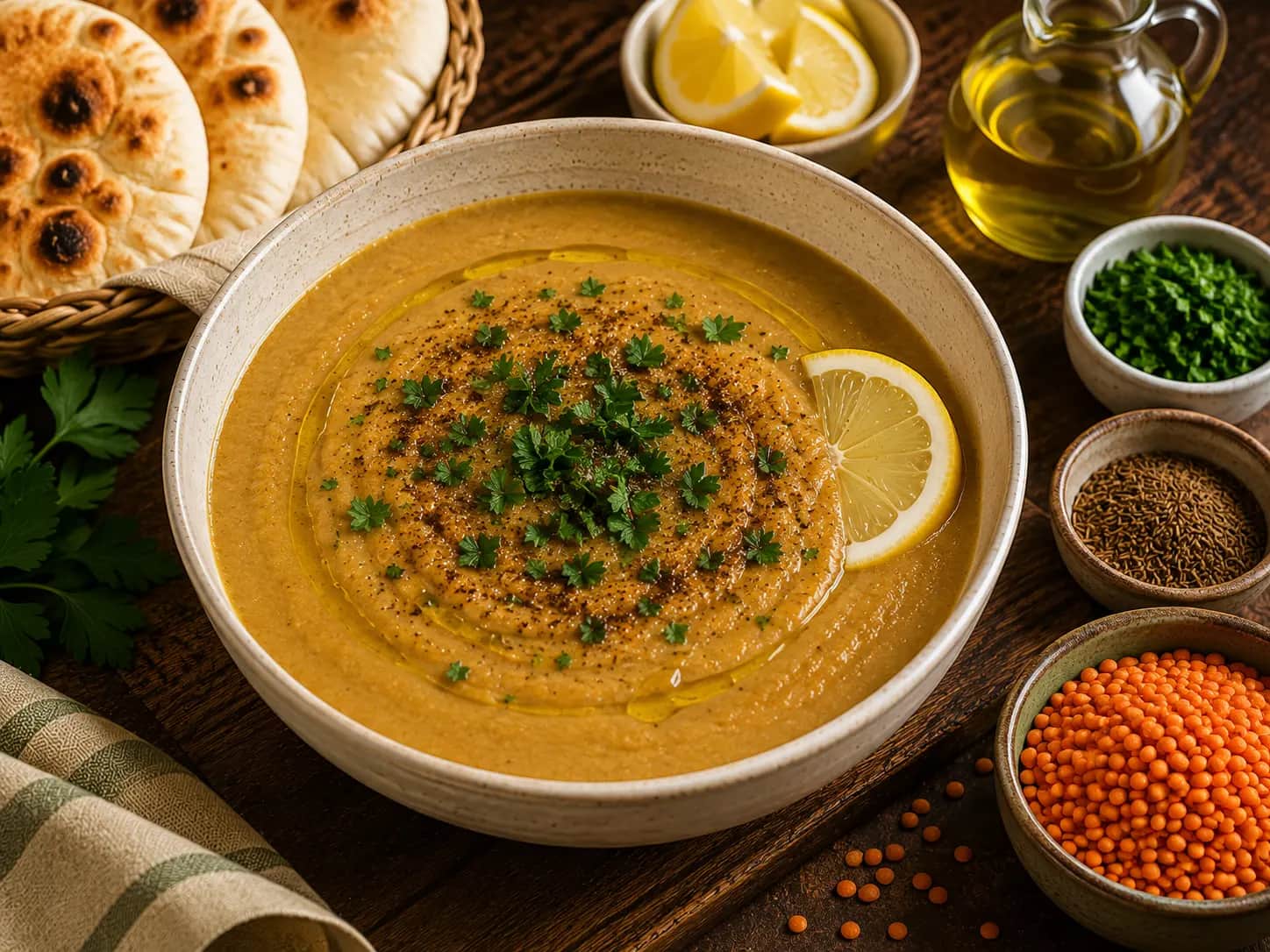
Syrian Lentil Soup (Shorbat Adas) Recipe — Easy Red Lentil Soup
A simple lentil soup made with red lentils, vegetables, garlic, cumin, lemon, and olive oil. The lentils soften quickly as they simmer, creating a naturally thick soup with a bright citrus finish.
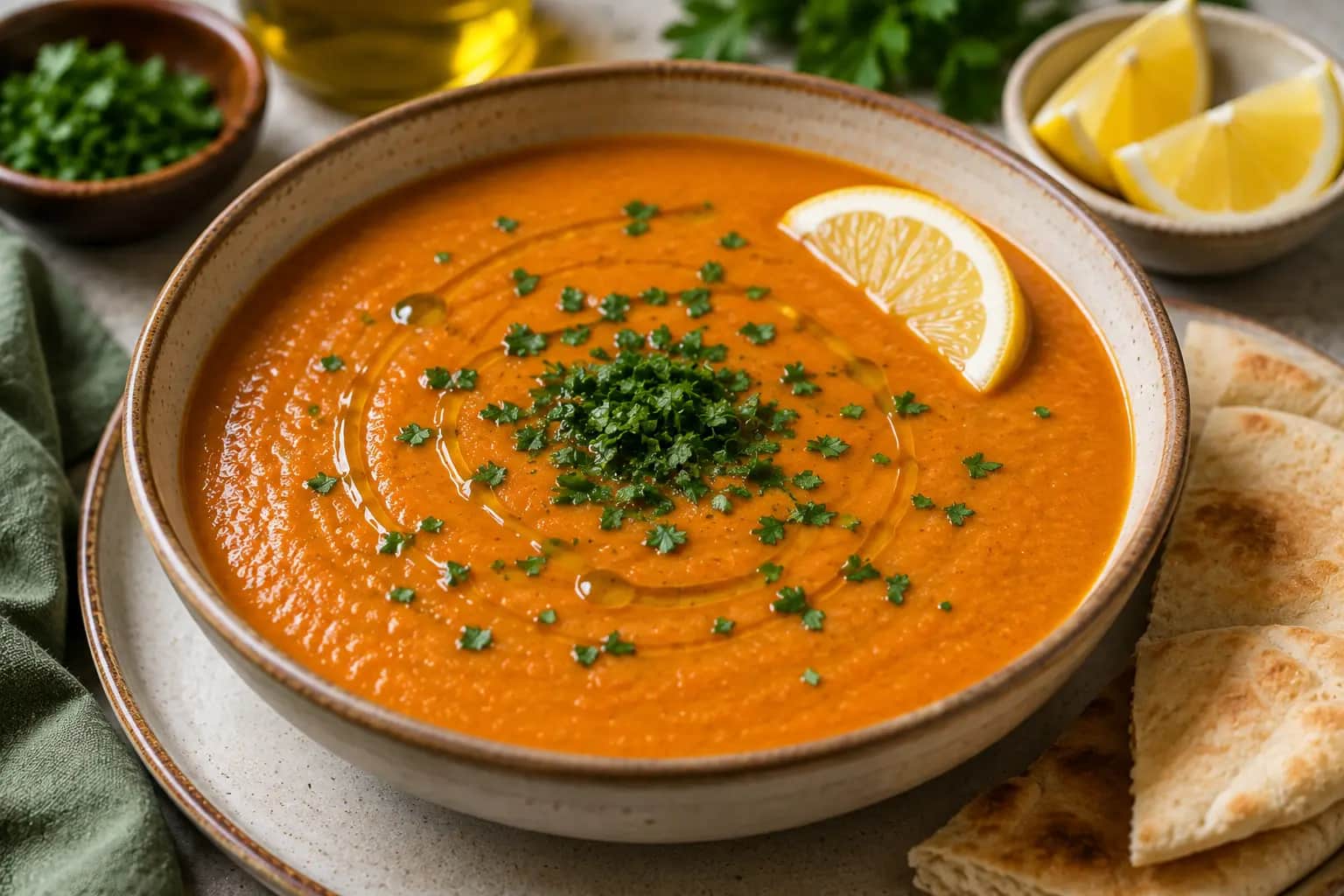
Lebanese Red Lentil Soup Recipe — Shorbat Adas with Lemon & Cumin
A Lebanese-style red lentil soup made with red lentils, vegetables, garlic, cumin, lemon, and olive oil. The lentils break down as they simmer, creating a naturally thick soup with a warm, earthy flavor and bright citrus finish.
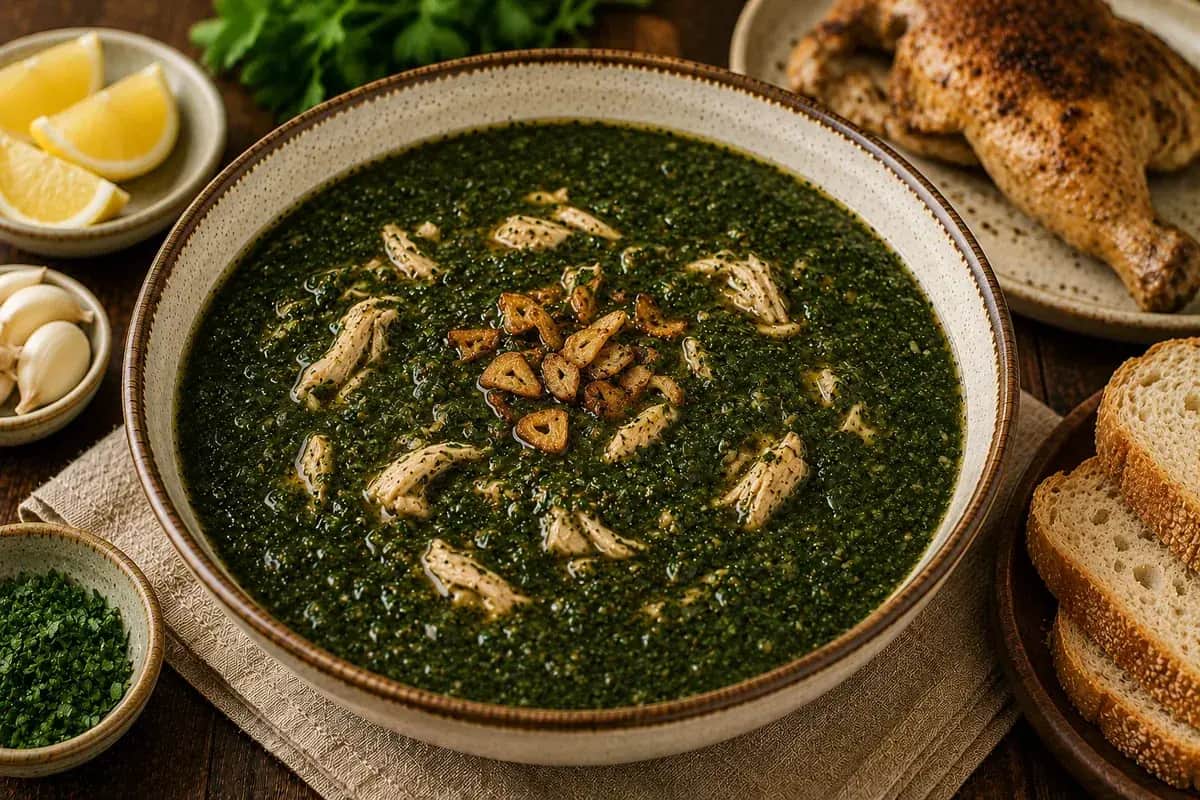
Egyptian Molokhia Soup Recipe
This traditional Egyptian molokhia soup recipe combines finely chopped jute mallow leaves with savory chicken broth, fragrant garlic, ground coriander, and a rich ta'aliya. Gently cooked for its signature silky texture, it is served hot with Egyptian rice and fresh lemon for a comforting Egyptian family meal.