
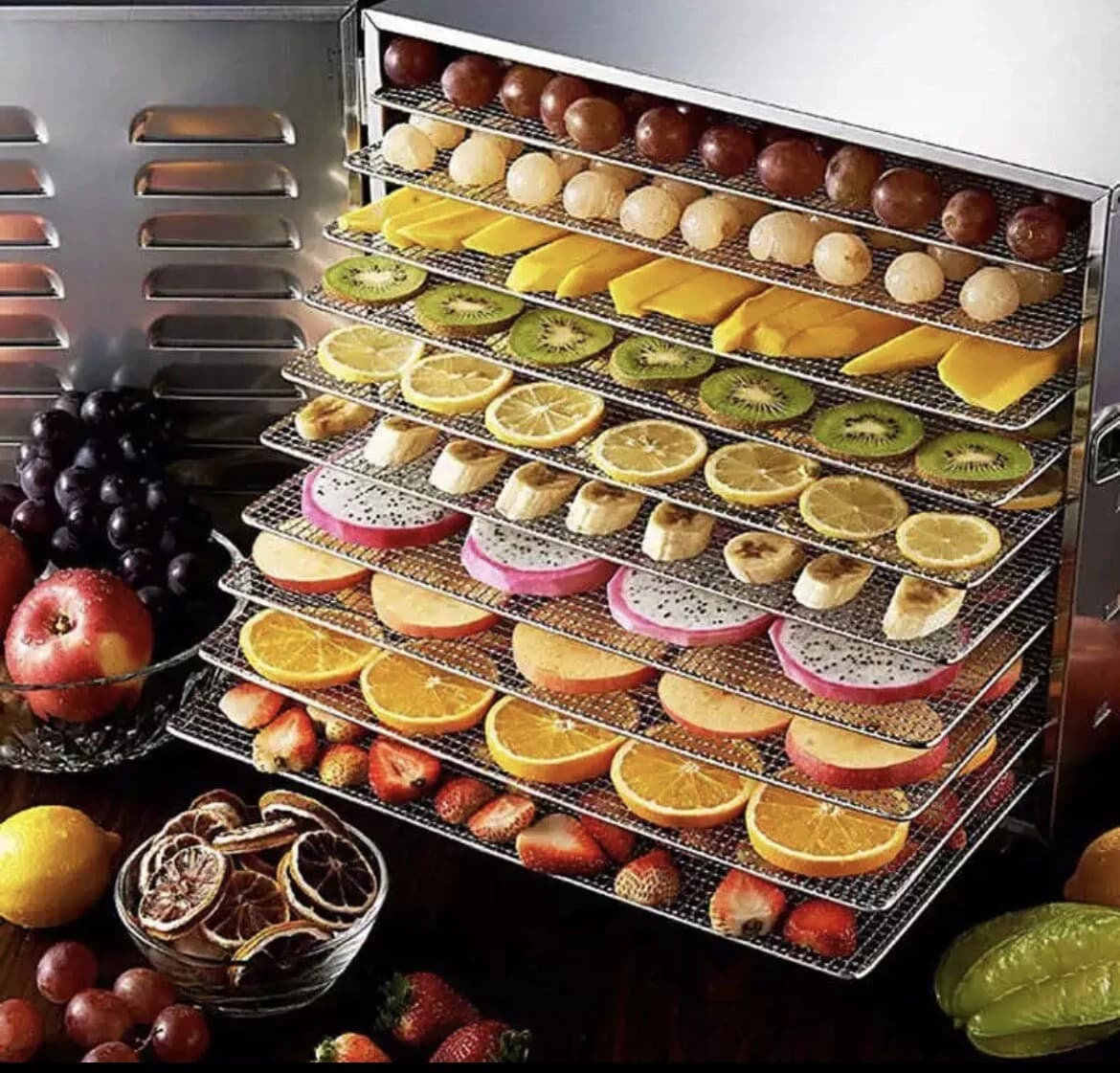
Why I Love Having a Dehydrator in the Kitchen
A food dehydrator is one of those kitchen appliances that can look very simple until you start using it regularly. It removes moisture from food with controlled heat and airflow, allowing fruits, vegetables and herbs to become lighter, concentrated ingredients that can be stored and used later.
For me, the biggest attraction is not simply making dried fruit. It is being able to save extra produce instead of watching it go to waste, make snacks that guests actually enjoy, and keep ingredients around for cooking and drinks.
Try These from Our Kitchen
Some smells don't just mean food. They mean home.
What a Food Dehydrator Actually Does
A dehydrator uses a controlled heat source together with air circulation to remove moisture from food. As the water leaves the food, the pieces shrink dramatically and become much lighter.
Removing water also makes the food more practical to store. Properly dried foods take up much less space, although they still need to be cooled, conditioned when appropriate, and stored correctly to protect them from moisture.

A Simple Way to Save Extra Produce
One reason many people like dehydrating is that it gives extra produce another life. Instead of trying to use everything immediately, you can turn suitable fruits, vegetables and herbs into ingredients and snacks that can be kept for later.
It can also help reduce grocery waste. When produce is plentiful or you have bought more than you can use fresh, dehydration gives you another option besides freezing or cooking everything immediately.
Try These from Our Kitchen

What Happens to Fruit During Dehydration?
Fruit becomes dramatically lighter because much of its water is removed. The calories, fiber and minerals do not disappear simply because the water is gone, so dried fruit becomes much more concentrated by weight than fresh fruit.
Some nutrients are more sensitive to heat than others. Vitamin C, for example, can be reduced during drying, while minerals are generally much more stable. The exact nutritional change depends on the fruit, pretreatment, temperature and drying process.
I sometimes describe the difference by looking at the weight before and after drying: a large fresh apple can become surprisingly tiny once most of its water has been removed. The exact final weight varies, so I would never treat one weight-loss example as a universal rule.
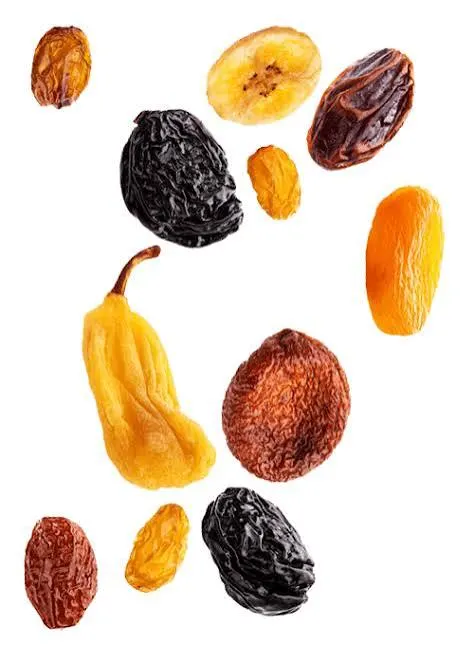
The Fruits I Like to Dehydrate
For the best flavor, I prefer fruit that is fresh, ripe and still in good condition. Overripe fruit is not something I recommend using simply because the dehydrator will not turn poor-quality produce into great-tasting food.
Some of the fruits that work well for home dehydration include pears, peaches, cherries, apples, apricots, prunes, nectarines, coconut, dates, berries, bananas, blueberries, limes and lemons.
A small herb can change the whole dish.
Vegetables I Usually Dehydrate
Vegetables can also be very useful in a dehydrator. I especially like chili peppers, tomatoes, sweet potatoes, sweet corn, mushrooms and selected herbs.
Vegetables are different from fruit because they are generally dried much further. Properly dried vegetables should be brittle or crisp rather than soft and leathery.
Don't Forget the Herbs
A dehydrator is also extremely useful when you have fresh herbs that you do not want to lose. I use or recommend it for basil, bay leaves, chives, cilantro, dill, fennel microgreens, ginger leaves, marjoram, mint, oregano, parsley, rosemary, sage, shiso, tarragon and thyme.
Dried herbs become much more concentrated in flavor because their water is removed, so remember that fresh and dried herbs are not interchangeable in equal amounts.
The Dehydrator Snacks My Guests Love
This is where the dehydrator becomes especially fun. I use it to make snacks for guests, and they are often surprised by how much flavor can come from something as simple as sliced fruit or vegetables.
For fruit, my favorites include apple rings or chips with cinnamon, banana coins or chips, mango slices, pineapple chunks or rings, strawberry slices, blueberries, peach or nectarine wedges, watermelon with lime and Tajín, citrus wheels, and fruit leather made from fruits such as berries, apples or mangoes.
For savory snacks, I like kale chips, zucchini chips, sweet potato chips or fries, dried cherry or plum tomatoes, seasoned chickpeas, coconut flakes with smoky seasoning, and mushroom jerky.
A small herb can change the whole dish.
How I Prepare Produce Before Drying
Preparation matters. I slice fruits and vegetables into pieces of similar thickness so they dry at a similar rate. Grapes and tomatoes can be cut in half so the inside is exposed and moisture can escape more easily.
For fruits that brown easily, an ascorbic-acid or suitable fruit-juice dip can help preserve color. Lemon juice is a familiar kitchen option, while measured ascorbic-acid treatments are also used in home food-preservation guidance.
Vegetables may require blanching depending on the vegetable and preservation method. Always check a reliable preservation guide and your dehydrator manual for the particular food rather than assuming every fruit or vegetable should be treated the same way.
The Beginner Mistakes I See Most Often
Inconsistent sizing is one of the easiest mistakes to make. Thin pieces can become too dry while thick pieces are still moist. Similar-sized pieces make it much easier to get an even batch.
Another mistake is overcrowding or overlapping the trays. Air needs to circulate around the food, so piling pieces together can slow drying and create uneven results.
Whole berries, grapes and other foods with tough skins can also be difficult to dry evenly. Piercing, cutting or following the recommended pretreatment for the particular food can help moisture escape.
Another common mistake is using the wrong temperature. Too much heat can harden the outside of high-sugar fruit while the inside remains moist. Always follow the manufacturer's instructions and a tested food-preservation guide for the food you are drying.
Tray Rotation and Sticking
Depending on the design of the dehydrator, trays may dry differently. I like to pay attention to the manufacturer's instructions about rotating trays so the batch dries evenly.
Fruit and thinly sliced vegetables can also stick to trays. A suitable dehydrator liner or the method recommended by the manufacturer can make removal much easier. I especially pay attention to this when working with sweet fruit.
Cooling and Conditioning Are Part of the Process
One mistake I do not want to make is packing food while it is still warm. Warm food can release moisture into the container and create condensation, which can contribute to spoilage.
Dried fruit also benefits from conditioning. After the fruit has cooled, home-preservation guidance recommends loosely packing it in glass or plastic containers for about seven to ten days, shaking the container daily and checking for condensation. If moisture appears, the fruit needs additional drying.
Vegetables are normally dried much further, until brittle or crisp, and do not require the same conditioning process used for dried fruit.
How I Store Dehydrated Food
For storage, I like sealed glass jars or other airtight containers. Suitable food-storage bags can also work when they provide an appropriate moisture barrier.
The important thing is protecting the dried food from humidity. Store it in a cool, dry, dark place and check it occasionally. If moisture gets back into the food, the shelf life and safety can change.
Drying does not mean food can be forgotten forever. Storage time depends on the food, how completely it was dried, packaging and storage conditions.
Why I Avoid Adding Oil Before Dehydrating
I do not recommend adding oil or fat to foods simply because you want to dehydrate them. Fat can become rancid and can complicate storage.
For the same reason, I keep the dehydrator focused on foods and preparations that are appropriate for drying rather than trying to turn every recipe into a dehydrated version.
What About Meat and Jerky?
This is where I draw a clear line between casual fruit and vegetable drying and meat dehydration. Meat requires specific food-safety procedures because drying at a low temperature alone is not enough to make unsafe meat safe.
If you are making jerky, follow a tested jerky method and the safety instructions from a reliable food-preservation source and your dehydrator manufacturer. Do not simply apply fruit-and-vegetable drying temperatures to meat.
What I Look for in a Dehydrator
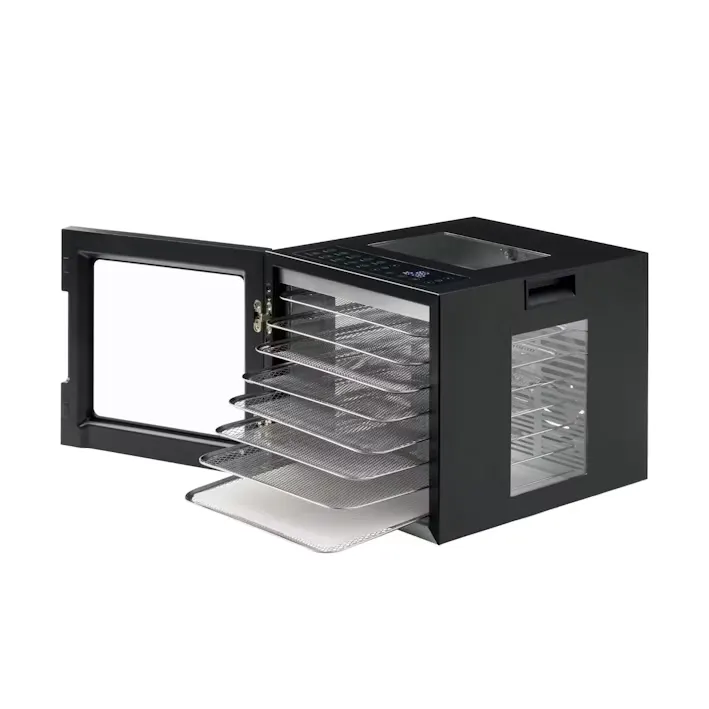
I recommend investing in a good-quality dehydrator rather than buying the cheapest machine available. Look for a unit with controlled temperature, good airflow and trays that are practical to clean.
I personally like sturdy metal trays, but tray material by itself should not be treated as a guarantee of safety. Good construction, appropriate food-contact materials, airflow and reliable temperature control matter more than simply choosing one material.
Most importantly, read the manual. Different machines have different airflow patterns, tray capacities and temperature controls, so the manufacturer's instructions should be part of your drying routine.
How a Dehydrator Fits Into Healthy Mezze
A dehydrator fits naturally into the way we cook at Healthy Mezze because so many recipes rely on herbs, fruits, vegetables and concentrated flavors.
Dried herbs can be ready when fresh herbs are out of season. Dried fruit can become a snack or an ingredient in drinks. Dried vegetables can be stored for later cooking. And having preserved ingredients available can make future meal preparation easier.
For me, the biggest benefit is simple: instead of thinking of extra produce as something that has to be used immediately, I can think about how to preserve it and use it another day.
My Final Take
A food dehydrator is not a magic machine that makes every food better. It is a practical preservation tool, and the results depend on choosing good produce, preparing it correctly, controlling the drying process and storing the finished food properly.
But once you learn those basics, it becomes one of the most useful appliances for turning fresh produce into lightweight snacks, concentrated ingredients and pantry staples.
And when guests start asking where those crispy fruit slices came from, you may find yourself using it a lot more than you expected.
Research & Sources
The Research Behind the Story
More Oregano Recipes
Healthy Mezze
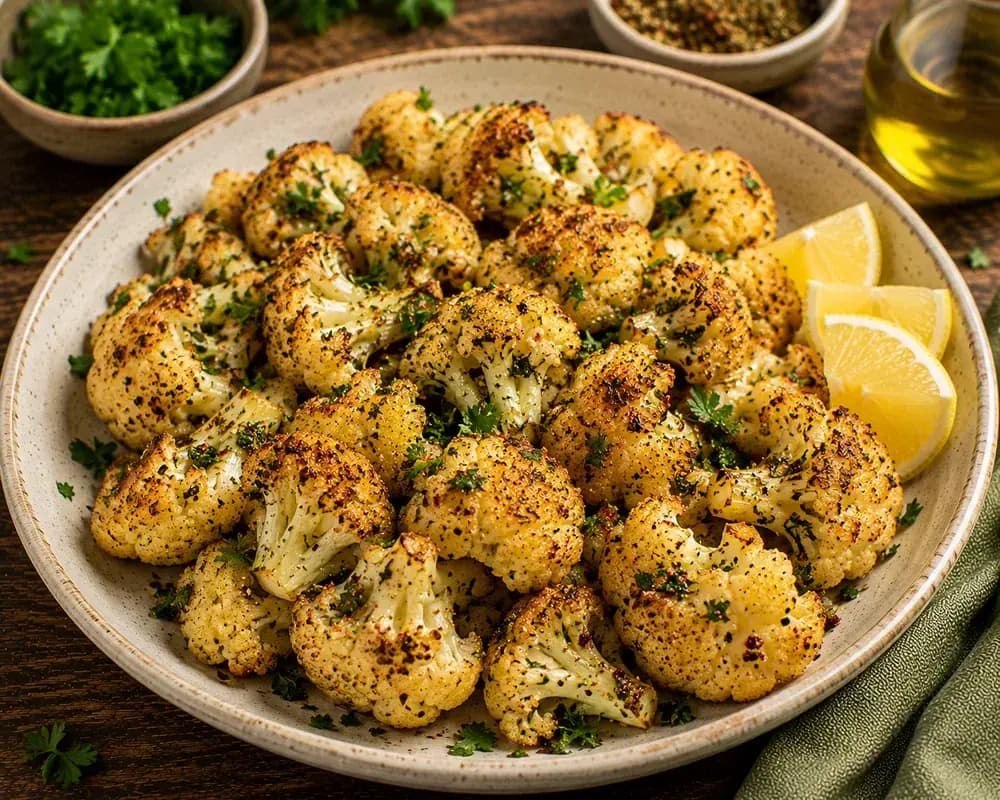
Herb-Roasted Cauliflower Recipe — Healthy Mediterranean Garlic & Herb Cauliflower
Cook this →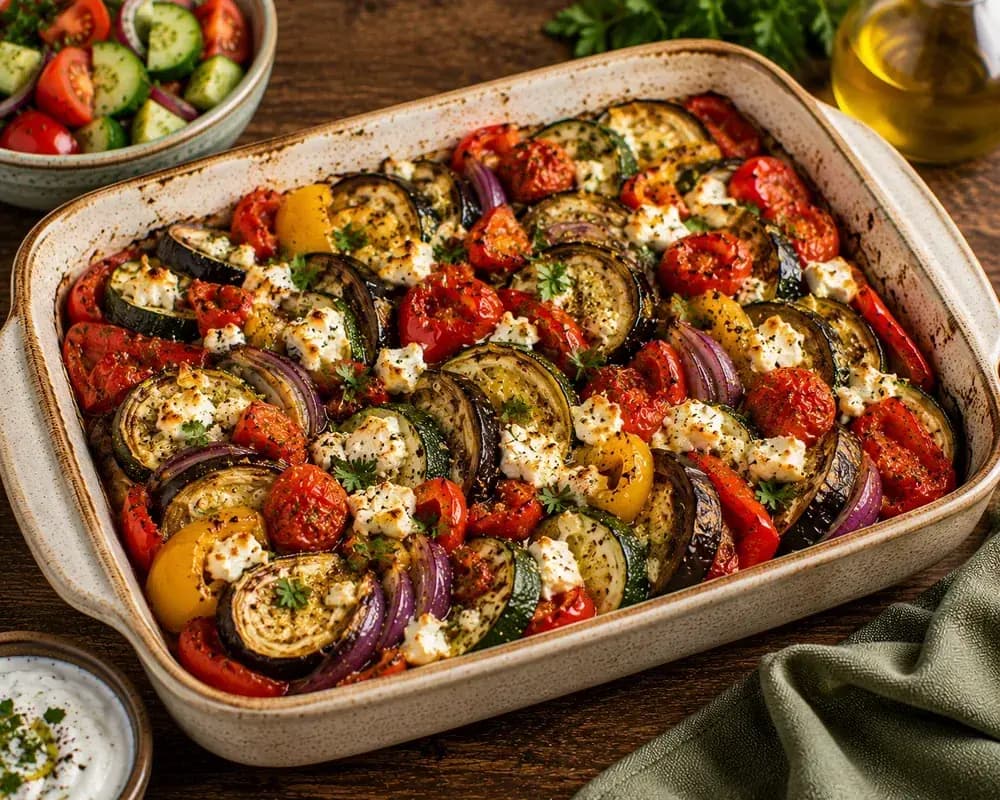
Healthy Mezze
Mediterranean Vegetable Bake Recipe — Healthy Vegan Casserole
Cook this →
Healthy Mezze