
A Table Filled with Memories
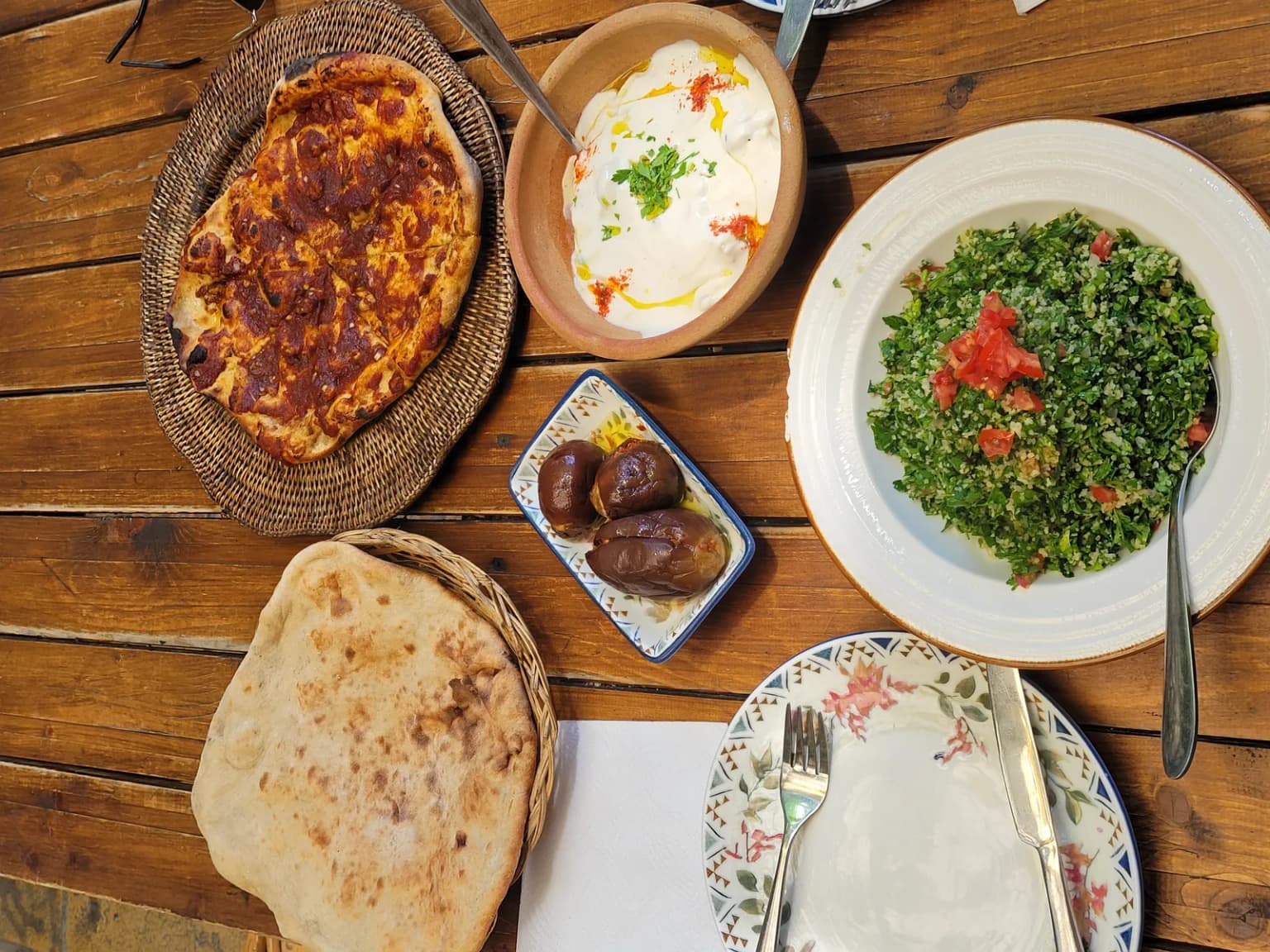
To understand Palestinian food, start with an ordinary family table. There might be warm bread in the middle, small bowls of olive oil and za'atar, fresh vegetables, olives and a dish everyone keeps reaching for. The meal does not need to be elaborate to feel generous.
Food carries memories of people and places. A recipe may come from a grandparent, a village, a particular season or a family habit that nobody thinks to write down. That is part of what makes traditional cooking worth preserving: the recipe is only one part of the story.
Heritage lives in more than books. It carries on around the table.
Palestine: A Land of Deep Roots
Palestinian culture has grown across towns, villages, hills, valleys and coastal areas, each with its own landscape and daily rhythms. Agriculture, local markets, family life, crafts and food have all helped shape the traditions people carry with them.
There is no single experience that represents every Palestinian family. Customs vary by region, religion, generation and personal history. That variety is not a weakness in the story; it is an important part of it.
Jerusalem, Nablus, Hebron and the Old Cities
Palestinian cities and historic towns have distinctive identities. Jerusalem is known for its layered religious and cultural history, while Nablus, Hebron, Bethlehem, Gaza and other places have their own stories, markets, crafts and food traditions.
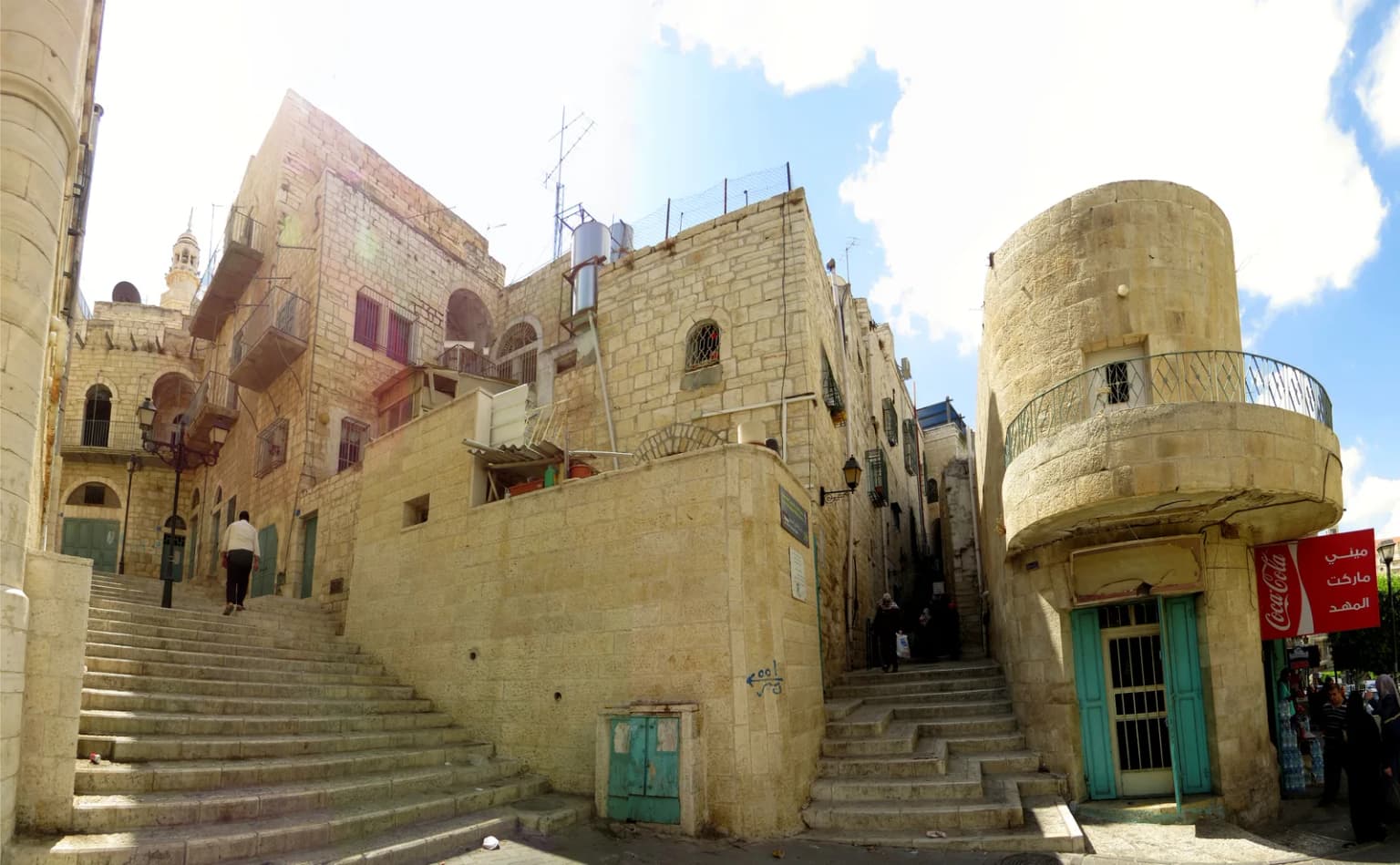
Old streets, stone buildings, workshops and market stalls are more than attractive scenery. They are places where people have worked, traded, cooked and met one another. Heritage is not only something preserved behind glass; it is also part of how communities live.
The Olive Tree: A Symbol of Connection
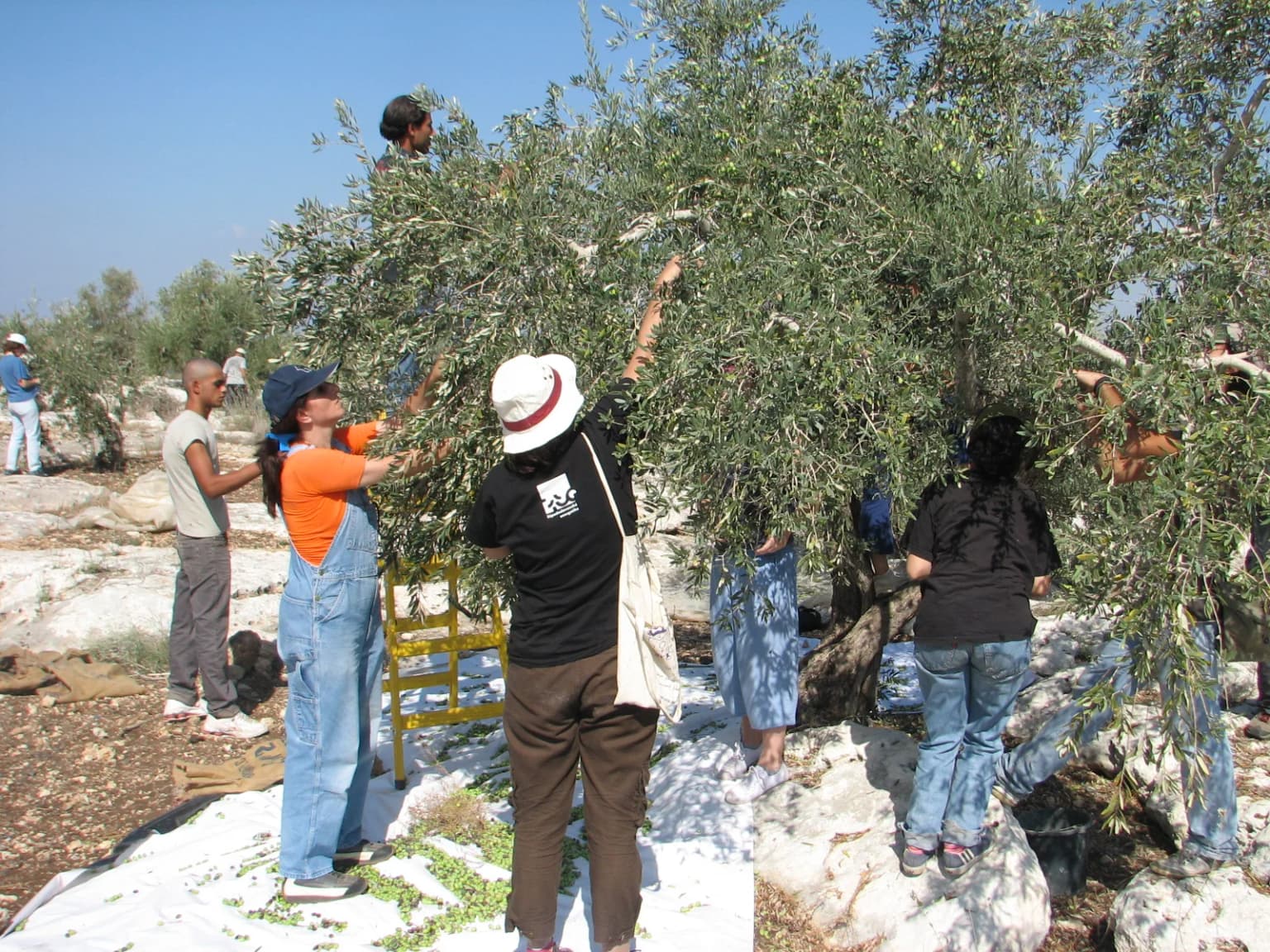
Olive trees are deeply connected with Palestinian land and family life. For many families, the harvest is a seasonal event that brings relatives and neighbours together to gather olives, sort them and take them for pressing.
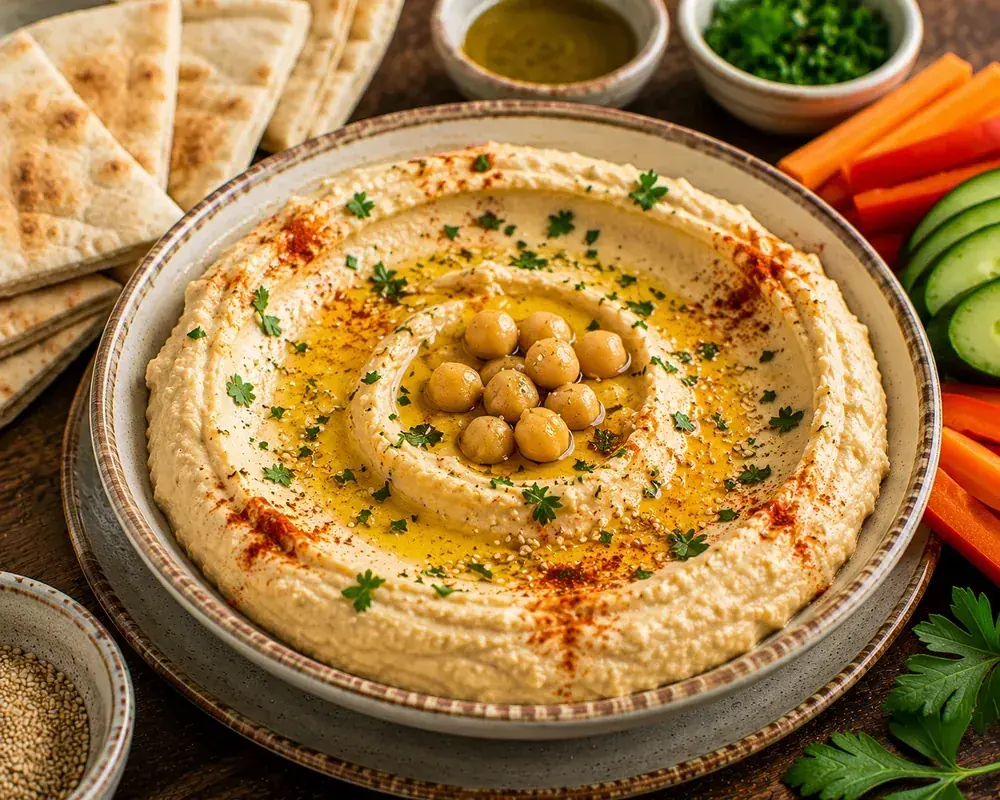
Olive oil appears throughout the kitchen: poured over hummus, used in cooking, mixed with za'atar or served with bread. The trees also carry meaning beyond the kitchen, connecting families to land, memory and the work of earlier generations.
Family, Neighbours and Community
In many Palestinian households, preparing a meal is shared work. Someone washes the vegetables, someone kneads the dough, another person sets the table, and a relative arrives with something they have made. Not every household follows the same routine, of course, but food often creates opportunities to spend time together.
Neighbours and extended family can be an important part of celebrations and everyday life. A dish sent next door or an extra place made at the table may seem like a small gesture, but these are the kinds of details through which traditions continue.
Every dish holds traces of place, people and memory.
Palestinian Hospitality
Hospitality can begin with something simple: coffee, tea, dates, fruit or a plate of food offered to a visitor. The point is not always to prepare a grand feast. It is to make a guest feel welcome and give them time to settle in.
Arabic coffee and tea are familiar parts of hospitality in many Palestinian homes, although the details differ between families and regions. What matters is the care behind the gesture, whether a visit lasts ten minutes or turns into a long conversation around the table.
The Tradition of Sharing Food
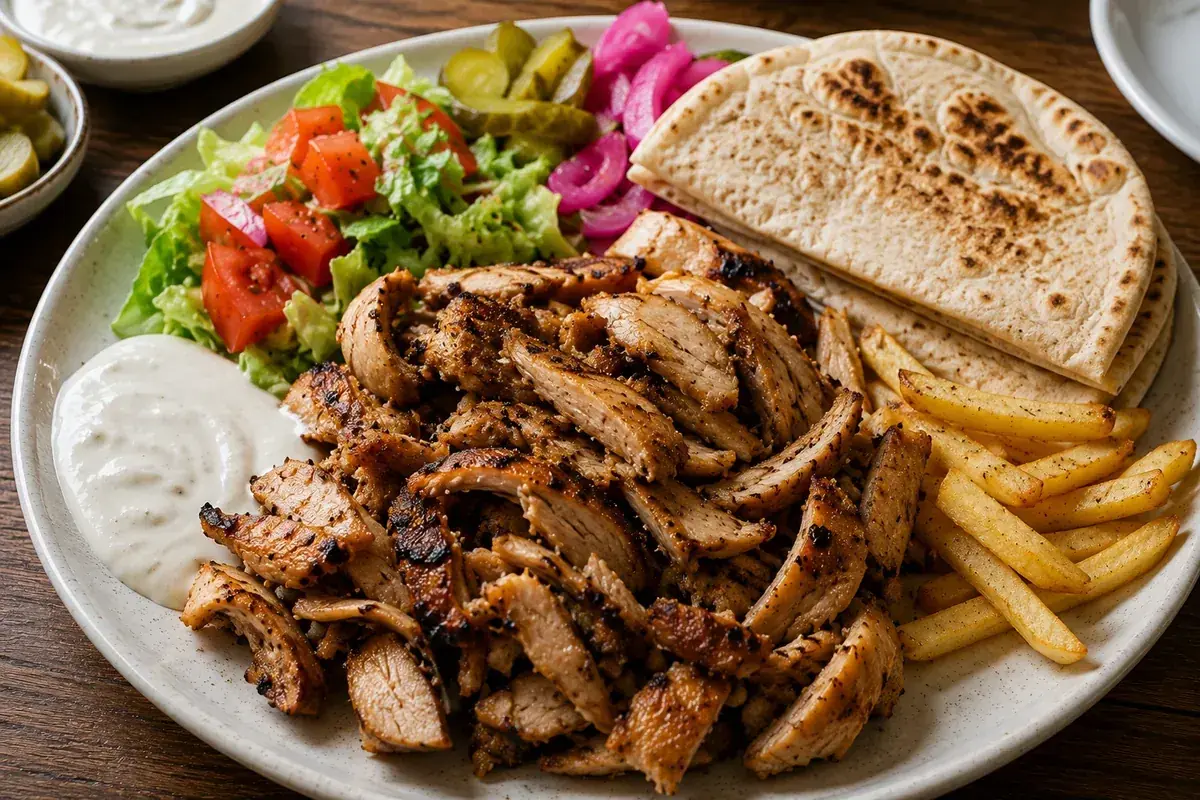
Many Palestinian meals are designed to be shared. Bread is used to scoop up dips and sauces, salads sit alongside the main dish, and several people may eat from a large serving platter. The arrangement encourages conversation and makes the meal feel communal.
Sharing does not mean every family eats in exactly the same way. Modern schedules, different households and life abroad all influence how people cook and gather. Still, the idea of making enough to share remains a familiar thread in Palestinian food culture.
Musakhan: Olive Oil, Sumac and Warm Bread
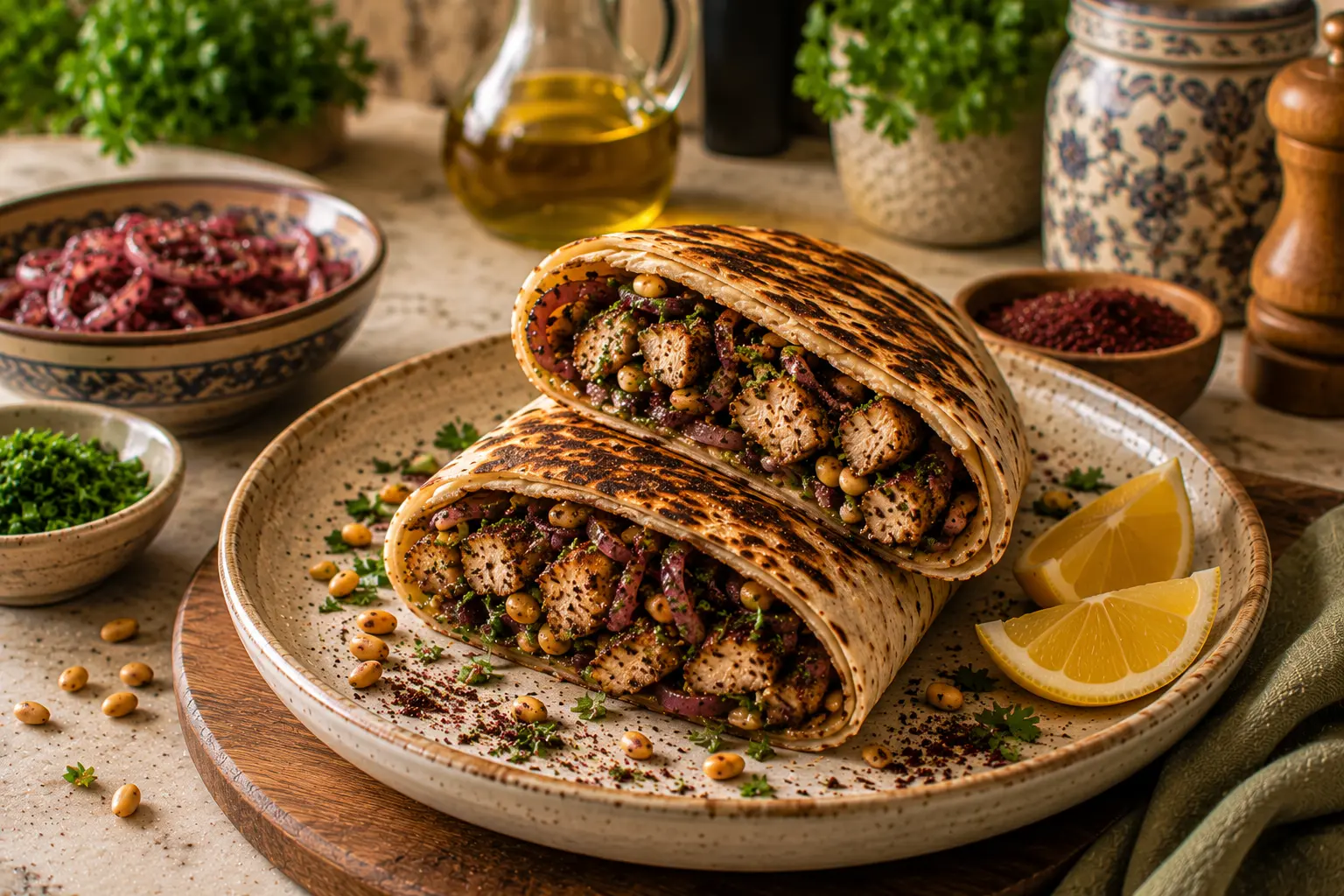
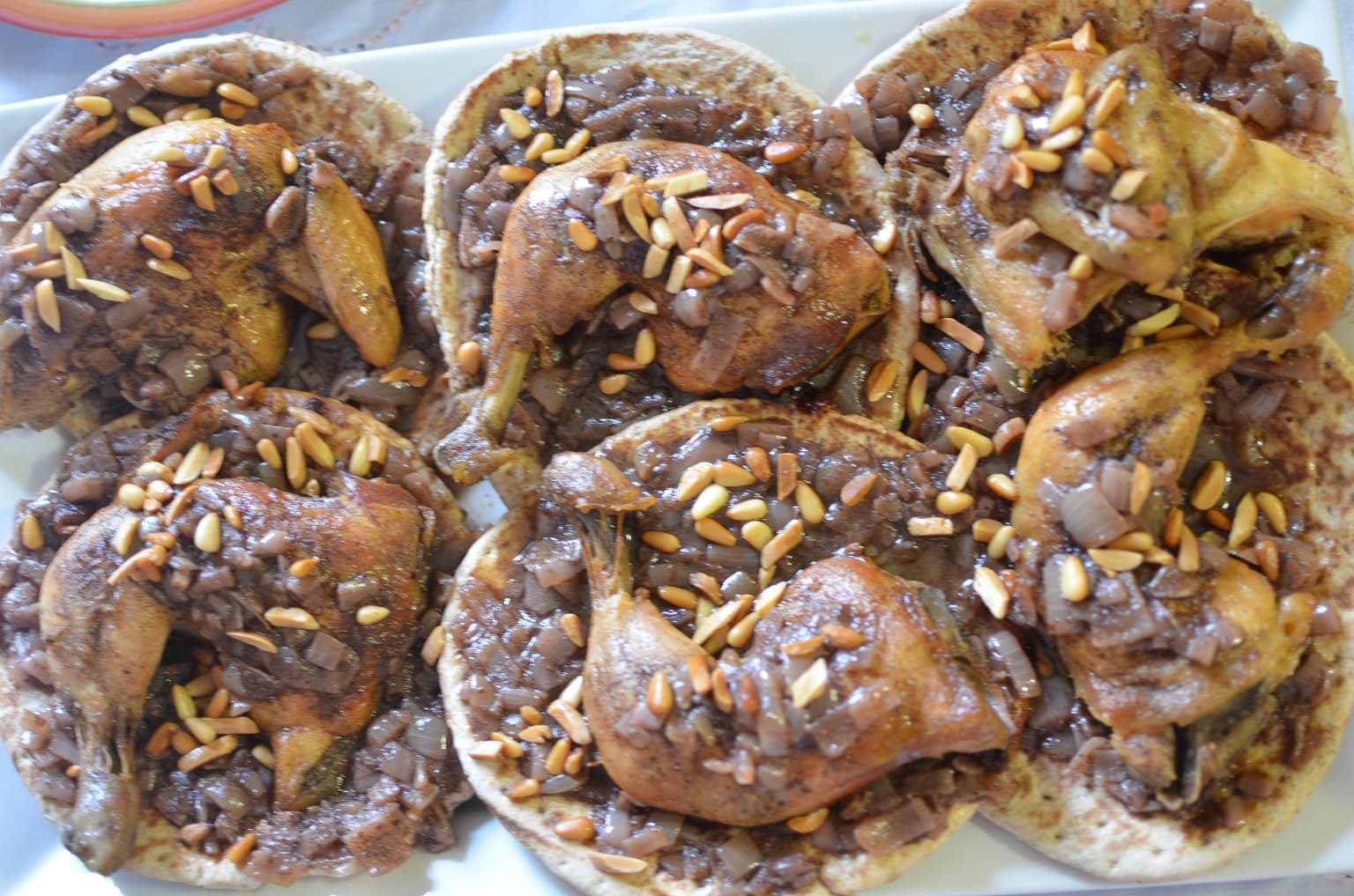
Musakhan is one of the best-known dishes associated with Palestinian cooking. It is commonly made with chicken, onions, sumac and generous olive oil, served over taboon-style bread that absorbs the flavourful juices.
The ingredients are straightforward, but the result is memorable: sweet, softened onions, the tang of sumac and the richness of olive oil against warm bread. Musakhan is often served for family gatherings, and its ingredients reflect the close relationship between Palestinian cooking and local produce.
Try These from Our Kitchen
Every dish holds traces of place, people and memory.
Maqluba: The Dish Turned Upside Down
Maqluba means 'upside down', and the name describes the moment the pot is turned over onto a serving platter. Rice, vegetables and meat are layered and cooked together, then revealed as a single dish when the pot is lifted.
That final turn can be a little dramatic, especially when everyone is waiting to see whether the layers hold. Recipes vary from household to household, with different vegetables, spices and proportions. Like many home-cooked dishes, maqluba is as much about a family's way of making it as it is about a fixed recipe.
Maftoul, Lentils and Everyday Grains
Not every important dish is prepared for a celebration. Grains, lentils and pulses have long been useful ingredients for filling, practical meals. Maftoul, often described as Palestinian couscous, is made from rolled grains and appears in dishes with chickpeas, onions, broth or seasonal ingredients.
Lentils and rice also make satisfying everyday food. These ingredients are affordable, adaptable and easy to combine with herbs, vegetables and olive oil. They show another side of culinary heritage: the everyday cooking that feeds a household week after week.
Za'atar, Thyme and the Palestinian Pantry
Za'atar is a familiar presence in Palestinian kitchens. The word can refer to a local herb or to a seasoning blend, often combining thyme or related herbs with sesame seeds, sumac and salt. Recipes and proportions differ, so there is no single mixture used by everyone.
Sprinkled over bread with olive oil, added to a simple breakfast or served alongside other small dishes, za'atar brings an earthy, aromatic flavour. Olive oil, legumes, grains, seasonal vegetables and preserved foods also help form the practical foundation of many home kitchens.
Taboon Bread and Traditional Baking
Bread is central to many Palestinian meals, and taboon bread is especially associated with traditional baking. Historically, taboon ovens have been used to bake flatbreads with a distinctive texture, although the equipment and methods found today vary.
Bread can accompany dips, wrap fillings, collect the juices from a main dish or become part of the dish itself. Freshly baked bread has a way of drawing people into the kitchen before the meal is even ready.
Seasonal Produce and the Agricultural Calendar
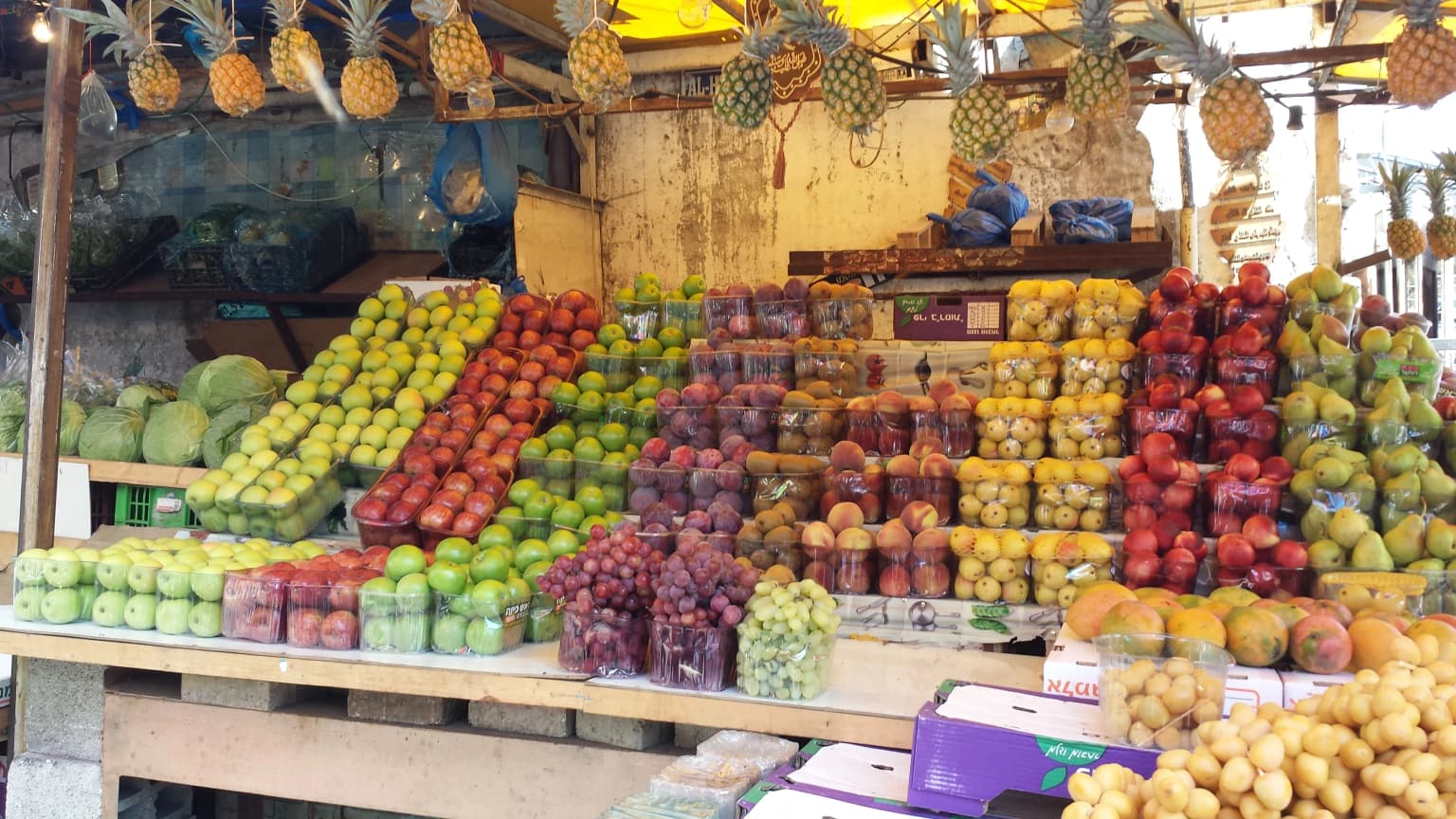
Seasonality shapes Palestinian cooking. Olives, citrus, grapes, figs, almonds and other fruits and vegetables appear at different times of year, depending on the region and growing conditions. Markets and home kitchens reflect what is available locally.
Preserving food is another way to make the most of a harvest. Families may pickle vegetables, cure olives, dry herbs or prepare ingredients for later use. These practices are practical, but they also keep familiar flavours available beyond their natural season.
Embroidery, Tatreez and Cultural Identity
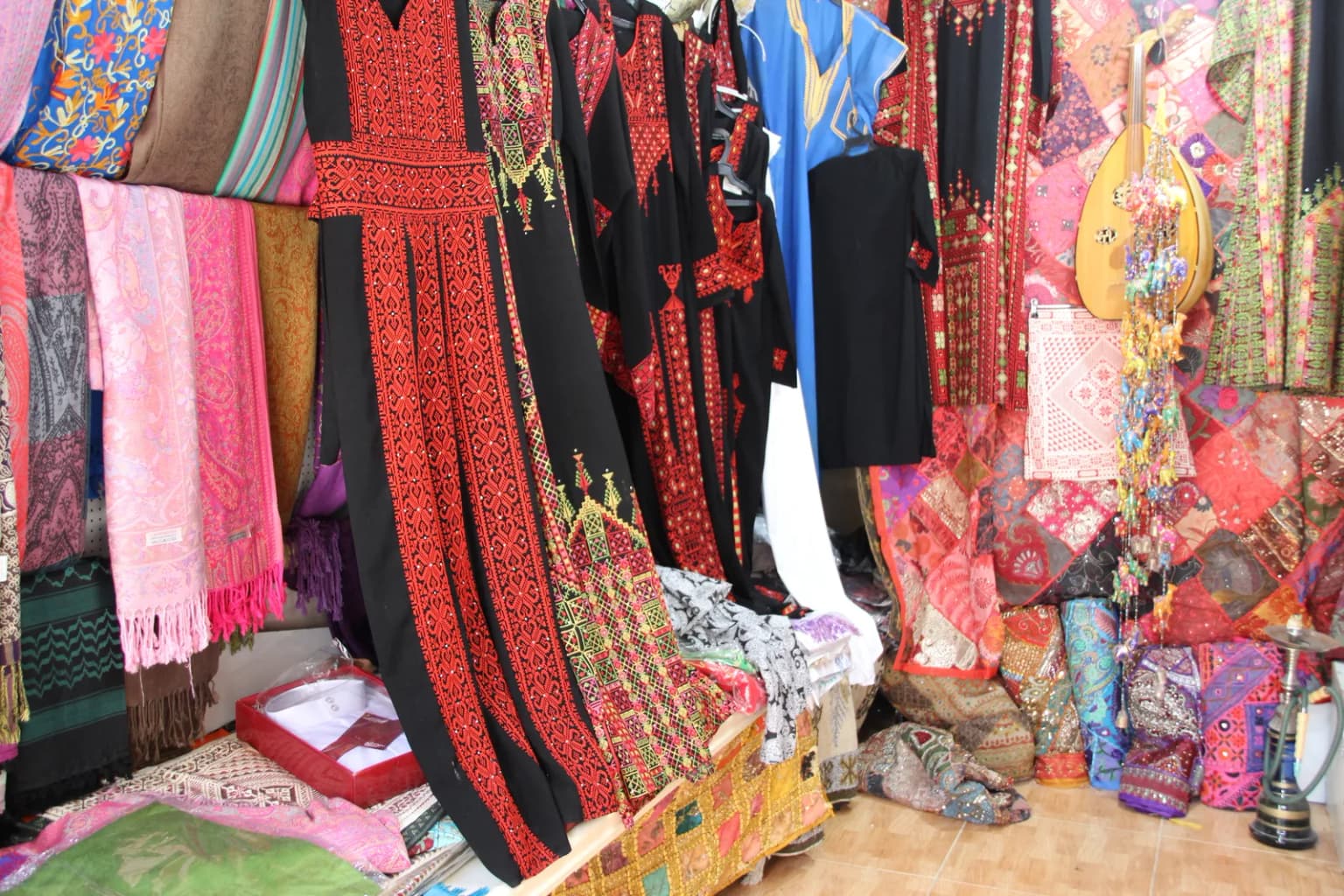
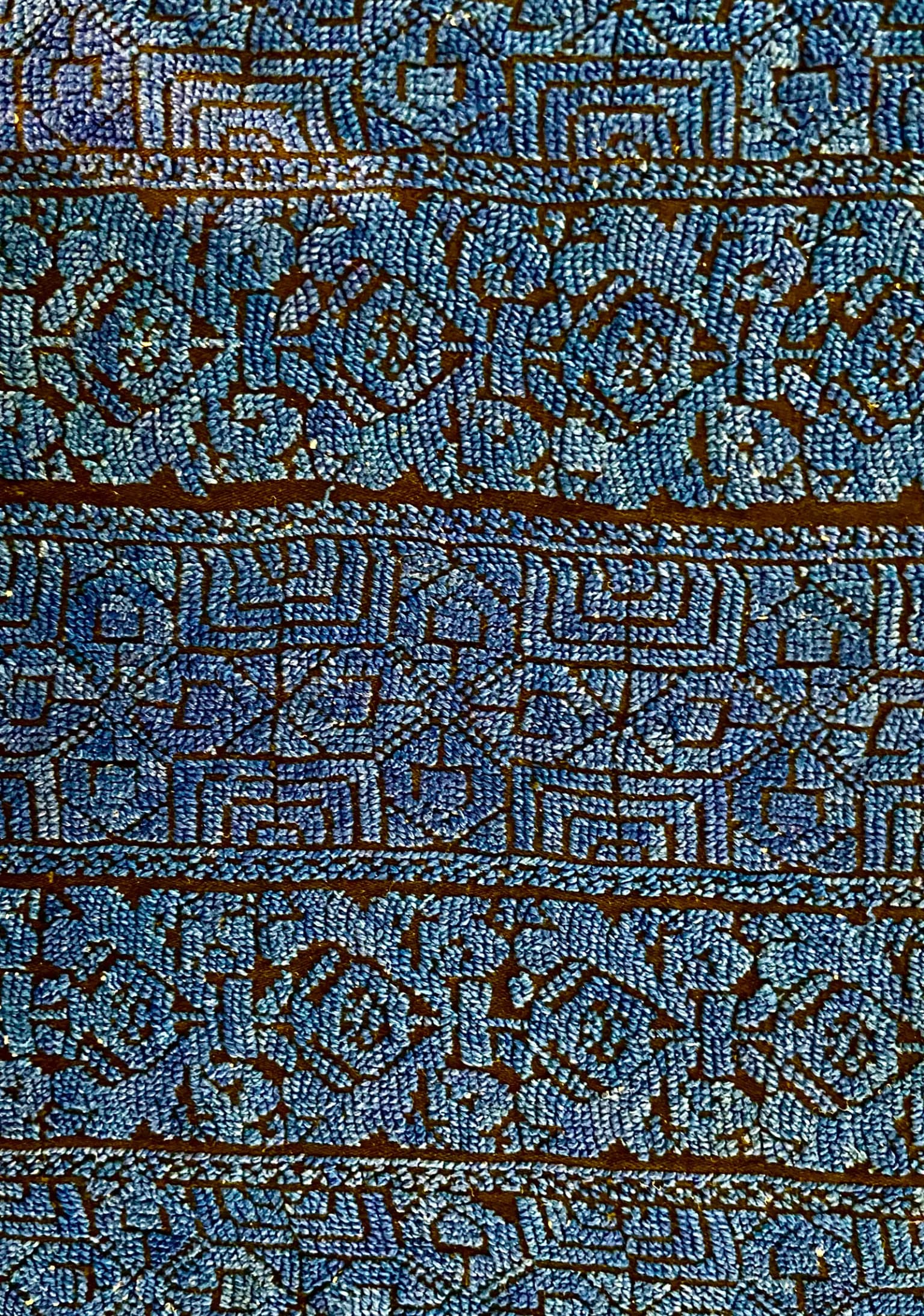
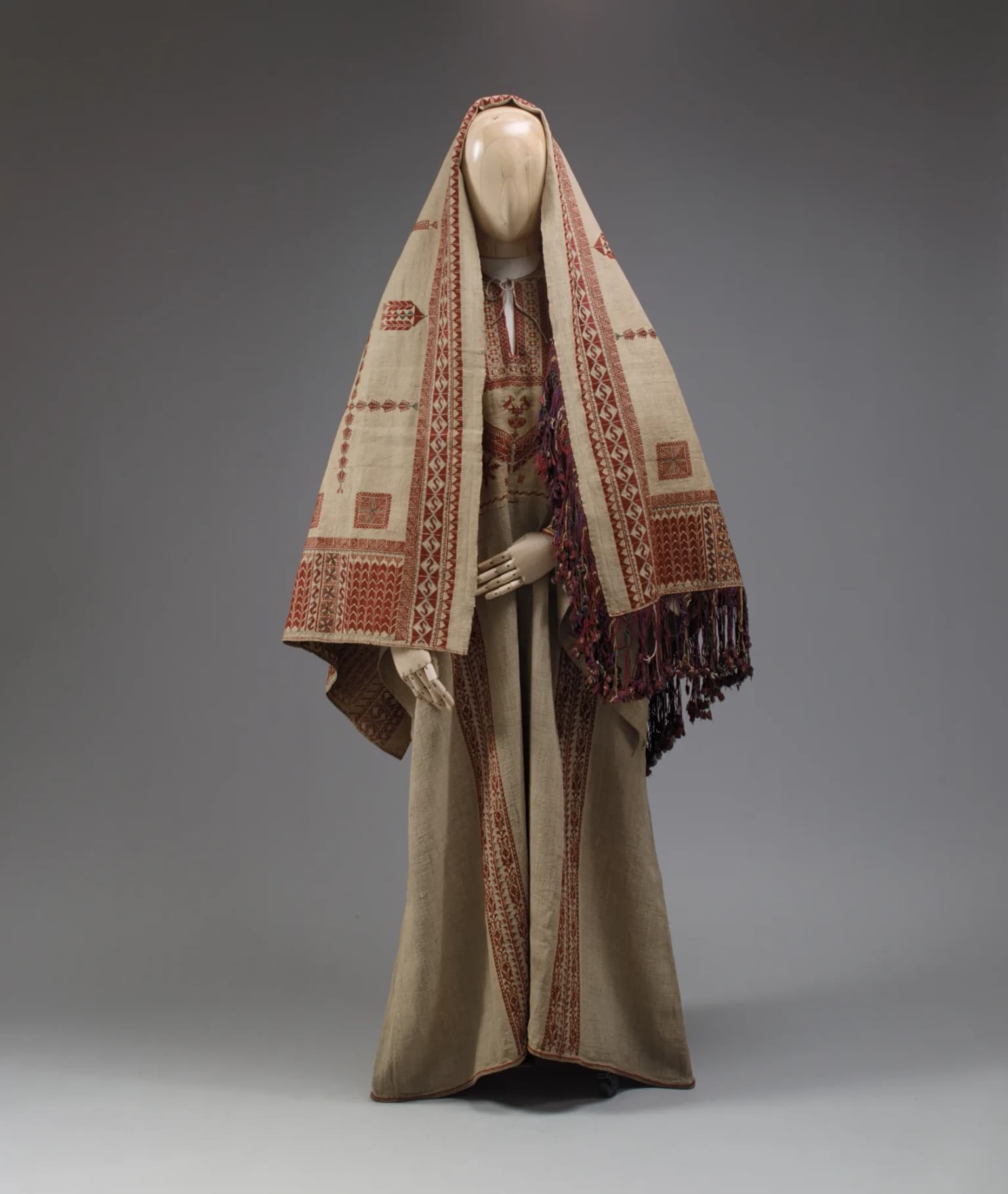
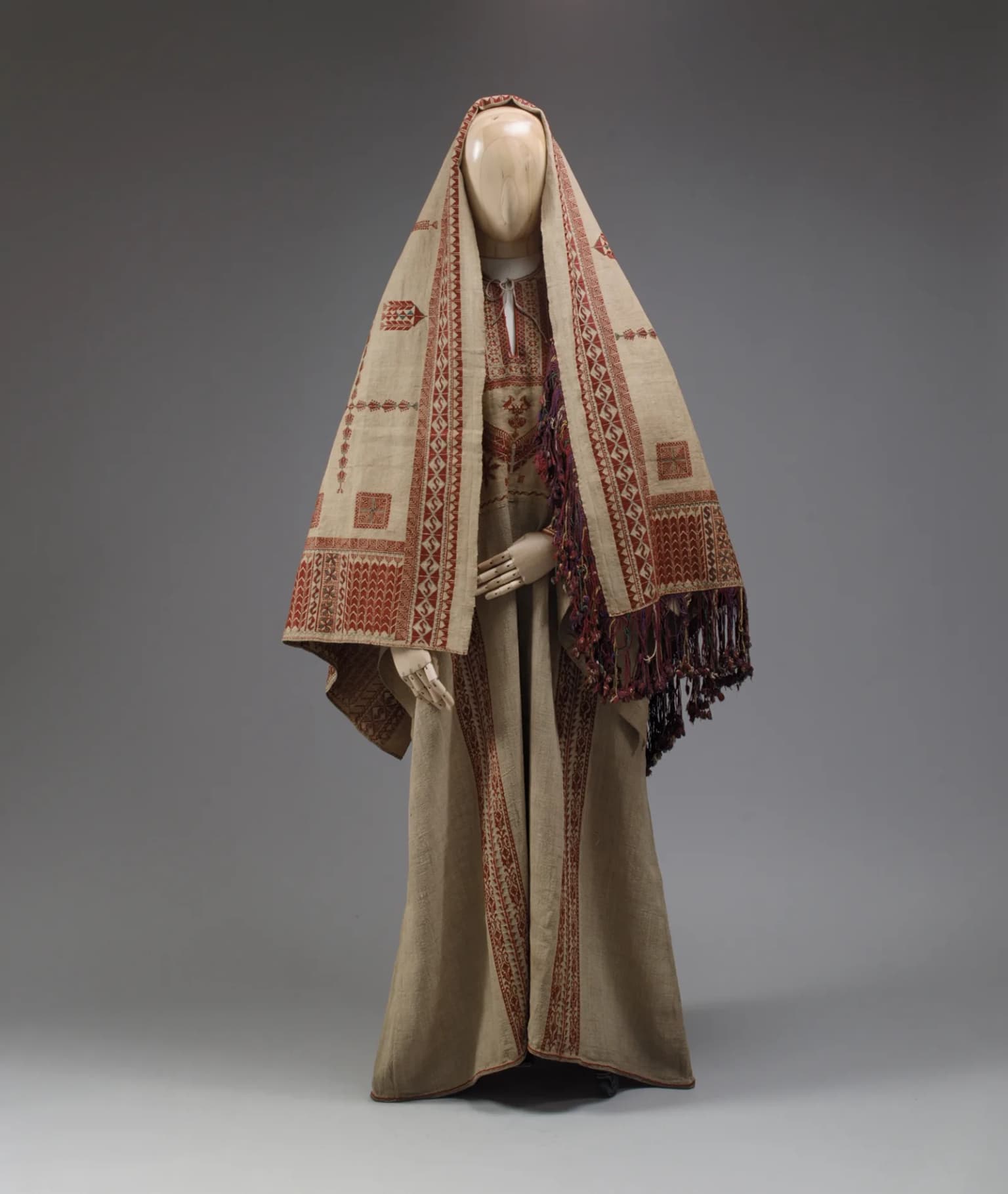
Palestinian tatreez, or traditional embroidery, is a skilled craft with deep cultural significance. Patterns, colours and stitching styles can be associated with particular regions and communities, though designs also change over time and through individual creativity.
Embroidered dresses and other textiles can carry family knowledge as well as artistic expression. The craft has been passed between generations, and it continues today through makers who preserve traditional techniques while creating new work.
Weddings, Music and Dabke
Celebrations in Palestinian communities can bring together food, music, dancing and relatives from near and far. Dabke, a group line dance found in several parts of the Levant, is a familiar feature at many Palestinian weddings and gatherings.
The steps and music can vary, and celebrations are not identical across every community. Still, the shared rhythm of a dance, the sound of people singing and the preparation of a large meal can turn an occasion into a memory people talk about for years.
Ramadan, Eid and Shared Meals
For Muslim Palestinian families, Ramadan changes the rhythm of the day and brings particular importance to iftar, the meal that breaks the fast, and suhoor before dawn. Dishes differ between households, but soups, breads, rice dishes, dates and sweets may all find a place on the table.
Eid brings its own visits, hospitality and celebratory foods. Palestinian Christians and other communities have different religious calendars and customs, and family traditions vary widely. The important point is to recognise this diversity rather than assume that one set of practices represents everyone.
Regional Food Traditions Across Palestine
Palestinian food is not one unchanging menu. Local ingredients, access to the sea, farming conditions, town and village life, and family histories all influence what people cook. Dishes and techniques can differ between the north and south, the coast and inland areas, and individual households.
Migration has added more layers. Families who move to another country may adapt a recipe to the ingredients they can find, while keeping the flavours and habits that make it recognisable. A living cuisine changes without losing every connection to its roots.
Preserving Heritage Across Generations
A tradition survives when someone keeps practising it. It may be a parent showing a child how to season a dish, a relative teaching embroidery, or an older family member explaining when to add an ingredient without measuring it.
Writing recipes down, recording family stories and teaching traditional crafts can help preserve knowledge that might otherwise remain unspoken. These efforts matter because cultural heritage is not only a record of the past; it is something people continue to make and share.
Palestinian Cuisine Around the World
Palestinian communities around the world have carried their food traditions with them. Family kitchens and restaurants keep dishes familiar to one generation alive for the next, while new ingredients and circumstances sometimes lead to different versions.
Eating Palestinian food abroad can be a way to reconnect with family and place, or a chance for someone new to learn about a cuisine through its ingredients and stories. It is worth naming dishes accurately and recognising the communities whose knowledge has kept them alive.
A Taste of Palestine at Healthy Mezze
At Healthy Mezze, we want to explore the food of the Eastern Mediterranean with care for the people and places behind it. Palestinian cooking deserves to be understood on its own terms, not folded into a generic description of regional food.
Start with the ingredients: olive oil, herbs, legumes, grains, fresh vegetables and warm bread. Then look beyond the plate to the seasonal work, family knowledge and local traditions that give these foods meaning. A recipe can be a good starting point, but the story around it makes the experience richer.
Research & Sources