
Healthy Mezze Guide
Healthy Mediterranean Meal Planning
Mediterranean-style meal planning becomes easier when you focus on a small group of flexible ingredients rather than trying to prepare complicated meals every day. At Healthy Mezze, we build meals around vegetables, legumes, grains, herbs, healthy fats, and practical protein options, then adjust seasoning and preparation according to what we have available.
Start with a simple meal structure
A practical meal can begin with one main protein or legume, several vegetables, and a grain, bread, or other filling element. From there, herbs, lemon, spices, sauces, or dips can add flavor. This structure gives you flexibility without requiring a completely different shopping list for every meal.
Keep useful ingredients available
A small collection of vegetables, legumes, grains, herbs, olive oil, lemons, garlic, and common spices can support many different meals. We find that keeping versatile ingredients available makes it easier to cook at home and adapt when plans change or a particular ingredient is unavailable.
Plan around legumes and vegetables
Chickpeas, lentils, beans, and other legumes can provide substance for soups, salads, bowls, dips, and patties. Vegetables can then add freshness, color, and different textures. Combining these ingredients in different forms helps prevent meals from feeling repetitive.
Use grains thoughtfully
Rice, bulgur, barley, and other grains can provide a filling base for meals. They can be paired with vegetables, legumes, herbs, sauces, or protein. When planning ahead, cooked grains can also make later meals easier to assemble, provided they are stored and handled appropriately.
Build flavor with herbs, spices, and acidity
Healthy meals do not have to depend on complicated sauces to taste good. Garlic, cumin, coriander, mint, parsley, za'atar, sumac, lemon, and vinegar can create very different flavor profiles from the same basic ingredients. We recommend seasoning gradually, tasting, and adjusting rather than adding everything at once.
Choose cooking methods that fit the dish
Baking, roasting, grilling, simmering, and other cooking methods can all have a place in Mediterranean-style cooking. When it suits the recipe, we often use the oven instead of frying. The goal is not to eliminate traditional methods, but to choose a practical method that works well for the particular dish.
Plan for leftovers and flexible meals
Planning does not mean every meal needs to be prepared from scratch at the same time. Extra cooked grains, roasted vegetables, legumes, or sauces can become components of another meal. We like thinking in terms of building blocks so that one preparation can make the next meal easier without making it feel exactly the same.
Taste and adjust instead of following blindly
Recipes provide a starting point, but ingredients vary and personal preferences differ. Taste your food as you cook and adjust salt, lemon, spice, herbs, or other ingredients when needed. If you need to change an ingredient, check the recipe's What If and Recipe Rescue sections when available so you understand what role the ingredient plays before replacing it.
Recipes from this guide
Try these recipes to put the ideas and ingredients from this guide into practice.
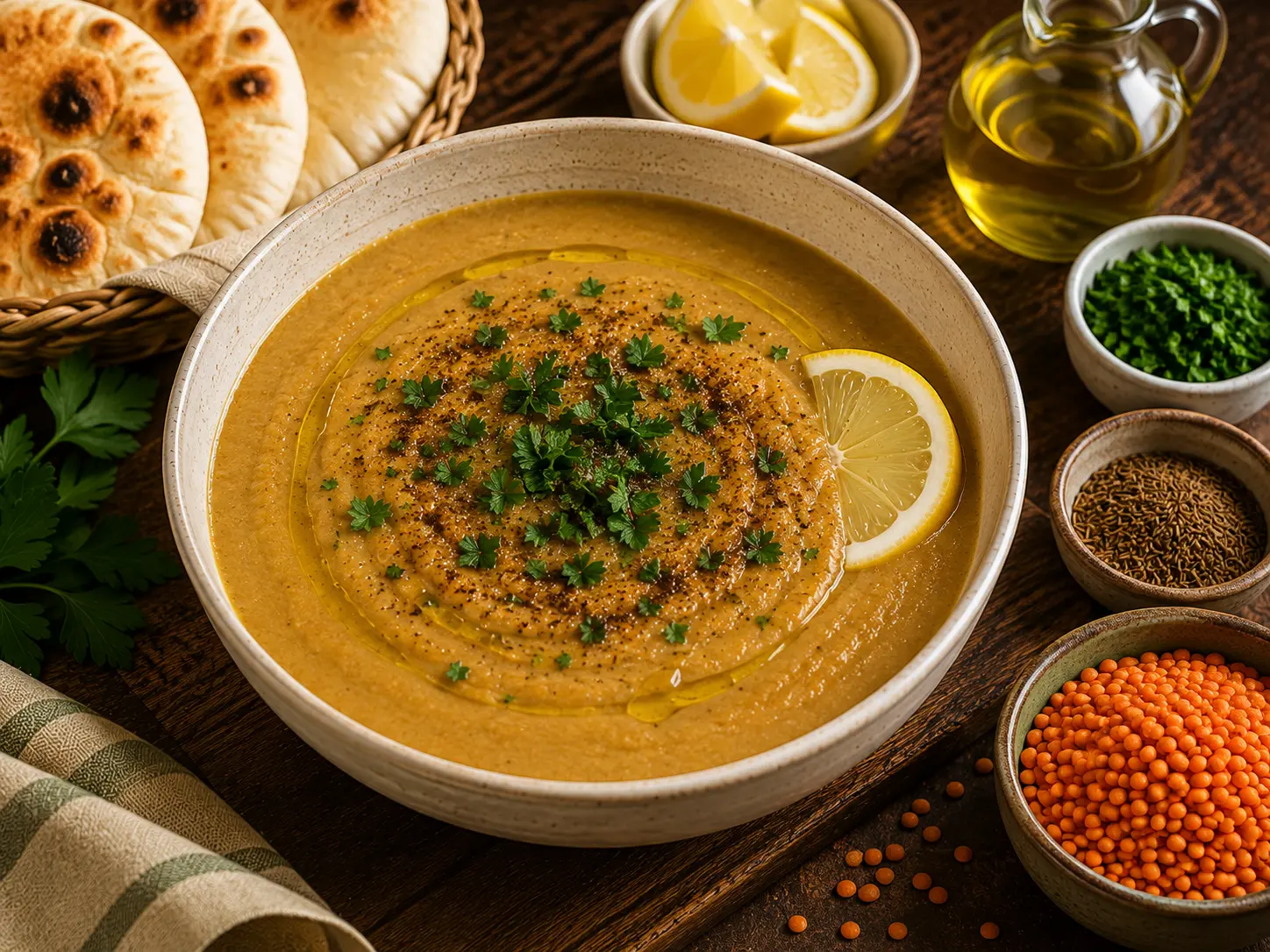
Syrian Lentil Soup (Shorbat Adas) Recipe — Easy Red Lentil Soup
A simple lentil soup made with red lentils, vegetables, garlic, cumin, lemon, and olive oil. The lentils soften quickly as they simmer, creating a naturally thick soup with a bright citrus finish.
View recipe →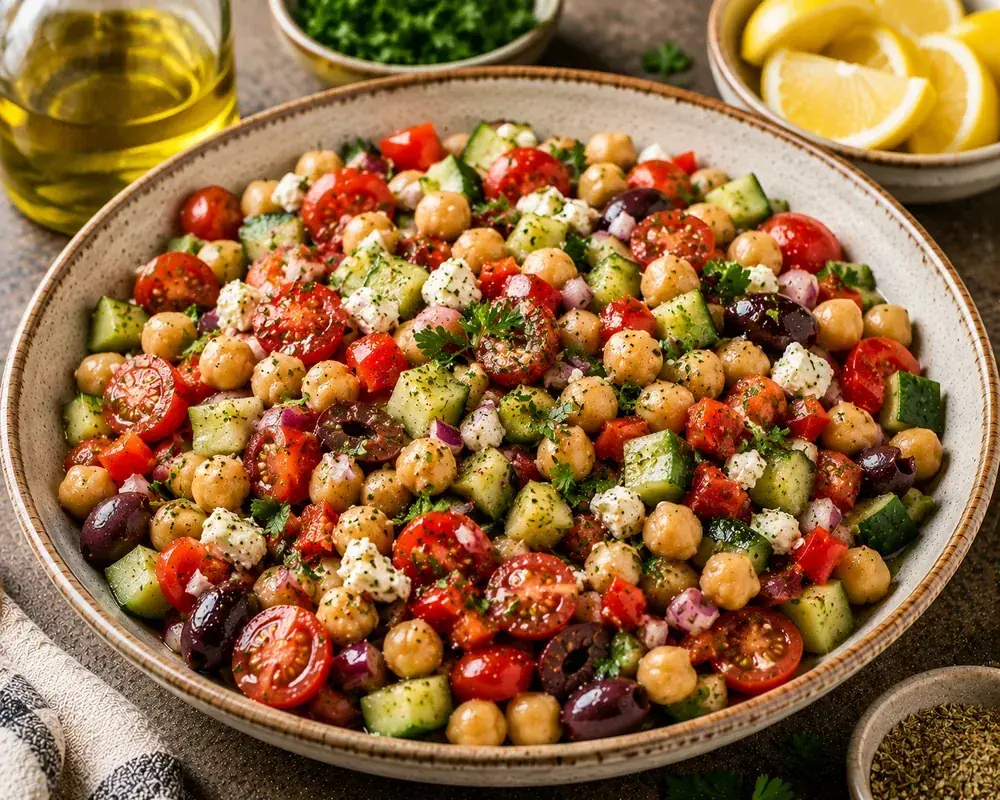
Mediterranean Chickpea Salad Recipe — Healthy Chickpea Salad with Lemon & Feta
A Mediterranean chickpea salad combining tender chickpeas with fresh vegetables, herbs, lemon, and extra virgin olive oil. The salad is substantial enough for lunch but also works as a side dish, mezze component, or make-ahead meal.
View recipe →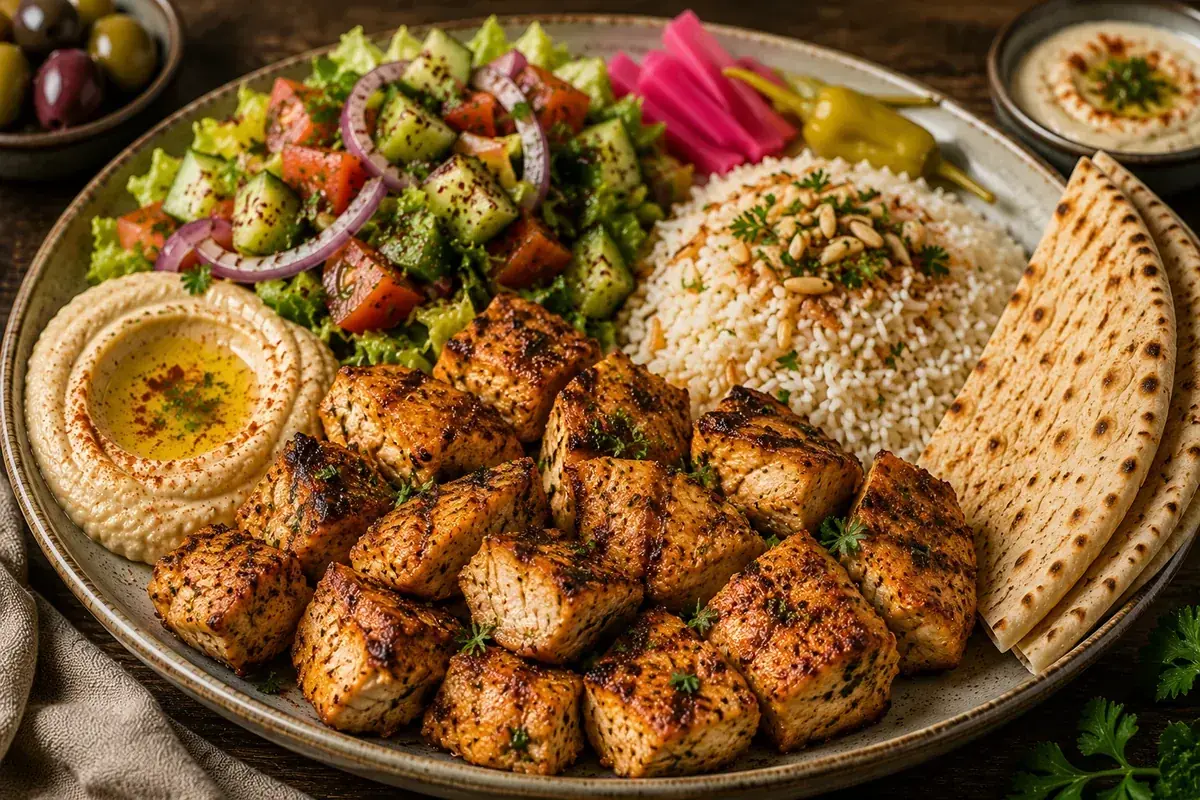
Mediterranean Grilled Chicken Plate Recipe — Healthy Grilled Chicken with Brown Rice
A Mediterranean grilled chicken plate built around lemon-garlic chicken, brown rice, fresh vegetables, herbs, and simple Mediterranean sides. The components can be prepared separately and arranged together for a balanced, practical meal.
View recipe →