
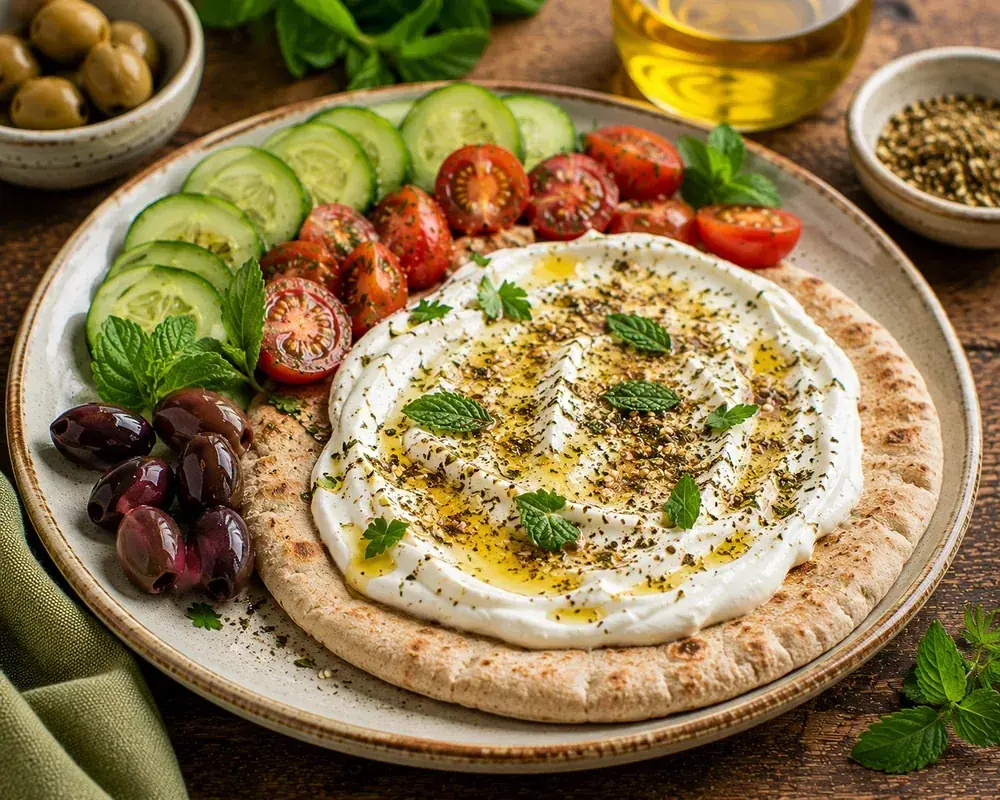
Breakfast Pita with Labneh & Fresh Vegetables Recipe
A healthy breakfast pita with labneh recipe made with warm whole wheat pita, creamy labneh, crisp cucumber, juicy tomato, Kalamata olives, fresh herbs, za'atar, and extra virgin olive oil. This easy Lebanese-inspired Mediterranean breakfast is quick to prepare and makes a fresh, satisfying meal.
Prep Time
15 mins
Cook Time
3 mins
Total Time
18 mins
Servings
2
A TASTE OF TRADITION
The Story Behind This Recipe
A good Mediterranean breakfast does not need to be complicated. This pita brings together a few familiar ingredients—tangy labneh, warm bread, crisp vegetables, olives, herbs, za'atar, and olive oil—and turns them into a portable, satisfying meal. The contrast between cool creamy labneh, fresh vegetables, salty olives, and warm pita is what makes the simple combination so enjoyable.
Cultural & Culinary Context
Labneh is a traditional strained yogurt food enjoyed throughout the Levant and wider Middle East. It is commonly served as part of breakfast or mezze alongside bread, olive oil, za'atar, olives, vegetables, and fresh herbs. The exact combinations vary from household to household, but the idea of pairing creamy labneh with fresh produce and warm bread is deeply familiar across the region. This recipe turns that traditional table combination into a convenient pita pocket.
What Makes It Mediterranean?
The Mediterranean character comes from the balance of strained yogurt, whole grains, fresh vegetables, herbs, olives, za'atar, and extra virgin olive oil. Rather than relying on a heavy sauce or processed filling, the pita gets most of its flavor from fresh ingredients and aromatic seasonings. The result is bright, savory, creamy, crunchy, and satisfying without being complicated.
Mediterranean Influences
- 🌿Labneh provides a traditional strained-yogurt base.
- 🌿Whole wheat pita supplies a simple whole-grain foundation.
- 🌿Cucumber and tomato provide fresh vegetables and contrasting textures.
- 🌿Kalamata olives contribute a salty Mediterranean flavor.
- 🌿Parsley and mint add freshness and aroma.
- 🌿Za'atar provides a distinctive Levantine herb and spice character.
- 🌿Extra virgin olive oil ties the ingredients together with a fruity, savory richness.
Ingredients
- 2 whole wheat pita breads (Use medium-sized pita with pockets.)
- 1 cup plain labneh
- 1 small cucumber (Thinly sliced.)
- 1 medium tomato (Thinly sliced or cut into small wedges.)
- 8 Kalamata olives (Pitted and sliced.)
- 2 tbsp fresh parsley (Finely chopped.)
- 1 tbsp fresh mint (Finely chopped.)
- 2 tsp za'atar seasoning
- 1 tbsp extra virgin olive oil
- 0.25 tsp sea salt
- 0.25 tsp black pepper
- 1 cup mixed greens (Optional.)
Instructions
- 1
Prepare all the vegetables before warming the pita. Wash and dry the cucumber, tomato, parsley, mint, and mixed greens thoroughly. Thinly slice the cucumber and tomato, pit and slice the Kalamata olives, and finely chop the herbs.
- 2
Warm the pita breads in a dry skillet over medium-low heat for about 1–2 minutes per side, just until soft and flexible. Avoid overheating them because a crisp pita can crack when you try to open the pocket.
- 3
Carefully open each warm pita along the existing pocket seam. If the bread feels tight, let it rest for a few seconds before opening it to reduce the chance of tearing.
- 4
Spread about 1/2 cup of labneh evenly inside each pita, coating as much of the inner surface as possible.
- 5
Add the cucumber and tomato in alternating layers. Distribute them throughout the pocket rather than creating one large pile at the bottom.
- 6
Add the sliced Kalamata olives and optional mixed greens.
- 7
Sprinkle the parsley, mint, za'atar, sea salt, and black pepper evenly over the vegetables.
- 8
Drizzle the extra virgin olive oil lightly inside each pita. Aim for an even coating rather than allowing the oil to collect in one spot.
- 9
Gently press the pita closed and let it rest for about 1 minute so the labneh and vegetables settle together.
- 10
Serve immediately while the pita is still warm and the vegetables remain crisp.
SET YOURSELF UP FOR SUCCESS
Before You Cook
👨🍳 Keep In Mind
- •Choose pita breads with a clearly formed pocket. Very thin flatbreads may be harder to open without tearing.
- •Use thick, plain labneh so the filling stays creamy rather than watery.
- •Wash and dry the vegetables thoroughly. Excess water can make the inside of the pita soggy.
- •Choose a ripe but firm tomato. Extremely soft tomatoes release too much juice.
- •Use a small cucumber for a crisp texture and thin slices that fit comfortably inside the pita.
- •Pit the Kalamata olives before slicing so every bite is easy to eat.
- •Prepare the herbs just before assembly to preserve their fresh aroma.
- •Have all ingredients ready before warming the pita because warm pita is easiest to open and fill while flexible.
💡 Helpful Tips
- •Warm the pita gently rather than toasting it. You want flexibility, not crispness.
- •If the pita begins to puff while warming, remove it from the pan rather than pressing it flat.
- •Open the pocket slowly along its natural seam instead of forcing it apart.
- •Spread labneh across the inner walls of the pocket so each bite gets some creamy filling.
- •Do not overfill the pita. A moderate amount makes it easier to eat and prevents tearing.
- •Keep tomato slices relatively thin so they do not push against the pita walls.
- •Add the za'atar before the final olive oil drizzle so the oil helps release its aroma.
- •Use a light hand with salt because labneh, olives, and za'atar can already provide plenty of savory flavor.
- •Serve soon after assembly to preserve the contrast between warm bread, cool labneh, and crisp vegetables.
👀 How Do I Know It's Done?
- ✓The pita should bend slightly without cracking.
- ✓The labneh should remain creamy and evenly distributed.
- ✓The vegetables should still have a fresh crunch.
- ✓The olives, herbs, and za'atar should be noticeable without overpowering the labneh.
- ✓The olive oil should lightly coat the filling rather than pooling at the bottom.
- ✓When sliced, the pita should reveal distinct layers of creamy labneh and colorful vegetables.
Tweak It
Make This Recipe Work for You
Adapt the recipe to your ingredients, dietary needs, budget, time, serving size, or meal-prep plans.
🔄 Ingredient Substitutions
Change the pita
Use regular whole wheat pita, white pita, or another soft pocket bread if whole wheat pita is unavailable.
Change the olives
Use green olives or another mild Mediterranean olive if Kalamata olives are unavailable.
Change the herbs
Use extra parsley, dill, or a small amount of fresh coriander when mint is unavailable.
Change the vegetables
Add thinly sliced bell pepper, radish, lettuce, or a small amount of grated carrot for additional crunch.
🌱 Dietary Adjustments
Make it vegan
Replace the labneh with a thick unsweetened plant-based yogurt or vegan labneh-style spread.
Make it dairy-free
Use a thick dairy-free strained yogurt spread with a tangy flavor and enough body to stay inside the pita.
Increase the protein
Use a high-protein strained yogurt or labneh and add chickpeas or a small portion of grilled chicken if desired.
Reduce the sodium
Use fewer olives, choose a lower-sodium labneh when available, and reduce the added salt.
Make it gluten-free
Use a certified gluten-free pita or gluten-free pocket bread while keeping the filling unchanged.
💰 Budget-Friendly Options
Use seasonal vegetables
Choose the freshest affordable cucumber, tomato, greens, and herbs available locally.
Use olives as a flavor accent
A small amount of strongly flavored olives can provide plenty of flavor without needing a large quantity.
Make labneh at home
If you have plain yogurt available, straining it overnight can create a thick labneh-style spread and reduce the need to buy a separate product.
⏱️ Time-Saving Options
Prepare vegetables ahead
Slice the cucumber and tomato and chop the herbs shortly before serving, then keep them refrigerated until assembly.
Set up an assembly line
Arrange the warmed pita, labneh, vegetables, olives, herbs, za'atar, and olive oil in order so both pitas can be assembled quickly.
Make it a quick breakfast
Keep washed vegetables and labneh ready in the refrigerator so the pita can be assembled in just a few minutes.
👨👩👧👦 Serving Adjustments
Make one pita
Halve the ingredient quantities for one generous breakfast pita.
Prepare several pitas
For a family breakfast, set out the ingredients buffet-style and let everyone assemble their own pita according to preference.
🥡 Meal Prep
Prepare the components separately
Keep labneh, sliced vegetables, herbs, and olives in separate refrigerated containers and assemble the pita shortly before eating.
Prevent a soggy pita
Do not assemble the pita too far in advance. Keep juicy tomatoes and wet ingredients separate until serving.
Pack it for later
For transport, keep the pita and filling components separate whenever possible and assemble shortly before eating.
RECIPE RESCUE
🧩 What Do You Need Help With?
Choose the problem you're facing and get a recipe-specific solution instead of a generic cooking tip.
WHAT IF?
🔄 What If...?
Choose your situation and we'll show you a practical pathway for making this recipe work.
STORAGE & LEFTOVERS
🥡 Storage & Leftovers
For the best texture, assemble the pita shortly before serving.
If storing components, keep labneh, vegetables, herbs, and olives in separate covered containers in the refrigerator.
Keep sliced tomatoes separate from the pita until serving because their moisture can soften the bread.
If a filled pita must be stored briefly, wrap it tightly and refrigerate promptly.
The pita is best eaten the same day because fresh vegetables gradually release moisture.
Do not leave a labneh-filled pita at room temperature for an extended period.
Best Storage Time
Best assembled and eaten immediately; refrigerated components are best used within a short period for maximum freshness
How to Store
Separate airtight containers for prepared ingredients or a tightly wrapped pita for short-term storage
SERVING & PAIRING
🍽️ Serving & Pairing
Serve the pita warm or just after assembly, ideally with the fresh vegetables still crisp and the labneh cool and creamy. For a fuller Lebanese-style breakfast, place extra olives, cucumber, tomato, labneh, za'atar, and fresh herbs on the table so everyone can add more to taste. A cup of mint tea or Arabic coffee makes a natural accompaniment.
What Goes Well With It?
RECIPE FAQ
❓ Frequently Asked Questions
How do you make a breakfast pita with labneh?
To make a breakfast pita with labneh, prepare thinly sliced cucumber and tomato along with Kalamata olives, parsley, and mint. Warm whole wheat pita gently in a dry skillet until soft and flexible, then carefully open the pocket and spread about 1/2 cup of labneh inside. Layer in the cucumber, tomato, olives, and optional mixed greens, then sprinkle with parsley, mint, za'atar, black pepper, and a little sea salt. Finish with a light drizzle of extra virgin olive oil, gently close the pita, and serve immediately while the bread is warm and the vegetables are crisp.
What is labneh?
Labneh is a thick strained yogurt commonly enjoyed throughout the Levant and wider Middle East. It has a creamy texture and pleasantly tangy flavor that works especially well with bread, vegetables, olive oil, and za'atar.
Can I use Greek yogurt instead of labneh?
Yes. Choose a thick Greek yogurt and, if it is too loose, strain it further so it has a spreadable labneh-like consistency.
Why does my pita keep tearing?
The pita may be too cold, too dry, or overheated. Warm it gently until flexible and open it slowly along the existing pocket seam.
Should I toast the pita?
Only lightly. The goal is to warm and soften the pita, not make it crisp. A crisp pita is much more likely to crack when opened.
Can I prepare this the night before?
It is better to prepare the components separately and assemble the pita in the morning. This prevents tomato and cucumber moisture from making the bread soggy.
Can I use another type of olive?
Yes. Green olives or another mild Mediterranean olive can replace Kalamata olives.
Can I make the pita without olives?
Absolutely. The pita will still have plenty of flavor from labneh, za'atar, herbs, vegetables, and olive oil.
Can I add other vegetables?
Yes. Radish, bell pepper, lettuce, mixed greens, or a small amount of grated carrot can add additional freshness and crunch.
How can I make it less salty?
Taste the labneh and olives before adding salt. You can omit the added salt and use extra cucumber, tomato, herbs, and a small amount of olive oil to balance the flavor.
Can I take this pita to work or school?
Yes, but for the best texture, pack the pita and wet ingredients separately when possible and assemble shortly before eating.
How do I make it more filling?
Use a generous amount of labneh and consider adding chickpeas or grilled chicken. You can also serve the pita with a simple side salad or fresh fruit.
Is this suitable for a Mediterranean-style diet?
Yes. It centers on vegetables, whole wheat pita, fermented dairy, olives, herbs, za'atar, and extra virgin olive oil, all of which fit naturally into a Mediterranean-style pattern of eating.
Explore More
Go deeper into the cuisine
Learn more about the ingredients, traditions, and cooking approaches connected to this recipe.
You May Also Like
More delicious recipes from the Breakfast

Mediterranean Shakshuka Recipe — Healthy Eggs in Tomato and Red Pepper Sauce
A Mediterranean-style shakshuka made with eggs gently cooked in a spiced tomato and pepper sauce with garlic, onion, and herbs. Serve it straight from the pan with warm pita for scooping up the rich tomato sauce.
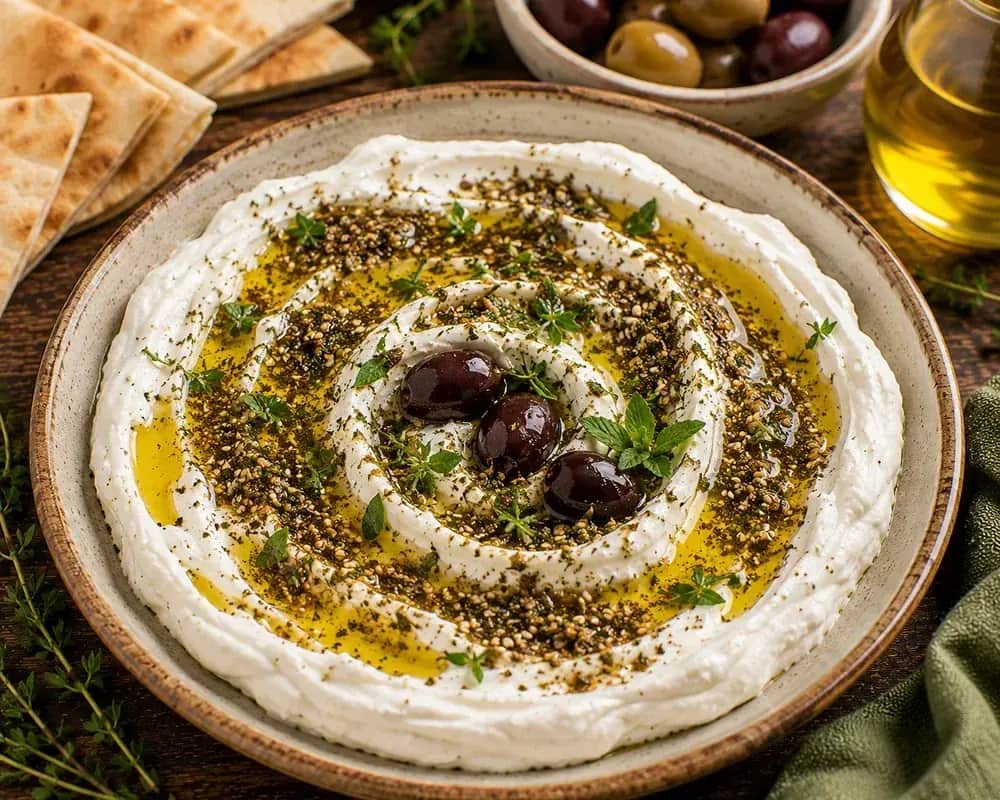
Labneh with Za'atar & Olive Oil Recipe — Lebanese Labneh Mezze & Breakfast
This labneh with za'atar and olive oil recipe is a classic Lebanese-inspired mezze and breakfast made with thick strained yogurt, fragrant za'atar, extra virgin olive oil, fresh mint, parsley, crisp cucumber, tomatoes, olives, and warm pita. An easy Mediterranean dish that can be made with store-bought labneh or homemade labneh from full-fat plain yogurt.
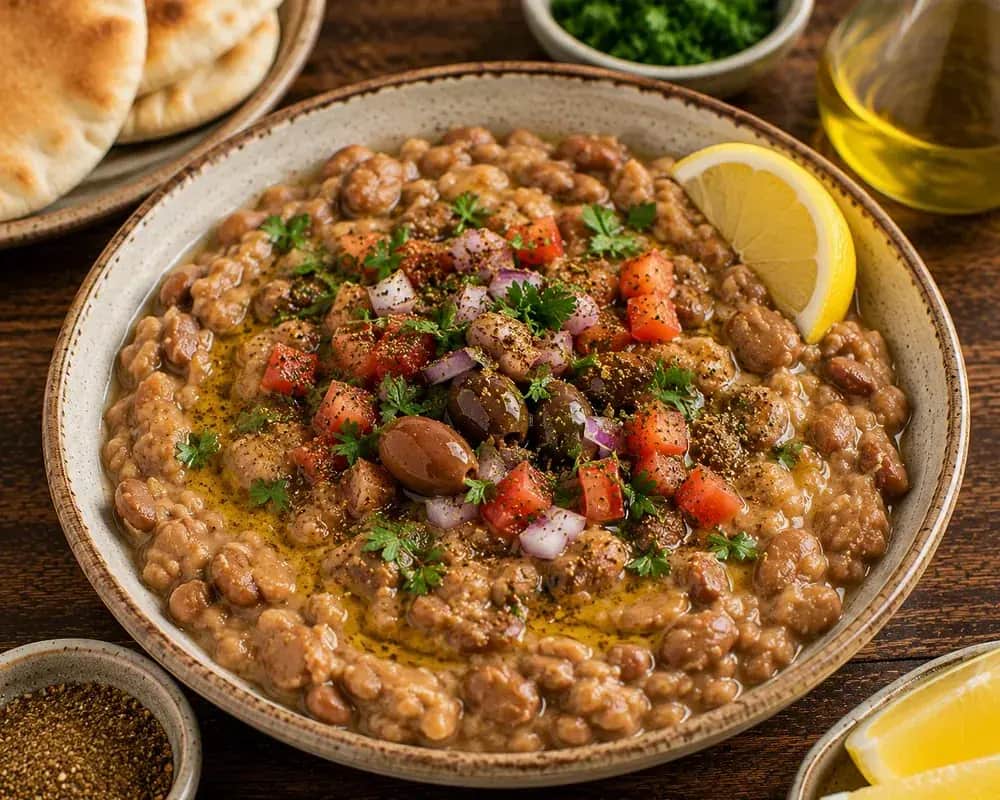
Ful Medames Recipe — Traditional Egyptian Fava Beans
A traditional Egyptian ful medames made with tender fava beans, garlic, cumin, fresh lemon juice, and extra virgin olive oil, finished with tomato, red onion, parsley, and warm pita. The beans are partly mashed for a thick texture while plenty remain whole.