

Authentic Tamar Hindi Recipe (Egyptian Tamarind Drink)
An authentic Tamar Hindi recipe for a refreshing traditional Egyptian tamarind drink made by gently simmering and steeping tamarind pulp, then balancing its naturally sweet-tart flavor with honey and optional lemon and orange blossom water. Serve thoroughly chilled over ice.
Prep Time
15 mins
Cook Time
10 mins
Total Time
25 mins
Servings
6
A TASTE OF TRADITION
The Story Behind This Recipe
Tamar Hindi is a classic Egyptian tamarind drink known for its deep amber-brown color and refreshing sweet-tart flavor. It is especially welcome during hot weather because it can be prepared ahead, thoroughly chilled, and served over ice. The drink is simple enough for everyday meals but distinctive enough for Ramadan gatherings and festive occasions.
Cultural & Culinary Context
Tamar Hindi is strongly associated with Egyptian beverage culture and is particularly familiar during Ramadan, when refreshing homemade drinks are often prepared for the evening meal and shared with family and guests. Its name refers to tamarind, the fruit pulp that gives the drink its characteristic tangy flavor. Recipes can vary between households, especially in sweetness and the use of aromatic additions. Some versions are strongly sweetened, while others allow the natural sourness of tamarind to remain prominent.
What Makes It Mediterranean?
Tamar Hindi fits naturally within the broader Middle Eastern and Mediterranean tradition of turning fruits, flowers, herbs, and aromatic ingredients into refreshing drinks. Tamarind brings a distinctive tropical-fruity acidity, while lemon and orange blossom water can add familiar citrus and floral notes. Served chilled alongside savory foods, it provides a bright contrast to grilled meats, rice dishes, mezze, and other rich flavors.
Mediterranean Influences
- 🌿The drink relies on a naturally tart fruit pulp for its main flavor.
- 🌿Fresh lemon can add bright citrus acidity.
- 🌿Orange blossom water provides a traditional floral aroma when used.
- 🌿It is well suited to warm climates and is commonly enjoyed chilled.
- 🌿It can be prepared in advance for family meals and gatherings.
- 🌿Its sweet-tart profile provides a refreshing contrast to savory Middle Eastern dishes.
- 🌿The recipe uses simple ingredients and adjustable sweetness rather than a fixed commercial flavor profile.
Ingredients
- 1 cup tamarind pulp (seedless) (Use food-grade tamarind pulp intended for drinks or cooking. Seedless pulp is easier to work with, although some fibrous material may still need to be strained out.)
- 6 cups water (Use fresh drinking water. Filtered water can provide a cleaner flavor if your water has a strong mineral or chlorine taste.)
- 3 tbsp honey (Start with less and adjust after straining. Tamarind varies in natural acidity, so the amount of sweetener needed can differ from batch to batch.)
- 1 tbsp fresh lemon juice (Optional. Add gradually because tamarind is already naturally tangy.)
- 1 tsp orange blossom water (Optional. Add at the end for a subtle floral aroma. Use sparingly so it does not overpower the tamarind.)
- 1 Ice cubes (For serving cold. Chill the Tamar Hindi first when possible so the ice does not dilute the drink too quickly.)
- 1 Fresh mint leaves for garnish (Optional. Add shortly before serving for a fresh herbal aroma.)
- 1 Lemon slices for garnish (Optional. Use thin slices for presentation and a fresh citrus aroma.)
Instructions
- 1
Break the tamarind pulp into smaller pieces if necessary. Check it for any remaining seeds, stems, or unwanted debris.
- 2
Place the tamarind pulp and water in a medium saucepan and bring to a gentle boil.
- 3
Reduce the heat and simmer gently for about 10 minutes, stirring occasionally so the pulp softens and releases its flavor into the water.
- 4
Remove the saucepan from the heat, cover it, and let the mixture steep for another 10 minutes. This additional resting time helps develop a fuller tamarind flavor without prolonged boiling.
- 5
Strain the mixture through a fine-mesh sieve into a large heatproof pitcher or clean saucepan. Press the softened pulp gently to extract the flavorful liquid, but avoid forcing large fibrous pieces through the sieve.
- 6
Taste the strained drink before sweetening. The natural acidity and strength of tamarind can vary, so use the taste as your guide.
- 7
While the liquid is still warm, stir in the honey until completely dissolved. Add gradually rather than automatically using the entire amount.
- 8
Add the lemon juice if using. Because tamarind is already tangy, add the lemon in small amounts and taste between additions.
- 9
Stir in the orange blossom water if using. Add it at the end so its delicate floral aroma remains noticeable without dominating the drink.
- 10
Allow the Tamar Hindi to cool, then refrigerate it until thoroughly chilled.
- 11
For serving, fill glasses with ice, pour over the chilled Tamar Hindi, and garnish with fresh mint and lemon slices if desired.
SET YOURSELF UP FOR SUCCESS
Before You Cook
👨🍳 Keep In Mind
- •Check the tamarind pulp for any remaining seeds, stems, or pieces of shell before beginning.
- •Use culinary-grade tamarind pulp rather than sweetened tamarind candy or prepared tamarind sauce.
- •Have a fine-mesh sieve ready because tamarind pulp naturally contains fibers that should be removed.
- •Use a saucepan large enough to prevent the liquid from bubbling over during the brief simmer.
- •Prepare a clean heatproof pitcher or container for straining.
- •If you plan to serve the drink iced, make enough time for it to cool and chill thoroughly before serving.
- •Keep the honey, lemon, and orange blossom water separate until after straining so you can adjust the final flavor.
💡 Helpful Tips
- •Break large pieces of tamarind pulp apart before adding them to the water so they soften more evenly.
- •Use a gentle simmer rather than a vigorous boil. The goal is to extract the tamarind without unnecessarily reducing the liquid.
- •Stir occasionally while simmering to help the pulp break down and release its flavor.
- •Allowing the mixture to steep off the heat after simmering gives the tamarind additional time to develop without prolonged cooking.
- •Taste after straining before adding all the honey. Tamarind can vary significantly in acidity.
- •Add honey while the drink is warm so it dissolves easily.
- •Add lemon gradually. Tamarind already provides considerable acidity, so you may need less lemon than expected.
- •Add orange blossom water at the end and use a light hand. Too much can make the drink taste perfumed rather than refreshing.
- •Press the pulp gently through the sieve. Excessive pressure can force unwanted fibrous material into the finished drink.
- •For the clearest drink, allow the strained liquid to settle briefly and avoid disturbing heavy sediment before transferring it.
- •Chill the drink before adding ice whenever possible. This prevents rapid dilution.
- •If serving a large gathering, taste the complete batch before adding more sweetener.
👀 How Do I Know It's Done?
- ✓The tamarind pulp has softened and released its flavor.
- ✓The liquid has developed a deep amber-brown color.
- ✓The aroma is fruity and pleasantly tangy.
- ✓The drink has been thoroughly strained.
- ✓The finished liquid contains no large pieces of pulp or fibers.
- ✓The honey is fully dissolved.
- ✓The acidity and sweetness taste balanced rather than harsh or cloying.
- ✓The drink is thoroughly chilled before being poured over ice.
Tweak It
Make This Recipe Work for You
Adapt the recipe to your ingredients, dietary needs, budget, time, serving size, or meal-prep plans.
🔄 Ingredient Substitutions
Use sugar instead of honey
Granulated sugar can replace honey if preferred. Add it while the strained Tamar Hindi is still warm and adjust gradually according to taste.
Skip the lemon
Lemon is optional because tamarind already provides substantial natural acidity. Omitting it allows the tamarind flavor to remain more prominent.
Skip orange blossom water
Orange blossom water is an optional aromatic addition. The drink remains flavorful and refreshing without it.
Make it less sweet
Reduce the honey and allow the naturally tangy tamarind flavor to stand out.
🌱 Dietary Adjustments
Make it vegan
Replace honey with sugar, date syrup, or another suitable plant-based sweetener.
Reduce added sugar
Use less honey or omit it entirely. Taste the strained drink first because tamarind pulp varies naturally in acidity.
💰 Budget-Friendly Options
Keep the garnish simple
Skip the mint and lemon garnish if desired. The rich color of Tamar Hindi makes it attractive even without additional decoration.
Make a larger batch
Multiply the ingredients proportionally and adjust the sweetness only after combining and tasting the full batch.
⏱️ Time-Saving Options
Prepare it ahead
Make and strain Tamar Hindi earlier in the day, then refrigerate it in a covered pitcher so it is ready to serve when needed.
Cool it efficiently
Transfer the strained drink to a suitable heatproof container with a relatively wide surface area before refrigerating. Avoid tightly sealing a very hot liquid.
👨👩👧👦 Serving Adjustments
Make two servings
Reduce the ingredients proportionally and taste before adding the full amount of honey or lemon.
Prepare for a gathering
Scale the recipe proportionally, strain the full batch, then adjust sweetness and acidity after combining the liquid.
🥡 Meal Prep
Prepare a chilled pitcher
Brew, strain, sweeten, and refrigerate Tamar Hindi in a covered pitcher. Keep ice and garnishes separate until serving.
Prepare a concentrated base
Prepare a stronger tamarind infusion and dilute individual servings with cold water or ice when serving. This gives you more control over strength.
RECIPE RESCUE
🧩 What Do You Need Help With?
Choose the problem you're facing and get a recipe-specific solution instead of a generic cooking tip.
WHAT IF?
🔄 What If...?
Choose your situation and we'll show you a practical pathway for making this recipe work.
STORAGE & LEFTOVERS
🥡 Storage & Leftovers
Allow the prepared Tamar Hindi to cool before transferring it to a covered container for refrigeration.
Store the strained drink in a clean covered glass pitcher or airtight food-safe container.
Keep ice separate from the stored drink to prevent dilution.
Keep mint and lemon garnishes separate until serving for better freshness.
If the drink has been sitting at room temperature for an extended period, refrigerate it promptly rather than repeatedly leaving it warm.
Gently stir the chilled drink before serving if any natural sediment has settled.
Best Storage Time
For best quality, keep refrigerated and use within 3–4 days.
How to Store
Store in a clean covered glass pitcher or airtight food-safe container in the refrigerator.
SERVING & PAIRING
🍽️ Serving & Pairing
Tamar Hindi is traditionally enjoyed thoroughly chilled, especially in warm weather and during Ramadan gatherings. Pour it over ice and garnish with fresh mint and lemon slices for a classic refreshing presentation. The drink's sweet-tart character pairs particularly well with savory Egyptian and Middle Eastern foods and provides a bright contrast to grilled meats, rice dishes, mezze, and rich sauces.
What Goes Well With It?
RECIPE FAQ
❓ Frequently Asked Questions
What is Tamar Hindi?
Tamar Hindi is a traditional Egyptian tamarind drink made by extracting the flavor of tamarind pulp in water, then sweetening and chilling the strained liquid.
Why is it called Tamar Hindi?
Tamar Hindi is the common Egyptian Arabic name associated with tamarind, the fruit pulp used to make this distinctive sweet-tart drink.
Is Tamar Hindi served hot or cold?
It is most commonly enjoyed chilled, particularly in warm weather and during Ramadan. Serving it over ice makes it especially refreshing.
Does Tamar Hindi contain caffeine?
Pure Tamar Hindi is naturally caffeine-free because it is made from tamarind pulp rather than tea leaves or caffeinated ingredients.
Why is my Tamar Hindi too sour?
Tamarind naturally varies in acidity. Dilute the drink slightly and add honey gradually until the sweet-tart balance suits your taste.
How do you make Tamar Hindi?
Tamar Hindi is made by gently simmering tamarind pulp in water, then allowing it to steep before straining out the fibers and solids. Honey is added while the strained drink is warm, with lemon juice and orange blossom water added gradually if desired. The finished drink is thoroughly chilled and served over ice with optional fresh mint and lemon slices.
Can I make Tamar Hindi without lemon?
Yes. Lemon is optional because tamarind already provides substantial natural acidity. Omitting lemon gives the drink a more direct tamarind flavor.
Can I make Tamar Hindi without orange blossom water?
Yes. Orange blossom water is optional and adds a subtle floral aroma. The drink remains authentic in character without it.
Why should I strain tamarind carefully?
Tamarind pulp can contain fibers and small solids. Careful straining produces a smoother drink and prevents fibrous pieces from remaining in the finished beverage.
Can I make Tamar Hindi ahead of time?
Yes. It is well suited to advance preparation. Cook, steep, strain, sweeten, and refrigerate it in a covered container, then add ice and garnishes when serving.
How long does Tamar Hindi last in the refrigerator?
For best quality, keep it refrigerated in a clean covered container and use it within about 3–4 days.
Why should I chill Tamar Hindi before adding ice?
Adding ice to a warm drink causes rapid melting and can dilute the flavor. Chilling the drink first keeps the final serving stronger and more refreshing.
Can I use tamarind with seeds?
Yes, but it requires more preparation. You will need to remove the seeds and carefully strain the pulp. Seedless culinary tamarind pulp is more convenient for this recipe.
Can I make a concentrated Tamar Hindi?
Yes. Prepare a stronger tamarind base and dilute individual servings with cold water or ice. This gives you more control over the final strength.
What does Tamar Hindi taste like?
It has a distinctive fruity, tangy, sweet-sour flavor. The exact balance depends on the tamarind pulp and the amount of honey or sugar added.
Explore More
Go deeper into the cuisine
Learn more about the ingredients, traditions, and cooking approaches connected to this recipe.
You May Also Like
More delicious recipes from the Drinks
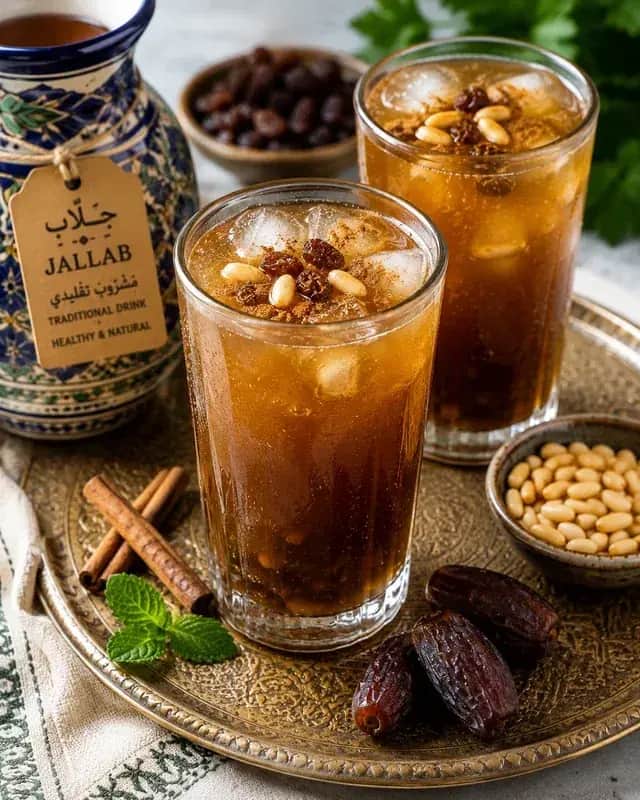
Traditional Jallab Recipe — Lebanese Date & Grape Molasses Drink
This Traditional Jallab recipe is a refreshing Lebanese and Levantine drink made with date molasses, grape molasses, rose water, and chilled water, served over ice and finished with pine nuts and golden raisins. A naturally sweet, floral, fruit-molasses beverage that comes together in minutes and is especially popular during Ramadan, family gatherings, festive meals, and warm weather.
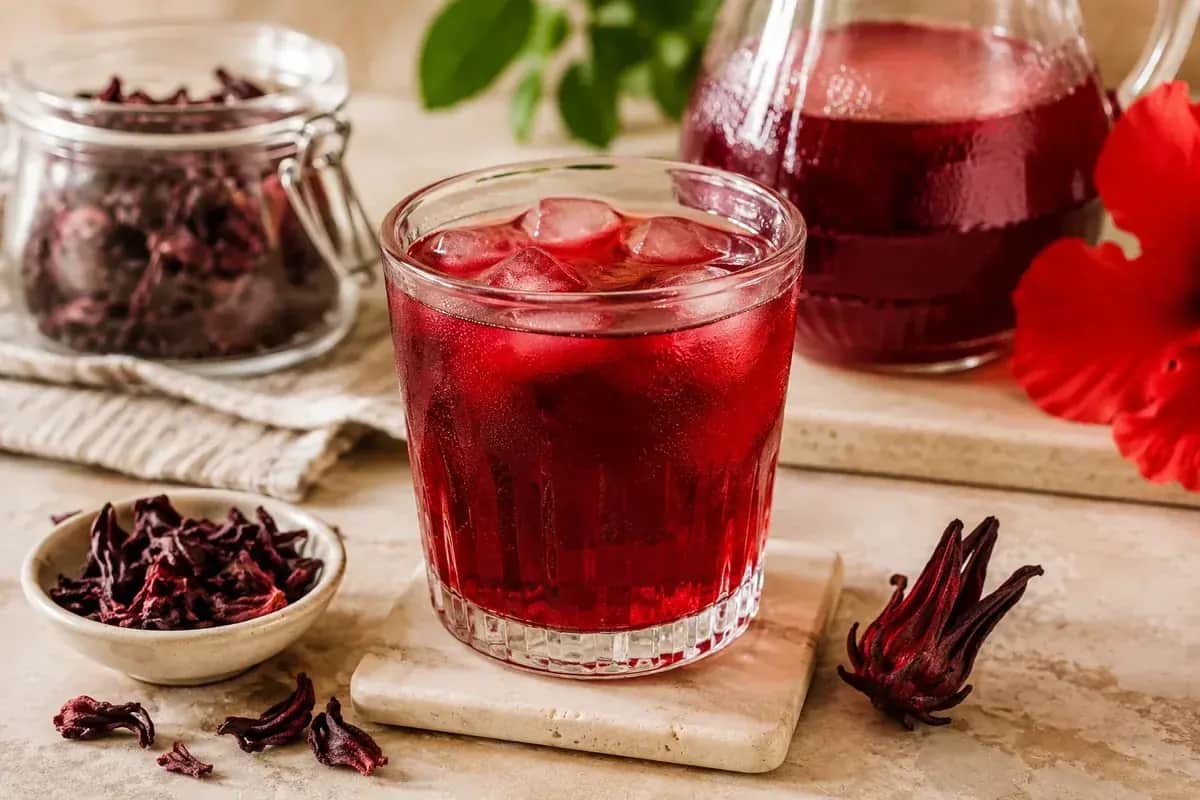
Authentic Egyptian Karkade Recipe (Hibiscus Tea)
An authentic Egyptian Karkade recipe made with dried hibiscus flowers, honey, and optional fresh lemon for a vibrant ruby-red hibiscus drink that can be served hot or chilled over ice.
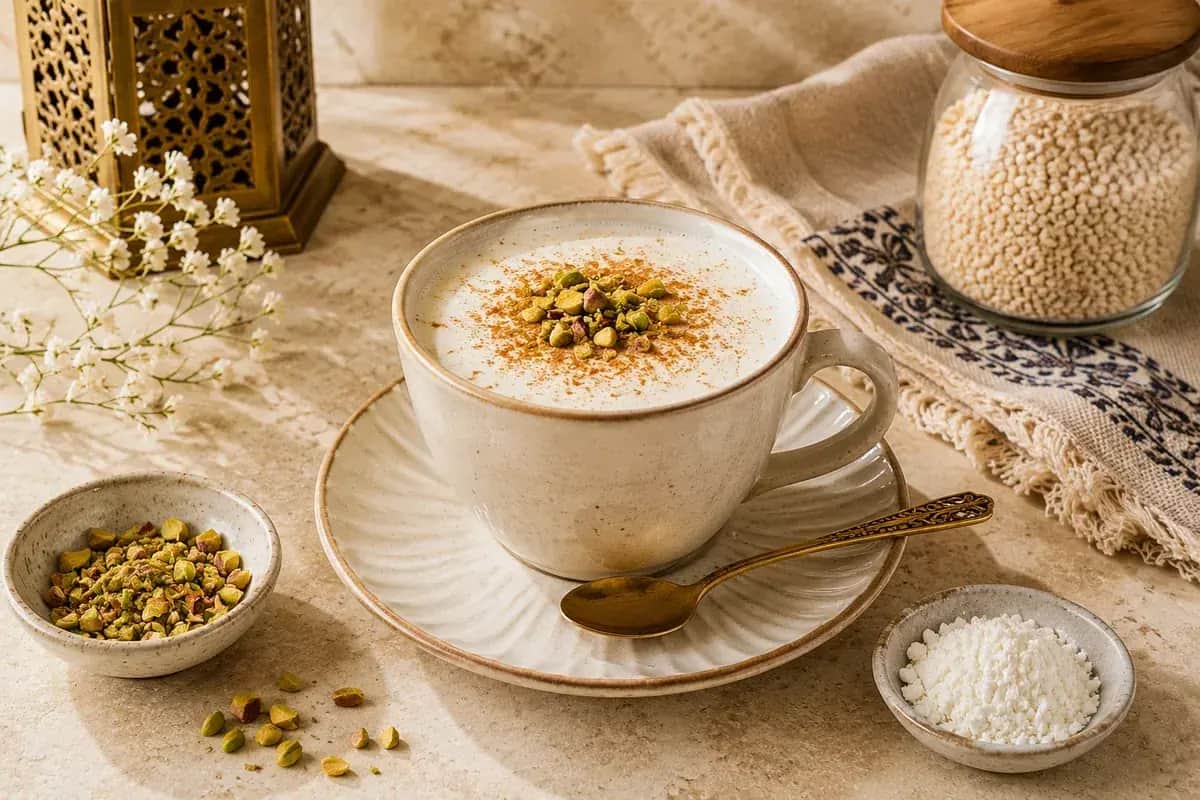
Authentic Sahlab Recipe (Healthy-Inspired Version)
An authentic Sahlab recipe for a warm, creamy Middle Eastern milk drink thickened with sahlab powder and scented with orange blossom water, vanilla, and cinnamon, then topped with pistachios and coconut.